
13

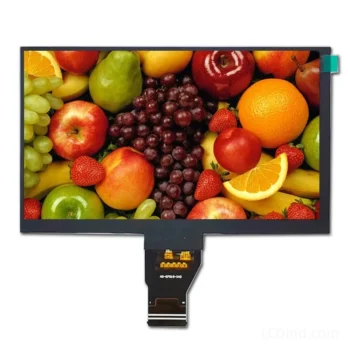
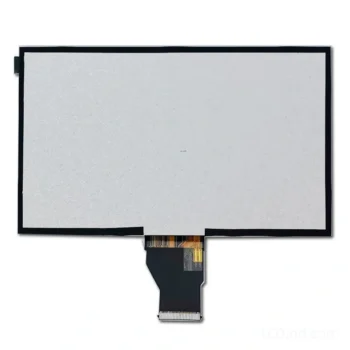
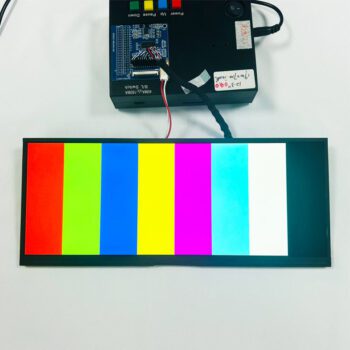
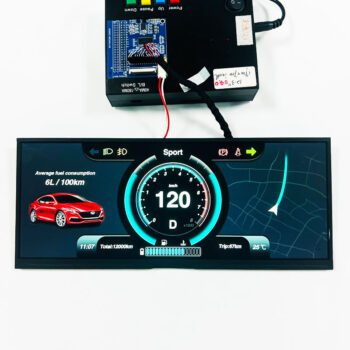
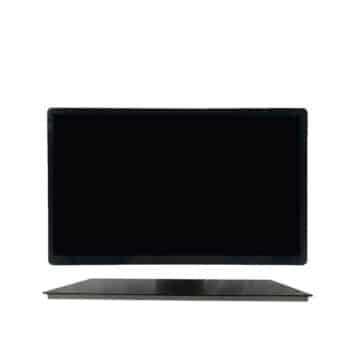
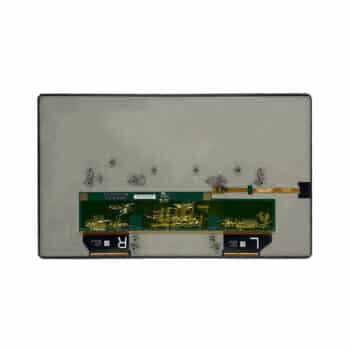
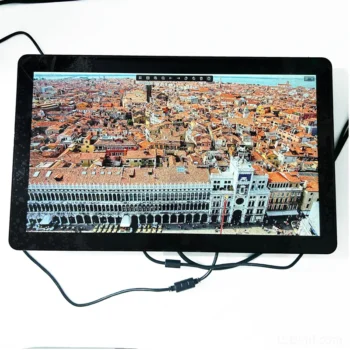
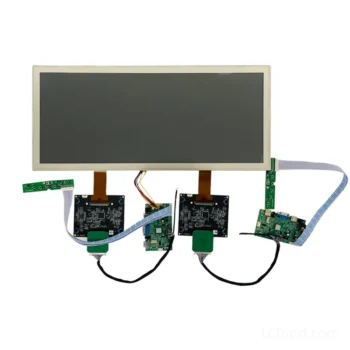
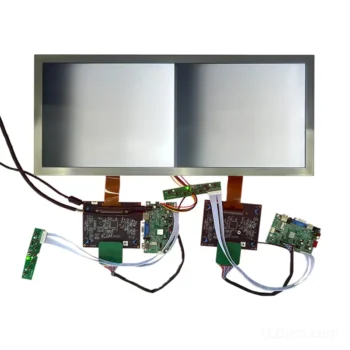
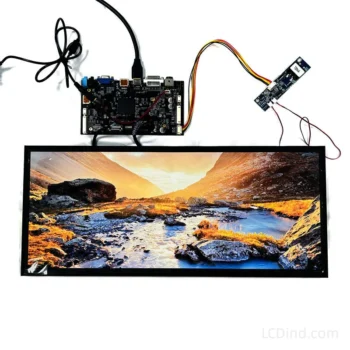
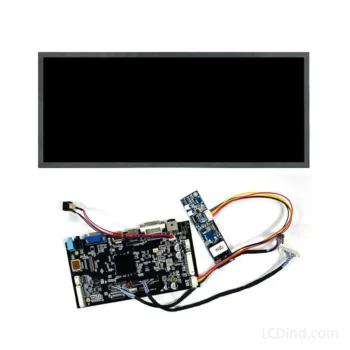
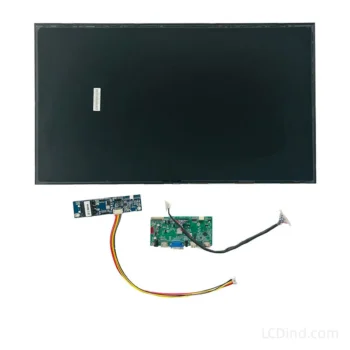
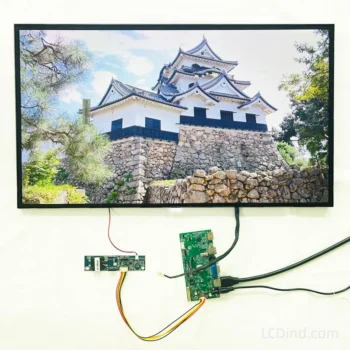
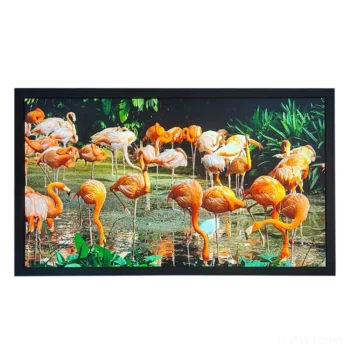
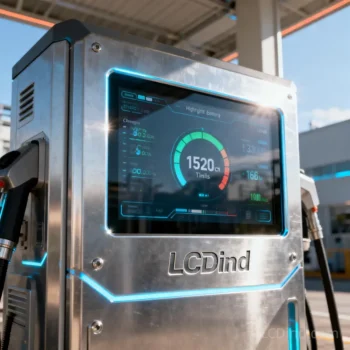
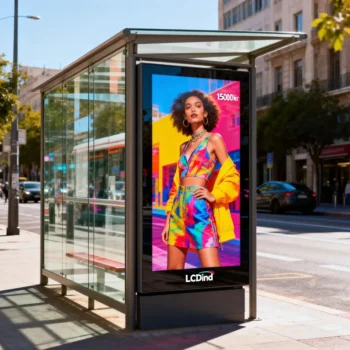
Optical stack
- AG or AR cover-glass treatment
- Air gap versus OCA/OCR optical bonding
- PCAP sensor and printed border reflection
- Polarizer orientation and use with sunglasses
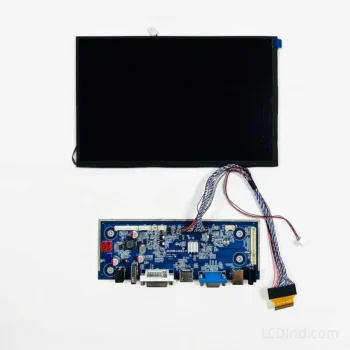
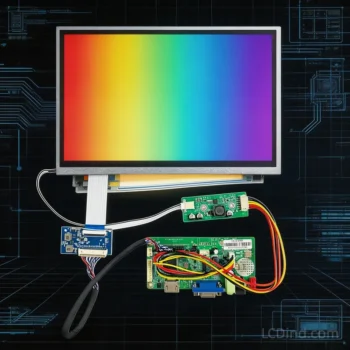
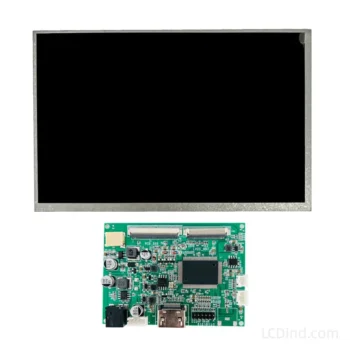
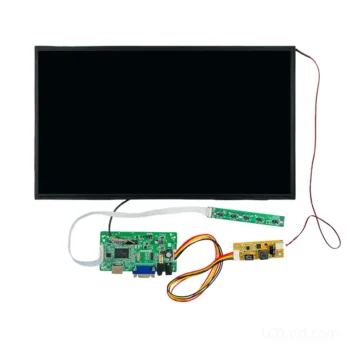
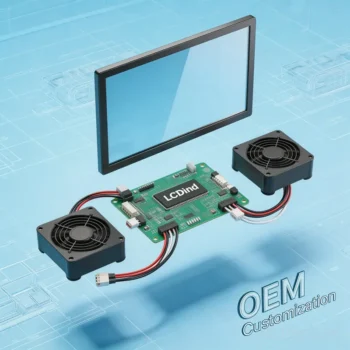
Universal LCD Controller Board solutions. Convert HDMI/VGA signals to LVDS, EDP, or MIPI. Custom firmware support for industrial display panels.
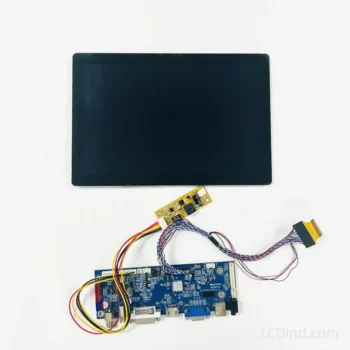
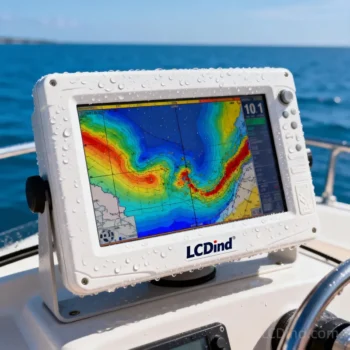
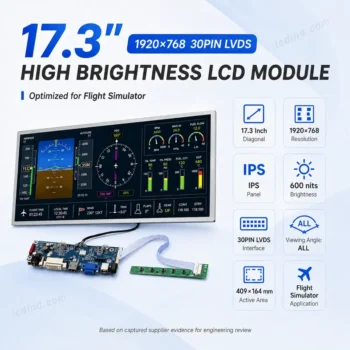
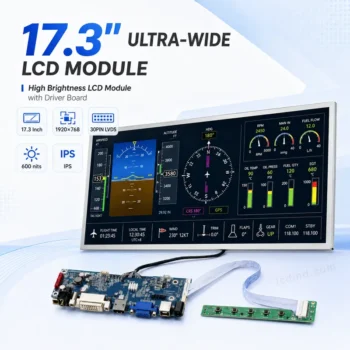
Browse high brightness TFT LCD modules for outdoor kiosks, marine displays, EV chargers and industrial HMI. Compare product options, then confirm nits, interface, temperature, optical stack and thermal requirements.
Showing 1–24 of 89 results
Brightness in nits is an important filter, but it does not alone guarantee sunlight readability. Select a module by combining the listed luminance with ambient light, front-surface reflection, optical bonding, viewing angle, touch stack, operating temperature and heat dissipation.
| Nominal brightness | Typical starting point | Engineering checks |
|---|---|---|
| 500–700 nits | Bright indoor HMI, vehicle cabin or protected semi-outdoor equipment | Window reflection, viewing angle and local ambient light |
| 800–1000 nits | High-ambient-light terminals and many covered outdoor installations | Cover glass, touch reflection, bonding and thermal rise |
| 1000–1500 nits | Outdoor kiosk, EV charger, marine or transport equipment | Direct-sun exposure, high-Tni behavior, backlight power and enclosure cooling |
| 1500+ nits | Severe ambient light where optical measures alone are insufficient | Power budget, LED lifetime, surface temperature and application-specific validation |
These ranges are starting points rather than pass/fail limits. A bonded 800-nit display with low-reflection cover glass may be more readable than a higher-brightness panel behind untreated glass. Final performance must be checked in the intended enclosure and lighting condition.
Send the target size, resolution, interface, brightness, operating temperature, touch requirement, cover-glass drawing, bonding preference, host system and annual quantity. If replacing an existing panel, include the full model number, datasheet, connector drawing and any controller-board information. LCDind can then compare standard modules and identify where cable, backlight, touch, cover-lens or controller customization is required.
For the engineering principles behind outdoor readability, including reflection control and optical bonding, read the Sunlight Readable LCD Display Engineering Guide. For project-specific optical and mechanical changes, see LCD customization capabilities.
No. Readability depends on ambient light and the complete optical stack. Reflections from cover glass, touch layers and air gaps can reduce contrast even when the panel has high nominal brightness.
Bonding mainly reduces internal reflections and improves perceived contrast. It does not automatically increase the LCD backlight output, although the assembled display can be easier to read.
Some projects can use a modified backlight, but the power, heat, mechanical fit, LED lifetime, optical films and driver must be reviewed. A backlight change is not a drop-in assumption.
Tni is related to the liquid-crystal clearing temperature. Solar loading can heat the panel above ambient temperature, so outdoor designs may require a higher-Tni panel plus an enclosure heat path.
Yes. PCAP or resistive touch can be integrated, but the touch sensor and cover glass add reflections. Controller tuning, bonding, gloves, water behavior and EMI conditions should be specified.
Send the target specifications, drawing, lighting condition, enclosure design and quantity. We will assess suitable modules and flag optical, thermal or controller work before quotation.
🔒 Your data is secure. We usually reply within 24 hours.