13

Description
12.3 Inch 1000-Nit Automotive LVDS Touch Display for Dashboard Programs
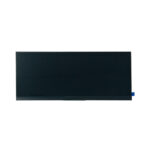
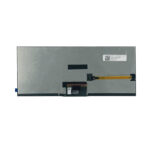
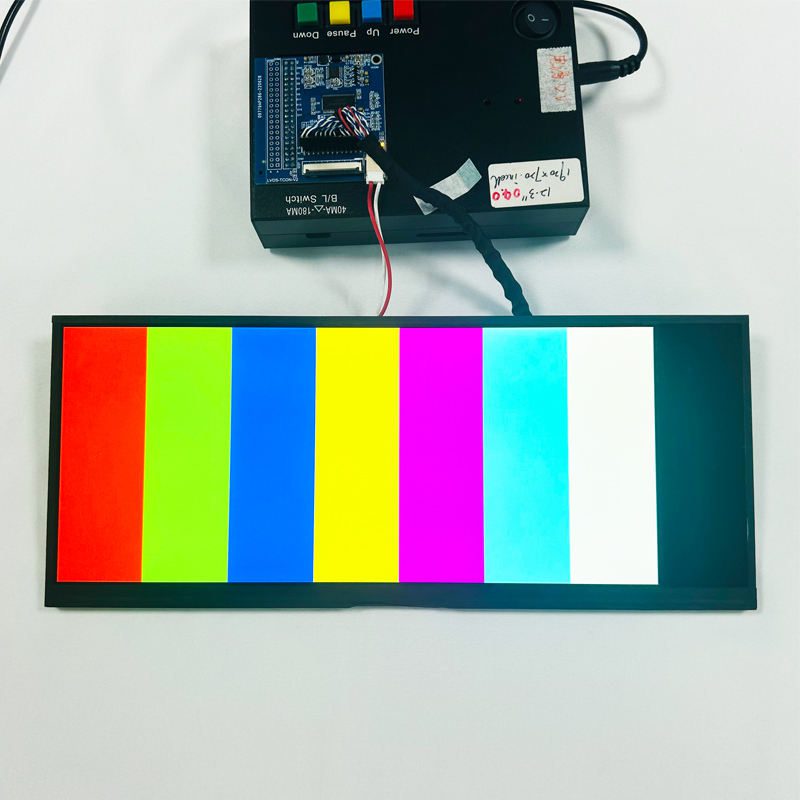
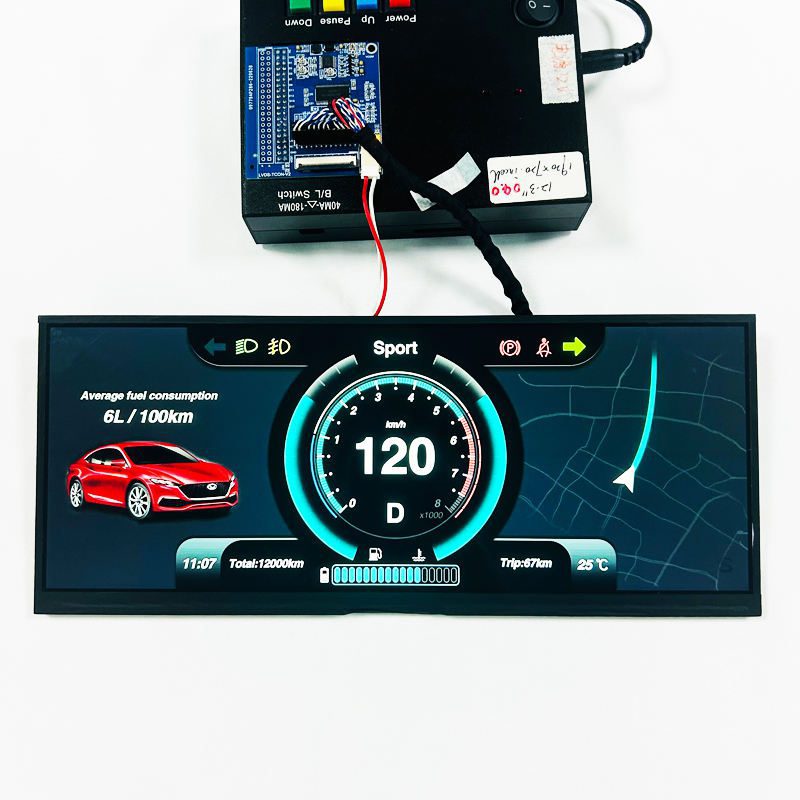
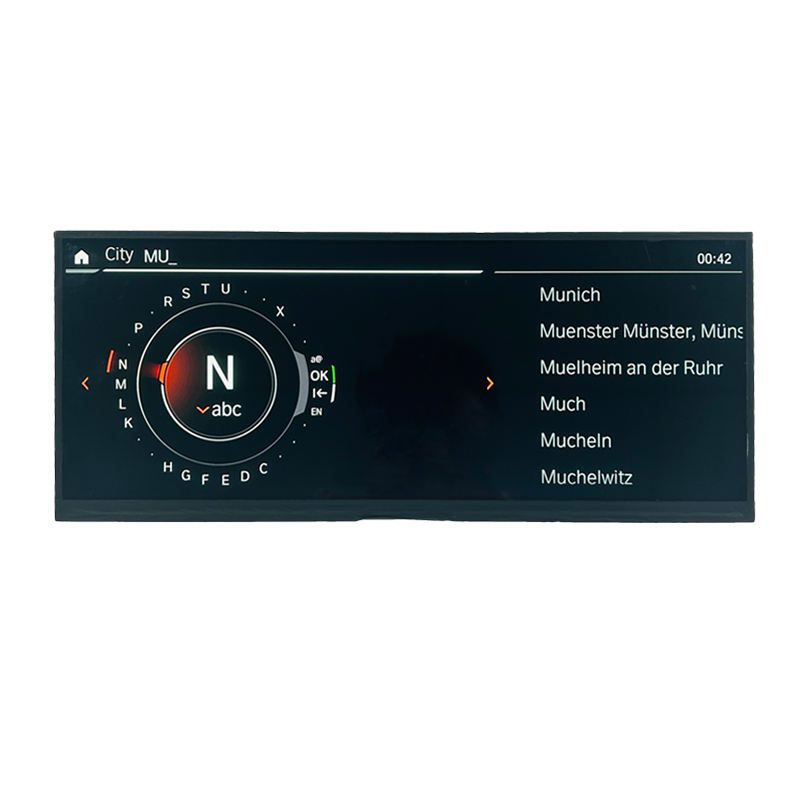
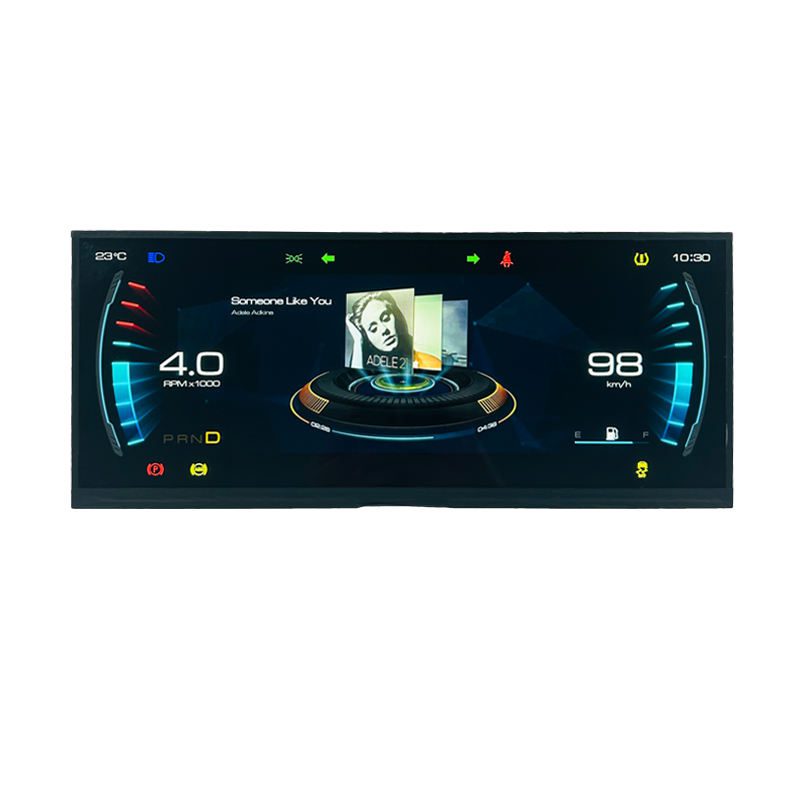
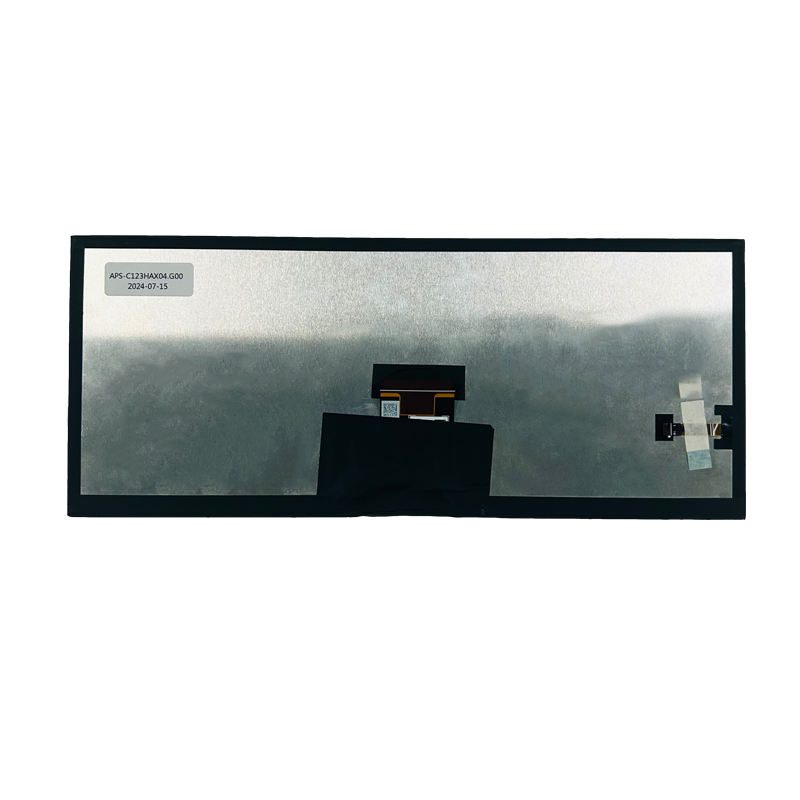
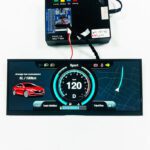
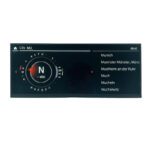
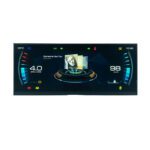
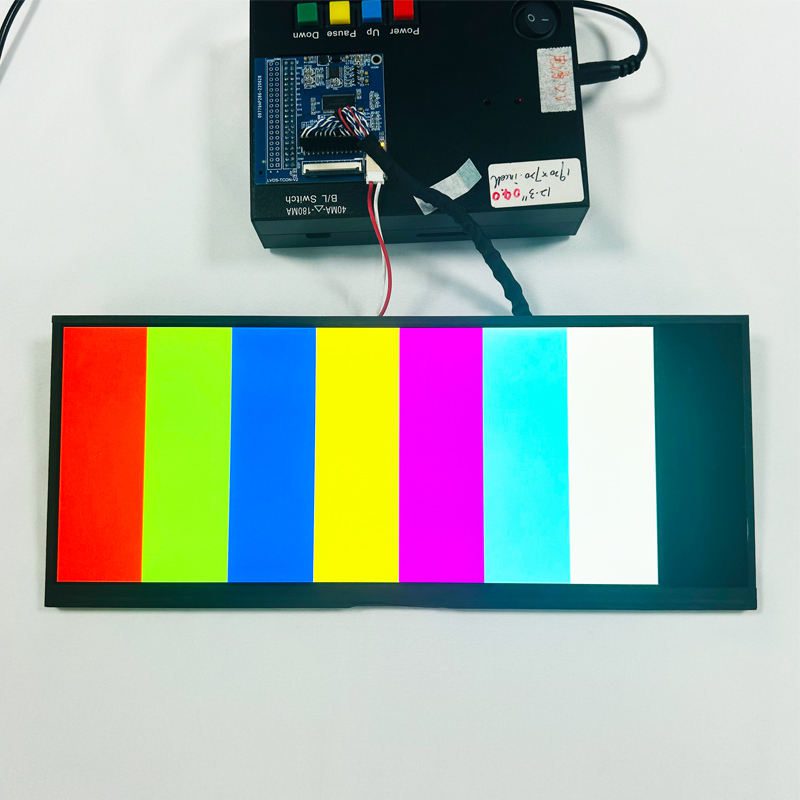
This 12.3 inch automotive display page targets dashboard and vehicle HMI projects where sunlight readability, ultra-wide layout, touch operation, and automotive-style integration matter. The visible product attributes confirm 1000+ nit sunlight-readable brightness class, 12.3 inch size, 1920 x 720 resolution, LVDS interface, and capacitive touch. The page title also identifies a 60-pin LVDS automotive display module. Because the public table does not expose every electrical and mechanical value, the correct B2B handling is to preserve those confirmed facts and request drawing, pinout, touch-controller, cover-glass, and environmental details during RFQ rather than inventing missing specifications.
Automotive Dashboard Fit
A 12.3 inch 1920 x 720 stretched display is typically used where the interface must show speed, battery state, navigation, alerts, climate data, driver-assistance information, or equipment status in a wide horizontal band. It can support automotive dashboards, agricultural machinery, marine helm displays, specialty vehicles, EV charging systems, and industrial control consoles that borrow automotive UI patterns. The ultra-wide format should be chosen because the interface requires lateral data separation, not simply because the screen looks modern.
Brightness and Optical Stack
The confirmed 1000+ nit class brightness is important for sunlight-readable dashboard use, but readability depends on the complete optical stack. Cover glass reflectance, air gap, optical bonding, anti-glare treatment, polarizer selection, backlight thermal design, and dimming behavior all affect field performance. If the panel is used in a parked vehicle or exposed cabin, thermal soak and backlight lifetime should be reviewed before the display is locked into the dashboard structure.
Touch and LVDS Review
The page confirms capacitive touch and LVDS. For production approval, the buyer should define the touch controller, I2C/USB interface, cover lens thickness, glove behavior, wet-touch expectation, ESD requirement, and bonding method. On the display side, LVDS mapping, 60-pin connector detail, cable length, shielding, power sequencing, and EMI layout must be matched to the mainboard. Automotive-adjacent products often fail late because touch, EMI, and cable routing are treated separately instead of as one display subsystem.
Mechanical and Environmental Controls
A 12.3 inch display module must be reviewed with the instrument-panel opening, bracket system, cover lens, cable exit, vibration environment, and service strategy. Temperature range, humidity, sunlight exposure, and shock/vibration requirements should be provided in writing. If the project needs formal automotive-grade qualification, that should be discussed directly; a marketing title alone should not be treated as proof of a complete qualification package.
Procurement Guidance
Use the confirmed size, 1920 x 720 resolution, 1000+ nit class brightness, LVDS interface, PCAP touch, and 60-pin reference in the inquiry. Attach the dashboard drawing, target host board, required samples, expected annual volume, optical-bonding requirement, and any PPAP or validation documents needed. LCDind can then determine whether this module, a modified version, or a related automotive display path is the right fit.
Sample Validation Plan
For an automotive dashboard display, sample testing should include sunlight readability, dimming curve, night-mode brightness, touch behavior through the final cover lens, thermal rise at full brightness, startup at low temperature, and cable stability under vibration. If the product will be installed near a windshield or exposed cabin, test the display in the real dashboard angle because reflection and heat load can change the user experience substantially.
Production Risk Control
The project should define connector pinout, LVDS cable length, touch-controller interface, optical bonding choice, cover-glass specification, and environmental validation requirements before quotation is finalized. If formal automotive documentation is required, state that early. Otherwise the supplier may quote a display module that is electrically suitable but not documented for the buyer's internal vehicle validation process.
Confirmed Product Specifications
These values are preserved from the live product specification table. Any missing mechanical, electrical, optical, or compliance item should be confirmed through drawing, datasheet, sample approval, or LCDind engineering review before production use.
RFQ Checklist
- Target equipment type and application environment.
- Host board interface, voltage, cable direction, and connector requirement.
- Display orientation, active-area window, enclosure drawing, and mounting method.
- Touchscreen, cover lens, anti-glare, optical bonding, or protective glass requirement.
- Sample quantity, forecast annual volume, lifecycle expectation, and approved alternatives policy.
Engineering FAQ
Is every detailed automotive specification shown on the page?
No. The public attributes confirm key selection data, but drawing, connector, pinout, touch controller, and validation requirements should be requested for production review.
Is 1000+ nits enough for dashboard sunlight readability?
It is a strong starting point, but cover glass, bonding, reflection, dimming, and thermal behavior decide the final result.
Can this be used outside cars?
Yes. The same wide high-brightness touch format can fit marine, agricultural, construction, and industrial dashboard projects if the environment is reviewed.
Related Engineering Resources
Engineering Review Note
LCDind supports B2B display sourcing, sample validation, cable and controller review, touch integration, and long-term supply planning. For production projects, send drawings and host-board information with the inquiry so the display can be checked as part of the complete equipment system rather than as an isolated screen size.
Additional information
Engineering FAQ
What is the operating temperature range of this 12.3-inch automotive LCD touch module?
The operating temperature range of this module is -30 ℃ ~ 85 ℃, which can adapt to the harsh temperature environment in the car and ensure stable operation in extreme weather.
What type of touch panel does this product use?
This product is equipped with a CTP capacitive touch panel, which supports multi-touch, with fast response speed and high touch accuracy, and has good anti-interference performance.
What interface does this 1920*720 automotive display module adopt?
It adopts a 60Pin LVDS interface, which has the advantages of low power consumption, low electromagnetic interference and high data transmission rate, and is widely used in automotive electronic systems.
Can this product be customized according to specific needs?
Yes, we provide customization services. According to your specific requirements, we can customize the interface, adjust the brightness, optimize the touch function and other aspects. Welcome to contact us for detailed customization solutions.
What is the brightness of this automotive LCD touch panel?
The brightness of this panel is 1000 nits, which ensures clear visibility even under direct outdoor sunlight, solving the problem of poor visibility of traditional automotive displays in strong light environments.
Shipping and Delivery