13
Description
15.6 Inch 960-Nit Automotive FHD LCD with In-Cell Touch for Vehicle HMI
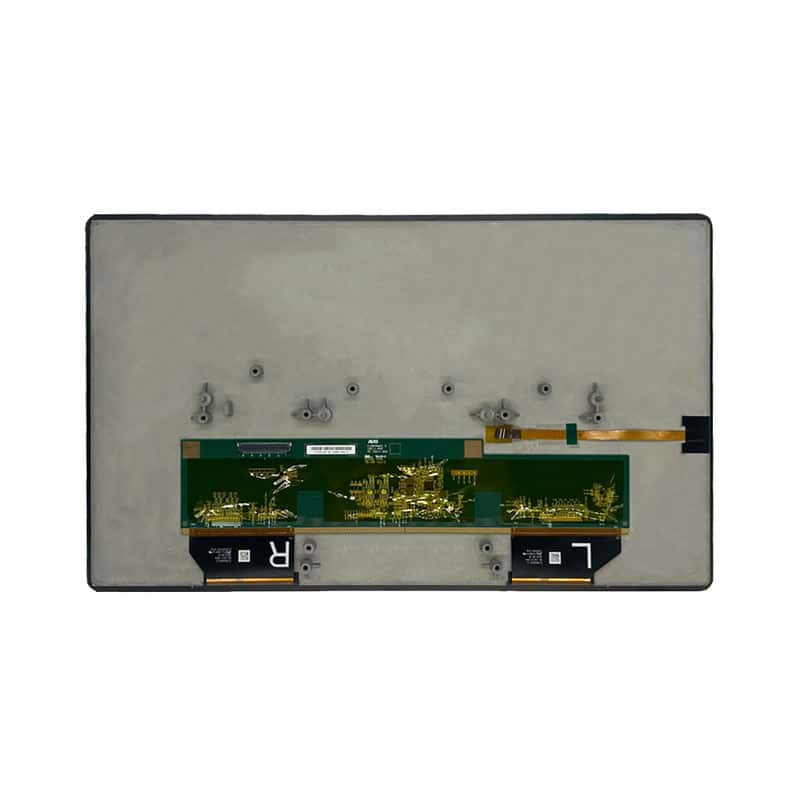
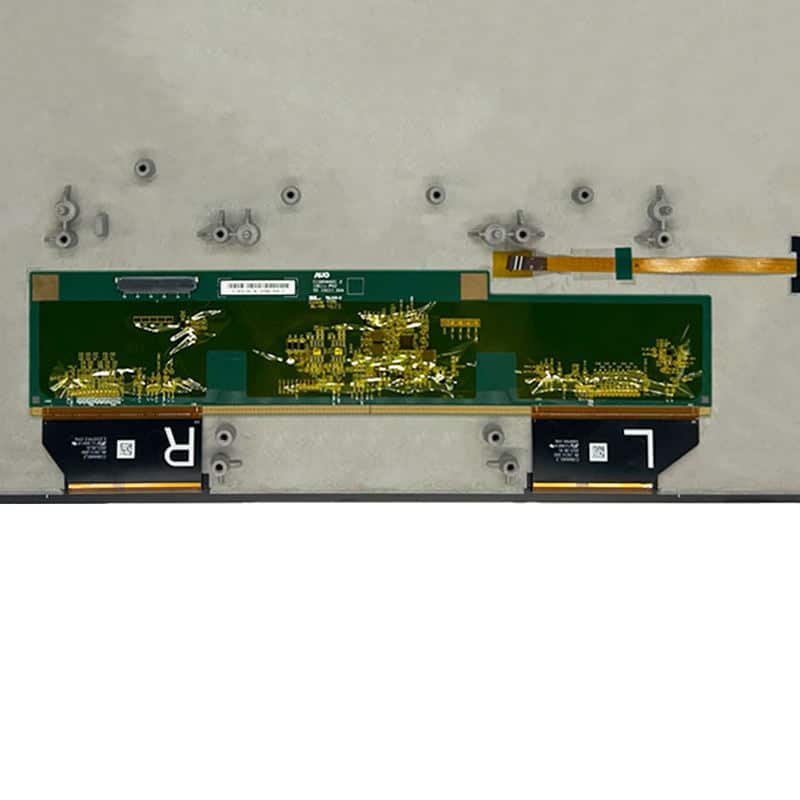
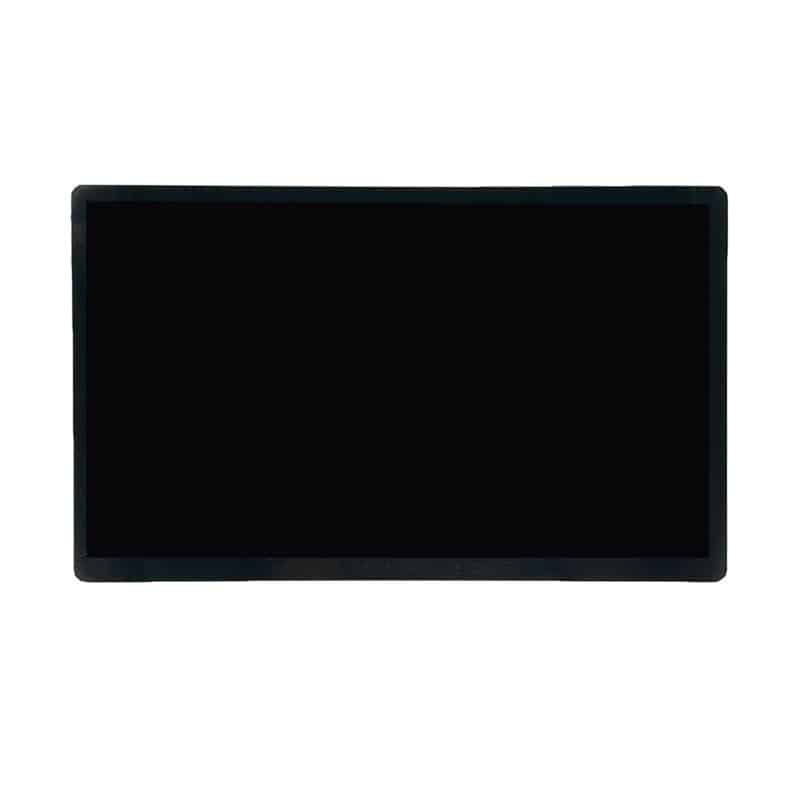
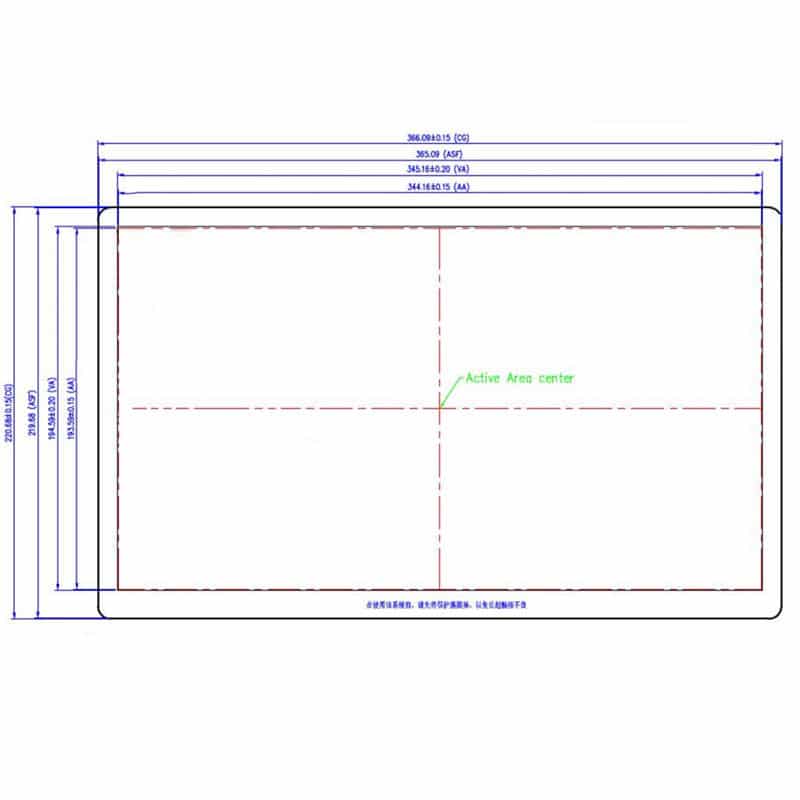
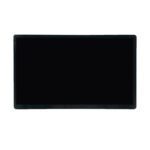
This 15.6 inch automotive LCD display is a high-brightness FHD panel for larger vehicle HMI, passenger information, cockpit, marine, and industrial dashboard systems. The live specification identifies AUO C156HAA01.2, 1920(RGB) x 1080 FHD resolution, 344.16 x 193.59 mm active area, 50-pin LVDS 2-channel 8-bit interface, in-cell fully fit touch solution, 960 nits typical brightness, 1000:1 contrast ratio, and -40°C to 85°C operating temperature. These values make it a serious engineering candidate for harsh display environments, but host, touch, optical, and mechanical compatibility still need project-level validation.
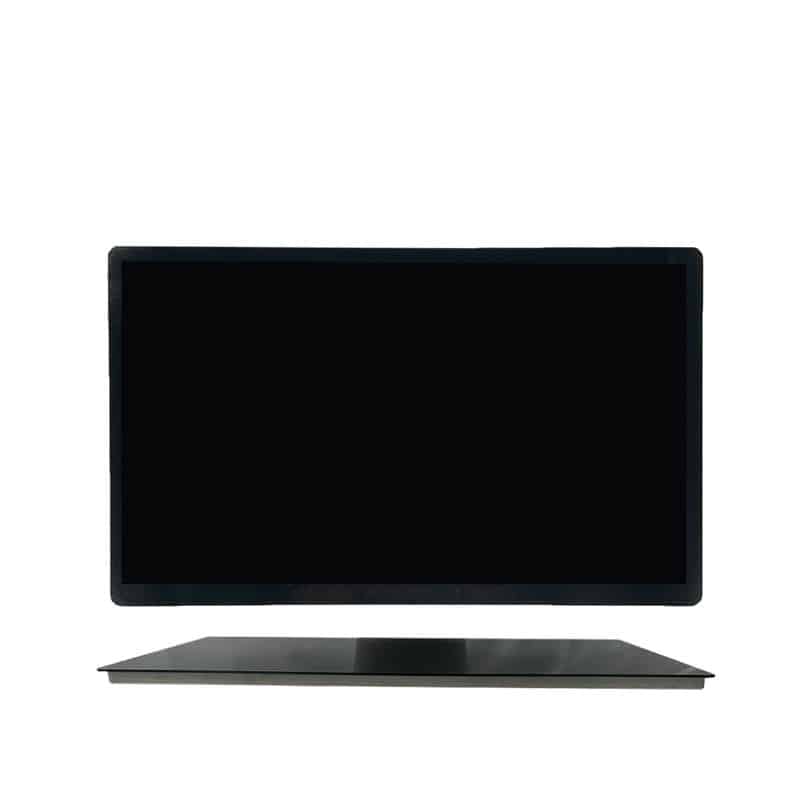
Large Automotive Display Fit
A 15.6 inch FHD automotive LCD is suitable when the product needs more information density than a 12.3 inch cluster. It can support cockpit displays, rear-seat systems, marine navigation, construction-vehicle controls, EV service panels, and industrial command screens. The 1920 x 1080 format is familiar to UI teams, but automotive use adds brightness, thermal, cable, touch, and mechanical demands that do not apply to a normal desktop monitor.
In-Cell Touch and LVDS
The in-cell touch structure and 50-pin LVDS interface should be reviewed together with the mainboard. Confirm display timing, two-channel LVDS mapping, 8-bit data path, touch protocol, reset behavior, grounding, and cable length. For vehicle installations, the cable route may pass near noisy power electronics or motors, so signal integrity and EMI protection should be considered before sample sign-off.
Brightness and Temperature
The 960-nit typical brightness and -40°C to 85°C operating range support bright cabin and severe environment projects. However, high brightness creates heat. The final enclosure should be tested for backlight temperature, dimming performance, contrast at angle, and long-duration operation. If the display is placed behind cover glass, anti-glare and bonding choices can decide whether the screen remains readable in daylight.
Mechanical Review
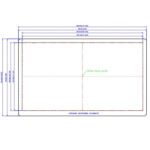
The active area of 344.16 x 193.59 mm should be matched to the dashboard opening, cover lens, bracket, gasket, and service method. Large displays can suffer from frame stress, lens reflection, uneven bonding, and cable strain. If the module is part of a finished front assembly, define whether LCDind should support bonding, touch integration, harnessing, or only supply the display module.
Procurement and Lifecycle
Use the AUO C156HAA01.2 model, FHD resolution, 960-nit brightness, in-cell touch, 50-pin LVDS interface, and temperature range in the RFQ. For automotive or industrial vehicle programs, state validation requirements, forecast volume, service life, and whether equivalent alternatives may be qualified. This prevents sourcing decisions from being made only on diagonal size and brightness.
Display Size and Thermal Tradeoff
A 15.6 inch 960-nit FHD display offers more UI area than a 12.3 inch dashboard display, but it also places a larger thermal and mechanical load on the product. Review backlight heat, mounting stiffness, cover-glass reflection, and cable length at the same time. In a vehicle or marine cabin, large display surfaces can create glare or heat concentration if the optical stack and dimming behavior are not tuned.
Ordering Notes for AUO-Based Programs
When requesting this AUO model, include whether exact model continuity is mandatory or whether LCDind may propose compatible alternatives if supply changes. For production programs, the approved model, interface cable, touch behavior, and inspection standard should be documented so future lots can be compared against the original qualification sample.
Project Validation Plan
Before mass production, validate the display with the real host board, cable, enclosure, front lens, power supply, thermal path, and software build. Record the approved sample configuration and keep photos or drawings for later repeat orders. This avoids the common problem where a display passes a bench test but fails after the final cover glass, harness, or firmware is introduced.
Production Risk Control
For a B2B display project, the main risks are usually interface mismatch, optical loss, cable change, uncontrolled substitutions, and unclear acceptance criteria. Define the approved panel model, electrical interface, mechanical drawing, cosmetic standard, packaging method, and revision notice process before the first production order. If alternatives are acceptable, qualify them before supply pressure occurs.
Confirmed Product Specifications
| Feature | Specification |
| Model Name | AUO C156HAA01.2 |
| Resolution | 1920(RGB) x 1080, FHD |
| Active Area | 344.16 x 193.59 mm |
| Interface | 50-Pin LVDS (2ch, 8-bit) |
| Touch Solution | In-Cell Touch (Fully Fit) |
| Brightness | 960 nits (Typ.) |
| Contrast Ratio | 1000:1 (Deep Blacks) |
| Temp Range | -40 ~ 85°C (Operating) |
These values are preserved from the live product specification table. Any missing drawing, connector, firmware, optical, touch, or compliance item should be confirmed through LCDind engineering review before production use.
RFQ Checklist
- Target equipment, installation environment, and display duty cycle.
- Host board, interface mapping, connector, cable length, and voltage requirements.
- Mechanical drawing, active-area opening, cover lens, touch structure, and bonding requirement.
- Brightness, viewing angle, operating temperature, vibration, and sunlight-readability expectations.
- Sample quantity, annual forecast, customization scope, lifecycle plan, and approved alternative policy.
Engineering FAQ
Is this display for automotive use only?
No. It can also fit marine, industrial vehicle, and rugged HMI systems when the environment and interface are validated.
Does in-cell touch require special review?
Yes. Touch support, host firmware, grounding, cable, and EMI behavior should be checked with the target system.
Can LCDind quote a full assembly?
A full assembly may include display, touch, cover lens, bonding, cable, and packaging, depending on drawing and quantity.
Related Engineering Resources
Engineering Review Note
LCDind supports B2B LCD selection, touch integration, cable and controller review, sample validation, and long-term supply planning. For production projects, send drawings and host-board information with the inquiry so the display is checked as part of the complete equipment system rather than as an isolated screen size.
Additional information
| Brand | AUO LCD Panels |
|---|---|
| Brightness | High Brightness (500-900 nits) |
| Interface | LVDSSpecify LVDS industrial TFT LCD modules by size, resolution, channel count, JEIDA/VESA mapping, pinout, brightness, touch, temperature and annual quantity. |
| Resolution | 1920×1080 |
| Size | 15.6 inch |
| Viewing Angle | IPS / AHVA (80/80/80/80) |
| Touch Tech | In-Cell Capacitive Touch (TDDI) |
| Panel Model | C156HAA01.2 |
About brand
Browse AUO LCD panel listings as a starting point for model sourcing. Confirm the complete part number, suffix, datasheet, interface, brightness, temperature range, quantity and required delivery date before quotation.Need cross-brand comparison, EOL review or an alternative model assessment? Read our industrial LCD panel brand sourcing guide.AUO trademarks belong to their owner. Listings do not imply official authorization or guarantee stock, lifecycle, or replacement compatibility.
Technical FAQ
Q: What makes this 15.6-inch display suitable for extreme cold environments?
Unlike standard automotive displays that typically operate down to -30°C, this AUO C156HAA01.2 module is rated for -40°C to +85°C. This expanded low-temperature range is critical for specialized vehicles like snow groomers, mining trucks in high altitudes, or military equipment, ensuring instant start-up and fluid response times without heating pads.
Q: How does In-Cell Touch improve outdoor visibility compared to optical bonding?
In-Cell technology integrates the touch sensor directly into the LCD cell structure. By eliminating the separate touch glass layer and the optical adhesive typically used in bonding, we achieve higher light transmittance. Combined with the 960 nits high brightness backlight, this results in superior sunlight readability and reduced internal reflections compared to traditional stack-ups.
Q: What interface does this module use? Do you provide a driver board?
This display utilizes a 50-Pin LVDS interface (2-channel, 8-bit). While it follows industry-standard pinouts, the In-Cell touch data is also transmitted via this interface (TDDI). We strongly recommend consulting with our engineering team for the correct initialization code and compatible HDMI-to-LVDS driver board solutions to ensure seamless touch integration.
Q: Can this screen withstand vehicle vibrations?
Yes. As an original AUO automotive-grade panel, it is designed to meet rigorous AEC-Q100 standards for vibration and thermal shock. The fully fit (In-Cell) structure is inherently more robust against vibration than screens with heavy cover glass bonded on top, reducing the risk of delamination over time.
Shipping and Delivery