13
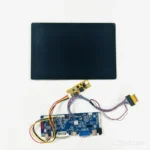
Description
10.1-Inch 1000-Nit Sunlight Readable LCD Module for Industrial Equipment
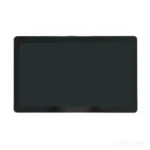
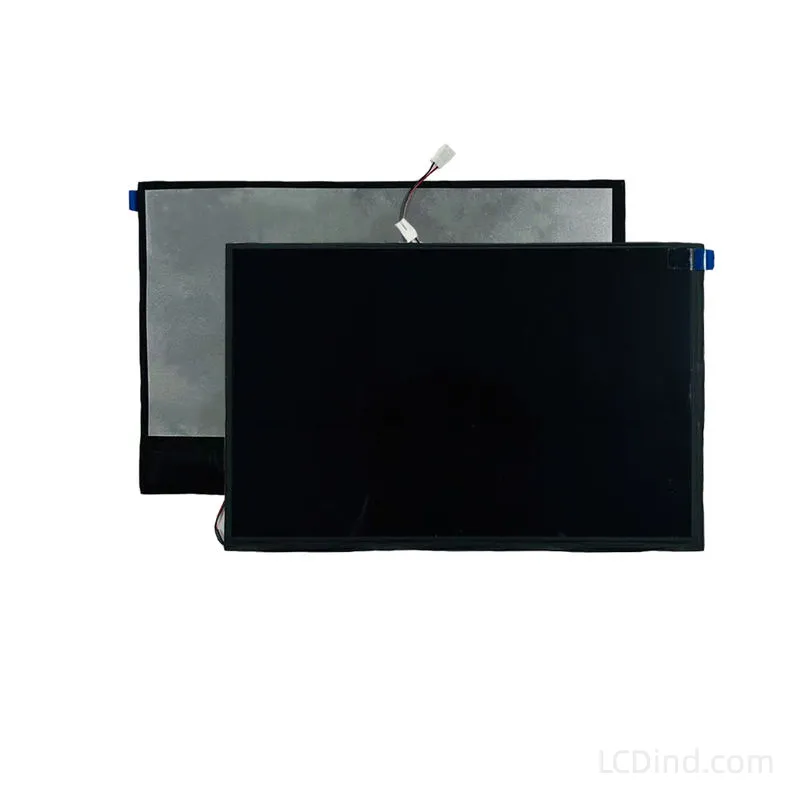
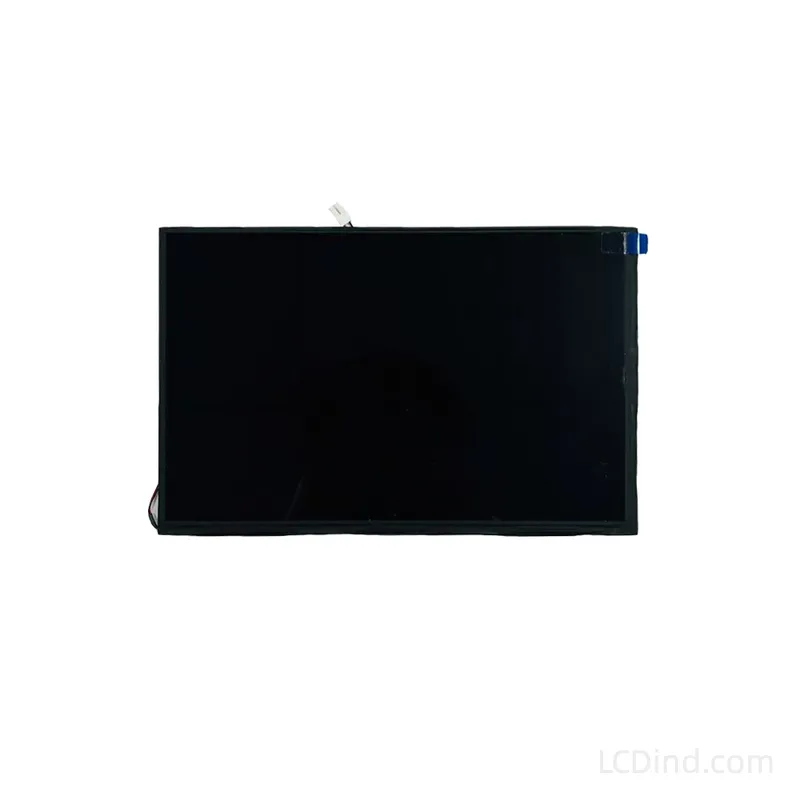
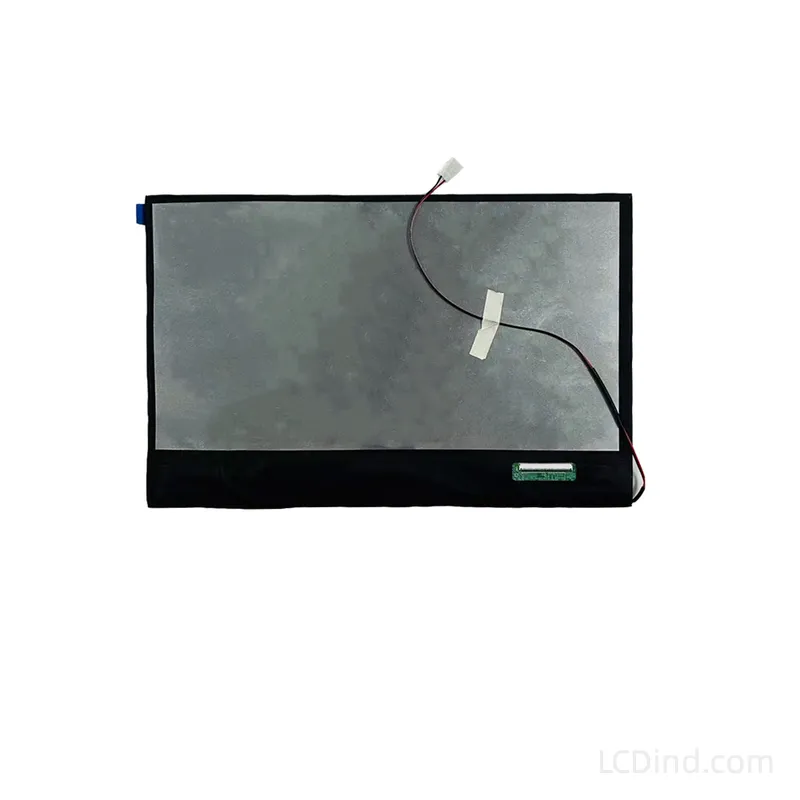
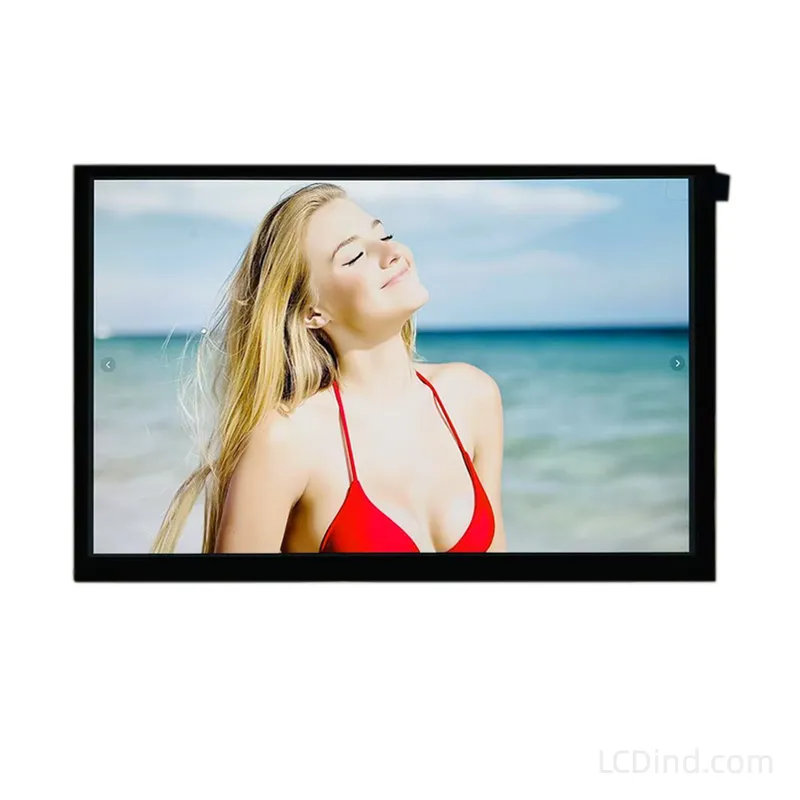
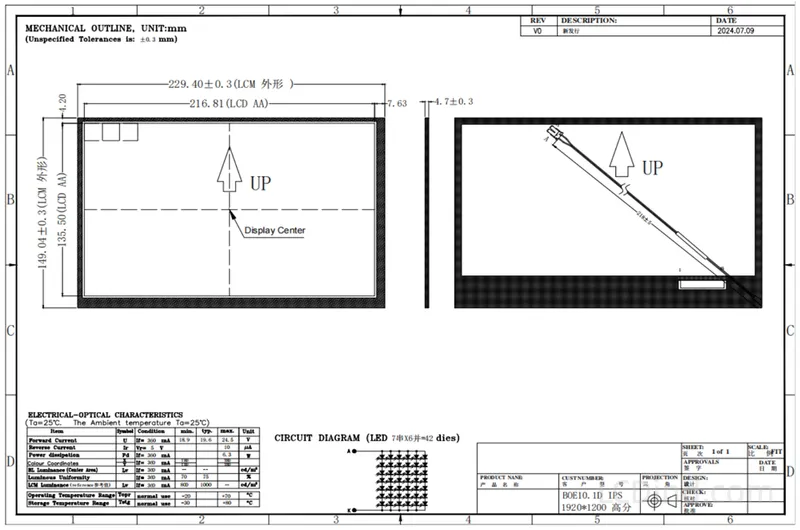
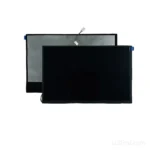
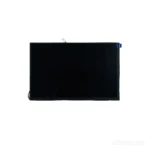
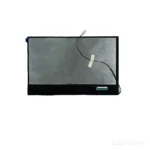
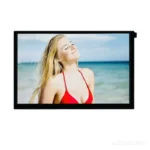
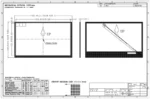
This 10.1 inch 1000 nits LCD module is a sunlight-readable WUXGA display option for industrial equipment, outdoor terminals, marine or vehicle systems, and high-resolution operator panels that need strong brightness and a detailed 1920 x 1200 image. The confirmed table data includes 10.1 inch panel size, 1920 x 1200 resolution, 1000 cd/m² brightness, 800:1 typical contrast ratio, 80/80/80/80 IPS viewing angle, LVDS 45-pin interface, 216.8064(H) x 135.504(V) mm active area, 229.4(H) x 149.04(V) x 4.7(D) mm outline dimension, 0.11292 x 0.11292 mm pixel pitch, -20°C ~ +70°C operating temperature, -30°C ~ +80°C storage temperature, and WLED side-light backlight.
Technical Specifications
| Panel Brand | LCDind / OEM |
|---|---|
| Panel Size | 10.1 Inch |
| Resolution | 1920 x 1200 (WUXGA) |
| Brightness | 1000 cd/m² (Sunlight Readable) |
| Contrast Ratio | 800:1 (Typ.) |
| Viewing Angle | 80/80/80/80 (IPS) |
| Interface | LVDS (45 Pins) |
| Active Area | 216.8064(H) x 135.504(V) mm |
| Outline Dimension | 229.4(H) x 149.04(V) x 4.7(D) mm |
| Pixel Pitch | 0.11292 x 0.11292 mm |
| Operating Temperature | -20°C ~ +70°C |
| Storage Temperature | -30°C ~ +80°C |
| Backlight Type | WLED (Side-light type) |
Sunlight-Readable Positioning
The 1000 cd/m² brightness makes this module relevant for projects where a standard indoor panel would lose readability under high ambient light. It is not enough to select the panel by brightness alone. Engineers should also review cover glass, air bonding or optical bonding, anti-glare treatment, thermal path, backlight drive, and whether the display will face direct sun, indirect daylight, or bright factory lighting. The final optical result depends on the complete display stack.
Resolution and UI Use
The 1920 x 1200 WUXGA resolution provides more vertical workspace than 1920 x 1080 and is useful for industrial dashboards, diagnostic screens, mapping interfaces, measurement data, video windows, and multi-row control panels. The 0.11292 x 0.11292 mm pixel pitch supports detailed UI rendering when the operator views the screen at close or medium distance. UI teams should design with industrial readability in mind: high contrast, clear hierarchy, and touch targets if a cover touch solution is added.
Mechanical Integration
The 229.4(H) x 149.04(V) x 4.7(D) mm outline and 216.8064(H) x 135.504(V) mm active area should be checked against the housing, mounting frame, cover glass, gasket, and cable exit. A high-brightness 10.1 inch panel may require more thermal attention than a low-brightness indoor screen. The mechanical design should allow heat dissipation and avoid pressure points that can create mura, light leakage, or long-term optical stress.
LVDS Interface Planning
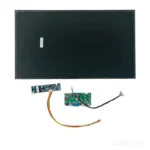
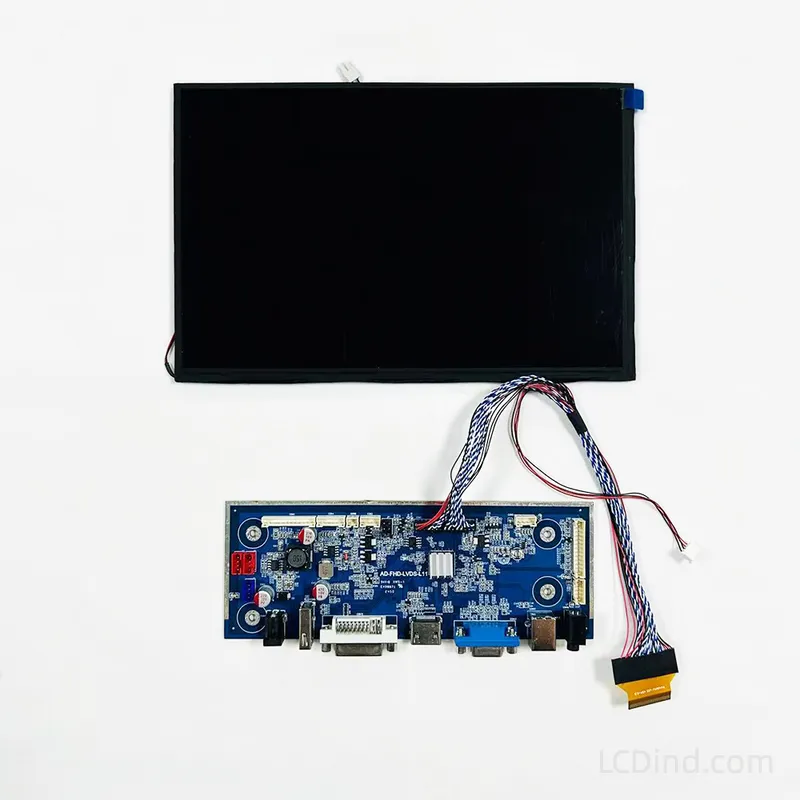
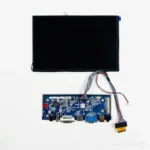
The confirmed interface is LVDS with 45 pins. Engineers should verify pin assignment, signal mapping, cable length, connector type, voltage rails, backlight control, and compatibility with the host controller board. If the project uses HDMI, eDP, or a single-board computer, a controller board or adapter strategy should be reviewed during RFQ rather than assumed after samples arrive.
Application Scenarios
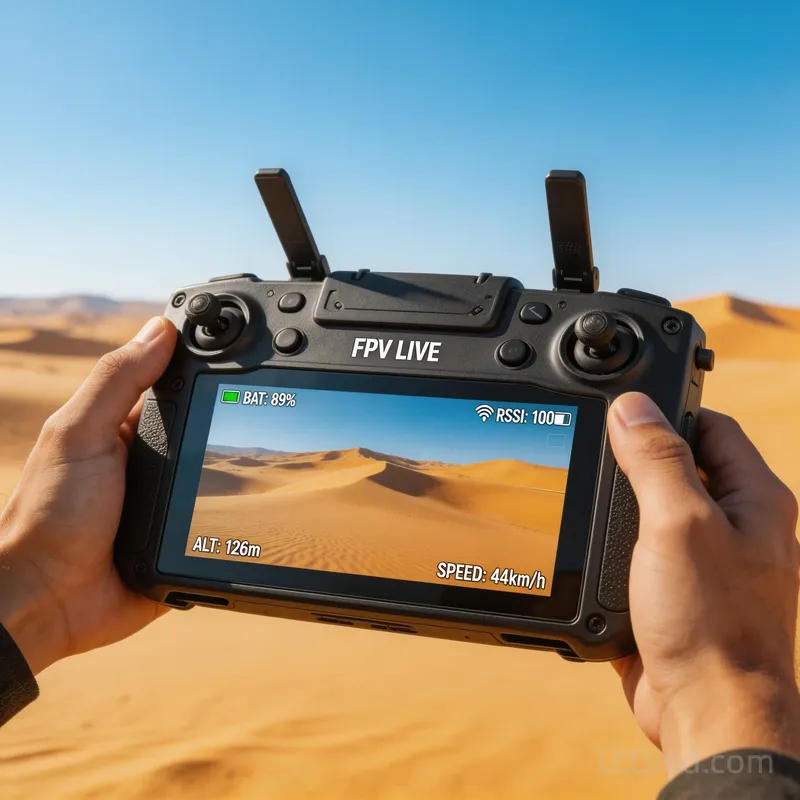
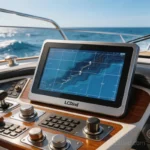
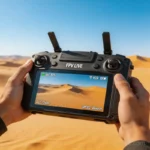
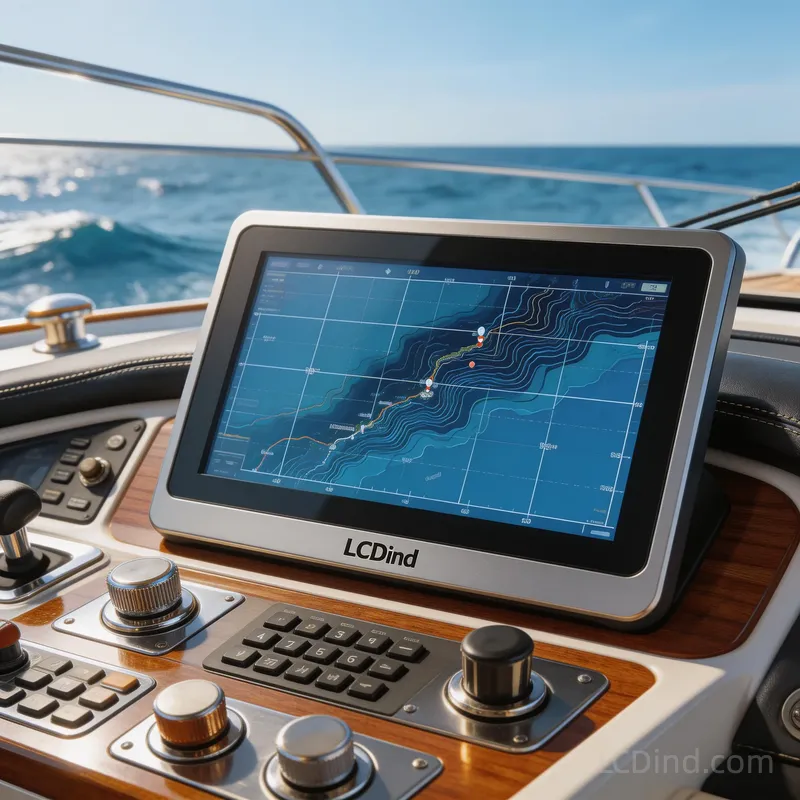
This module can fit outdoor kiosks, industrial HMIs, vehicle-mounted terminals, marine control displays, medical carts, charging equipment, inspection stations, rugged tablets, and equipment panels where operators need daylight readability and high information density. The IPS viewing angle helps when the screen is viewed by operators standing at different positions, but final performance should still be checked with the actual cover and installation angle.
Procurement and Quality Control
Use SKU LCD101BUN45L100A and the full table data when requesting quotation. Procurement should specify annual volume, target environment, cover glass, touch requirement, bonding method, controller requirement, and whether the product needs long-term supply. Quality review should include brightness uniformity, thermal behavior, pixel criteria, backlight stability, mechanical fit, and packaging for larger fragile panels.
Customization Scope
LCDind can review touch integration, cover glass, AG/AR/AF coating, optical bonding, controller board matching, cable selection, brightness tuning, and inspection standards. For sunlight-readable applications, bonding and cover selection can be as important as the panel itself. Share the complete display assembly requirement so LCDind can advise a production-ready configuration.
High-Brightness System Design
A 1000 cd/m² panel should be designed as part of a complete sunlight-readable display system. The panel brightness is only one input. Reflection from the cover glass, air gap, touch sensor, protective coatings, and mounting angle can reduce effective readability. In many industrial projects, optical bonding or anti-glare treatment becomes important because it reduces internal reflection and improves contrast. The RFQ should therefore describe the complete front stack instead of asking only for a 10.1 inch high-brightness panel.
Thermal and Backlight Management
High brightness usually brings higher backlight power and thermal load. The mechanical design should provide a heat path and avoid sealing the panel in a way that traps heat near the backlight. Engineers should test brightness stability, color shift, startup behavior, and thermal performance at the highest expected ambient temperature. If the screen will be used in vehicles, kiosks, charging equipment, or outdoor cabinets, thermal review should be treated as a core design item rather than a later reliability check.
Controller and Cable Planning
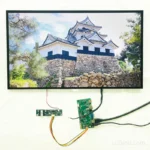
The LVDS 45-pin interface must be matched to the host system. If the project uses an embedded computer with HDMI or eDP output, a controller board may be required. Cable length, connector locking, grounding, and electromagnetic noise should be checked before enclosure tooling. For rugged or mobile equipment, the display connection should also be reviewed for vibration and service access. A technically correct panel can still fail project approval if the controller-board strategy is not defined early.
Industrial Application Qualification
For outdoor terminals, marine panels, industrial HMIs, or vehicle systems, approval should include daylight readability, night dimming, touch operation if required, condensation risk, cover-glass strength, and operator viewing angle. The 80/80/80/80 IPS viewing angle is useful, but real installations can add reflections and shadows. A sample should be tested in the intended mounting position with the planned enclosure and cover material.
B2B Purchasing Notes
Use SKU LCD101BUN45L100A and the confirmed WUXGA, brightness, LVDS, active-area, outline, and temperature data. Purchasing should request drawings, electrical interface details, backlight information, customization options, and supply expectations. If the panel is part of a certified system, avoid changing display configuration after compliance or customer approval unless the replacement is reviewed and documented.
RFQ Checklist
- Target quantity, annual forecast, and sample schedule.
- Mechanical drawing with active area, outline, mounting, and cable route.
- Host board, interface timing, voltage rails, and controller-board requirement.
- Brightness, lens, bonding, touch, and operating-environment requirements.
- Inspection standard, packaging requirement, and revision-control expectation.
Engineering FAQ
Is 1000 cd/m² always sunlight readable?
It is a strong sunlight-readable brightness class, but final readability depends on bonding, cover reflectance, anti-glare treatment, heat, and installation angle.
What interface is confirmed?
The table lists LVDS (45 Pins). Any HDMI, eDP, or controller-board requirement should be reviewed separately.
Can this panel support touch?
Touch is not defined in the table. Capacitive touch, cover glass, and bonding can be reviewed as customization requirements.
What should be included in an RFQ?
Send target quantity, application, enclosure drawing, interface/controller plan, cover glass, touch requirement, operating environment, and brightness expectations.
Engineering Review Note
For quotation, send the product URL, target application, required quantity, and any existing drawing or replacement panel details. LCDind will review whether the standard configuration fits or whether interface, backlight, FPC, cover glass, touch, bonding, or controller-board customization should be quoted.
Additional information
About brand
Source OEM / ODM LCD panels for OEM, replacement and industrial integration projects. Submit size, resolution, interface, brightness, lifecycle and annual quantity for review.
Engineering FAQ
Q: What is the difference between this 1000 nits model and the 850 nits Aptus model?
The primary difference is brightness and cover glass. This model offers higher brightness (1000 nits vs 850 nits) for extreme sunlight conditions but comes as a standard open-frame module. The Aptus model features a pre-bonded Gorilla Glass touch screen, focusing more on impact protection.
Q: Will 1000 nits cause the display to overheat?
High brightness LEDs do generate heat. However, this module uses an efficient side-light LED bar design. For enclosed chassis, we recommend ensuring the back of the metal frame has contact with a thermal dissipation surface or sufficient airflow to maintain the unit within the -20~70°C operating range.
Q: Can I dim the backlight at night?
Yes. If used with our compatible AD-FHD-LVDS driver board, the backlight supports PWM dimming functionality, allowing you to reduce brightness for night-time operation to prevent user blindness.
Q: Is this screen compatible with Raspberry Pi?
Yes, but not directly via the GPIO. You will need the HDMI-to-LVDS driver board (included in the kit option). Once connected via HDMI, you must configure the `config.txt` file on the Raspberry Pi to output 1920x1200 resolution for the correct aspect ratio.
Q: What is the power consumption?
Due to the high-brightness backlight, power consumption is higher than standard panels. Please ensure your power supply can deliver at least 12V/2A to the driver board to ensure stable operation at full 100% brightness.
Shipping and Delivery