
13

3D Printer LCD
Showing all 15 results
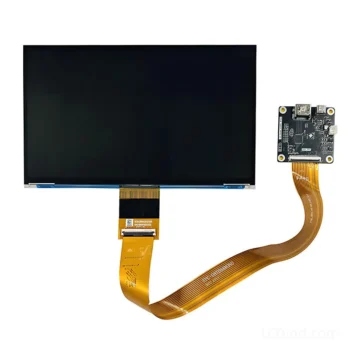
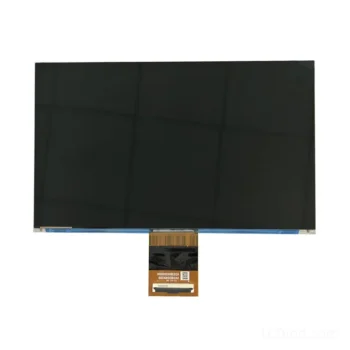
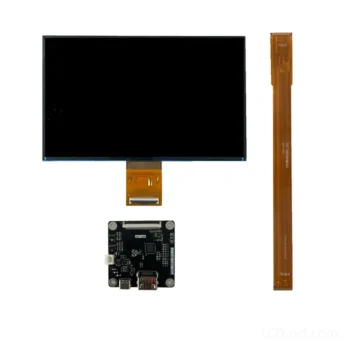
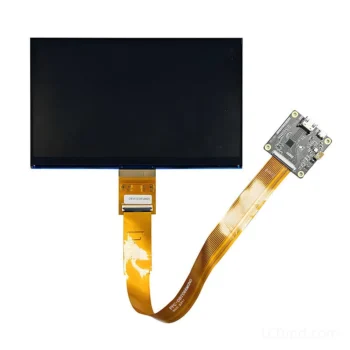
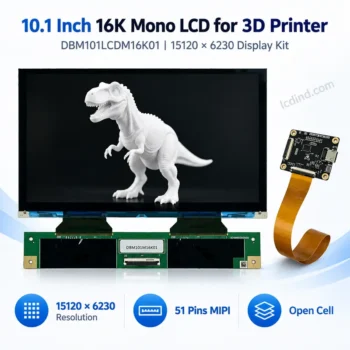
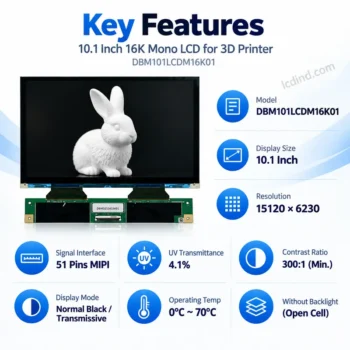
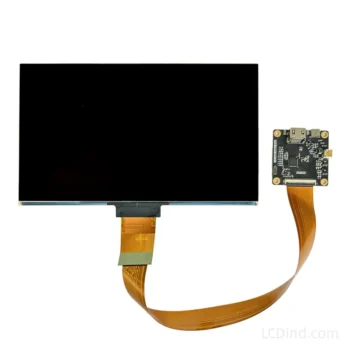
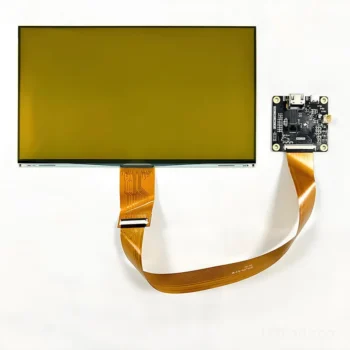
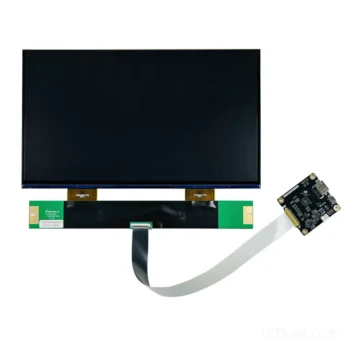
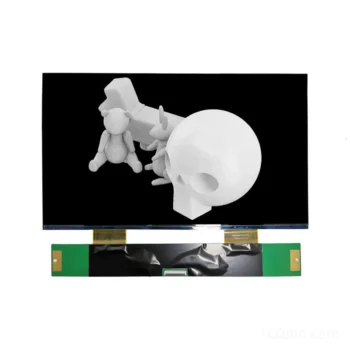
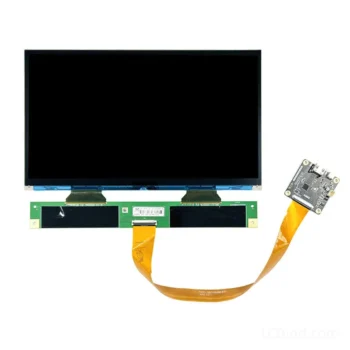
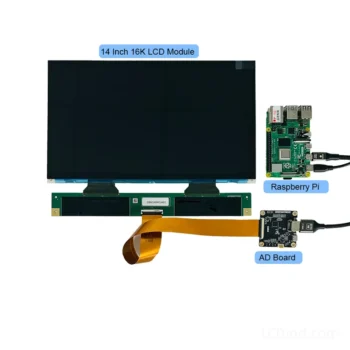
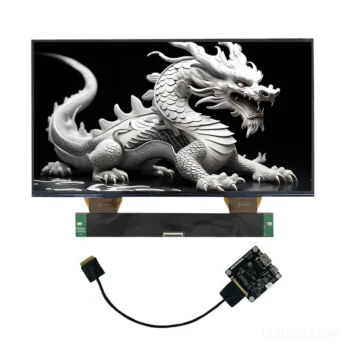
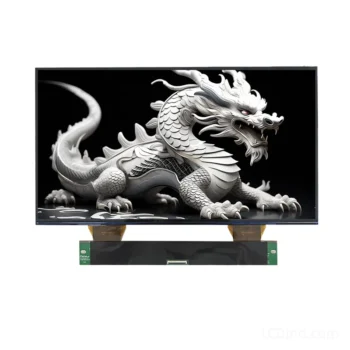
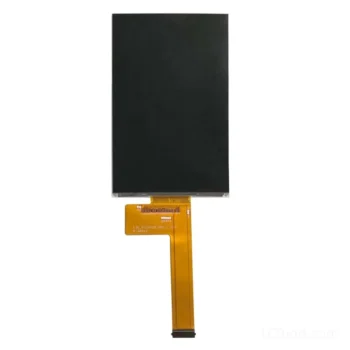
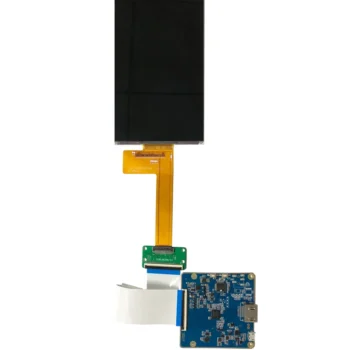
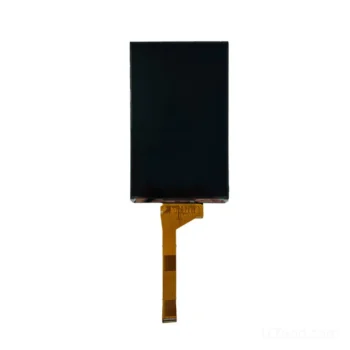
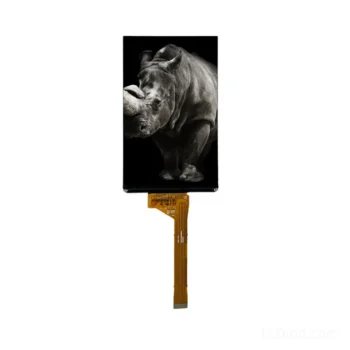
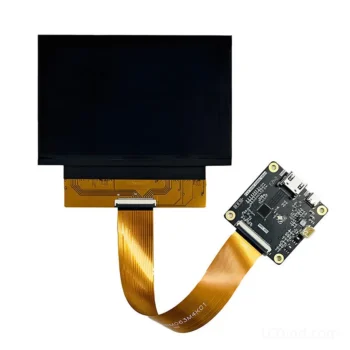
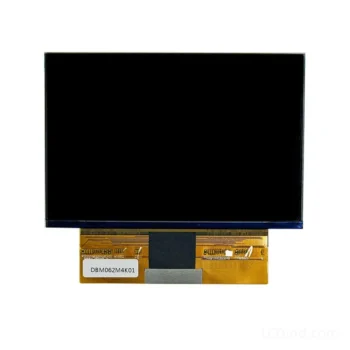
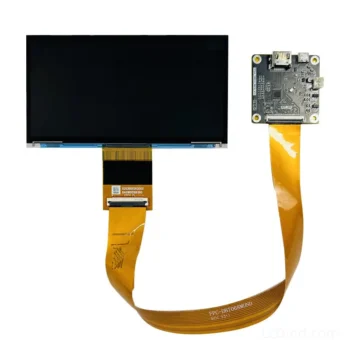
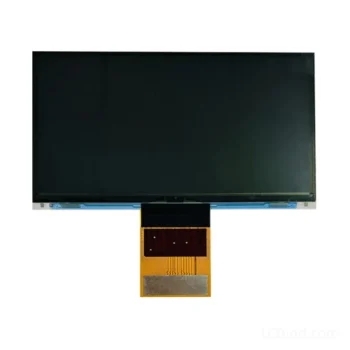
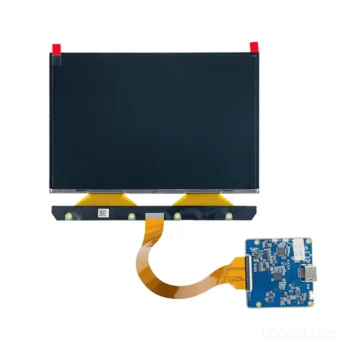
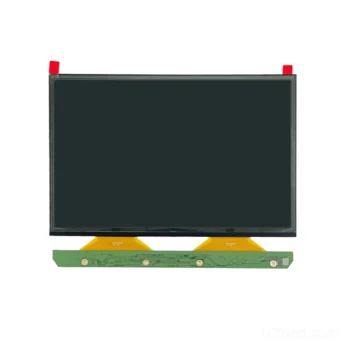
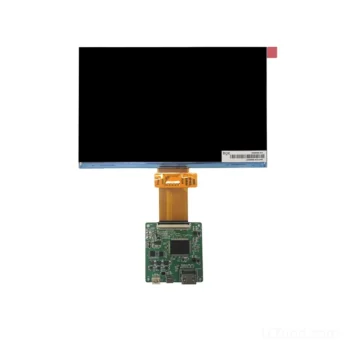
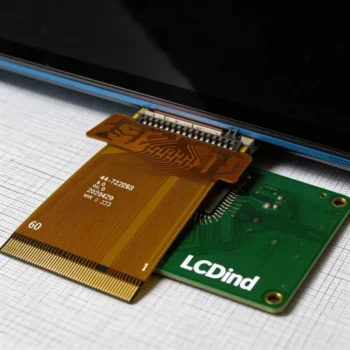
MSLA Mono LCD Product Selection
Select the Screen Around the Printer Light Engine
LCDind supplies monochrome masking LCDs for MSLA printer development, production replacement and service programs. Shortlisting should begin with the usable build area, pixel pitch, glass and connector geometry, interface, driver compatibility and 405 nm optical requirements. A marketing label such as 8K, 12K, 14K or 16K does not establish interchangeability or finished-print resolution by itself.
Use the products above to identify a size and resolution class, then confirm the exact screen suffix and production configuration before approving the mechanical design or purchasing volume.
Resolution Must Be Read With Active Area and Pixel Pitch
| Selection item | What the OEM should compare | Integration risk |
|---|---|---|
| Active area | Usable X/Y dimensions and orientation relative to the build platform | The same diagonal size can have a different printable area or aspect ratio. |
| Pixel matrix | Exact horizontal × vertical pixels, not only a rounded K class | K labels are not standardized replacement identifiers. |
| Pixel pitch | Active dimension divided by pixel count, confirmed by the controlled drawing | A larger high-resolution screen may have a different pitch from a smaller screen with a lower K label. |
| Optical resolution | Pixel aperture, light angle, collimation, gap to release film and resin response | Nominal pixels do not guarantee the same cured feature size throughout the build plane. |
Mechanical and Electrical Replacement Check
For a replacement project, send the full original LCD model, label photographs, printer model, controller-board revision and cable information. Compare outline, active area position, thickness, edge steps, exposed glass, polarizer tabs, connector position, FPC direction and keep-out zones. Confirm how the LCD is supported and sealed; glass stress from an incorrect frame or adhesive can cause mura or breakage.
Electrical review includes interface type, lane count, pinout, supply rails, reset and control signals, timing, initialization sequence and driver-board firmware. A connector that physically fits does not confirm MIPI, eDP or LVDS compatibility. Polarizer orientation and image polarity must also match the optical design.
405 nm Performance Belongs in the Product Specification
Request the measurement conditions for open-state transmission, dark leakage and uniformity. The LED wavelength, spectral width, incident angle, polarization, mask state and measurement position affect the result. Printer validation should map irradiance through the completed LCD across the usable build area rather than relying on the source wattage or one center reading.
Higher transmission can help shorten exposure or reduce source output for a target resin dose, but the printer manufacturer must define the operating point. For the engineering relationship between irradiance, temperature and useful life, see the Mono LCD lifetime and 405 nm transmittance guide.
Screen, Driver Board and Firmware Must Be Qualified Together
New printer platform
Freeze the LCD and controller architecture early enough to validate initialization, mask polarity, orientation, frame timing, thermal path and production sourcing.
Replacement program
Separate exact-screen supply from an engineered alternative. Any alternative requires mechanical, electrical, optical and printer-level sample testing.
Resolution upgrade
A higher-resolution screen may require a different driver, firmware, data bandwidth, FPC, mounting and calibration. Treat it as a system change, not a panel swap.
Information Required for Sample and Quotation Review
| Printer platform | Printer model, new design or replacement, build area, resin family and target production date. |
|---|---|
| Current hardware | Original LCD suffix, driver-board revision, firmware, connector/pinout and photographs. |
| Display target | Active area, outline, resolution, pixel pitch, interface, glass and polarizer orientation. |
| Light engine | Peak wavelength and spectrum, incident irradiance map, optical geometry and cooling conditions. |
| Validation | Open/dark optical limits, uniformity, pixel defects, lifetime criteria and reference-print method. |
| Commercial scope | Sample quantity, annual forecast, service demand, lifecycle and delivery schedule. |
3D Printer Mono LCD Selection FAQ
Does a higher K value always produce finer MSLA prints?
No. Compare pixel pitch and usable active area rather than the K label alone. Optical divergence, focus, resin behavior, mechanics and motion control also affect printable feature quality.
Can a mono LCD with the same size and resolution replace the original screen?
Not automatically. Confirm outline, active area, glass thickness, connector, pinout, interface, timing, initialization, polarizer orientation, driver board and 405 nm optical performance in the target printer.
What should an OEM provide for a mono LCD quotation?
Provide the printer model, current screen and board information, mechanical drawing, resolution and pixel pitch, interface, LED wavelength and irradiance, cooling arrangement, sample quantity, annual forecast and validation criteria.
Request a Screen Match or New-Platform Review
Send the controlled screen and board information, light-engine conditions, quantities and validation target. LCDind will confirm available standard modules or identify the adaptation scope before quotation.
Upgrade your 3D printer with our durable Monochrome LCD panels. Compared to standard RGB screens, our mono screens offer 4x longer lifespan and significantly shorter layer exposure times. Compatible with popular 3D printer mainboards. We also supply UV LED light sources and MIPI adapter boards.