Industrial Touch Screen Display Module Selection
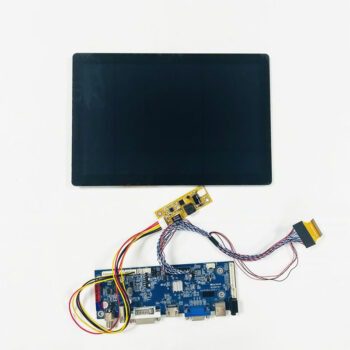
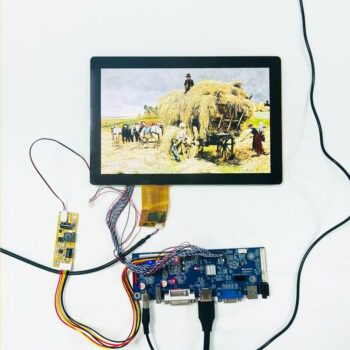
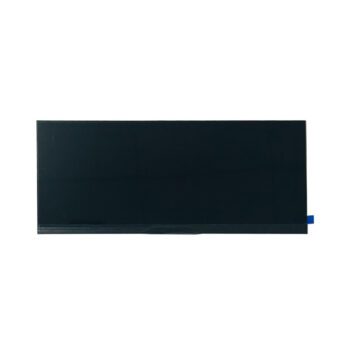
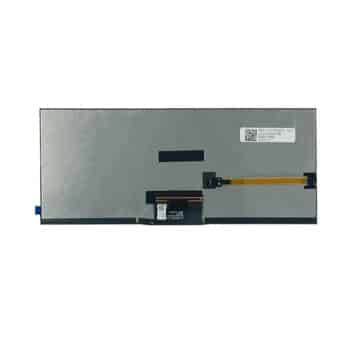
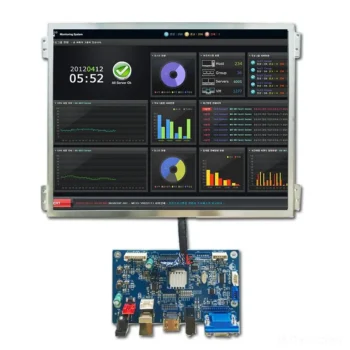
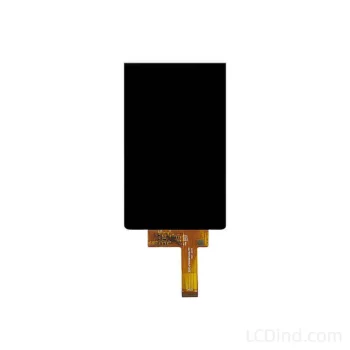
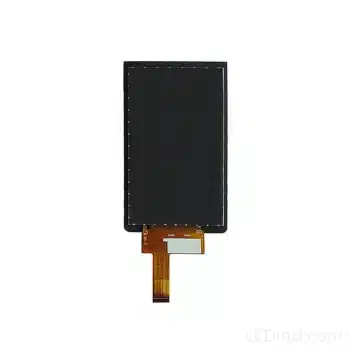
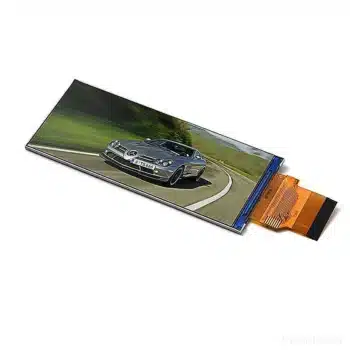
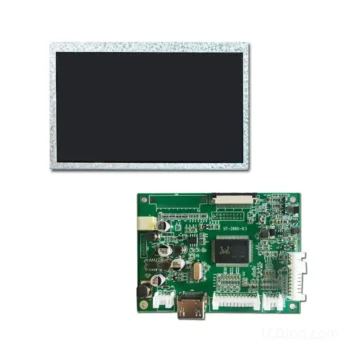
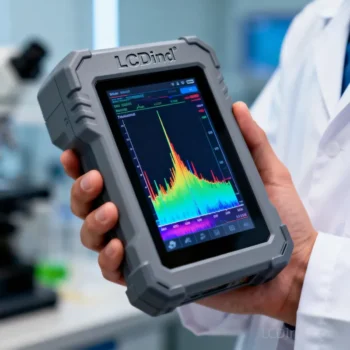
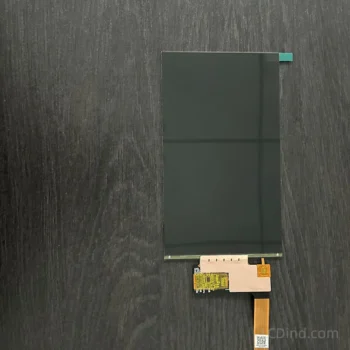
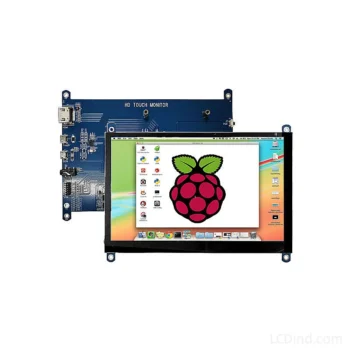
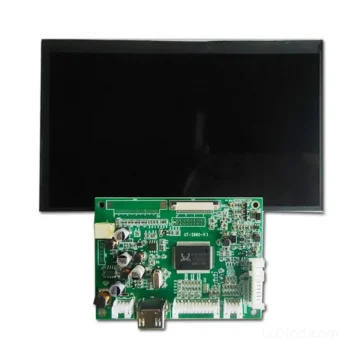
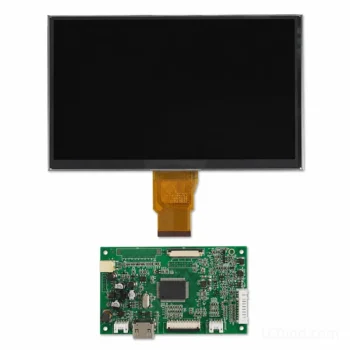
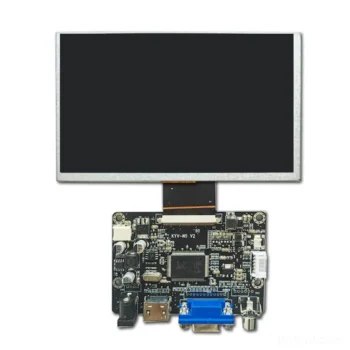
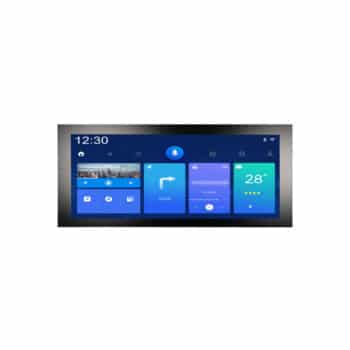
An industrial touch display is a complete application stack—not only an LCD panel. Reliable selection starts with the TFT LCD, touch technology, controller, cover glass, optical bonding, interface, mechanical envelope and operating environment.
PCAP touch
Projected capacitive touch supports a modern glass surface, multi-touch and strong optical performance. Its controller and firmware must be tuned for cover-glass thickness, gloves, water behavior, grounding and electromagnetic noise.
Resistive touch
Four-wire or five-wire resistive touch works with a finger, glove or stylus and is often practical for legacy industrial HMIs. It is pressure activated, normally single-touch and uses a flexible top layer.
PCAP vs. Resistive Touch
| Selection factor |
PCAP |
Resistive |
| Input |
Finger; gloves after controller tuning |
Finger, heavy glove or stylus |
| Touch behavior |
Multi-touch and gesture capable |
Pressure-based, usually single-touch |
| Front surface |
Durable cover glass with custom printing possible |
Flexible top film |
| Wet/noisy environment |
Requires controller, firmware and grounding review |
Less dependent on capacitive sensing, but sealing still matters |
| Typical fit |
New-generation HMI, kiosk, medical and outdoor equipment |
Legacy controls and glove/stylus-driven interfaces |
Define the Display Stack Before Selecting a Part
Display and interface
- Active area, outline size and resolution
- Brightness, viewing angle and ambient-light conditions
- RGB, LVDS, MIPI DSI or eDP interface
- Supply voltage, connector position and cable routing
Touch and mechanics
- PCAP or resistive touch; glove, water and stylus requirements
- Cover-lens outline, thickness, color printing and logo
- Air gap, OCA or OCR optical bonding
- Mounting, bezel, sealing and impact requirements
Operating environment
- Operating and storage temperature
- Sunlight exposure, condensation and UV
- EMI, charger noise and grounding design
- Required service life and change-control expectations
Commercial inputs
- Prototype and annual production quantities
- Target schedule and certification constraints
- Existing host board or preferred controller
- Drawings, connector pinout and test criteria
What LCDind Can Review
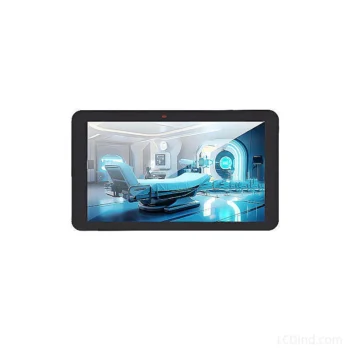
LCDind can review standard industrial touch screen display modules and project-specific combinations of TFT LCD, PCAP or resistive sensor, touch controller, custom cover lens and bonding. We can compare available modules against your mechanical drawing and electrical interface, then identify where a controller board, cable change, firmware tuning or custom stack is required.
For unusual brightness, temperature, optical, impact or ingress targets, feasibility depends on the complete assembly and expected quantity. A catalog match does not by itself confirm system-level performance. See our LCD customization capabilities and custom TFT LCD manufacturing process.
Frequently Asked Questions
Can PCAP work with gloves or water on the surface?
Often yes, but performance depends on the glove material, water condition, cover-glass thickness, sensor design, controller firmware, grounding and EMI environment. These conditions should be defined before sampling.
When should optical bonding be specified?
Optical bonding can improve sunlight readability, reduce internal reflections and strengthen the stack. It also affects cost, rework strategy, thickness and qualification, so it should be evaluated against the complete application.
Can you customize the cover glass?
Projects may support custom outline, thickness, edge treatment, black or color printing, transparent windows, logo and mounting features. A dimensional drawing and annual quantity are required for review.
Do touch displays include a controller board?
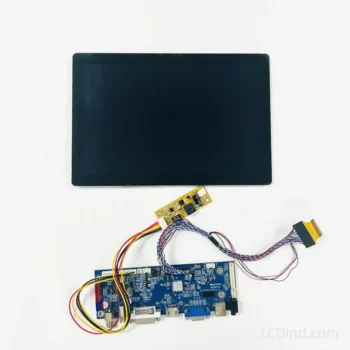
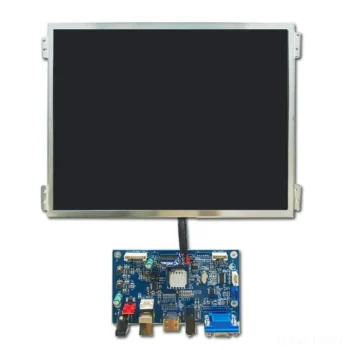
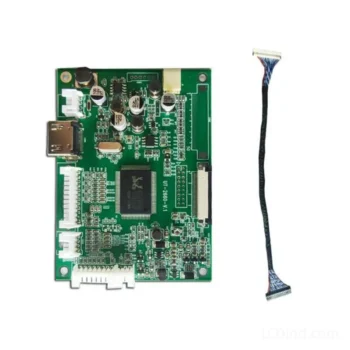
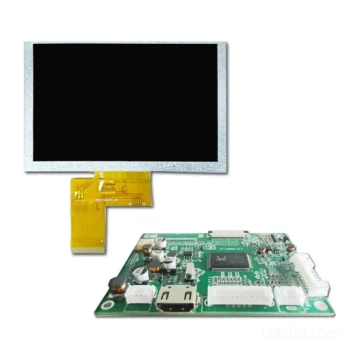
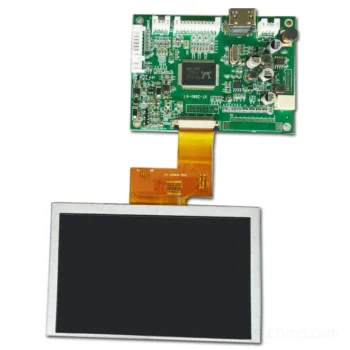
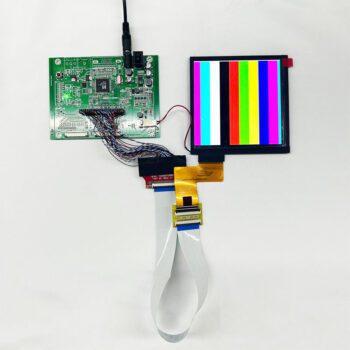
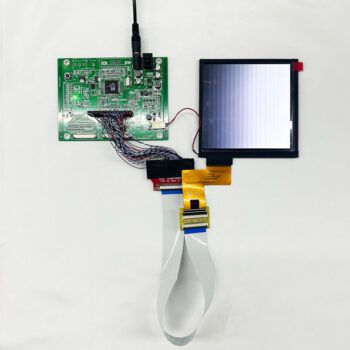
Some modules include a touch controller or FPC; an LCD video controller is usually a separate requirement. Please specify the host interface and whether you need an HDMI, DisplayPort, USB or other controller solution.
What information is needed for a quotation?
Provide size, resolution, LCD interface, touch type, cover-lens drawing, brightness, temperature range, bonding method, host system, prototype quantity and annual quantity.
Review Your Industrial Touch Display Requirement
Send the target specifications, drawings, operating conditions and quantity. We will assess standard-module options and identify any customization or controller work before quotation.
Request Engineering Review