
13

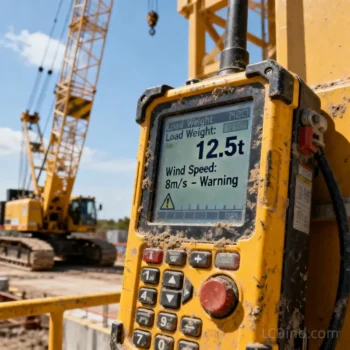


Display and optics
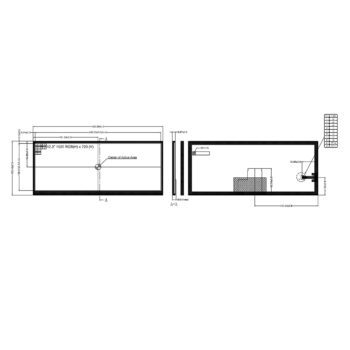
- Size, outline, active area and resolution
- Brightness, high-Tni need and dimming range
- Cover glass, AG/AR treatment and optical bonding
- Polarizer and sunglasses viewing requirements
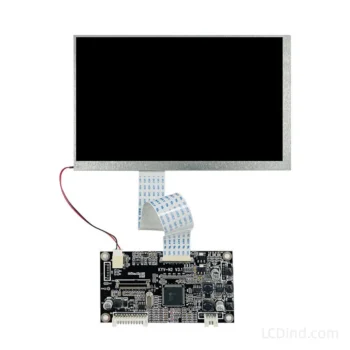
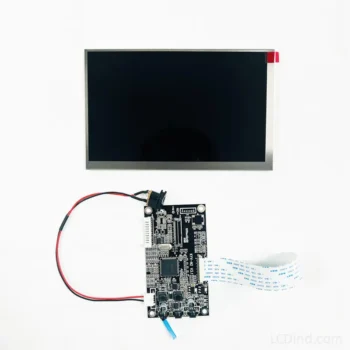
Universal LCD Controller Board solutions. Convert HDMI/VGA signals to LVDS, EDP, or MIPI. Custom firmware support for industrial display panels.
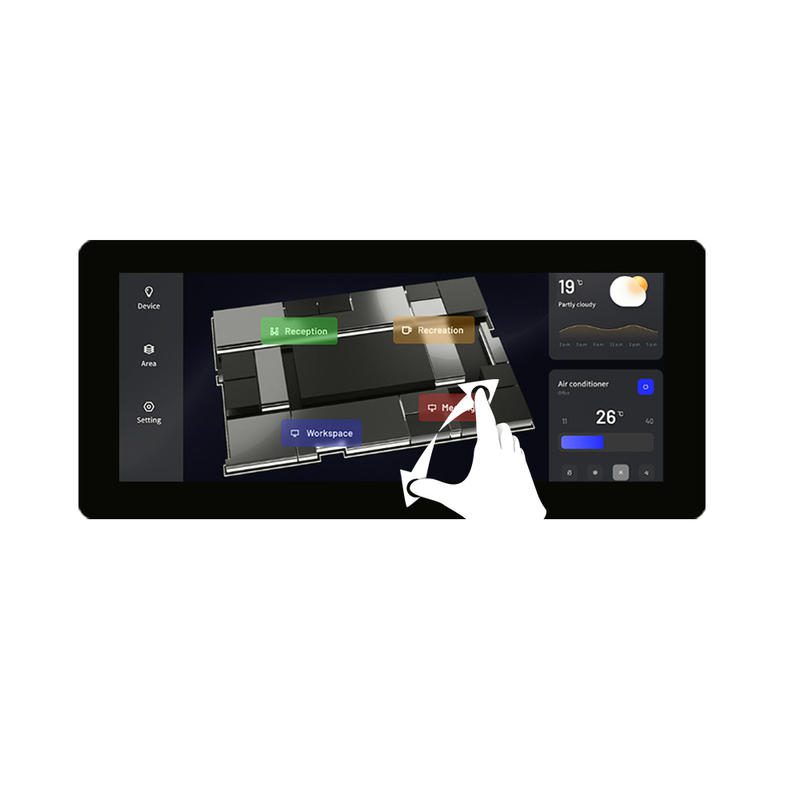
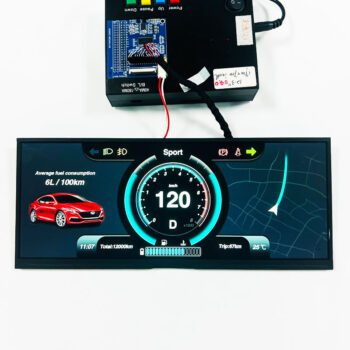
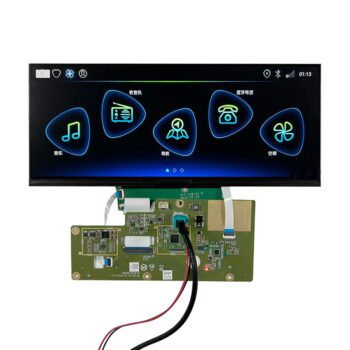
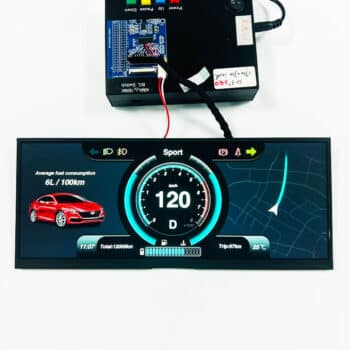
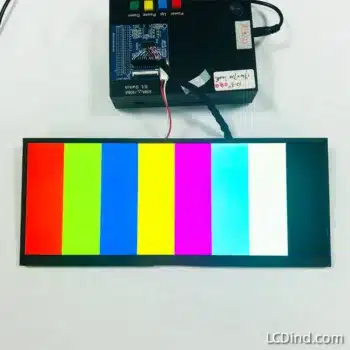
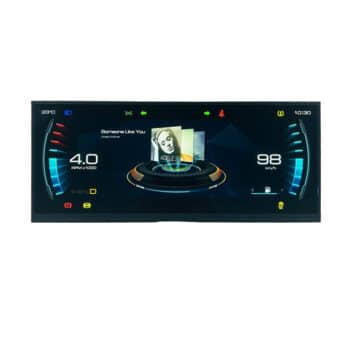
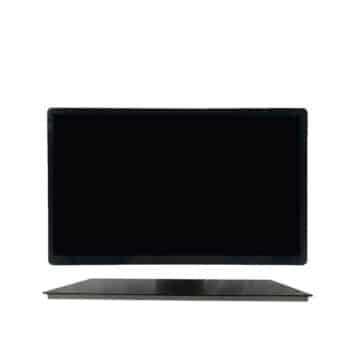
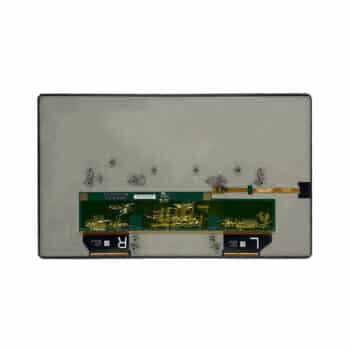
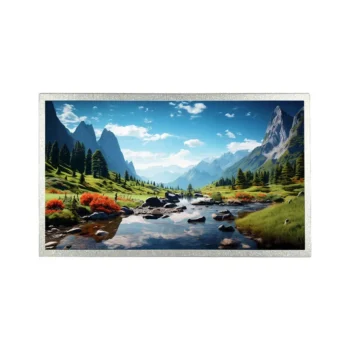
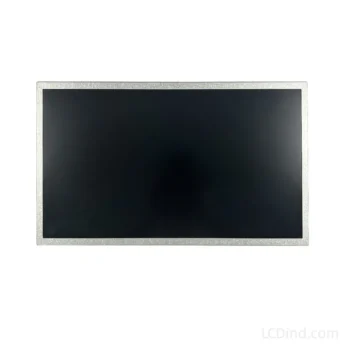
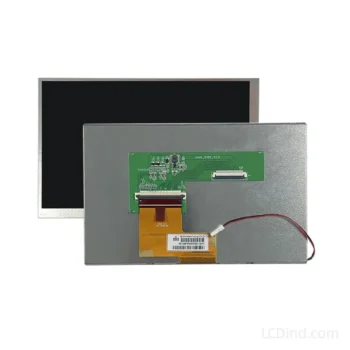
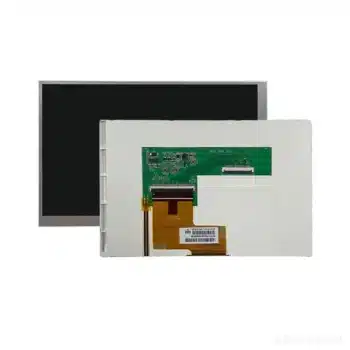
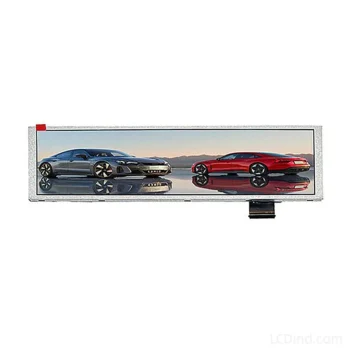
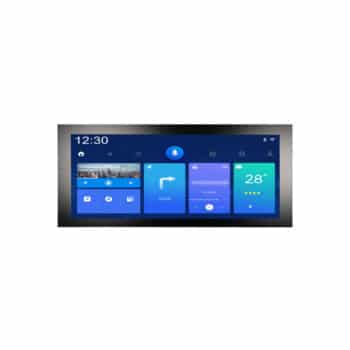
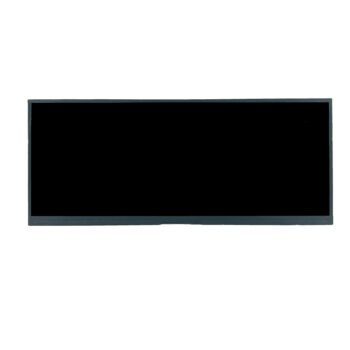
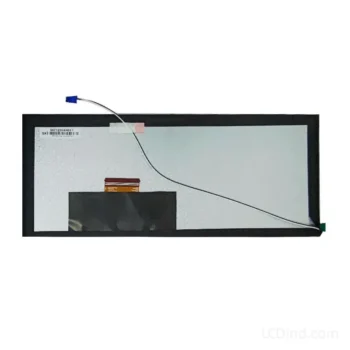
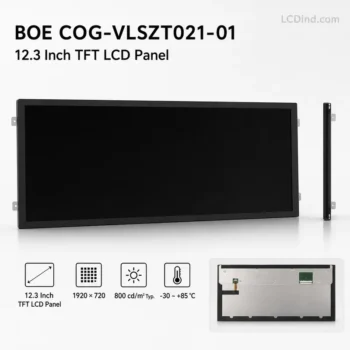
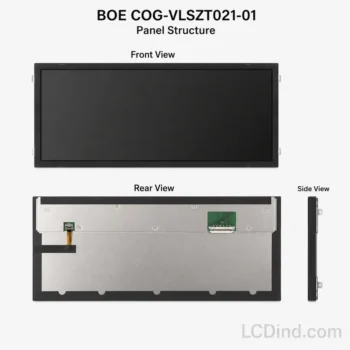
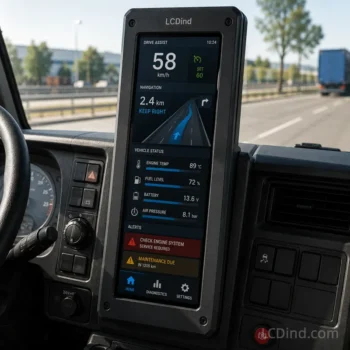
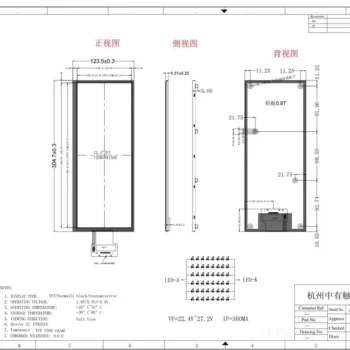
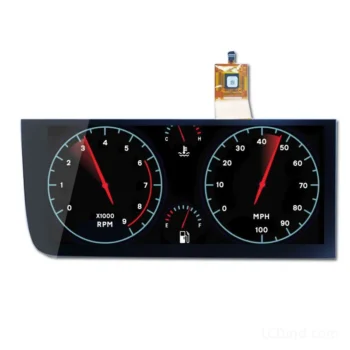
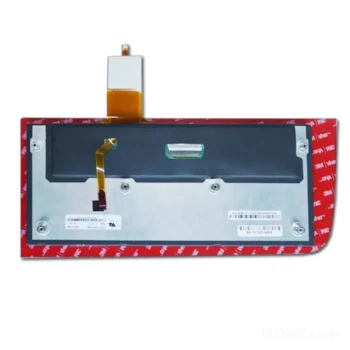
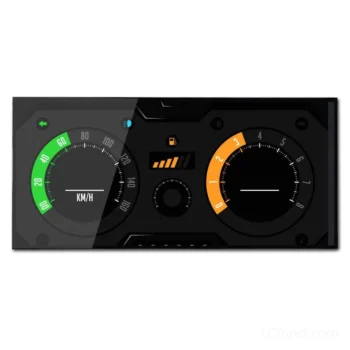
Automotive LCD display modules for dashboards, instrument clusters, center stacks and transport equipment. Compare size, resolution, interface, brightness, touch integration, temperature range and mechanical outline, then verify each model against its datasheet and your project validation standard. Automotive suitability, lifecycle and environmental performance are confirmed per model and application—not by category name alone.
Showing 1–24 of 25 results
Automotive and transport displays are selected as a system: TFT LCD, video link, touch, cover glass, bonding, backlight, mechanical stack and validation plan. A dashboard-oriented format or wide temperature value does not by itself certify a module for a vehicle program.
| Application | Common display considerations | Inputs to confirm |
|---|---|---|
| Instrument cluster | Ultra-wide format, high contrast, fast startup and controlled viewing angle | Active area, 1920×720-class resolution, LVDS/SerDes path, telltale layout and temperature profile |
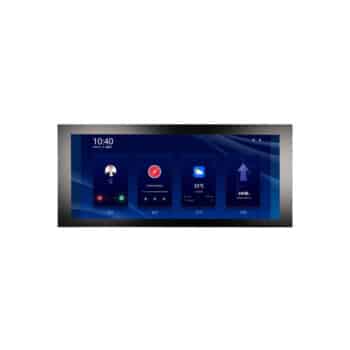
| Center stack / infotainment | Touch integration, cover lens, optical bonding and surface appearance | PCAP or In-Cell touch, glove/water behavior, controller, bonding and cover-glass drawing |
| Passenger or rear-seat display | FHD resolution, eDP/LVDS interface, mounting and viewing angle | Host output, cable length, connector position, EMC environment and brightness |
| Commercial vehicle / transport HMI | Sunlight exposure, vibration context, serviceability and lifecycle | Enclosure, thermal path, operating hours, replacement plan and validation standard |
AEC-Q100 applies to integrated circuits, not as a blanket certificate for every finished LCD module. ISO 16750 and OEM specifications define environmental tests that must be matched to the actual component, mounting location and vehicle program. LCDind will confirm available evidence per model; we do not treat every product in this category as automatically qualified.
Send the target size, resolution, interface, brightness, temperature profile, touch requirement, mechanical drawing, connector position, host platform, prototype quantity and annual quantity. For an existing design, include the current panel model, datasheet, cable drawing and controller or SerDes information. We can then identify standard candidates and any required cable, touch, cover-lens, bonding or controller changes.
Related resources: 12.3-inch automotive and industrial LCD options, high brightness LCD modules, and LCD customization capabilities.
No. The category groups modules relevant to dashboard and transport projects. Qualification, temperature, vibration, documentation and lifecycle must be verified for the exact model and program.
No. Many panels expose LVDS, eDP or MIPI directly. A serializer/deserializer board and cable may be a separate system requirement.
Sometimes, but the host interface, controller support, cover glass, optical performance, noise environment and sourcing lifecycle must be reviewed together.
Use the component location and real thermal profile, not only ambient temperature. Panel surface temperature can rise under solar load, while cold-start behavior may set a separate limit.
Include drawings, interface and pinout, temperature profile, brightness, touch and cover lens, validation requirements, sample quantity, annual quantity and target schedule.
Send the display drawing, interface architecture, environmental requirements and quantity. We will assess candidate modules and identify customization or validation gaps before quotation.
🔒 Your data is secure. We usually reply within 24 hours.