13

Description
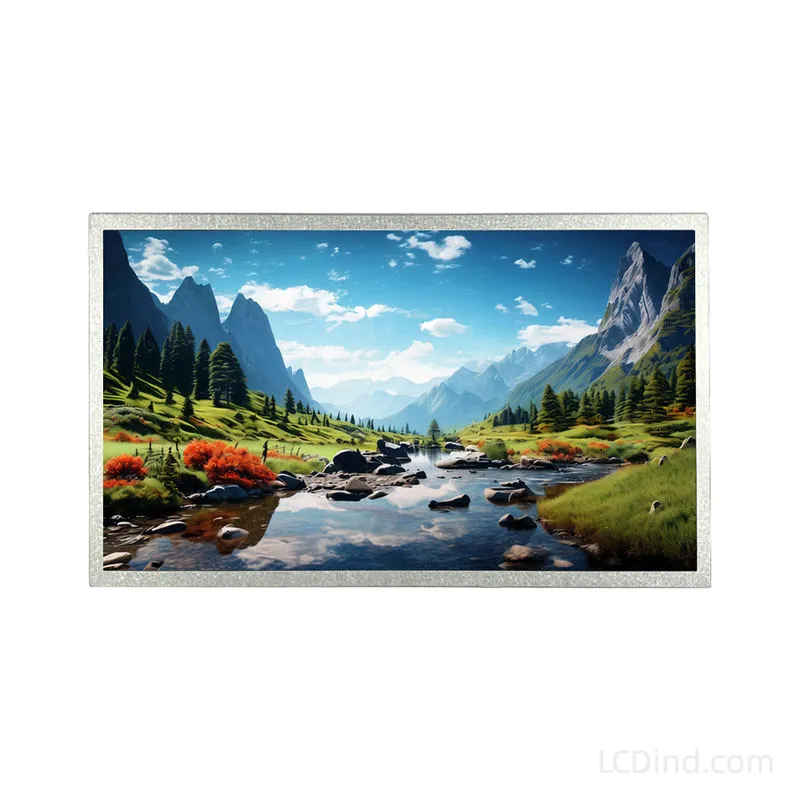
15.6 Inch OEM FHD LVDS LCD for High-Brightness Custom Display Programs
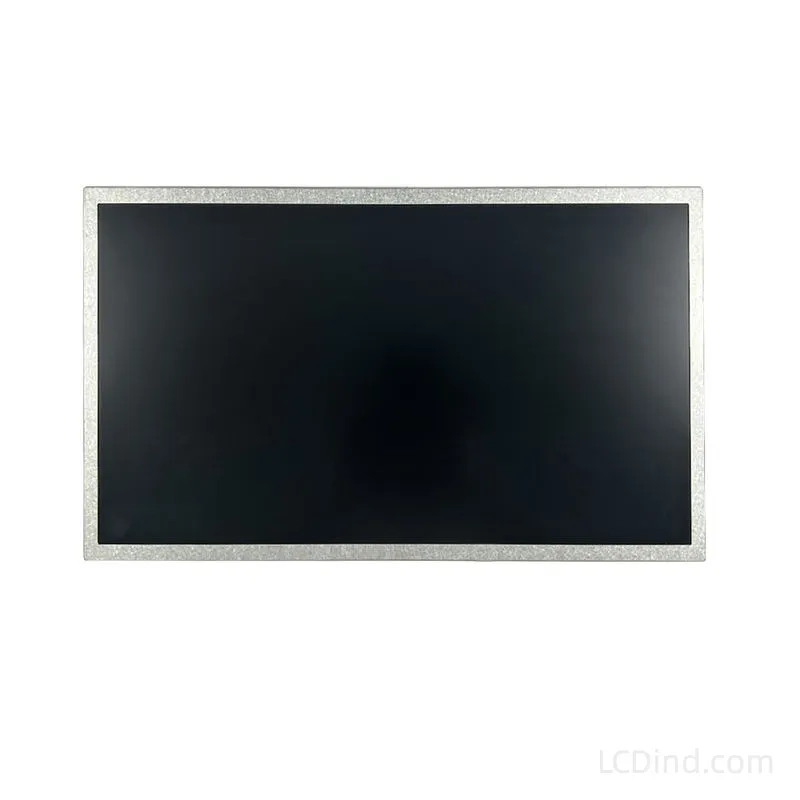
This 15.6 inch OEM LCD display page is aimed at custom display programs rather than one-off panel replacement. The live specification lists a-Si TFT-LCD IPS panel type, 15.6 inch size, 1920(RGB) x 1080 FHD resolution, 1000 cd/m² high-brightness option, 1000:1 typical contrast ratio, 0.17925 x 0.17925 mm pixel pitch, 344.16 x 193.59 mm active area, 363.80 x 215.90 x 11.9 mm outline dimension, 30-pin 2-channel 8-bit LVDS interface, -40°C to +85°C operating and storage temperature, and customization MOQ of 500 pieces for logo, packaging, and graphic items. The page should be read as an OEM/ODM sourcing path with engineering and branding controls.

OEM Program Positioning
This product fits buyers building a finished device, branded display assembly, industrial monitor, vehicle display, outdoor-protected terminal, or equipment platform where the LCD is part of a repeatable product. The customization terms make sense when the buyer needs controlled packaging, label, logo, documentation, and production identity. It is less appropriate for small repair orders unless the same panel configuration is also available without customization.
High-Brightness Engineering
The 1000 cd/m² brightness option can support sunlight-readable or bright industrial applications, but it requires optical and thermal review. Cover glass, touch sensor, anti-glare treatment, optical bonding, backlight current, enclosure ventilation, dimming logic, and duty cycle all affect final performance. A high-brightness panel should be tested inside the final assembly rather than approved only from a bare-module brightness value.
LVDS and Mechanical Controls
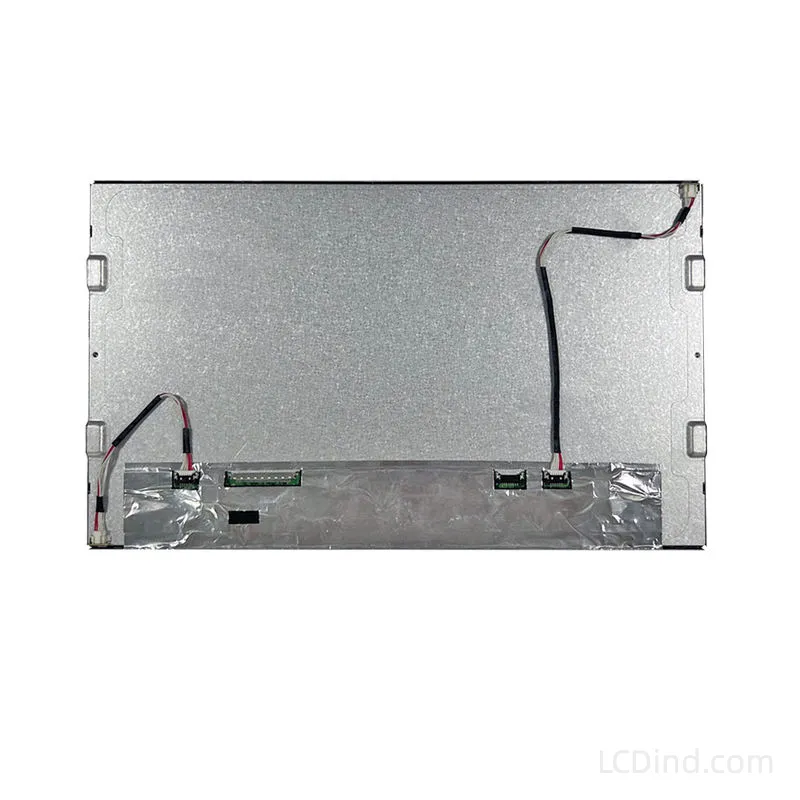
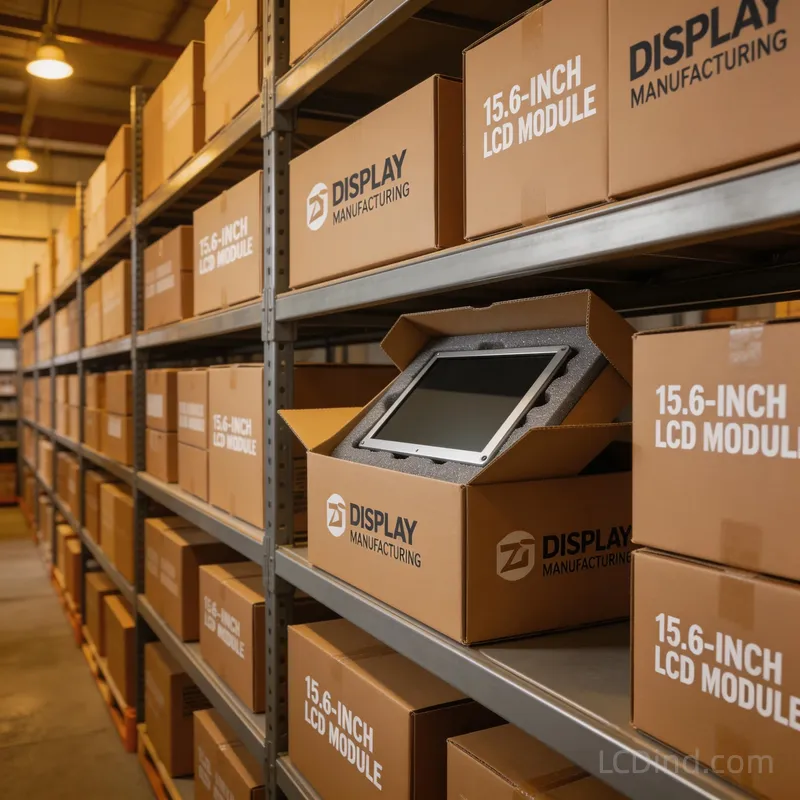
The 30-pin 2-channel 8-bit LVDS interface should be matched to the host controller before samples are approved. The active area, outline, thickness, cable direction, and mounting approach should be fixed in the drawing package. If the product is customized with branding or packaging, the engineering sample and commercial packaging sample should both be approved, because a packaging change can affect shipping protection and incoming quality.
Customization Boundaries
Logo, packaging, and graphic customization at MOQ 500 should be treated as a controlled OEM service. Buyers should define artwork, label position, carton requirements, inspection standard, language, compliance marking, and whether the display itself, the kit, or only the outer package carries the custom identity. LCDind should confirm what is included in the MOQ and what requires tooling or additional sample approval.
Procurement and Quality Plan
For RFQ, provide target product type, LVDS host details, brightness requirement, front optical stack, operating environment, customization scope, annual forecast, and packaging rules. If the display will be sold under the buyer's brand, also define warranty, spare-part handling, and approved substitute policy. This keeps the project aligned as an OEM supply program instead of a generic panel purchase.
Branding and Engineering Scope
Logo and packaging customization should not be separated from engineering approval. If the display is sold under the buyer's brand, the packaging must protect the exact approved assembly, labels must match the quality process, and replacement units must be traceable to the approved configuration. Branding work is only useful when the electrical and mechanical design is already stable enough for repeat production.
Ordering Notes for MOQ 500
The MOQ 500 customization threshold should be planned around real production demand, not only sample interest. Before committing, the buyer should approve artwork, carton structure, cable or kit contents, inspection rules, and warranty handling. If demand is still uncertain, start with engineering samples and a non-custom package, then move to branded packaging after the configuration is validated.
Project Validation Plan
Before mass production, validate the display with the real host board, cable, enclosure, front lens, power supply, thermal path, and software build. Record the approved sample configuration and keep photos or drawings for later repeat orders. This avoids the common problem where a display passes a bench test but fails after the final cover glass, harness, or firmware is introduced.
Production Risk Control
For a B2B display project, the main risks are usually interface mismatch, optical loss, cable change, uncontrolled substitutions, and unclear acceptance criteria. Define the approved panel model, electrical interface, mechanical drawing, cosmetic standard, packaging method, and revision notice process before the first production order. If alternatives are acceptable, qualify them before supply pressure occurs.
Confirmed Product Specifications
| Technical Specifications | |
|---|---|
| Panel Type | a-Si TFT-LCD, IPS |
| Panel Size | 15.6 Inch |
| Resolution | 1920(RGB) x 1080 (FHD) |
| Brightness | 1000 cd/m² (High Brightness Option) |
| Contrast Ratio | 1000:1 (Typ.) |
| Pixel Pitch | 0.17925 x 0.17925 mm |
| Active Area | 344.16(H) x 193.59(V) mm |
| Outline Dimension | 363.80 x 215.90 x 11.9 mm |
| Interface | LVDS (2 ch, 8-bit), 30 Pins |
| Operating Temperature | -40°C ~ +85°C (Automotive Grade) |
| Storage Temperature | -40°C ~ +85°C |
| Customization MOQ | 500 Pieces (Logo, Packaging, Graphic) |
These values are preserved from the live product specification table. Any missing drawing, connector, firmware, optical, touch, or compliance item should be confirmed through LCDind engineering review before production use.
RFQ Checklist
- Target equipment, installation environment, and display duty cycle.
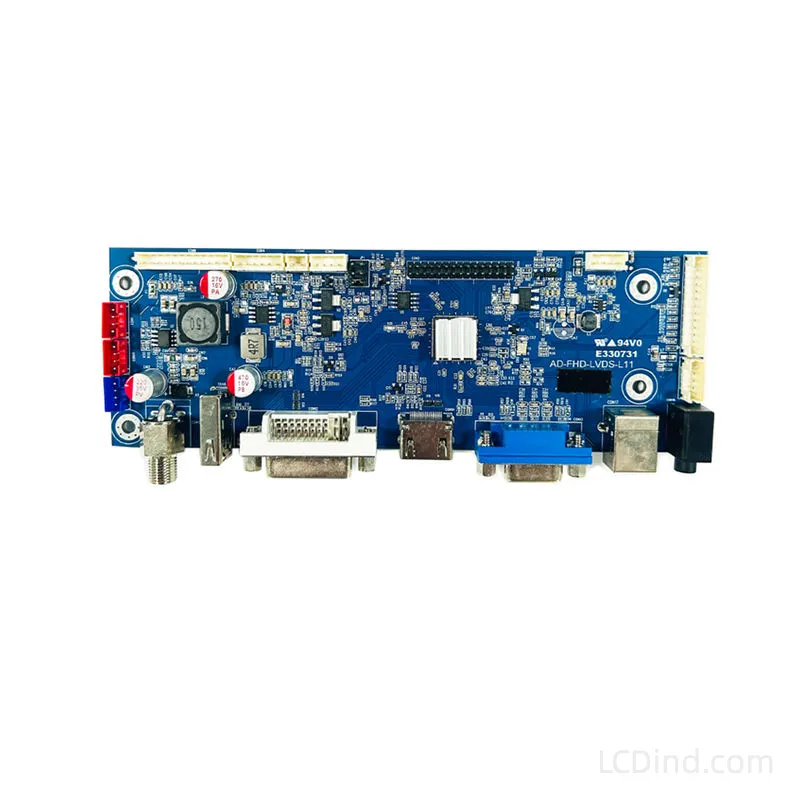
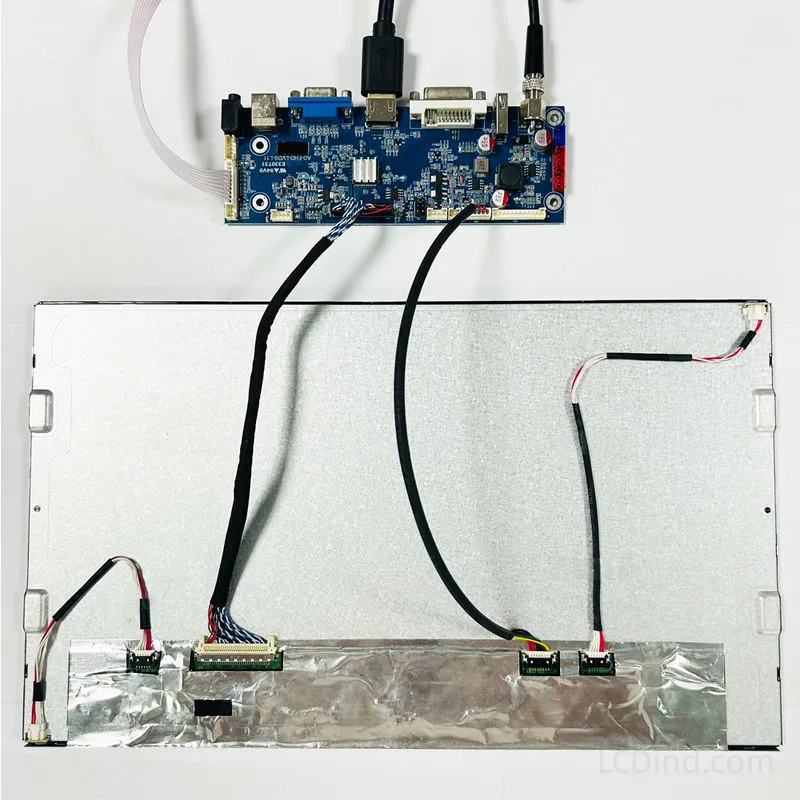
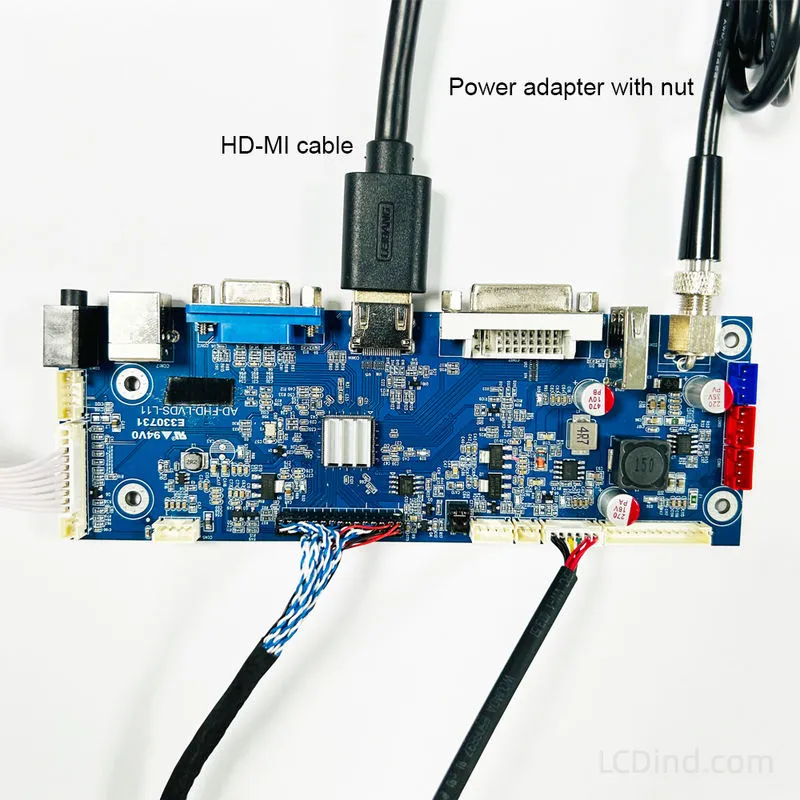
- Host board, interface mapping, connector, cable length, and voltage requirements.
- Mechanical drawing, active-area opening, cover lens, touch structure, and bonding requirement.
- Brightness, viewing angle, operating temperature, vibration, and sunlight-readability expectations.
- Sample quantity, annual forecast, customization scope, lifecycle plan, and approved alternative policy.
Engineering FAQ
What is the customization MOQ?
The live table lists 500 pieces for logo, packaging, and graphic customization.
Is the 1000-nit option enough for outdoor use?
It is a strong starting point, but outdoor readability still depends on optical bonding, cover glass, reflection, and thermal design.
Can this be supplied as a branded kit?
That depends on drawing, cable, controller, packaging, label, artwork, and order quantity.
Related Engineering Resources
Engineering Review Note
LCDind supports B2B LCD selection, touch integration, cable and controller review, sample validation, and long-term supply planning. For production projects, send drawings and host-board information with the inquiry so the display is checked as part of the complete equipment system rather than as an isolated screen size.
Additional information
| Brand | OEM / ODM |
|---|---|
| Size | 15.6 inch |
| Resolution | 1920×1080 |
| Interface | LVDSSpecify LVDS industrial TFT LCD modules by size, resolution, channel count, JEIDA/VESA mapping, pinout, brightness, touch, temperature and annual quantity. |
| Panel Type | IPS |
| Operating Temp | Ultra Wide / Automotive (-30 ℃ to +85 ℃) |
| Brightness | Sunlight Readable (1000+ nits)Specify 1000+ nit LCD displays by ambient light, size, resolution, interface, optical stack, touch, thermal limits, duty cycle and annual quantity. |
| Outline Dimension | 363.80 x 215.90 x 11.9 mm |
| Customization | Logo, Packaging, Graphic (MOQ 500) |
About brand
Source OEM / ODM LCD panels for OEM, replacement and industrial integration projects. Submit size, resolution, interface, brightness, lifecycle and annual quantity for review.
Engineering FAQ
Q: What is the MOQ for adding my logo to the screen?
For custom logo printing (laser or silk screen) on the bezel or glass, the Minimum Order Quantity (MOQ) is 500 pieces. This ensures we can cover the tooling setup costs and provide you with the best unit price.
Q: Can you customize the LVDS cable length?
Yes. While the module comes with a standard interface, we can manufacture custom LVDS cables (length, shielding, connector type) as part of our OEM service. Please include cable specifications in your inquiry.
Q: Is this screen suitable for outdoor vehicles?
Absolutely. With an operating temperature range of -40°C to +85°C and AG+3H surface treatment, it meets the rigorous demands of automotive and outdoor industrial applications.
Q: How long does the customization process take?
Typically, once the artwork (Logo/Graphic) is approved, sample production takes 7-10 days. Mass production lead time is generally 3-4 weeks depending on the order volume. Visit our Customization Page for a detailed timeline.
Q: What format should I provide for graphic customization?
For boot logos, we require high-resolution image files (BMP or PNG) matching the native resolution (1920x1080). For physical logo printing, vector files (AI or EPS) are required.
Shipping and Delivery