13

Description
12.3 Inch LVDS IPS LCD with CTP Touch for Front-Mounted Automotive Displays
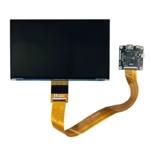
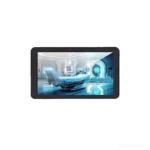
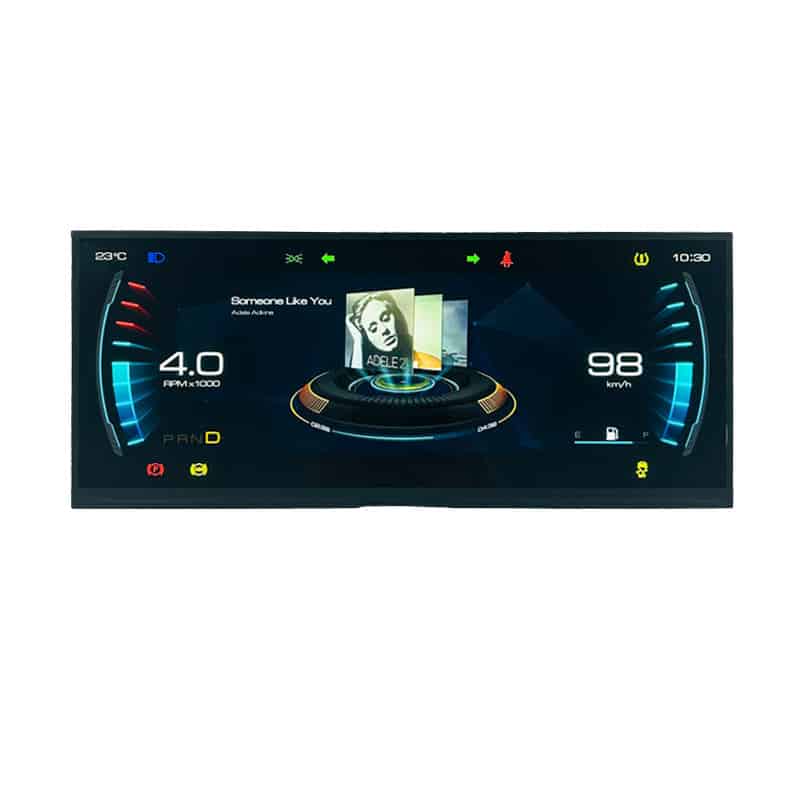
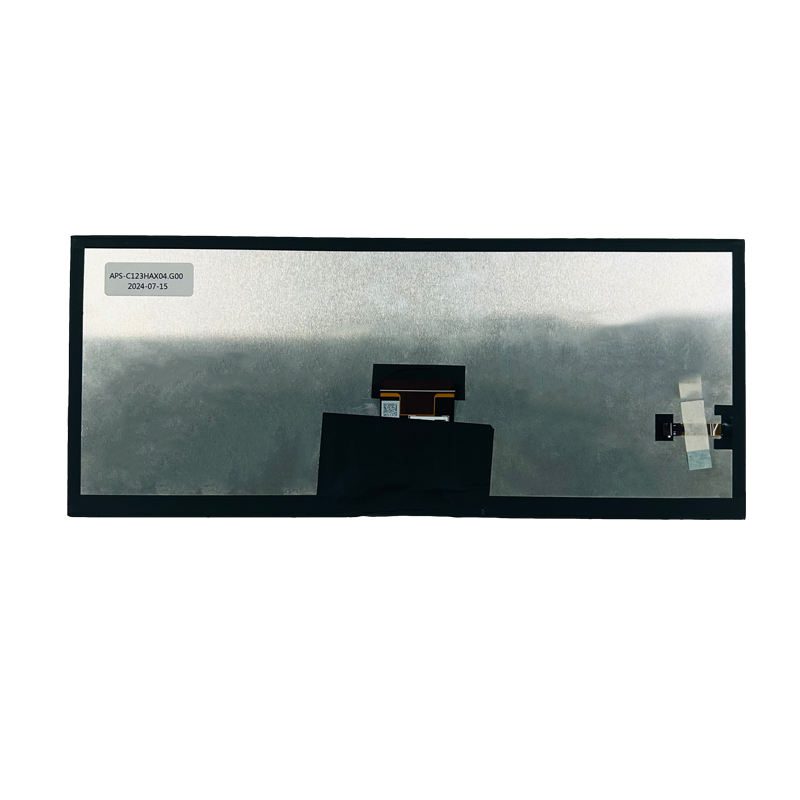
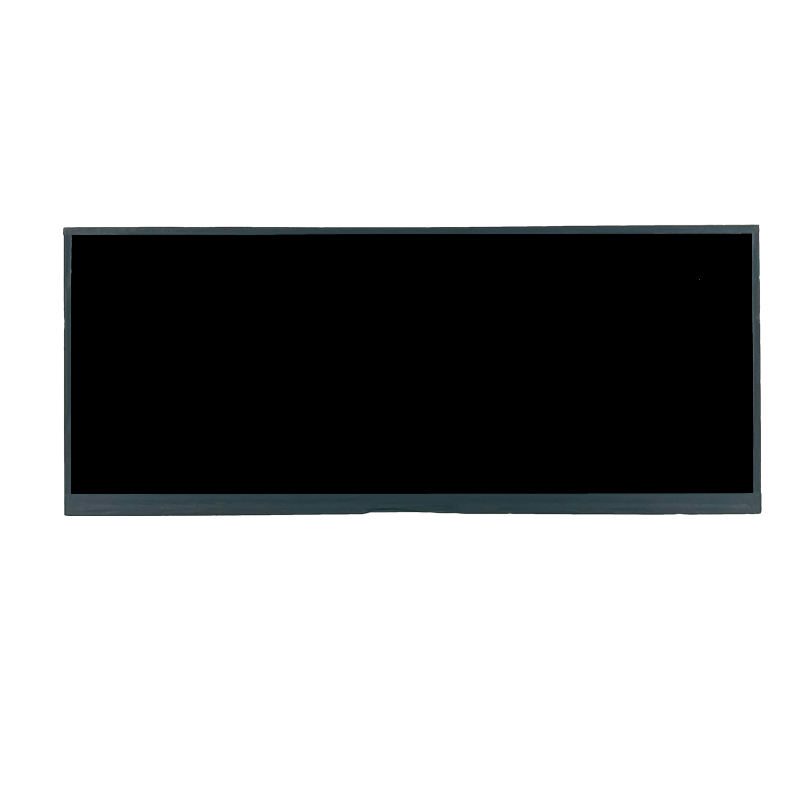
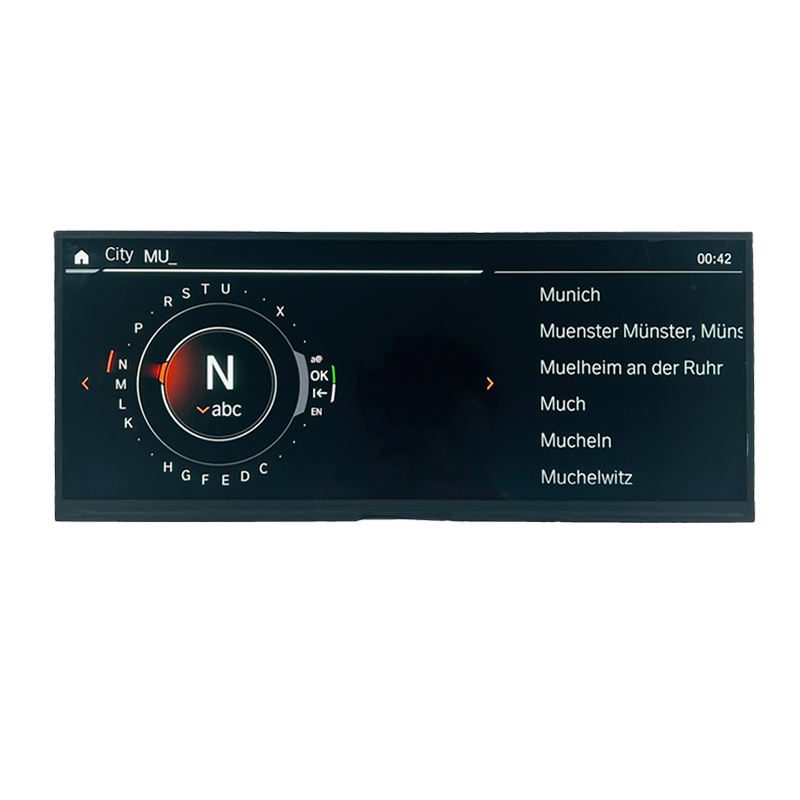
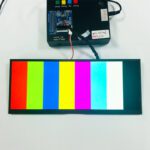
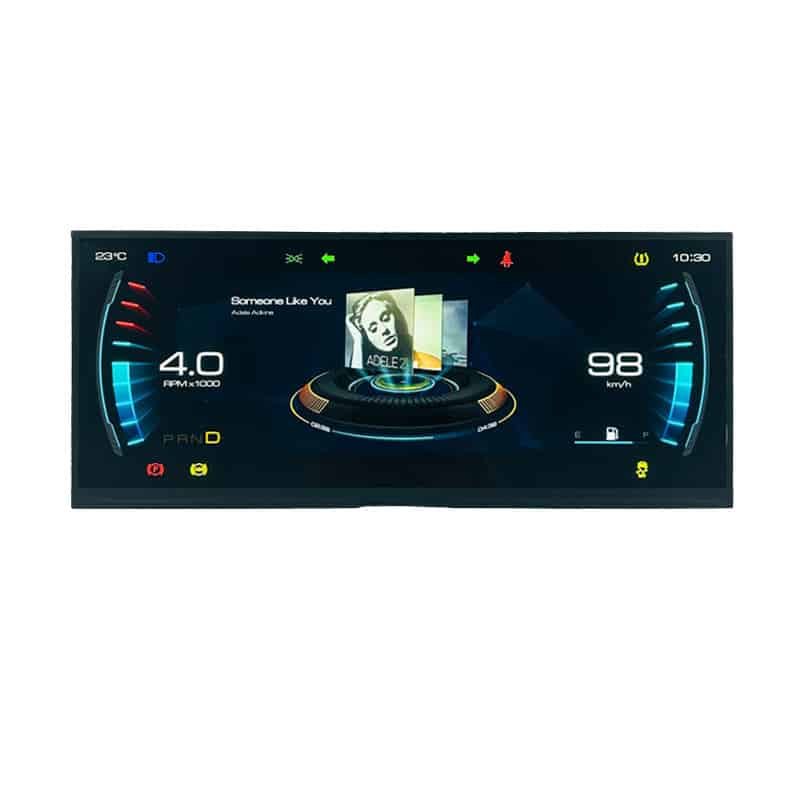
This 12.3 inch IPS LCD display module with CTP capacitive touch is aimed at front-mounted automotive and dashboard display assemblies. The live attributes confirm AUO LCD Panels branding, LVDS interface, 1920 x 720 resolution, 12.3 inch size, ultra-wide automotive operating temperature class, and capacitive touch. Unlike the in-cell pages, this product is positioned around a separate CTP/PCAP touch structure, which changes the integration questions: cover lens thickness, bonding method, touch controller, front mounting tolerance, and cosmetic requirements become central to the RFQ.
Front-Mounted Display Role
A front-mounted 12.3 inch automotive display is often used where the module, touch lens, and dashboard trim must create a finished visual surface. It can fit center displays, cockpit panels, marine dashboards, agricultural vehicles, and industrial equipment that uses an automotive-style interface. The long 1920 x 720 format supports split-screen information, warnings, status bars, and wide graphics without requiring a tall opening.
CTP Touch Stack Review
A separate CTP layer gives the project more freedom around cover glass, decoration, logo, optical bonding, and touch controller choice. It also adds engineering work. The buyer should define glass thickness, black border, sensor structure, controller interface, glove use, wet-touch requirement, bonding process, and ESD target. If the front lens is customized, the drawing should be reviewed before the LCD module is approved.
LVDS Display Compatibility
The confirmed LVDS interface should be matched with the mainboard for channel count, mapping, timing, voltage, connector, and cable length. Automotive and dashboard assemblies frequently run longer cables through crowded enclosures, so shielding and grounding should be addressed early. A module that works on a short bench cable can become unstable after the final harness and mounting design are introduced.
Mechanical and Cosmetic Control
Front mounting makes the visible border, active-area centering, lens step, adhesive uniformity, dust control, and cosmetic inspection standard important. If the display is used behind a cover lens, brightness and contrast may change. If optical bonding is used, rework method and sample acceptance criteria should be defined. These details affect both user experience and production yield.
Procurement Guidance
For LCDind review, send the dashboard opening, required front-lens drawing, touch requirements, host-board interface, target brightness, operating environment, and volume forecast. If this is a replacement program, include the original module marking and photos. The quotation should clarify whether the buyer wants a LCD only, LCD with CTP, bonded module, or full front-mounted subassembly.
CTP vs In-Cell Decision
This CTP version is appropriate when the buyer wants a front lens, printed border, cover-glass customization, or a touch controller that can be managed independently from the LCD. It may be easier to adapt to branded dashboard surfaces than an in-cell-only module, but it adds optical stack thickness and bonding variables. The purchasing team should decide whether customization flexibility or thin integration is the priority.
Ordering Notes for Front Assemblies
If LCDind is expected to quote a front-mounted assembly, include lens artwork, glass thickness, bonding preference, cable exit, and cosmetic inspection standard. If only the LCD plus touch is required, state that clearly so the quote does not include unnecessary mechanical work. Separating these scopes helps prevent cost confusion and reduces sample revision cycles.
Project Validation Plan
Before mass production, validate the display with the real host board, cable, enclosure, front lens, power supply, thermal path, and software build. Record the approved sample configuration and keep photos or drawings for later repeat orders. This avoids the common problem where a display passes a bench test but fails after the final cover glass, harness, or firmware is introduced.
Production Risk Control
For a B2B display project, the main risks are usually interface mismatch, optical loss, cable change, uncontrolled substitutions, and unclear acceptance criteria. Define the approved panel model, electrical interface, mechanical drawing, cosmetic standard, packaging method, and revision notice process before the first production order. If alternatives are acceptable, qualify them before supply pressure occurs.
Confirmed Product Specifications
| Brand | AUO LCD Panels |
|---|---|
| Interface | LVDSSpecify LVDS industrial TFT LCD modules by size, resolution, channel count, JEIDA/VESA mapping, pinout, brightness, touch, temperature and annual quantity. |
| Resolution | 1920×720 |
| Size | 12.3 inchDiscover rugged 12.3 inch industrial displays. Ultra-wide aspect ratios, high brightness, and durable designs ideal for automotive and marine dashboards. |
| Operating Temp | Ultra Wide / Automotive (-30 ℃ to +85 ℃) |
| Touchscreen | Capacitive Touch (PCAP) |
These values are preserved from the live product specification table. Any missing drawing, connector, firmware, optical, touch, or compliance item should be confirmed through LCDind engineering review before production use.
RFQ Checklist
- Target equipment, installation environment, and display duty cycle.
- Host board, interface mapping, connector, cable length, and voltage requirements.
- Mechanical drawing, active-area opening, cover lens, touch structure, and bonding requirement.
- Brightness, viewing angle, operating temperature, vibration, and sunlight-readability expectations.
- Sample quantity, annual forecast, customization scope, lifecycle plan, and approved alternative policy.
Engineering FAQ
Is this the same as in-cell touch?
No. This page is positioned with CTP capacitive touch, so the touch layer and cover lens are separate integration items.
Why is front mounting important?
It affects lens design, adhesive, bezel opening, active-area centering, cosmetic standard, and serviceability.
Can LCDind supply a bonded assembly?
That depends on drawing, glass, touch controller, bonding method, sample approval, and production quantity.
Related Engineering Resources
Engineering Review Note
LCDind supports B2B LCD selection, touch integration, cable and controller review, sample validation, and long-term supply planning. For production projects, send drawings and host-board information with the inquiry so the display is checked as part of the complete equipment system rather than as an isolated screen size.
Additional information
| Brand | AUO LCD Panels |
|---|---|
| Interface | LVDSSpecify LVDS industrial TFT LCD modules by size, resolution, channel count, JEIDA/VESA mapping, pinout, brightness, touch, temperature and annual quantity. |
| Resolution | 1920×720 |
| Size | 12.3 inchDiscover rugged 12.3 inch industrial displays. Ultra-wide aspect ratios, high brightness, and durable designs ideal for automotive and marine dashboards. |
| Operating Temp | Ultra Wide / Automotive (-30 ℃ to +85 ℃) |
| Touchscreen | Capacitive Touch (PCAP) |
About brand
Browse AUO LCD panel listings as a starting point for model sourcing. Confirm the complete part number, suffix, datasheet, interface, brightness, temperature range, quantity and required delivery date before quotation.Need cross-brand comparison, EOL review or an alternative model assessment? Read our industrial LCD panel brand sourcing guide.AUO trademarks belong to their owner. Listings do not imply official authorization or guarantee stock, lifecycle, or replacement compatibility.
FAQ
1. What is the operating temperature range of this 12.3-inch automotive LCD display module?
The operating temperature range is -30℃ to 85℃, which allows stable performance in extreme cold and hot environments, meeting the requirements of global automotive applications.
2. Does this display module support touch functionality?
Yes, it comes with a CTP (Capacitive Touch Panel) that offers high-precision touch response. We also support customization of multi-touch gestures based on your specific project needs.
3. What interface does this 12.3-inch LCD module use, and is it compatible with standard automotive systems?
It uses a 60Pin LVDS interface, which is a mainstream high-speed interface in the automotive industry. It is fully compatible with most standard automotive electronic control units (ECUs), ensuring seamless integration.
4. Can this display module be customized for specific automotive models?
Yes, as a factory-direct supplier, we offer comprehensive customization options, including dimensions, interface types, touch functions, and software integration, to match the unique requirements of your automotive front mounting solutions. We also provide MOQ-friendly terms to support small-batch trial production.
5. What is the viewing angle of this IPS LCD display, and why is it important for automotive use?
The viewing angle is 85°/85°/85°/85° (typical, CR >10) thanks to IPS technology. This full-view capability ensures clear visibility from any seat position, eliminating blind spots and glare—critical for driving safety, as drivers and passengers can easily read information without adjusting their posture.
Shipping and Delivery