
13

Showing 1–24 of 38 results
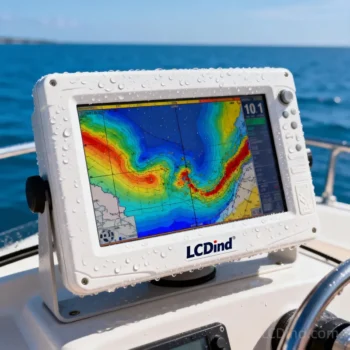
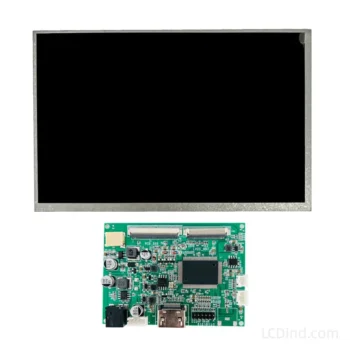


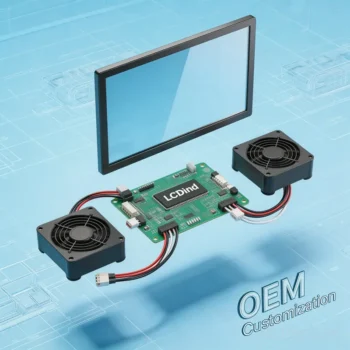
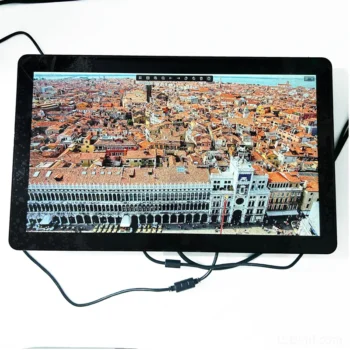
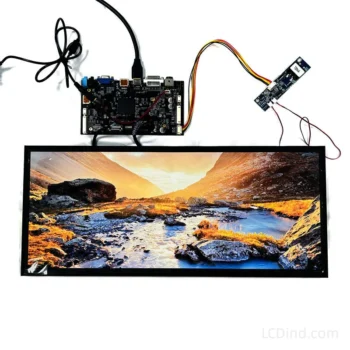
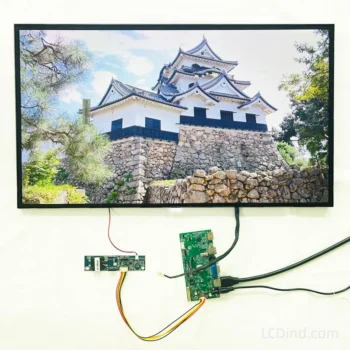
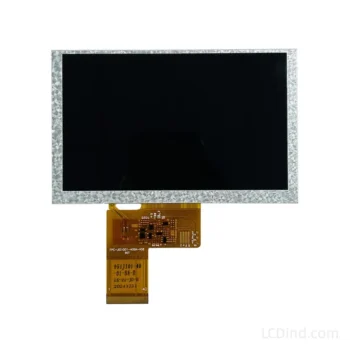
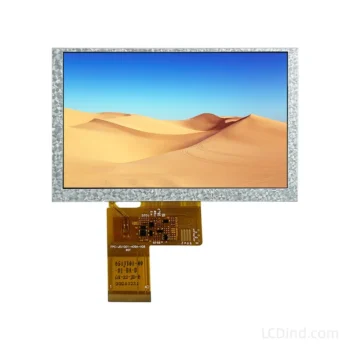
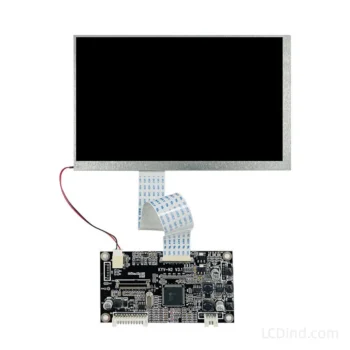
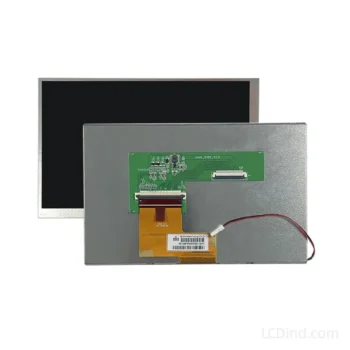
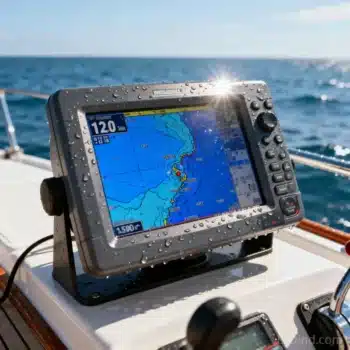
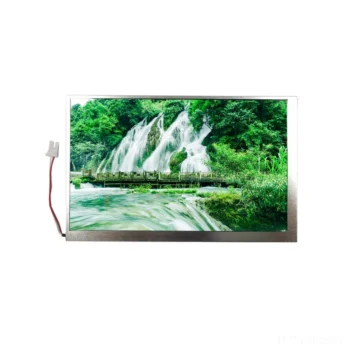
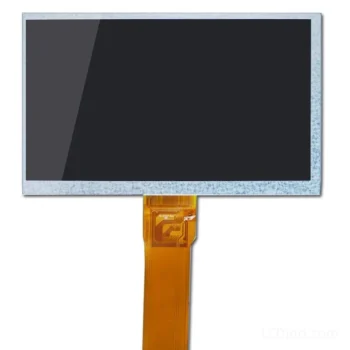
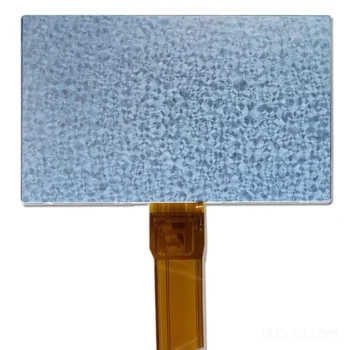
Engineering a 1000+ Nits LCD for Outdoor Visibility
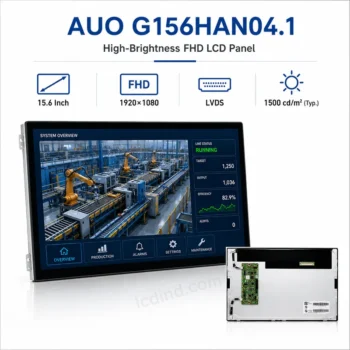
This product set covers LCD modules and integrated displays tagged for 1000 nits or higher, including selected 1000, 1200 and 1500 nit configurations. The correct target luminance depends on ambient light, surface reflection, viewing direction, enclosure temperature, duty cycle and optical construction—not on a brightness number alone.
Important selection ruleA 1000-nit panel is not automatically readable in every direct-sun installation. A highly reflective cover lens or unbonded air gap can reduce perceived contrast, while solar loading and backlight heat can limit usable luminance inside a sealed enclosure.
Match Luminance to the Installation
| Installation condition | Engineering starting point | Items that can change the decision |
|---|---|---|
| Bright indoor or near-window equipment | High-brightness output may be adequate without operating the backlight at maximum continuously. | Window orientation, cover-glass reflection, dimming range and operator viewing angle. |
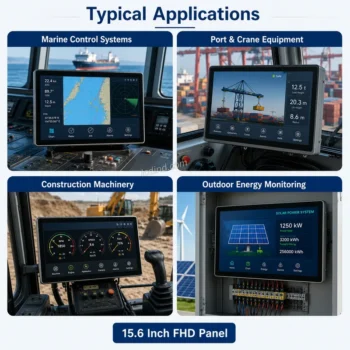
| Shaded or canopy-protected outdoor equipment | Selected 1000-nit modules can be evaluated with the final touch and cover stack. | Open-sky reflection, enclosure depth, AG/AR coating, air gap and operating temperature. |
| Exposed direct-sun equipment | Compare 1000-1500 nit options as part of a complete optical and thermal design. | Solar loading, optical bonding, high-TNI panel requirement, backlight power, heat path and required service life. |
The Optical Path Controls Perceived Contrast
LCD CellNative contrast, polarizer, viewing direction, TNI limit and color behavior at temperature.
Touch SensorITO pattern, adhesive layers, controller and glove/water requirements can affect transmission and reflection.
Air Gap or BondingOptical bonding can reduce internal reflections, but process, repairability, MOQ and mechanical stress must be reviewed.
Cover LensGlass thickness, printed border, surface hardness, AG/AR treatment and installation angle affect the final result.
Backlight, Heat and Lifetime Inputs
- Maximum and normal operating luminance
- LED-driver efficiency and dimming method
- Backlight power and equipment power budget
- Enclosure airflow or heat-spreading path
- Direct solar load on the front surface
- Panel TNI and image-retention limits
- Ambient and internal operating temperature
- Daily duty cycle and target service life
Validate the Final Assembly, Not Only the Bare Panel
Optical bench checkMeasure luminance and contrast through the production-intent touch and cover stack at required viewing angles.
Outdoor viewing checkTest shaded and exposed orientations under representative ambient light rather than relying only on an indoor sample.
Thermal soak checkOperate the backlight in the sealed enclosure while monitoring panel temperature, dimming behavior and image quality.
Related engineering resources: high-brightness and sunlight-readable LCD solutions, 10.1 inch industrial LCD modules, and LVDS industrial LCD modules.
Frequently Asked Questions
Does 1000 nits guarantee readability in direct sunlight?
No. Luminance is only one factor. Direct-sun readability also depends on cover-glass reflection, air gap, anti-glare or anti-reflective treatment, optical bonding, contrast, viewing direction and the installation angle.
When should an equipment project consider 1500 nits instead of 1000 nits?
Higher luminance may be required for exposed outdoor equipment, reflective cover stacks or difficult viewing angles, but the decision should include ambient-light measurements, thermal limits, backlight power and required service life.
Is optical bonding required for every sunlight-readable LCD?
Not for every installation. Optical bonding can reduce internal reflections and improve mechanical stability, but cover-glass material, coating, touch construction, repair strategy, quantity and operating environment must be reviewed.
How does a 1000+ nit backlight affect thermal design?
Higher backlight power increases internal heat. Enclosure airflow, heat spreading, LED-driver efficiency, dimming strategy, solar loading and panel TNI limits must be considered to protect image quality and service life.
What information is required for a 1000+ nit LCD quotation?
Provide size, resolution, interface, ambient-light condition, viewing angle, enclosure and cover-glass design, touch and bonding needs, operating temperature, duty cycle, sample quantity and annual quantity.
Request an Outdoor Display Engineering Review
Send the target size and resolution, installation lighting, enclosure and cover-lens drawing, interface, touch and bonding requirements, temperature range, duty cycle and forecast quantity. We will review the brightness, optical and thermal design before quotation.