
13

Showing 1–24 of 115 results
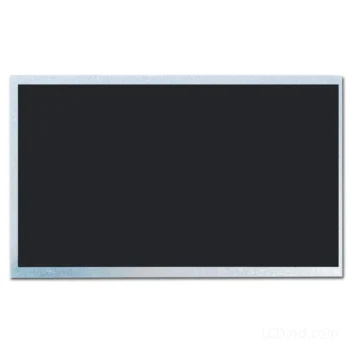
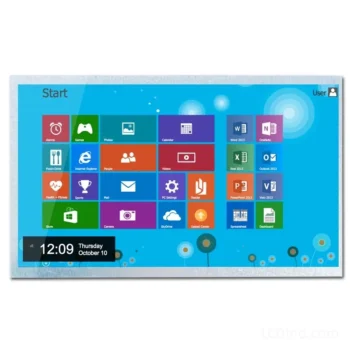
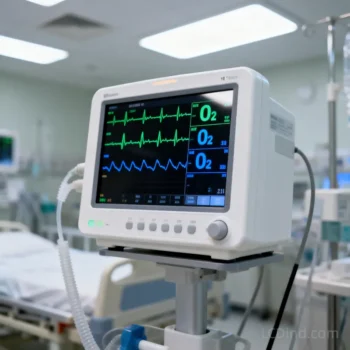

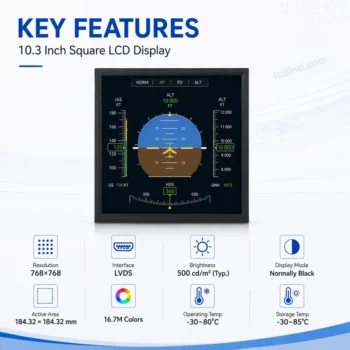
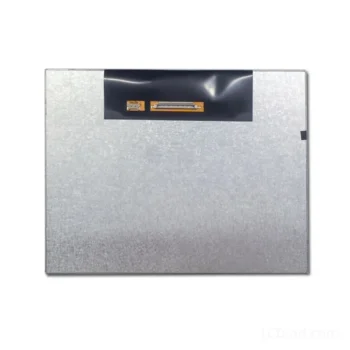
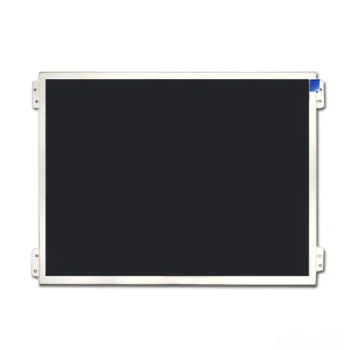
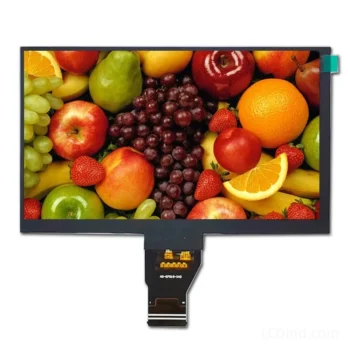

LVDS Industrial LCD Module Selection Guide
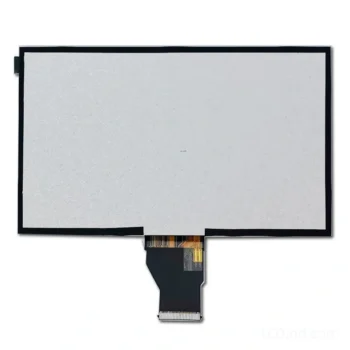
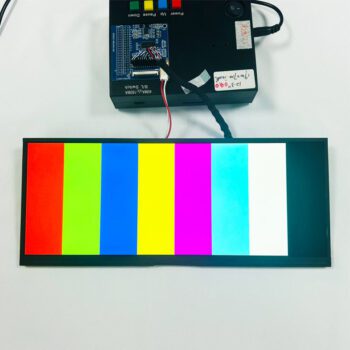
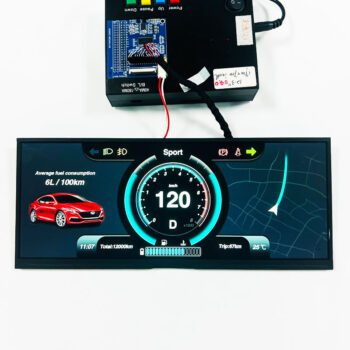
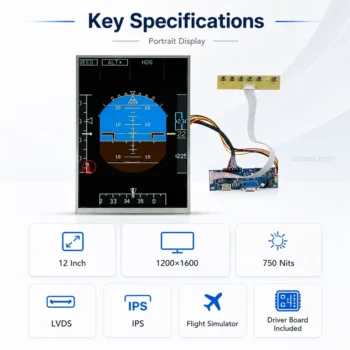
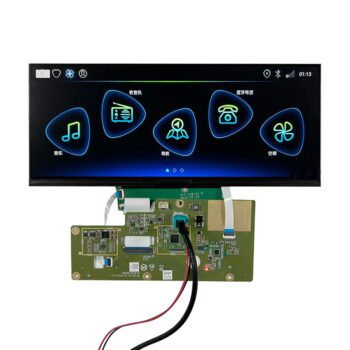
LVDS is a panel-level display interface used across many industrial TFT LCD modules. A reliable selection requires more than matching resolution or connector size: the host and LCD must agree on supply voltage, channel count, color mapping, bit depth, timing, pin assignment and backlight control.
Compatibility note: LVDS does not define one universal LCD pinout. Panels with the same diagonal size, resolution or connector can still use different voltages, JEIDA/VESA mapping, single- or dual-channel transmission, cable routing and backlight circuits.
LVDS Parameters to Confirm
| Panel resolution and timing | Confirm native resolution, pixel clock, horizontal and vertical timing, refresh rate and supported host output. |
|---|---|
| Channel configuration | Single- or dual-channel LVDS depends on the panel timing controller and bandwidth requirement. |
| Color mapping | Verify 6-bit or 8-bit data depth and JEIDA or VESA mapping. Similar connectors do not guarantee the same mapping. |
| Connector and pinout | Confirm connector series, pin count, supply pins, signal pairs, grounds, enable signals and physical cable direction. |
| Backlight system | Review LED-string voltage and current, driver board, enable logic, PWM or analog dimming and thermal load. |
| Touch and optics | PCAP or resistive touch uses a separate interface. Cover glass, AG/AR treatment and optical bonding are specified independently. |
Engineering Compatibility Checklist
- Existing panel model and datasheet
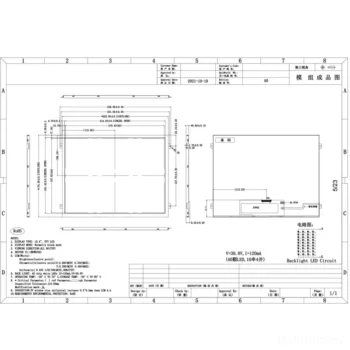
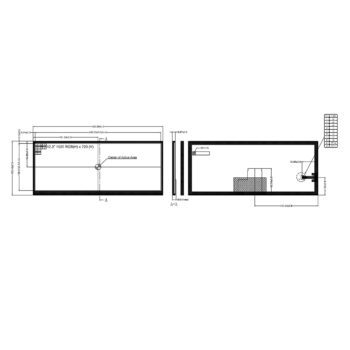
- Active area, outline and mounting drawing
- Native resolution and complete timing
- Single- or dual-channel LVDS
- 6-bit/8-bit and JEIDA/VESA mapping
- Connector, pin assignment and cable direction
- Panel and logic supply voltage
- Backlight driver, power and dimming
- Brightness and viewing-angle requirement
- Touch controller and optical stack
- Operating and storage temperature
- Prototype and estimated annual quantity
Raw LVDS Module or Controller-Based Display Kit?
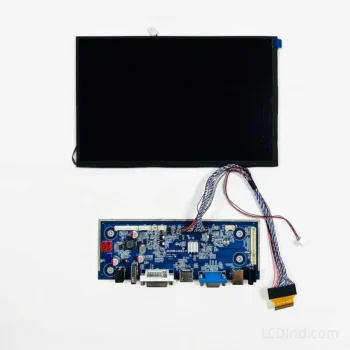
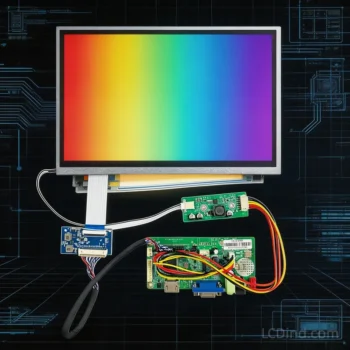
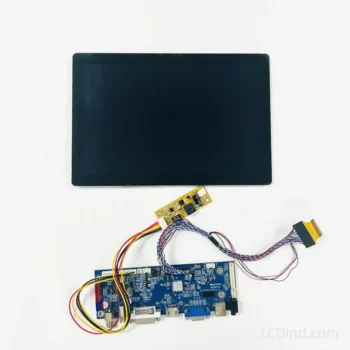
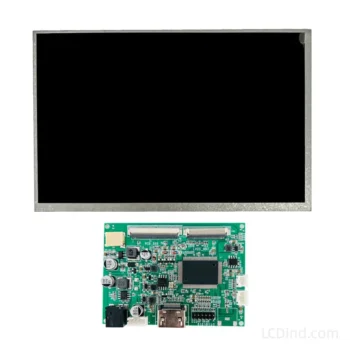
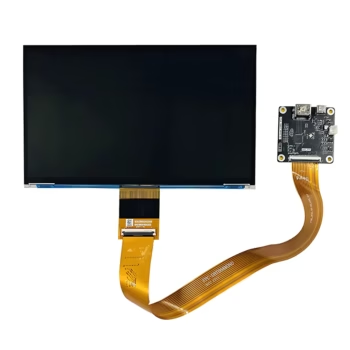
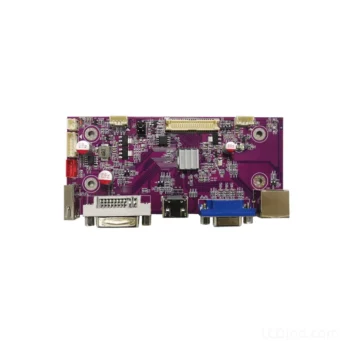
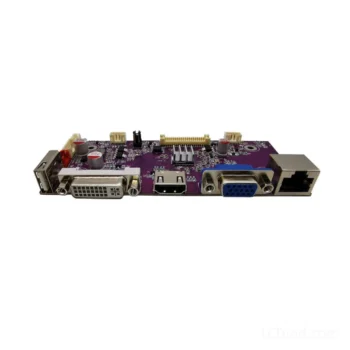
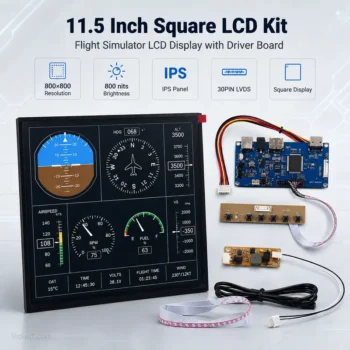
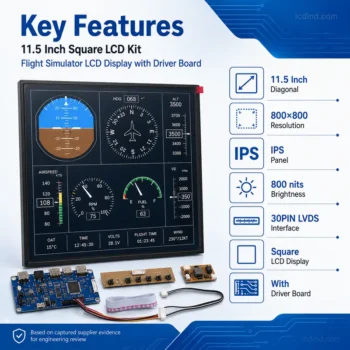
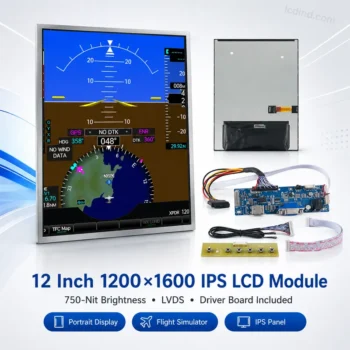
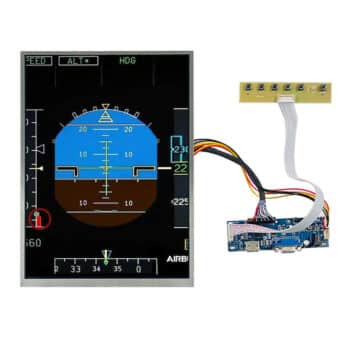
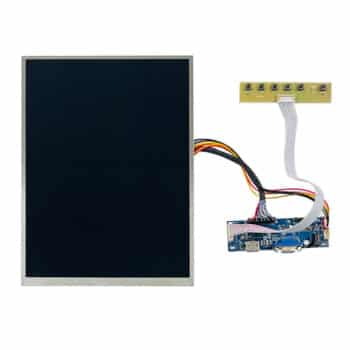
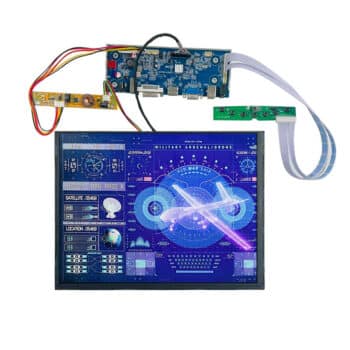
A raw LVDS LCD module is suitable when the embedded host already provides the exact panel timing, mapping and electrical levels. A controller-based kit is required when the host outputs HDMI, DisplayPort or another system-level interface. The controller firmware, cable and backlight driver must be matched to the selected panel rather than chosen by connector appearance alone.
Frequently Asked Questions
Can two LVDS LCD panels with the same connector be interchanged?
Not automatically. Connector type alone does not confirm compatibility. Compare supply voltage, pin assignment, channel count, JEIDA or VESA mapping, color depth, timing, backlight circuit, outline and connector position.
What is the difference between 6-bit and 8-bit LVDS?
The terms normally describe panel color data depth and the required transmitter or receiver mapping. The host, cable and LCD timing controller must support the exact bit depth and JEIDA or VESA format specified by the panel.
Can HDMI connect directly to an LVDS LCD module?
No. HDMI and panel-level LVDS are different interfaces. A controller board matched to the LCD resolution, timing, voltage, pinout and backlight is required.
Does LVDS also carry the touch-screen signal?
Usually not. LVDS carries display image data. PCAP touch commonly uses USB or I2C, while resistive touch requires a separate touch controller or analog interface.
What information is required for an LVDS LCD quotation?
Send the existing panel model or drawing, size, resolution, LVDS mapping and pinout, brightness, touch and optical requirements, operating temperature, host interface, sample quantity and annual quantity.
Request an LVDS Display Engineering Review
Send the panel model or drawing, resolution, LVDS mapping and pinout, brightness, touch and optical requirements, operating conditions and forecast quantity. We will review module, cable, controller and customization compatibility before quotation.