13
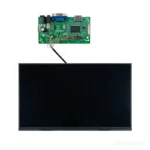
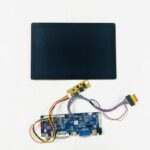
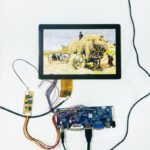
Universal LCD Controller Board solutions. Convert HDMI/VGA signals to LVDS, EDP, or MIPI. Custom firmware support for industrial display panels.
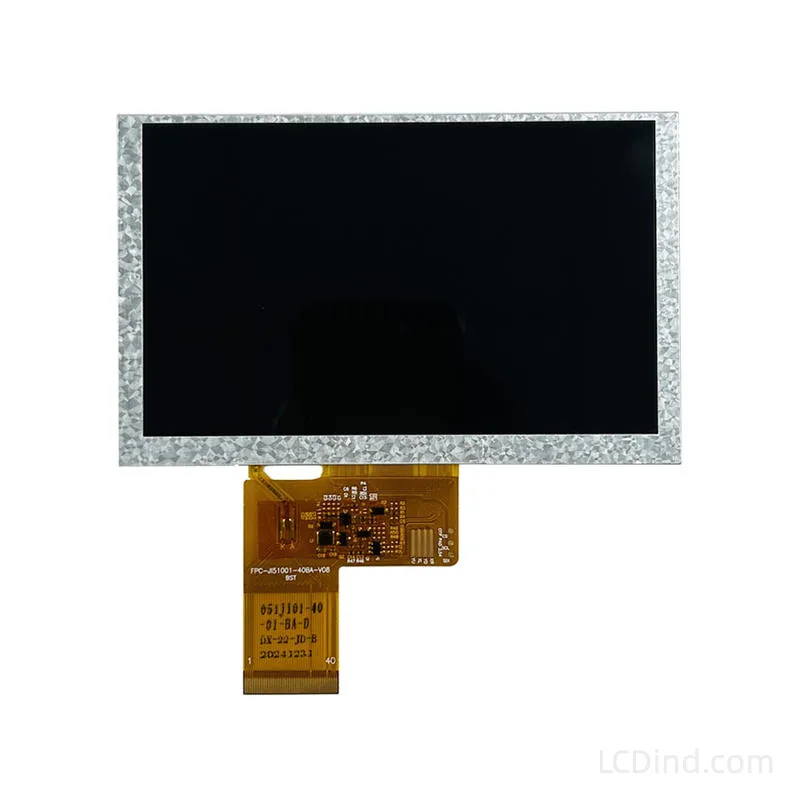
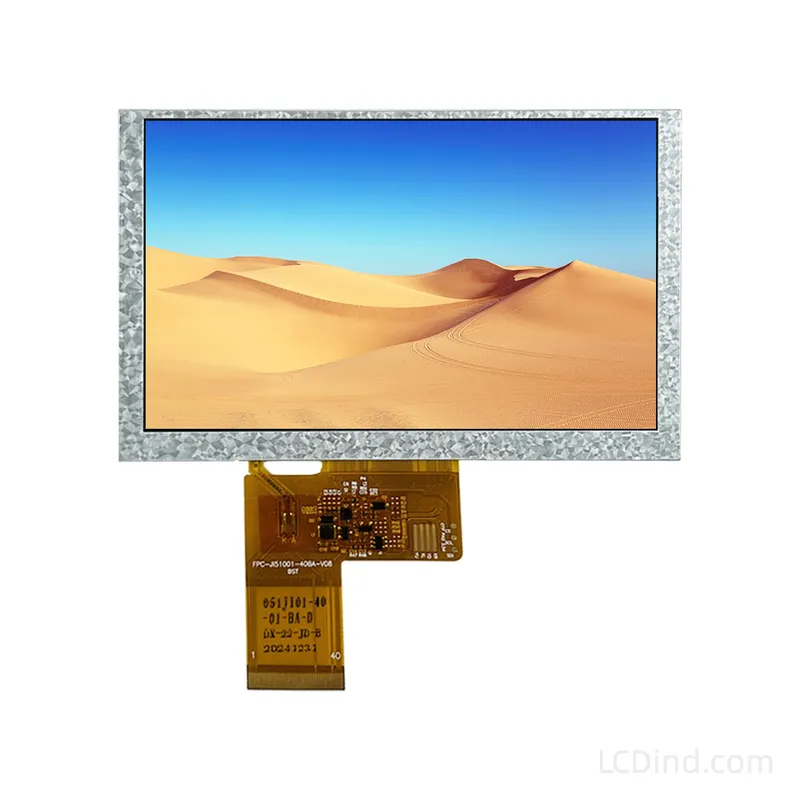
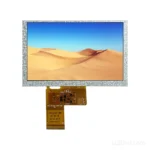
5 inch 800×480 IPS TFT LCD module with 1000-nit sunlight-readable backlight, wide viewing angle, -20°C to +70°C operation and optional touch support for outdoor equipment.
| Brand | LCDind |
|---|---|
| Brightness | Sunlight Readable (1000+ nits)Specify 1000+ nit LCD displays by ambient light, size, resolution, interface, optical stack, touch, thermal limits, duty cycle and annual quantity. |
| Panel Type | IPS |
| Resolution | 800×480 |
| Size | 5.0 inch |
| Operating Temp | Industrial (-20 ℃ to +70 ℃) |
| Touchscreen | Optional Touchscreen |
| Viewing Angle | All View / IPS |
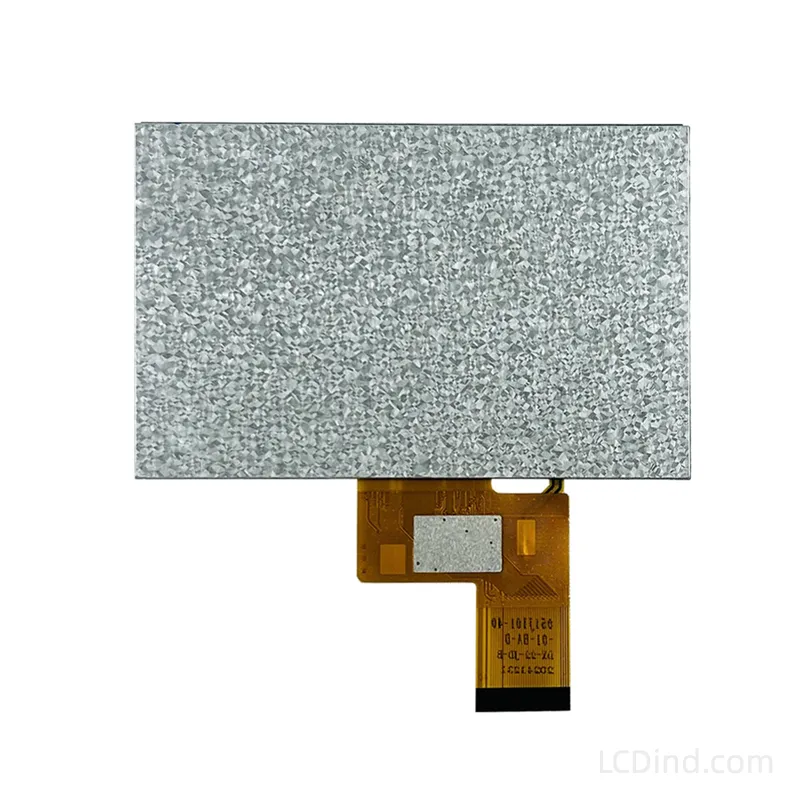
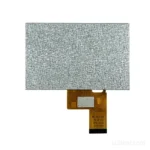
This 5 inch TFT LCD module is a sunlight-readable display candidate for outdoor terminals, mobile equipment controls, inspection devices, charging equipment, and industrial panels that need stronger readability than a standard 350 to 500 nit TFT. The current public page confirms 5.0 inch size, 800×480 resolution, IPS panel type, 1000+ nit sunlight-readable brightness class, industrial -20 ℃ to +70 ℃ operating range, all-view IPS viewing behavior, and optional touchscreen support. The summary also describes a 40-pin RGB interface, while the product attribute table leaves the interface field blank, so the final RFQ should confirm the exact pinout and interface definition before production approval.
| Brand | LCDind |
|---|---|
| Brightness | Sunlight Readable (1000+ nits)Specify 1000+ nit LCD displays by ambient light, size, resolution, interface, optical stack, touch, thermal limits, duty cycle and annual quantity. |
| Interface | |
| Panel Type | IPS |
| Resolution | 800×480 |
| Size | 5.0 inch |
| Operating Temp | Industrial (-20 ℃ to +70 ℃) |
| Touchscreen | Optional Touchscreen |
| Viewing Angle | All View / IPS |
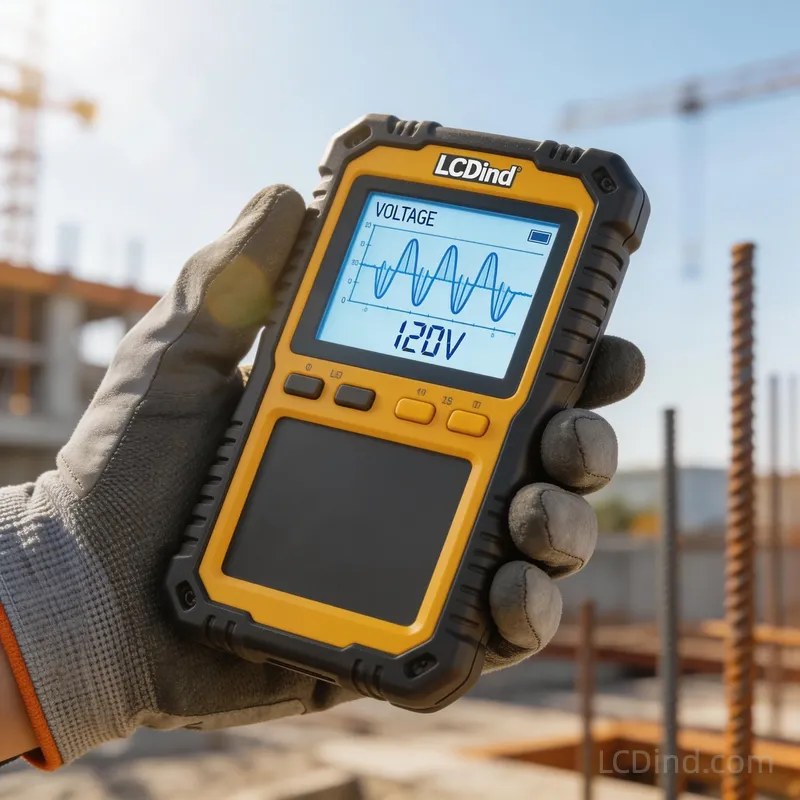
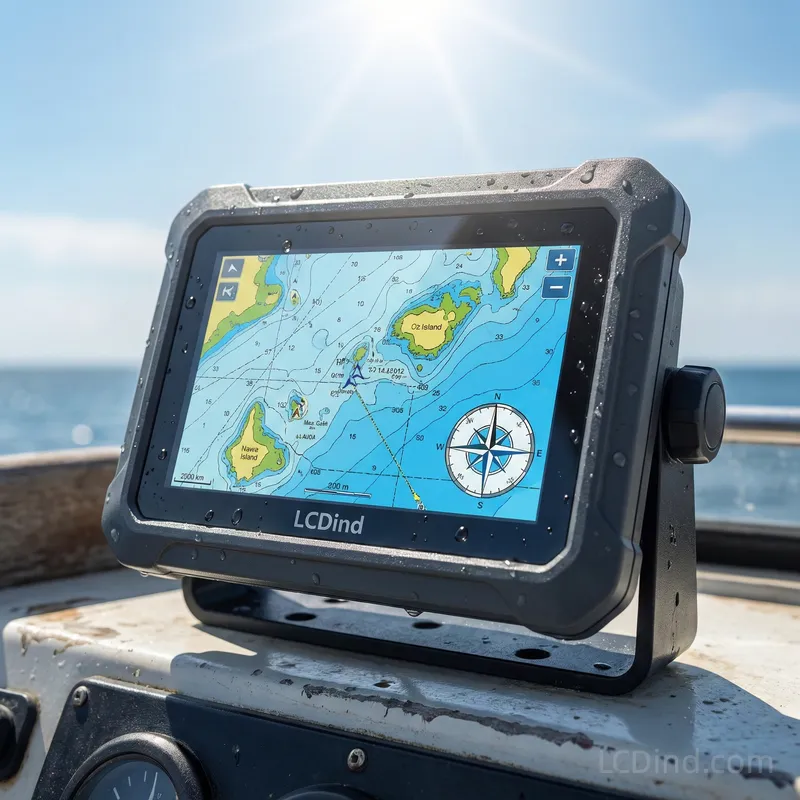
The main reason to choose this module is brightness margin. A 1000-nit class backlight can help equipment remain readable in outdoor kiosks, handheld field instruments, access terminals, battery systems, and daylight-exposed machine panels. It should still be tested behind the actual cover lens because touch glass, anti-glare film, optical bonding, printed borders, and installation angle can reduce effective readability. For direct sun projects, LCDind should review ambient light, duty cycle, thermal path, and whether optical bonding is required.
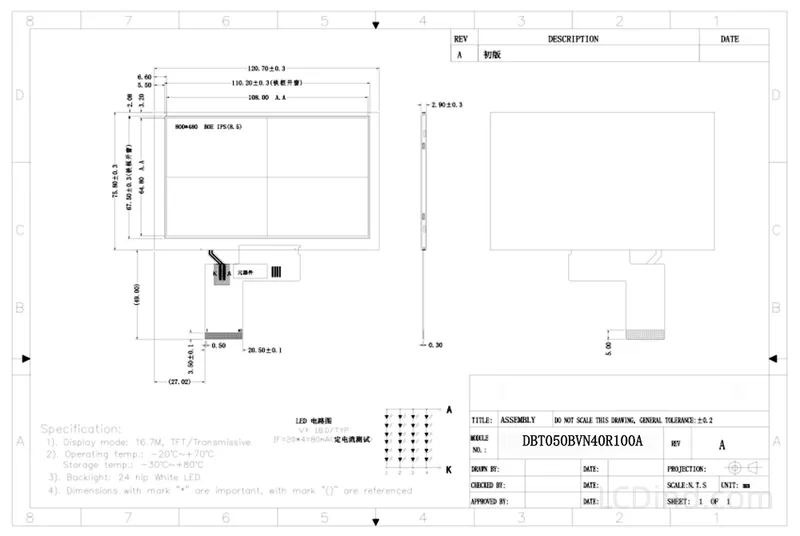
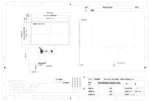
The public summary names a standard 40-pin RGB interface, but the attribute table does not fill the interface field. That means the buyer should not treat the page title alone as a production-ready pinout. The RFQ should include the host board, connector, FPC direction, voltage, pixel clock, sync format, backlight driving method, and existing display model if this is a replacement project. A resolution match is not enough when the mainboard is already fixed.
IPS viewing is useful when operators see the screen from different angles or when the module is installed below eye level on a machine front. For a 5 inch 800×480 UI, good layouts include large status values, alarm pages, setup menus, and clear confirmation buttons. If the product is handheld, test the UI under glare and through the final enclosure rather than only under office lighting.
Touch is optional, so the project should define whether it needs no touch, resistive touch, capacitive touch, cover glass only, optical bonding, anti-glare treatment, or custom lens printing. A high-brightness LCD paired with the wrong cover stack can still fail outdoors. If operators wear gloves or work around water, the touch controller and lens stack should be selected together.
High brightness increases heat and power demand. The product should be tested at the intended brightness setting, not only at maximum backlight for a short demo. For outdoor terminals, continuous daytime operation, cabinet ventilation, sunlight load, and backlight dimming strategy should be part of sample acceptance. The buyer should also confirm LED lifetime conditions and whether brightness derating applies in high ambient temperature.
For volume purchasing, lock the approved LCD model, interface mode, FPC direction, touch stack, optical treatment, inspection standard, and packaging method. Outdoor products often fail because the first sample worked but the production enclosure, lens, cable, or thermal condition changed later. LCDind can compare alternatives, but substitutes must be checked at pinout, active area, brightness, and optical-stack level before approval.
For a 1000-nit module, acceptance should include brightness measurement through the final lens, thermal rise at the target duty cycle, dimming response, and readability at the real installation angle. If the device will be exposed to sun and then moved indoors, test both conditions. Operators should not need to set maximum brightness all the time just to read normal status information.
The display should be reviewed with the backlight driver, PWM or analog dimming method, power rail capacity, inrush behavior, and cable shielding. High-brightness backlights can introduce noise or heat that was not present in a lower-brightness prototype. If the product has wireless modules, sensors, or motor controls nearby, include EMC and touch-noise review in the sample plan.
This page is most useful for an OEM buyer that already knows a 5 inch 800×480 format is acceptable but needs daylight margin. It is less suitable for buyers who only need an indoor low-cost display. The RFQ should make that distinction clear so LCDind can quote a practical outdoor-readable configuration instead of overspecifying every project.
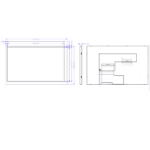
Use the public specifications above as the starting point for selection, not as final system approval. Before sample purchase or batch order, confirm the host interface, drawing, optical stack, touch or no-touch requirement, operating environment, controller board scope, and annual quantity with LCDind. This keeps the product URL unchanged while turning a thin catalog page into a useful engineering selection page for B2B buyers.
It is a 1000+ nit sunlight-readable class module, but final readability should be tested with the actual cover lens, UI colors, mounting angle, and thermal condition.
The page lists optional touchscreen support, so touch stack must be specified during RFQ.
The summary describes 40-pin RGB, but the public attribute table leaves interface blank; confirm pinout and timing before using it in a production design.
| Brand | LCDind |
|---|---|
| Brightness | Sunlight Readable (1000+ nits)Specify 1000+ nit LCD displays by ambient light, size, resolution, interface, optical stack, touch, thermal limits, duty cycle and annual quantity. |
| Panel Type | IPS |
| Resolution | 800×480 |
| Size | 5.0 inch |
| Operating Temp | Industrial (-20 ℃ to +70 ℃) |
| Touchscreen | Optional Touchscreen |
| Viewing Angle | All View / IPS |
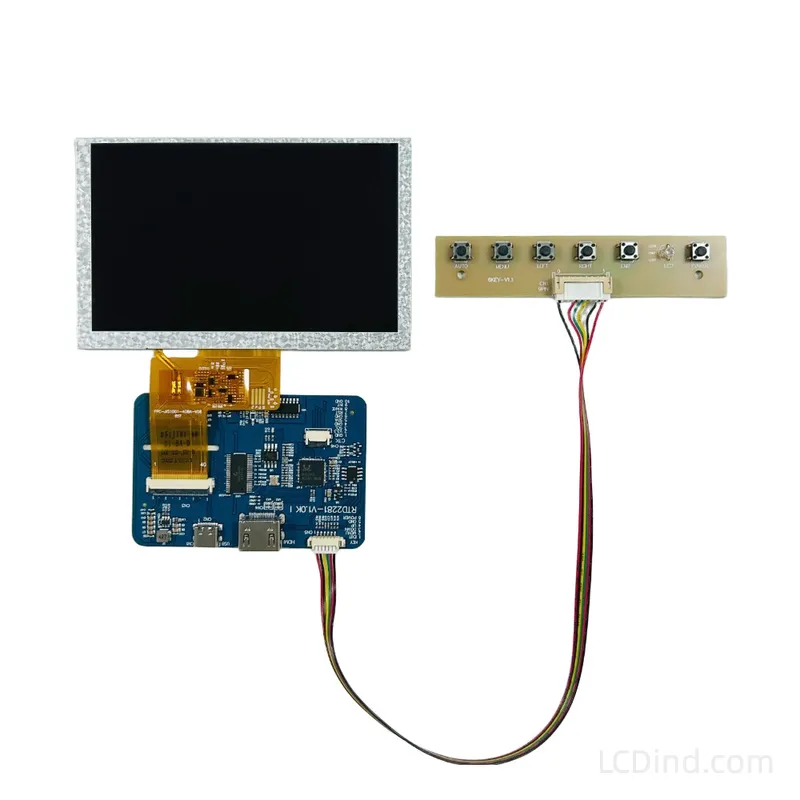
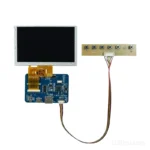
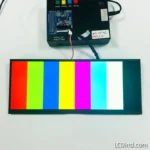
Yes. The base model is a display-only module, but it is "Customizable". We can bond a Capacitive Touch Panel (PCAP) or Resistive Touch Panel (RTP) to the front. We can also provide the version with the PCB driver board and control buttons as seen in the product images.
This is a standard interface definition for 4.3" and 5.0" TFT LCDs. It carries 24-bit color data (8 bits per channel) along with synchronization signals (HSYNC, VSYNC, DOTCLK). It connects directly to the RGB interface of processors like STM32, NXP i.MX, or ESP32-S3.
For night use, the backlight brightness is adjustable. By using PWM (Pulse Width Modulation) on the LED driver pin, you can dim the screen from 1000 nits down to comfortable night-viewing levels.
Q: What is the MOQ?
A: The MOQ for our products is 1 piece. We are able to provide support throughout the testing process.
Q: What about the delivery time?
A: We have products in stock and can ship them within 3 working days.
Q: Does your product have any warranty?
A: Yes, we offer a warranty that ensures the LCD will function properly upon receipt. However, please note that we do not provide guarantees for any damage caused during use.
Q: What’s your payment method?
A: We accept several payment methods, including T/T (bank transfer), and PayPal.
Q: What’s your shipping method?
A: Thank you for your inquiry. We offer various shipping methods to suit different needs.
For small quantity orders, we use UPS Air-Express, DHL, FedEx, TNT, or EMS Express service. These options are safe and fast.
For large quantity orders, we typically work with the buyer’s cargo agent in China. Alternatively, we can arrange for air or sea transportation.
Please let us know your preferred shipping method and we will do our best to accommodate your request.
Q: Do you offer custom solution?
A: Yes, we offer custom solutions if our standard products do not meet the buyer’s requirements. Please let us know your specific needs, and we will work with you to create a tailored solution that meets your business needs.
Q: How to Contact us?
A: Send your Inquiry Details in the Below, Click “Send” Now!
🔒 Your data is secure. We usually reply within 24 hours.