13
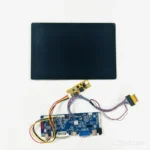
Universal LCD Controller Board solutions. Convert HDMI/VGA signals to LVDS, EDP, or MIPI. Custom firmware support for industrial display panels.
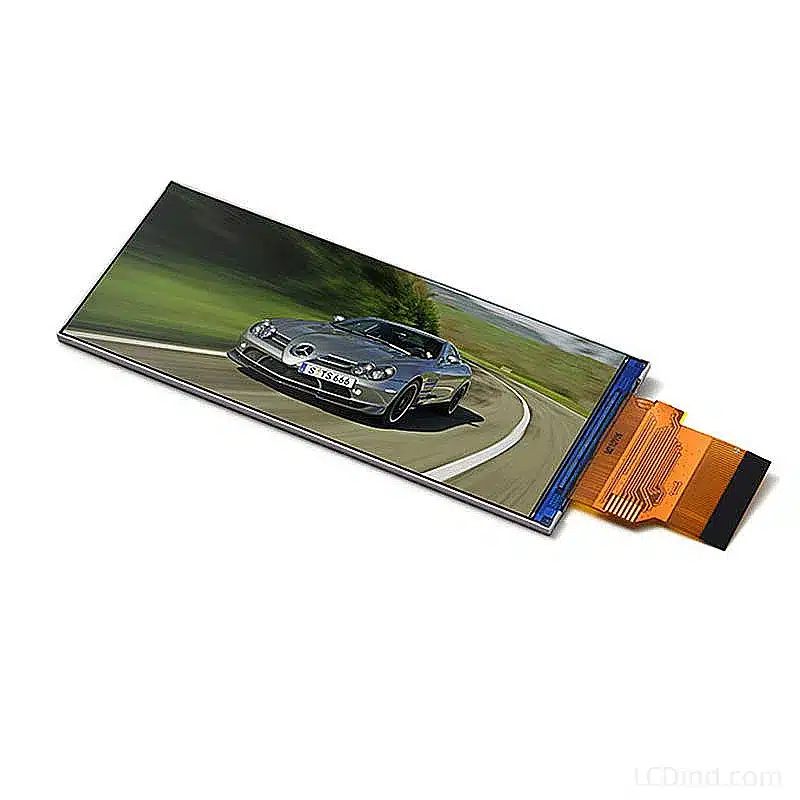
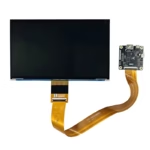
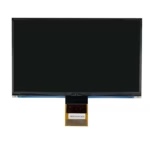
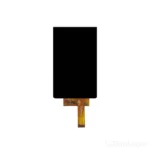
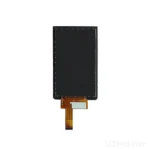
3.99 inch 400×960 IPS stretched bar LCD module with ST7701S driver IC, 3-SPI + 18-bit RGB interface, 350 cd/m2 brightness and 42.9 x 102.08 x 2.25 mm dimensions.
| Brand | LCDind |
|---|---|
| Size | 3.9 inch |
| Brightness | Standard (200-450 nits) |
| Interface | SPI |
| Resolution | |
| Operating Temp | Industrial (-20 ℃ to +70 ℃) |
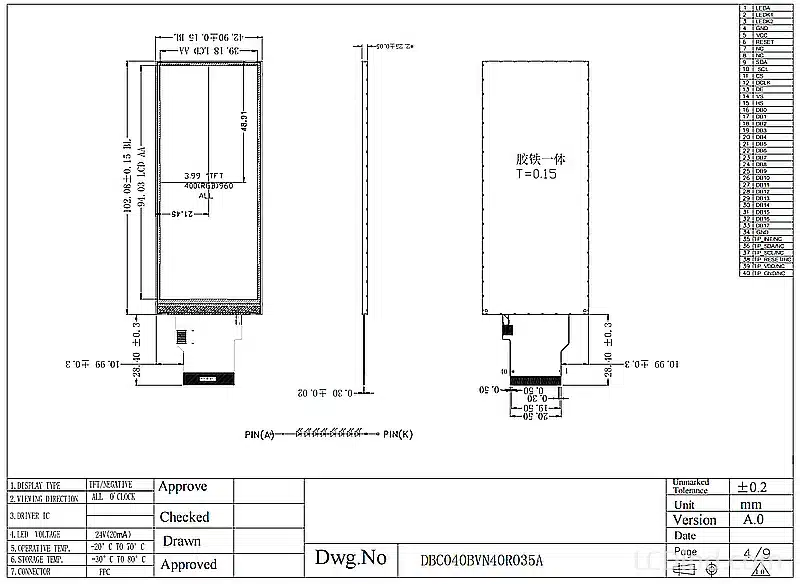
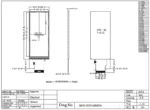
| Outline Dimension | 42.9 × 102.08 × 2.25 mm |
| Driver IC | ST7701S |
| Viewing Angle | 85/85/85/85 (IPS Full View) |
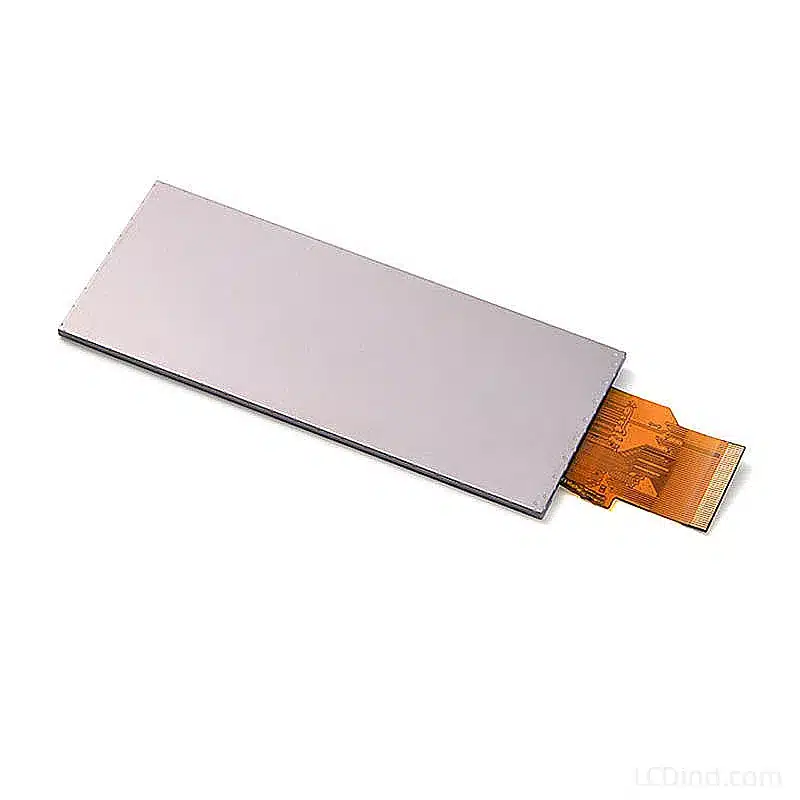
This 3.99 inch bar type LCD module is a higher-resolution stretched IPS display for compact devices that need more width than narrow strip screens. The confirmed specification lists 400 RGB x 960 resolution, 42.9 x 102.08 x 2.25 mm module dimensions, 39.18 x 94 mm active area, 3-SPI + 18-bit RGB interface, ST7701S driver IC, 350 cd/m² typical brightness, and IPS normally black display mode. The attribute table also lists industrial -20 to +70°C operating temperature and 85/85/85/85 viewing angle.
| Feature | Specification |
| Model Name | 3.99 Inch Bar Type LCD |
| Resolution | 400 (RGB) x 960 |
| Module Dimensions | 42.9 x 102.08 x 2.25 mm |
| Active Area | 39.18 x 94 mm |
| Interface | 3-SPI + 18-Bit RGB |
| Driver IC | ST7701S |
| Brightness | 350 cd/m² (Typ.) |
| Display Mode | IPS / Normally Black |
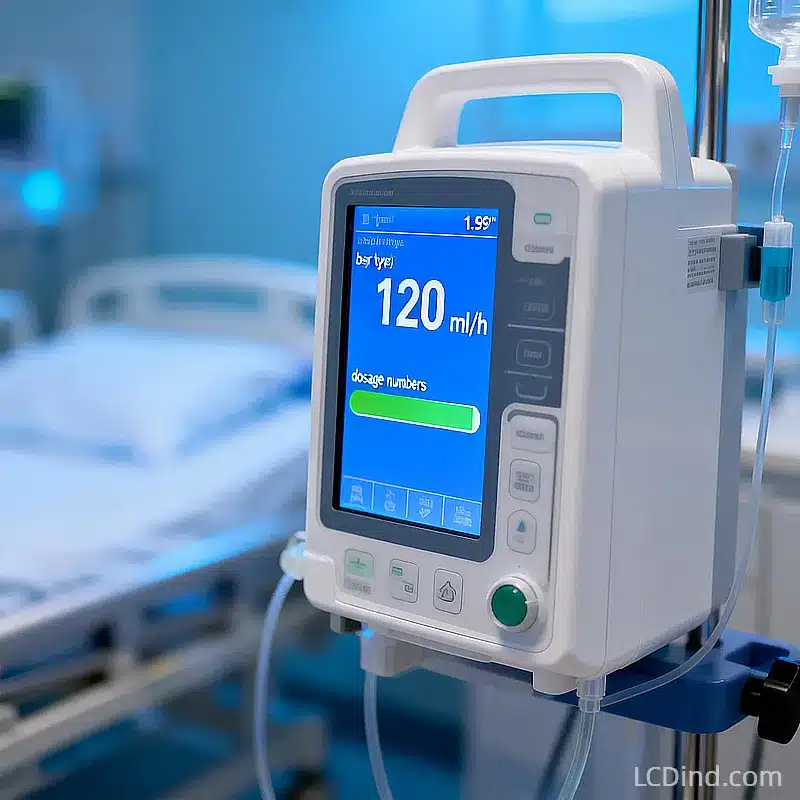
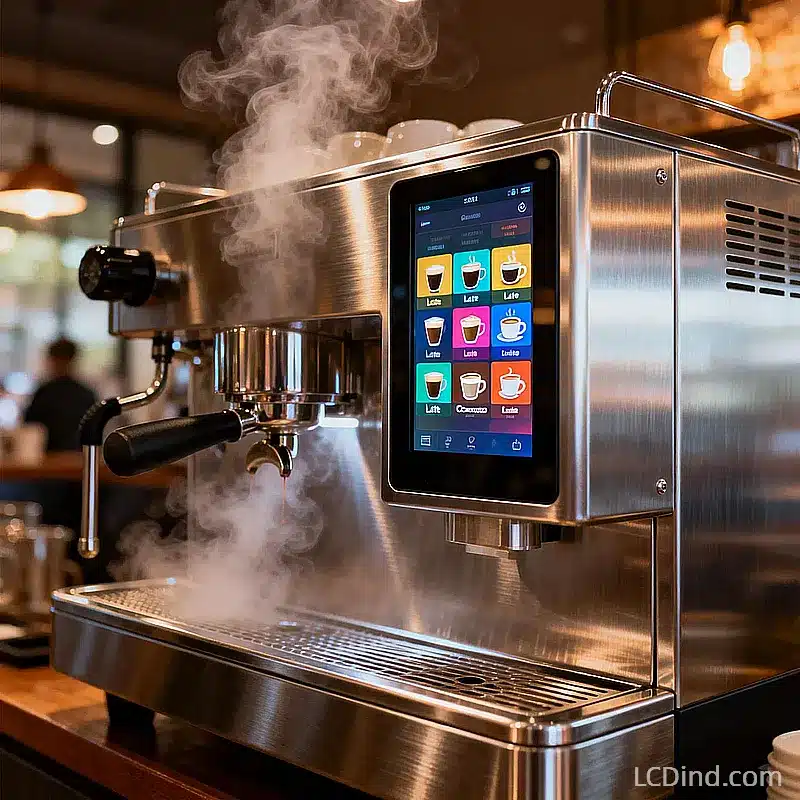
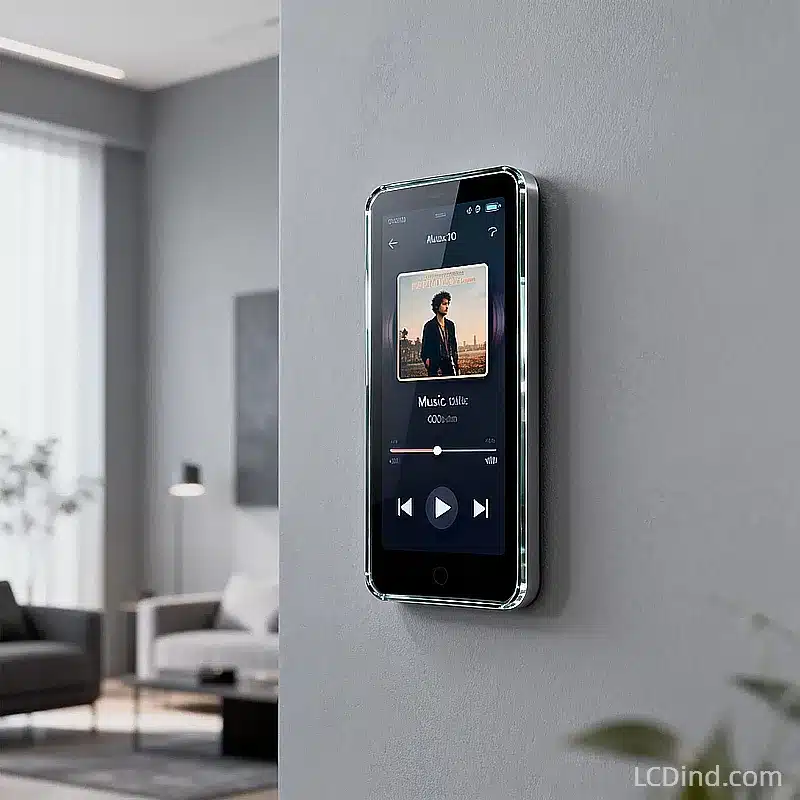
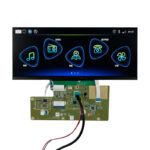
Compared with narrower 240×960 strips, this 400×960 module gives more horizontal room for readable labels, larger icons, and richer vertical interface pages. It is useful for handheld devices, slim terminals, control handles, smart equipment, and specialty panels where a long display shape is desired but text readability still matters.
The confirmed interface is 3-SPI plus 18-bit RGB, with ST7701S driver IC. Host electronics must be reviewed for initialization path, RGB data lines, SPI control, voltage, timing, FPC pinout, and driver support. This is not equivalent to a simple SPI-only module, so the RFQ should include the host controller details.
The IPS normally black mode and wide-view attributes support devices viewed from changing angles. The 350 cd/m² brightness is suitable for many indoor and protected applications. If the product is used outdoors, behind a dark lens, or under strong shop lighting, optical testing is required before approval.
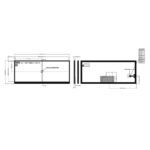
The 42.9 x 102.08 x 2.25 mm outline and 39.18 x 94 mm active area create a long but wider bar display. Mechanical design should prevent twisting, pressure spots, and FPC strain. A cover lens or narrow frame should be reviewed with real samples because active-area alignment is obvious on bar-shaped displays.
The 400×960 resolution can support richer layouts than 240-pixel-wide strips. Use the extra width for readable labels, status cards, and clearer icons rather than overcrowding the interface. A bar display performs best when the content is designed for the ratio instead of adapted from a normal phone screen.
Sample validation should include RGB timing, SPI initialization, color tests, rotation, brightness, enclosure fit, thermal behavior, and long-duration operation. The purchase specification should include ST7701S, interface mode, drawing revision, approved UI orientation, and packaging requirements.
This product is the better bar-display choice when 240-pixel width is too restrictive and the UI needs more readable labels or richer graphics. It should be selected for devices that can support 3-SPI plus 18-bit RGB and have enough enclosure width for the 42.9 mm module. If the project only needs simple level bars, a narrower strip may be more cost-effective.
The interface is not SPI-only; it combines 3-SPI and 18-bit RGB. A host board designed only for simple SPI screens will not be enough. Another risk is designing an attractive mockup that ignores active-area dimensions and FPC placement. Bar displays need early coordination between industrial design, PCB layout, firmware, and UI design.
Validate ST7701S initialization, RGB timing, SPI control, color rendering, display rotation, brightness, viewing angle, and enclosure fit. Test the actual content, not just color bars, because this display is often chosen for interface design reasons. The approval file should define the interface mode, drawing revision, lens requirement, and acceptable cosmetic standard.
This RFQ should include both engineering and design inputs: host interface capability, UI mockup, visible window, cover lens, and available enclosure width. The module is wider than many strip displays, so it may solve readability problems but require more front-panel space. If the product is intended for a premium handheld or control surface, define cosmetic criteria and lens alignment tolerance before sample approval.
Choose this module when a narrow 240-pixel bar display cannot show enough information. Choose the 3.71 inch 240×960 module when enclosure width is very limited. Choose a normal portrait display when the UI needs conventional pages. This comparison should include real-size UI mockups, not only resolution numbers, because bar-display usability is highly dependent on content design and readability.
The specifications above are taken from the current public product page and should be used as selection inputs, not as final system approval. Before sample purchase or production order, LCDind should review the host interface, drawing, optical stack, operating environment, accessory requirement, and quantity plan. This avoids selecting a display that matches the headline but fails the enclosure, firmware, brightness, thermal, or supply requirements of the finished equipment.
No. The confirmed interface is 3-SPI + 18-bit RGB.
The public specification lists ST7701S.
The extra width supports more readable text, larger icons, and richer compact-device layouts.
| Brand | LCDind |
|---|---|
| Size | 3.9 inch |
| Brightness | Standard (200-450 nits) |
| Interface | SPI |
| Resolution | |
| Operating Temp | Industrial (-20 ℃ to +70 ℃) |
| Outline Dimension | 42.9 × 102.08 × 2.25 mm |
| Driver IC | ST7701S |
| Viewing Angle | 85/85/85/85 (IPS Full View) |
A: The active display diagonal is precisely 3.99 inches. In the industry, it is often categorized as a 4 inch bar type display. The active area is 39.18mm wide by 94mm high.
A: The 400x960 resolution offers 66% more pixels horizontally. This allows for better anti-aliasing of fonts and the ability to display circular buttons or gauges without them looking oval or compressed.
A: The standard module comes without touch (No Touch), but we can custom bond a Capacitive Touch Panel (CTP) for your project. The wider 40mm surface area is excellent for touch interaction.
Q: What is the MOQ?
A: The MOQ for our products is 1 piece. We are able to provide support throughout the testing process.
Q: What about the delivery time?
A: We have products in stock and can ship them within 3 working days.
Q: Does your product have any warranty?
A: Yes, we offer a warranty that ensures the LCD will function properly upon receipt. However, please note that we do not provide guarantees for any damage caused during use.
Q: What’s your payment method?
A: We accept several payment methods, including T/T (bank transfer), and PayPal.
Q: What’s your shipping method?
A: Thank you for your inquiry. We offer various shipping methods to suit different needs.
For small quantity orders, we use UPS Air-Express, DHL, FedEx, TNT, or EMS Express service. These options are safe and fast.
For large quantity orders, we typically work with the buyer’s cargo agent in China. Alternatively, we can arrange for air or sea transportation.
Please let us know your preferred shipping method and we will do our best to accommodate your request.
Q: Do you offer custom solution?
A: Yes, we offer custom solutions if our standard products do not meet the buyer’s requirements. Please let us know your specific needs, and we will work with you to create a tailored solution that meets your business needs.
Q: How to Contact us?
A: Send your Inquiry Details in the Below, Click “Send” Now!
🔒 Your data is secure. We usually reply within 24 hours.