13

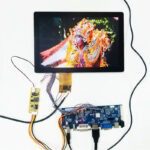
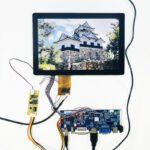
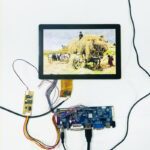
Description
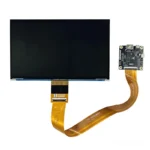
10.1 Inch 1920×1200 IPS GG5 Touchscreen LVDS Module for Equipment Interfaces
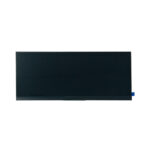
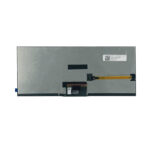
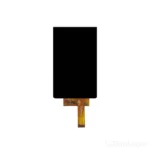
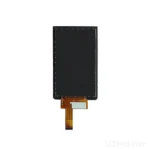
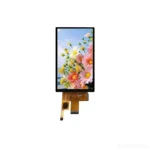
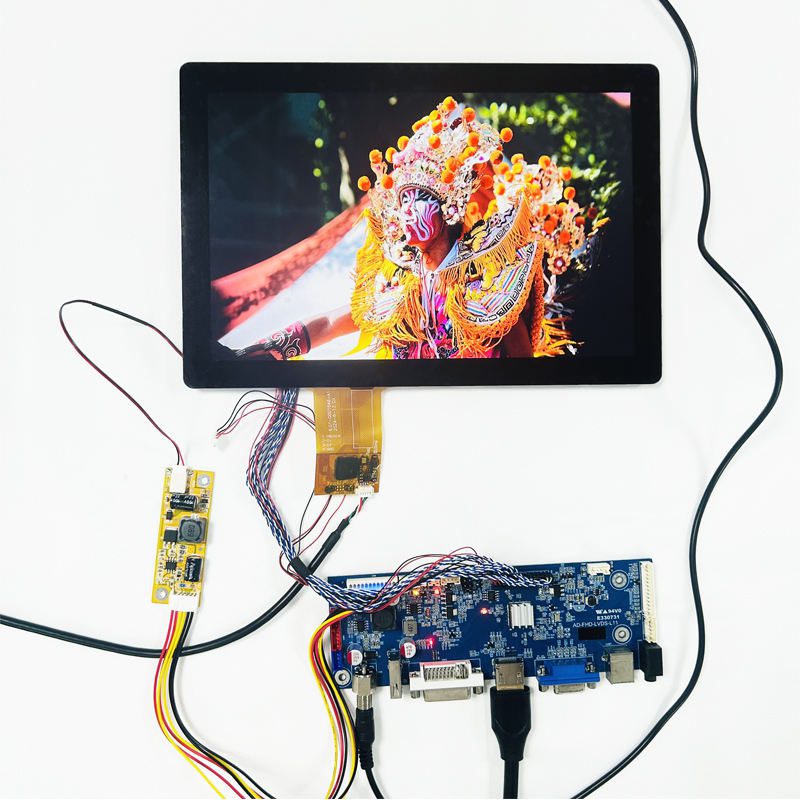
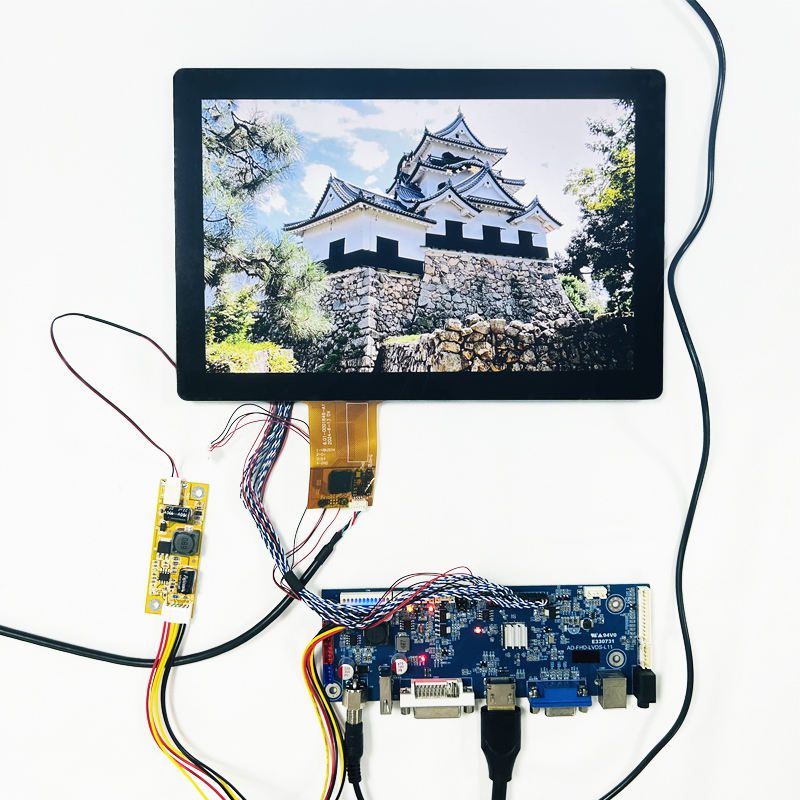
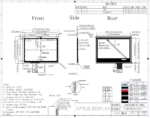
This 10.1 inch 1920×1200 IPS GG5 touchscreen LVDS TFT LCD module is intended for industrial and commercial equipment programs that need a high-resolution WUXGA touch display with protected cover glass. The production specification table confirms 10.1 inch panel size, 1920xRGB x 1200 pixel format, 216.8064(H) x 135.504(V) mm active area, 245.0 x 165.0 x 8.34 mm outline dimension, 45-pin LVDS interface, normally black display mode, RGB vertical stripe format, side-light LED backlight, -20°C to +70°C operating temperature, and -30°C to +80°C storage temperature. The page should be written for project engineers and procurement teams rather than consumer-device buyers.
Technical Specifications
|
Item
|
Specification
|
Unit
|
|
Panel Size
|
10.1”
|
inch
|
|
Number of Pixels
|
1920xRGB (3)x1200
|
pixels
|
|
Active Area
|
216.8064(H)x135.504(V)
|
mm
|
|
Pixel Pitch
|
0.0376(W)x0.1128(V) x RGB
|
mm
|
|
Outline Dimension
|
245.0*165.0*8.34
|
mm
|
|
Display Mode
|
normally black
|
–
|
|
Display Format
|
RGB vertical stripe
|
–
|
|
Interface
|
45Pin LVDS
|
–
|
|
Backlight
|
Single LED (Side-Light type)
|
–
|
|
Operation Temperature
|
-20℃~+70℃
|
℃
|
|
Storage Temperature
|
-30℃~+80℃
|
℃
|
Equipment-Level Role
A 1920×1200 display gives an equipment designer more vertical workspace than a 1920×1080 panel, which is useful for multi-row controls, diagnostic tables, trend views, maps, inspection images, and configuration screens. The touch and GG5 glass direction suggests use in operator-facing equipment where the front surface may see repeated interaction. The module should be selected with the complete front assembly in mind, including bezel, gasket, cover thickness, grounding, and user environment.
LVDS Integration
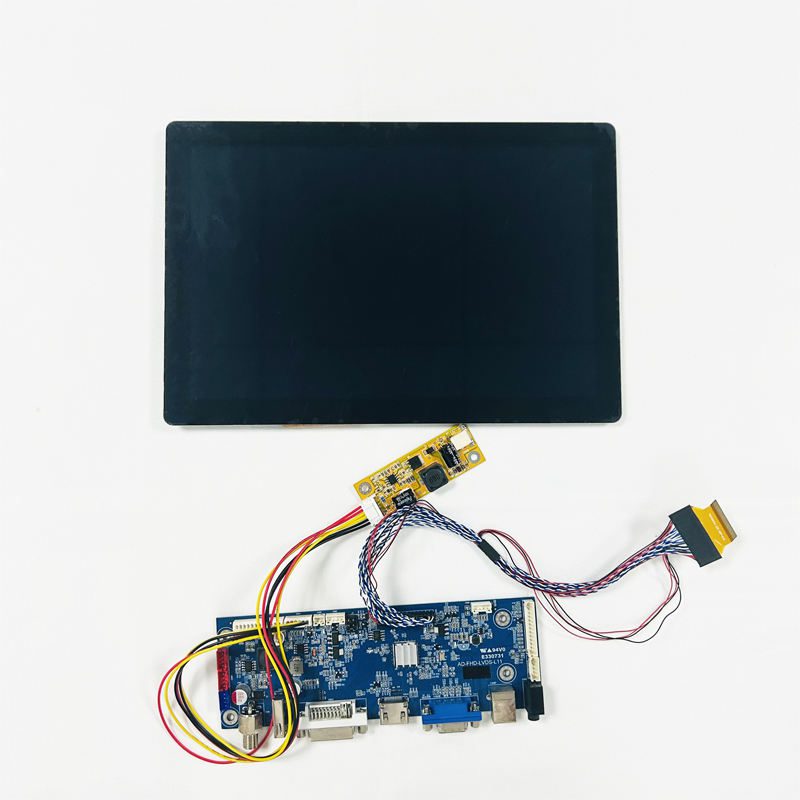
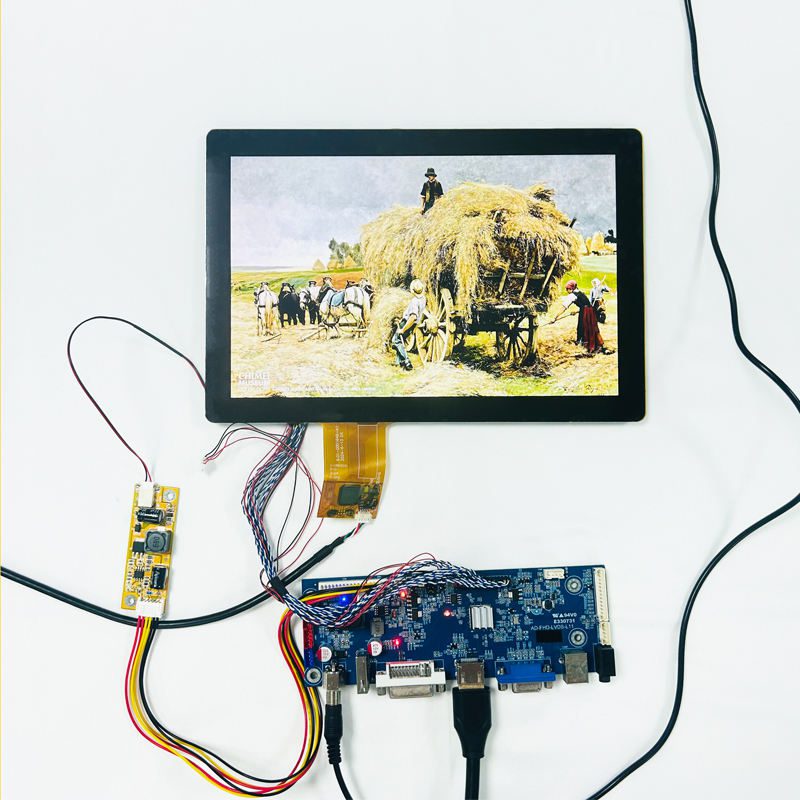
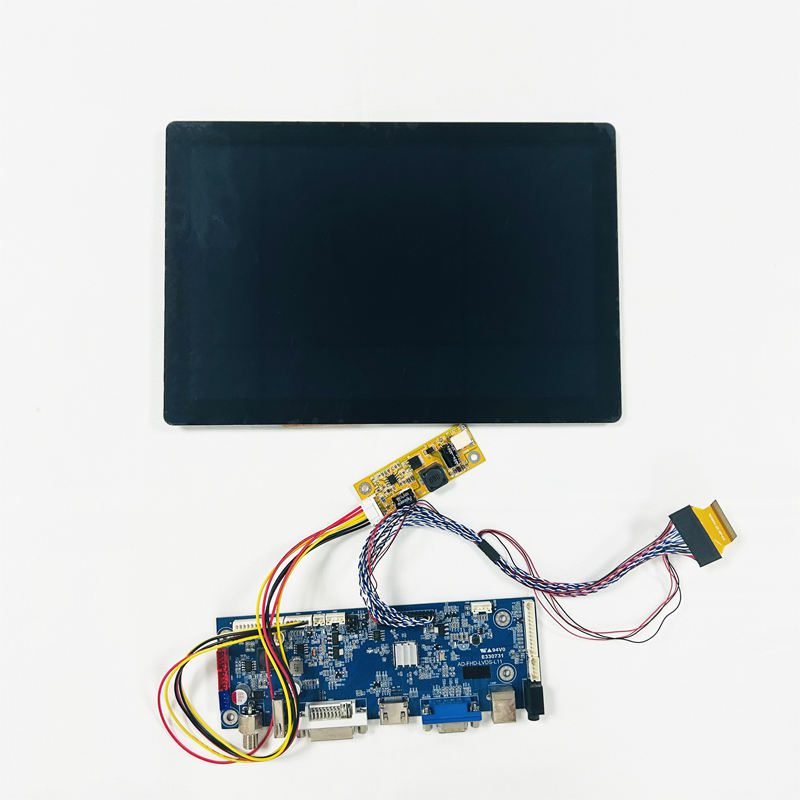
The confirmed 45-pin LVDS interface requires host-board review. Engineers should confirm mapping, voltage rails, cable length, connector orientation, backlight control, and whether the system uses a direct LVDS output or a controller board. If the device platform uses HDMI, eDP, or an embedded computer without LVDS, a controller solution must be specified during RFQ rather than left to sample testing.
Touch and Cover-Glass Review
GG5 cover glass can improve scratch resistance and front-surface durability, but it does not remove the need for touch validation. Capacitive touch performance depends on cover thickness, grounding, noise from power electronics, glove requirements, moisture exposure, and firmware tuning. Before mass production, test touch accuracy at the edges, multi-point operation if required, and behavior when the display is installed in the final enclosure.
Best-Fit Applications
This module fits industrial terminals, medical carts, laboratory instruments, access-control panels, marine or vehicle service screens, and compact operator stations where image detail and touch input are both important. It may be excessive for simple status panels or low-cost equipment that only needs 1024×600. For high-resolution UI projects, the mechanical and software teams should align on font scale, touch target size, brightness mode, and landscape or portrait mounting early.
RFQ Notes
Send the target application, interface source, required quantity, cover-glass requirement, touch environment, enclosure drawing, and any controller-board requirement. Use the exact active area, outline dimension, LVDS interface, operating temperature, and storage temperature from the table. This prevents confusion with other 10.1 inch 1920×1200 modules that may have different cover stacks or connector definitions.
Sample Approval and Production Controls
Sample approval should test the display and touch stack inside the intended enclosure. Check LVDS signal stability, backlight dimming, touch edge accuracy, glass alignment, cover-glass reflection, EMI behavior, and startup recovery. If the unit is used in medical, laboratory, or industrial control equipment, run UI readability checks with the real software rather than a simple color-bar image. Procurement should request the approved drawing, connector definition, touch controller information, and packing method before placing a production order.
How to Compare Alternatives
Compare this module against lower-resolution 10.1 inch touch displays by UI density, glass requirement, interface compatibility, and enclosure design. WUXGA is valuable when the operator must read detailed data or images, but it may increase host GPU or controller requirements. If the application only shows a simple menu, a 1024×600 or 1280×800 module may be more economical. If durability matters, cover-glass and touch-stack details may matter more than resolution.
Project Risk Boundaries
The main project risk is separating display approval from front-panel approval. A WUXGA touch module may pass a bench test but fail in the final product if the cover glass reflects too much light, the touch controller is affected by grounding, or the LVDS cable is routed near noisy electronics. If the device is used in regulated or customer-approved equipment, lock the exact display stack before certification or customer pilot testing.
Information LCDind Needs for a Reliable Quote
For quotation, provide the host board output, LVDS pin requirement, mounting drawing, cover-glass requirement, touch environment, brightness expectation, and annual quantity. If this display replaces an existing module, send the old panel label and photos of the connector and front assembly. LCDind can then confirm whether the standard module fits or whether cable, touch tuning, bonding, or cover customization is required.
RFQ Checklist
- Product URL, model reference, and target application.
- Host interface, controller board, cable, firmware, and voltage requirements.
- Mechanical drawing, active area, outline, cover lens, mounting, and cable route.
- Brightness, touch, operating environment, thermal, and optical requirements.
- Sample schedule, annual quantity, packaging, inspection, and revision-control expectations.
Engineering FAQ
Is this the same as a bare 10.1 inch LCD panel?
No. It should be reviewed as a touch display module with GG5 cover glass and LVDS interface requirements.
What should be checked before sample approval?
Check LVDS mapping, backlight control, touch performance, mechanical fit, glass edge clearance, and front-panel grounding.
Can LCDind provide controller support?
Controller-board matching can be reviewed when the host platform and input signal are provided in the RFQ.
Engineering Review Note
For quotation, send the product URL, target quantity, application background, host platform, interface requirement, and any existing drawing or replacement panel details. LCDind will review whether the standard configuration fits or whether cable, controller board, touch, cover glass, optical bonding, brightness, packaging, or lifecycle customization should be quoted.
Shipping and Delivery