13
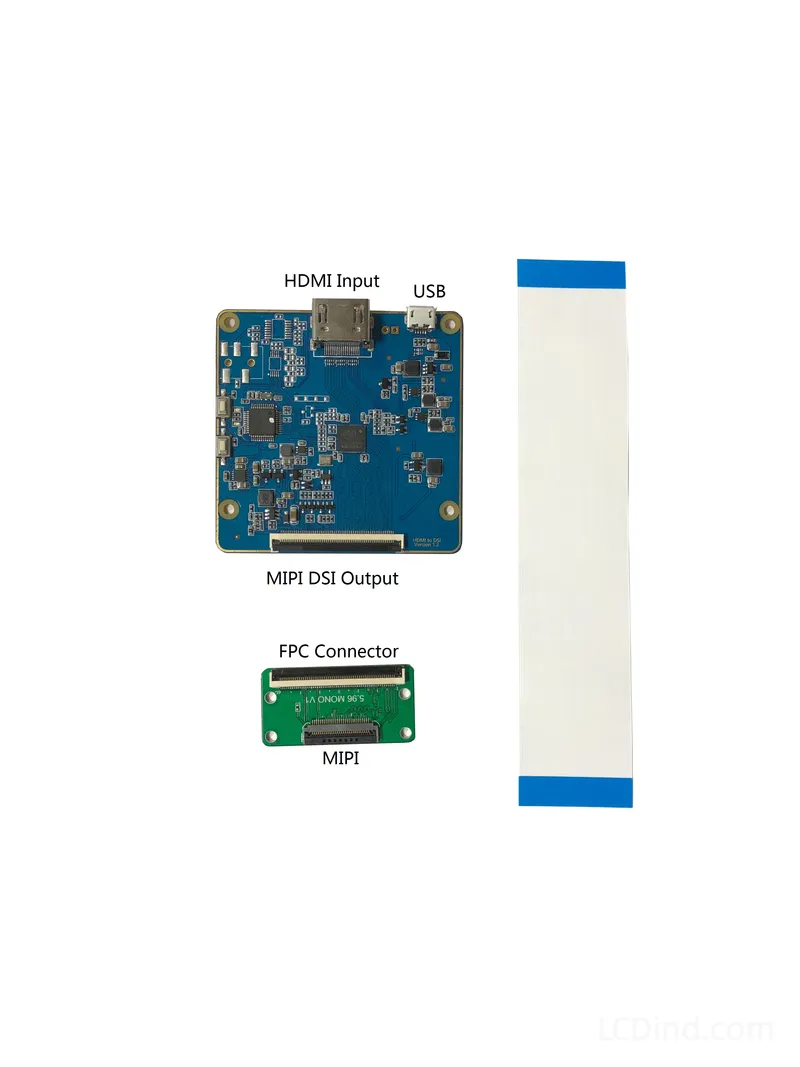
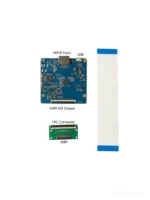
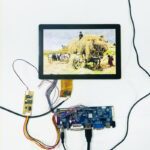
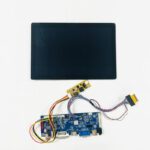
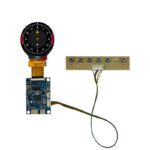
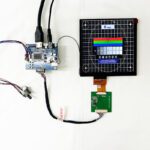
Universal LCD Controller Board solutions. Convert HDMI/VGA signals to LVDS, EDP, or MIPI. Custom firmware support for industrial display panels.
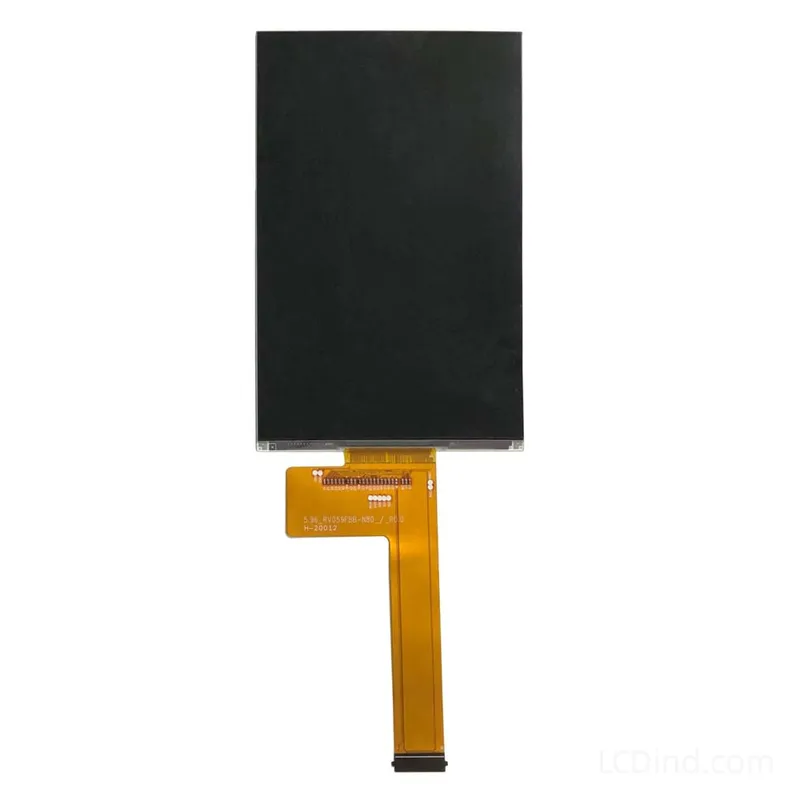
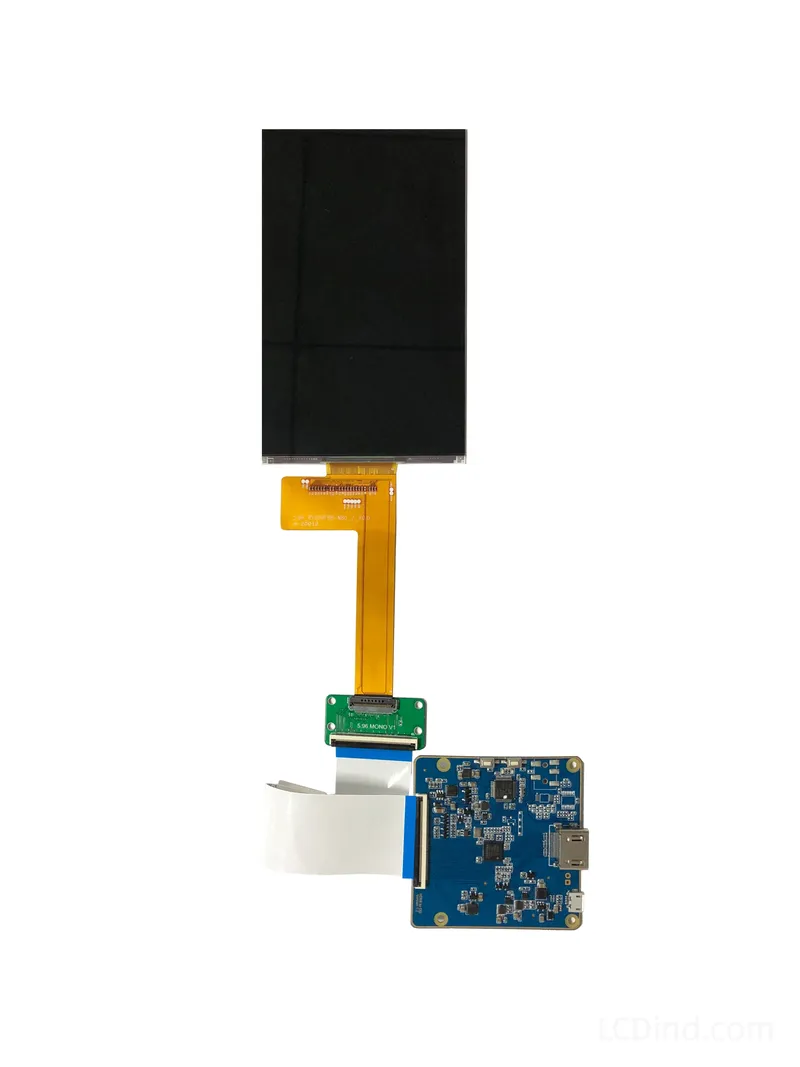
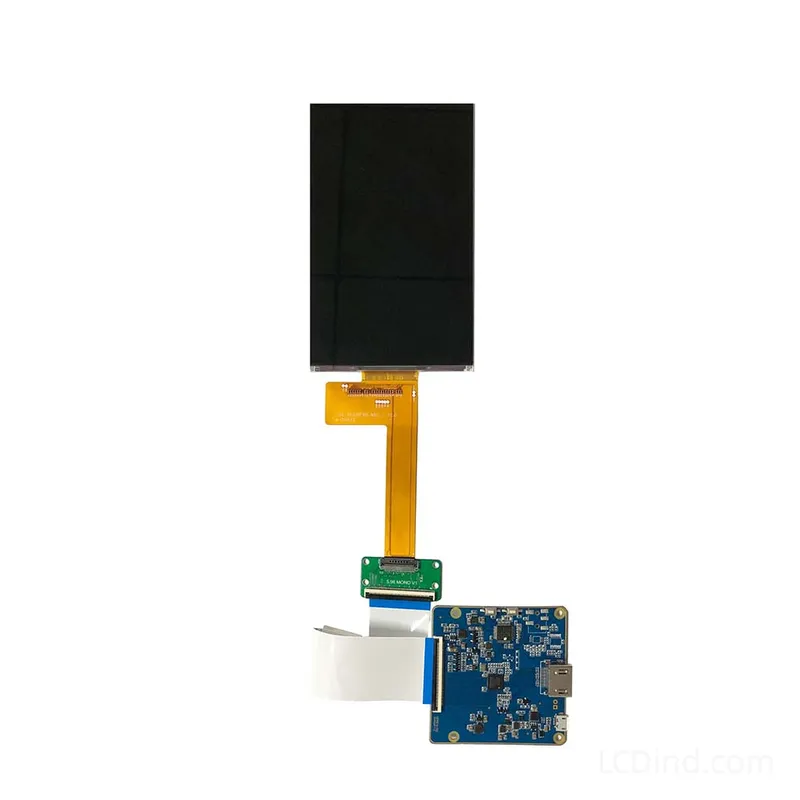
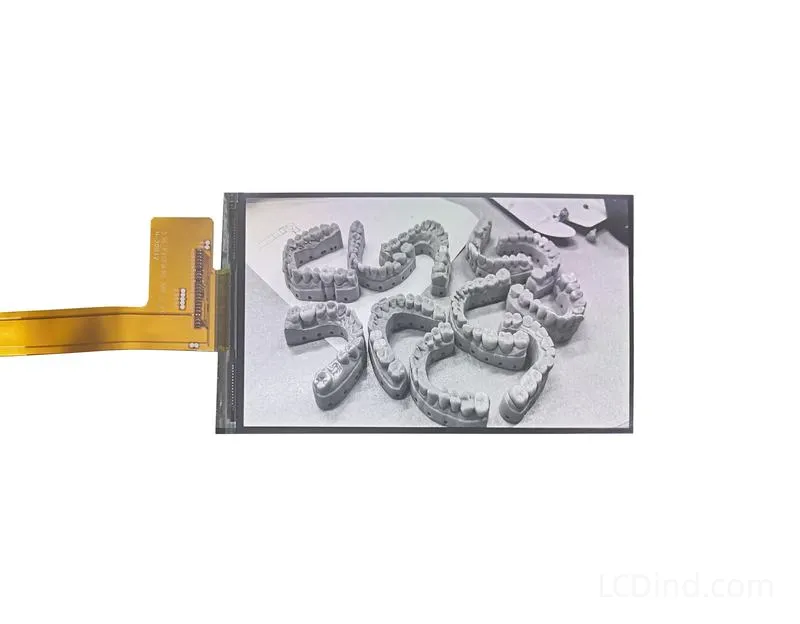
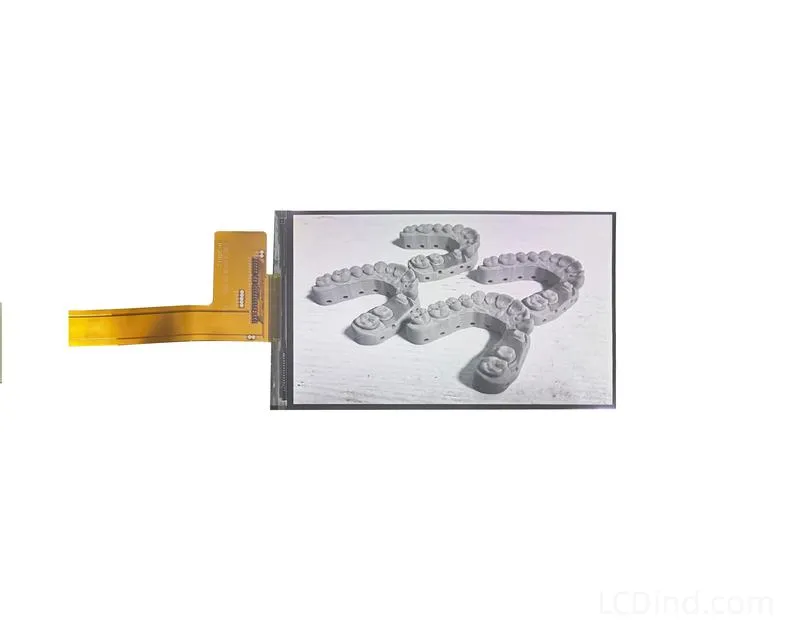
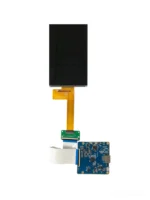
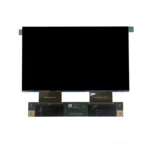
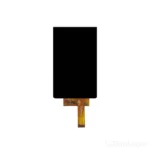
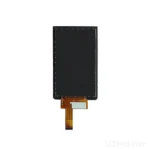
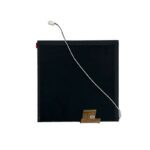
6 inch 2K true mono LCD for MSLA 3D printers with 1620×2560 resolution, 30-pin MIPI interface, 81×128 mm active area, 405 nm UV support and >10,000 hour lifecycle.
| Brand | LCDind |
|---|---|
| Size | 6.0 inch |
| Brightness | Standard (200-450 nits) |
| Interface | MIPISpecify MIPI DSI displays by TFT or mono path, resolution, lane count, driver IC, command or video mode, initialization, pinout, touch and annual quantity. |
| Panel Type | IPS |
| Resolution | 1620×2560 |
| Operating Temp | Standard (0 ℃ to +50/60 ℃) |
| Touchscreen | No Touch, Optional Touchscreen |
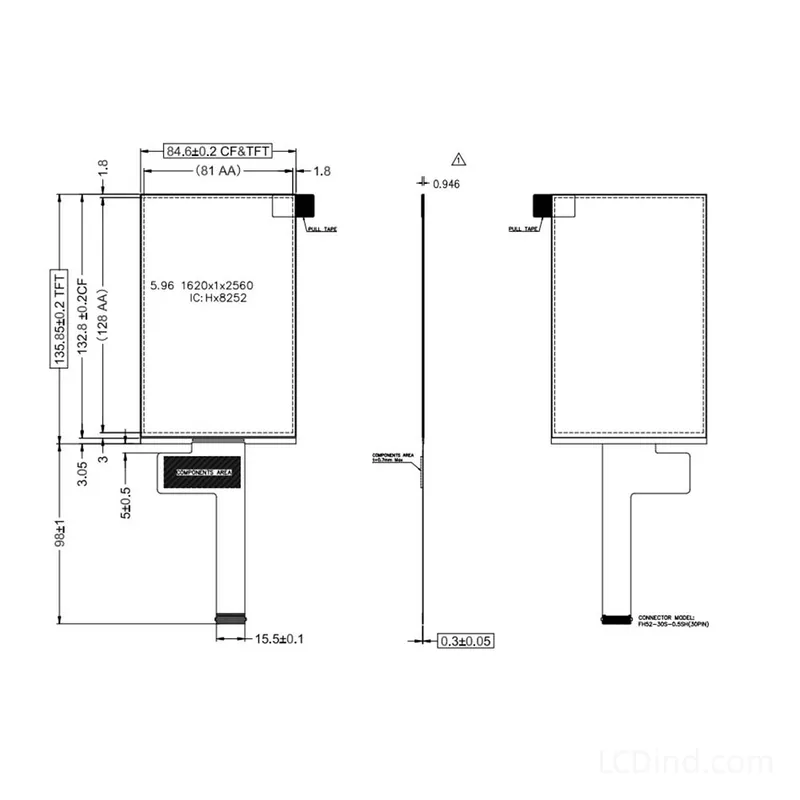
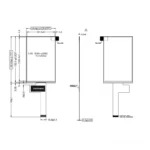
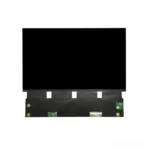
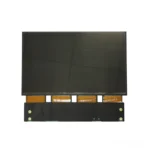
This 6 inch 2K mono LCD is a 3D printer replacement and OEM supply candidate for MSLA equipment, including Elegoo Mars 2 Pro compatibility review. The confirmed public data lists LCD060M2K10 / BOE RV059FBB-N80 open cell, 1620×2560 2K resolution, true monochrome LCD without sub-pixels, 81×128 mm active area, 84.6×135.85×1.08 mm outline, 50×50 µm pixel pitch, 30-pin MIPI interface, 6% to 7% UV transmittance at 405 nm, 600:1 to 800:1 contrast at 405 nm, 80/80/80/80 minimum viewing angle, more than 10,000 hours lifecycle, and 0°C to 70°C operating temperature.
| Product Name | 6 Inch 2K Mono LCD for 3D Printer |
| Model Name | LCD060M2K10 (BOE RV059FBB-N80 Open Cell) |
| Resolution | 1620 x 2560 (2K) |
| Display Type | True Monochrome LCD (No sub-pixels) |
| Active Area | 81(W) x 128(H) mm |
| Outline Dimension | 84.6(W) x 135.85(H) x 1.08(D) mm |
| Pixel Pitch | 50 x 50 um (0.05mm) |
| Interface | MIPI (30 Pins) |
| UV Transmittance | 6% ~ 7% (at 405nm UV Light) |
| Contrast Ratio | 600:1 ~ 800:1 (at 405nm) |
| Viewing Angle | 80/80/80/80 (Min.) |
| Life Cycle | > 10,000 Hours |
| Operating Temp | 0°C ~ 70°C |
This screen is intended for resin printers that use a 6 inch 2K mono exposure mask. It can be relevant for repair distributors, printer OEMs, and service teams, but compatibility must be confirmed from the actual printer hardware. Printer model names are not enough because mainboard revisions, FPC pinout, glass outline and firmware can change across batches.
The 1620×2560 resolution and 50 µm pixel pitch define the printer's XY resolution and build-area mapping. The true mono structure and 405 nm UV transmittance are important because the LCD acts as an exposure mask rather than a normal color display. The buyer should verify slicing profile, build plate dimensions, exposure uniformity and UV power before volume approval.
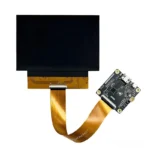
The public table confirms a 30-pin MIPI interface. The RFQ should include FPC photos, connector details, mainboard revision, firmware version, and original screen label. A 30-pin screen and a 50-pin screen with similar resolution are not interchangeable. The initialization sequence and mechanical exit direction should be verified before confirming replacement compatibility.
UV transmittance is listed as 6% to 7% at 405 nm. That value should be reviewed with the printer light engine, lens, exposure settings, protective glass and cooling structure. If the printer is modified with stronger LEDs or faster exposure profiles, sample testing should include temperature rise and print results across the active area.
The active area is 81×128 mm and outline dimension is 84.6×135.85×1.08 mm. These values should align with the vat window, gasket, cover glass, FPC slot and mounting frame. Even a small mismatch can create print-area offset, masked edges, pressure on the glass, or cable stress during assembly.
For B2B repair supply, define dead-pixel standard, protective film, packaging, lot traceability, installation guidance and return handling. Mono LCD replacement screens are fragile, so a low price without packaging and inspection control can increase field replacement cost. LCDind should clarify whether the buyer needs open-cell only or a kit scope.
Choose this LCD060M2K10 / BOE RV059FBB-N80 option when the printer supports the 30-pin MIPI path and matching active area. If the printer uses 50-pin MIPI or another glass outline, compare with the 50-pin 6 inch 2K page rather than treating them as equivalent.
If this screen is purchased for repair inventory, separate it clearly from 50-pin 6 inch 2K screens. The model, connector photos and package labels should be visible to warehouse and service staff. Many replacement mistakes happen after receiving, not during quotation, because two screens with similar resolution and size are stored together without pin-count control.
After installation, exposure settings may need adjustment because UV transmittance, contrast and screen age affect curing. The buyer should test fine columns, flat surfaces, edge exposure and repeated-layer heat. If the printer originally used another LCD revision, do not assume the same exposure time will produce the same print quality.
The open-cell glass and FPC should be handled with anti-static and mechanical protection. Installation guidance should state the safe bending direction, cleaning method, protective-film removal timing and screw or gasket pressure. These controls reduce cracks, cable damage and early failures that may otherwise be misread as LCD quality issues.
The specifications above are taken from the current public product page and should be treated as selection inputs, not final system approval. Before sample purchase or production order, LCDind should review interface compatibility, drawing, optical stack, touch requirement, operating environment, controller-board scope, supply quantity and inspection criteria. This keeps the existing product URL intact while making the page more useful for B2B engineering and sourcing decisions.
The detailed public table lists a 30-pin MIPI interface.
Yes. The table lists true monochrome LCD with no sub-pixels.
Confirm original LCD label, FPC, mainboard revision, firmware and mechanical glass outline.
| Brand | LCDind |
|---|---|
| Size | 6.0 inch |
| Brightness | Standard (200-450 nits) |
| Interface | MIPISpecify MIPI DSI displays by TFT or mono path, resolution, lane count, driver IC, command or video mode, initialization, pinout, touch and annual quantity. |
| Panel Type | IPS |
| Resolution | 1620×2560 |
| Operating Temp | Standard (0 ℃ to +50/60 ℃) |
| Touchscreen | No Touch, Optional Touchscreen |
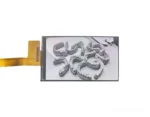
A: A True Monochrome LCD lacks the physical grid (sub-pixels) used to separate red, green, and blue colors. This structural advantage allows 405nm UV light to pass through vertically and completely, preventing light scattering. This not only skyrockets the transmittance from under 1% up to 6%~7%, but it also guarantees incredibly sharp and crisp edges on your printed models.
A: Absolutely. The display area (81x128mm) and the 1620x2560 2K resolution perfectly match mainstream 6-inch resin printers like the Elegoo Mars 2 Pro and Anycubic Photon Mono. Its thin profile drops right into the original chassis beneath the resin vat.
A: Yes. This 30-pin MIPI interface screen is fully capable of working with Raspberry Pi or Windows PC motherboards. Upon request, we can provide the exact configuration files (config) or adapter driver boards to save you hours of debugging time.
A: Original open-cell glass is relatively fragile. As part of our customization services, we highly recommend and can pre-install a high-strength tempered glass cover over the LCD. This completely eliminates the risk of screen destruction caused by resin vat leaks.
Q: What is the MOQ?
A: The MOQ for our products is 1 piece. We are able to provide support throughout the testing process.
Q: What about the delivery time?
A: We have products in stock and can ship them within 3 working days.
Q: Does your product have any warranty?
A: Yes, we offer a warranty that ensures the LCD will function properly upon receipt. However, please note that we do not provide guarantees for any damage caused during use.
Q: What’s your payment method?
A: We accept several payment methods, including T/T (bank transfer), and PayPal.
Q: What’s your shipping method?
A: Thank you for your inquiry. We offer various shipping methods to suit different needs.
For small quantity orders, we use UPS Air-Express, DHL, FedEx, TNT, or EMS Express service. These options are safe and fast.
For large quantity orders, we typically work with the buyer’s cargo agent in China. Alternatively, we can arrange for air or sea transportation.
Please let us know your preferred shipping method and we will do our best to accommodate your request.
Q: Do you offer custom solution?
A: Yes, we offer custom solutions if our standard products do not meet the buyer’s requirements. Please let us know your specific needs, and we will work with you to create a tailored solution that meets your business needs.
Q: How to Contact us?
A: Send your Inquiry Details in the Below, Click “Send” Now!
🔒 Your data is secure. We usually reply within 24 hours.