13
8.9 Inch 4K Mono LCD 3D Printer Screen | Photon Mono X Replacement
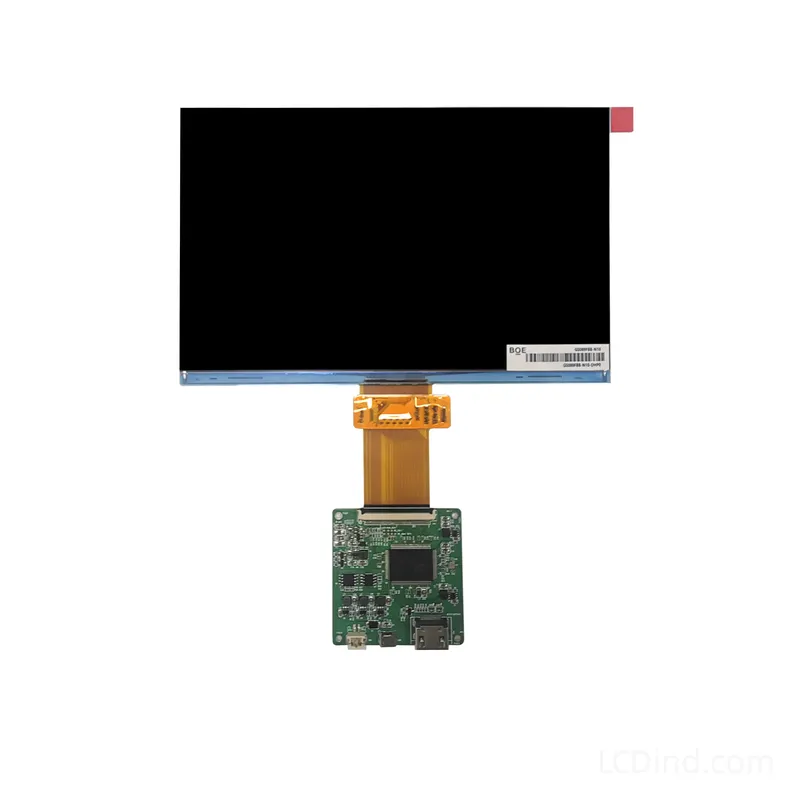
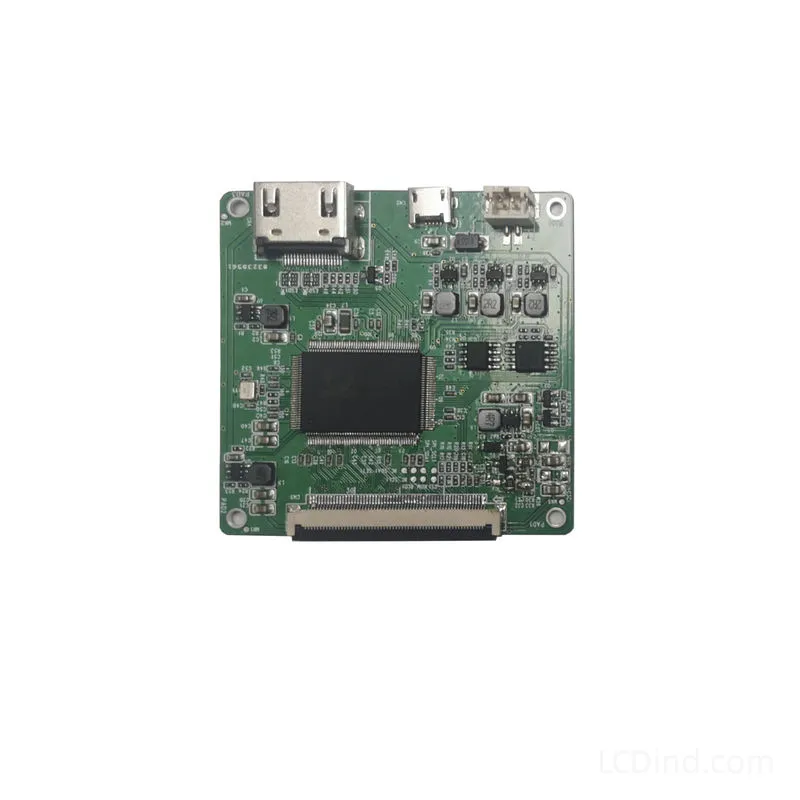
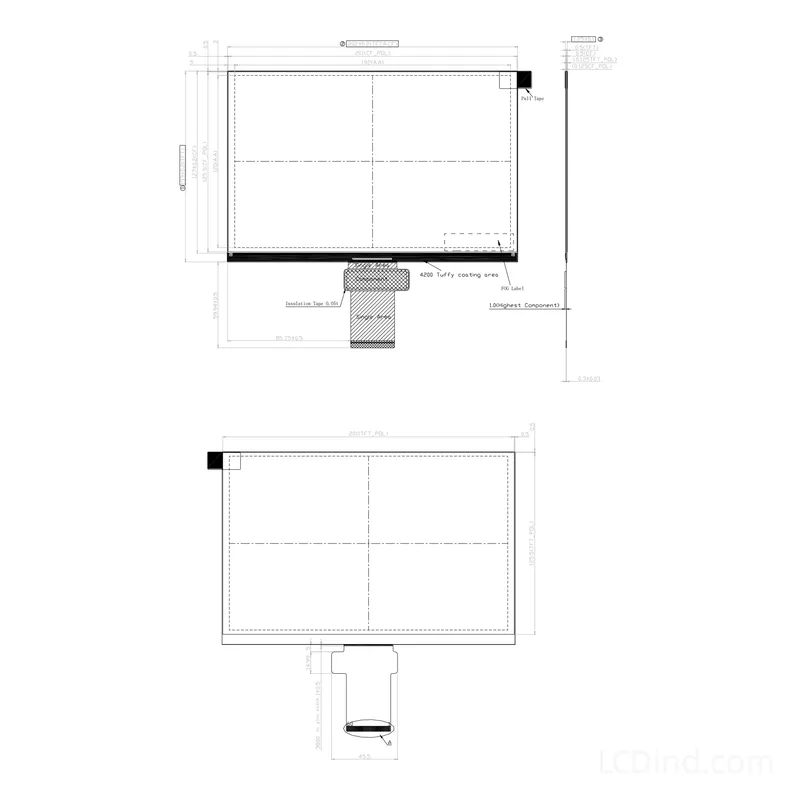
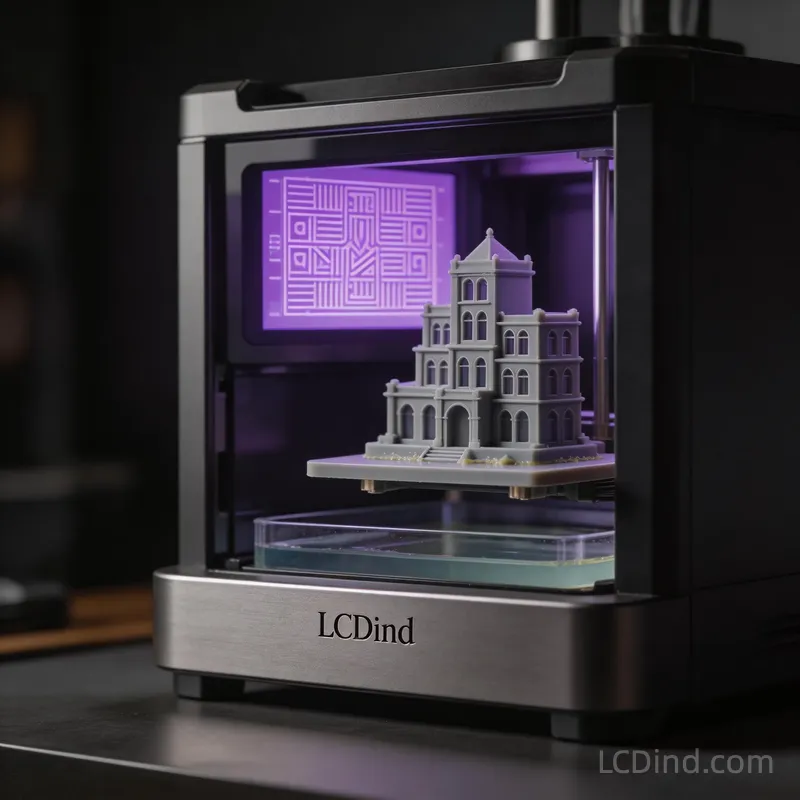
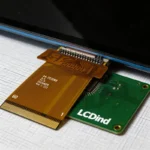
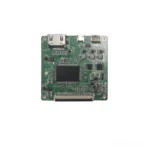
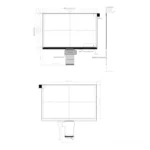
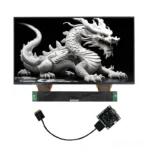
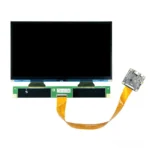
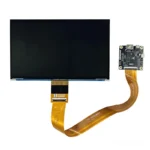
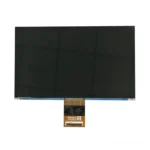
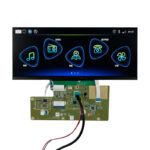
8.9 inch 4K mono LCD with 3840×2400 resolution, 60-pin LVDS interface, ST5892B driver IC, 192×120 mm active area, 6.6% UV transmittance and open-cell no-backlight structure.
Product Attributes
| Brand | LCDind |
|---|---|
| Brightness | Standard (200-450 nits) |
| Interface | LVDSSpecify LVDS industrial TFT LCD modules by size, resolution, channel count, JEIDA/VESA mapping, pinout, brightness, touch, temperature and annual quantity. |
| Panel Type | IPS |
| Resolution | 3840×2400 |
| Size | 8.9 inch |
| Operating Temp | Industrial (-20 ℃ to +70 ℃) |
| Touchscreen | No Touch, Optional Touchscreen |
Description
8.9 Inch 4K Mono LCD 60-Pin LVDS Screen for MSLA 3D Printer Replacement
This 8.9 inch 4K mono LCD is a 60-pin LVDS open-cell screen for mid-format MSLA printer replacement and OEM programs, including Photon Mono X or Elegoo Saturn compatibility review. The confirmed public table lists 8.9 inch display size, 3840×2400 4K mono LCD resolution, 192.0×120.0 mm active area, 202×133×1.25 mm outline, 50×50 µm pixel pitch, 60-pin LVDS signal interface, ST5892B driver IC, 6.6% UV transmittance, minimum 300:1 contrast ratio, 80/80/80/80 typical viewing angle, normally black transmissive display mode, -20°C to 70°C operating temperature and open-cell structure without backlight.
Confirmed Product Specifications
| Display Size | 8.9 Inch |
| Resolution | 3840 x 2400 (4K Mono LCD) |
| Active Area | 192.0(H) x 120.0(V) mm |
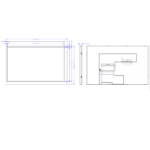
| Outline Dimension | 202 x 133 x 1.25 mm |
| Pixel Pitch | 50 x 50 um |
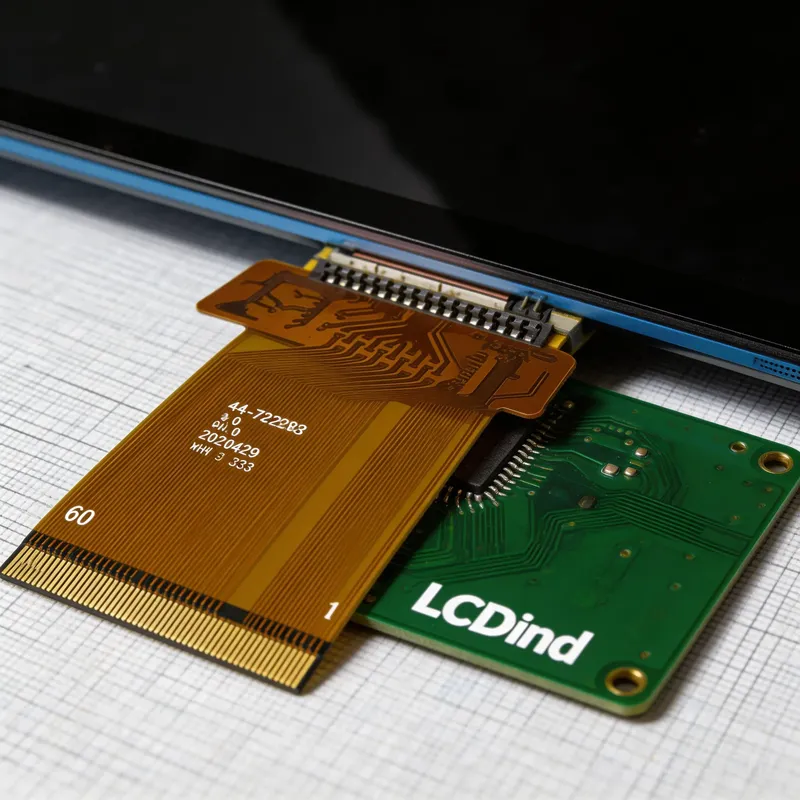
| Signal Interface | 60 Pins LVDS |
| Driver IC | ST5892B |
| UV Transmittance | 6.6% |
| Contrast Ratio | 300:1 (Min.) |
| Viewing Angle | 80/80/80/80 (Typ.) |
| Display Mode | Normally Black, Transmissive |
| Operating Temp | -20°C ~ 70°C |
| Backlight | Without Backlight (Open Cell) |
LVDS Printer Replacement Fit
This screen is used when the printer platform supports a 60-pin LVDS mono LCD path. It is relevant for repair suppliers, printer OEMs and engineering teams supporting mid-format resin printers. Printer model references are useful starting points, but LCDind should still verify connector, FPC, mainboard revision and firmware.
LVDS Versus MIPI Boundary
This page is distinct from the 50-pin MIPI version. LVDS mapping, driver IC, pinout and initialization differ. A buyer should not order by 8.9 inch 4K resolution alone. The original display label and connector photos are the fastest way to avoid selecting the wrong interface family.
Optical Exposure Role
The 6.6% UV transmittance and 50 µm pixel pitch affect exposure settings and print accuracy. The screen should be validated with the real UV source, resin, exposure profile and cooling design. Replacement programs should run print tests rather than only checking whether the LCD shows a mask image.
Mechanical Fit
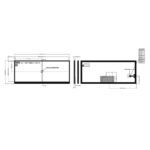
The active area is 192×120 mm and outline is 202×133×1.25 mm. These values must match vat opening, build area, gasket, glass support and FPC route. A small mechanical mismatch can shift print area or stress the glass during installation.
Open-Cell Handling
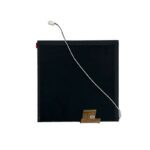
The table lists no backlight. This open-cell part needs careful handling, anti-static protection, protective film control and installation guidance. LCDind and the buyer should agree on packaging, inspection and claim handling because damage during shipping or installation can look like panel failure.
Production and Repair Control
For repeat supply, create a compatibility matrix with printer model, mainboard revision, connector type, screen model and excluded variants. OEM projects should lock ST5892B, LVDS pinout, drawing, transmittance and dead-pixel criteria before volume purchase.
Decision Boundary
Choose this screen only when the platform requires 60-pin LVDS. If the printer uses MIPI 50-pin, choose the MIPI page. If the buyer cannot confirm the interface, compatibility should stay pending until photos and original labels are provided.
LVDS Mono LCD Role in Resin Printers
This 8.9 inch 4K mono LCD is intended for resin printer exposure systems that use a 60-pin LVDS path. It is useful for OEM printer designs, repair programs and screen-sourcing projects where the active area, pixel pitch and UV transmittance must match the optical structure. Unlike a monitor panel, the display is evaluated for masking quality and curing consistency. Engineers should compare the original printer screen, optical engine, glass stack and firmware timing before approving it as a direct substitute.
Replacement Matching Considerations
The page references Photon Mono X replacement intent, but replacement matching should still be handled technically. Confirm LVDS pinout, connector direction, driver IC, mechanical outline, active area, panel thickness and black-mask position. Even small differences can affect Z-axis calibration, resin vat alignment or exposure area. If the buyer is servicing multiple printer versions, each version should be checked separately because printer manufacturers may change display sourcing without changing the external product name.
Production and After-Sales Control
For printer manufacturers and repair distributors, this product should be controlled by inspection criteria rather than only by model size. Incoming checks should include pixel defects, line defects, UV transmittance consistency, contrast, edge seal condition, glass damage and FPC condition. The quotation should define packaging, warranty handling, test method and allowed substitutes. This is particularly important for mono LCDs because field failures can be caused by UV load, heat, resin leakage or installation pressure, not only by the panel itself.
When to Treat It as a Custom Sourcing Item
If the buyer cannot provide the original printer screen label or mainboard connector information, treat this as a custom sourcing review rather than a guaranteed replacement. LCDind should compare the original sample, FPC direction, LVDS timing, active area position and mechanical stack before quotation. This avoids the common after-sales problem where a 4K mono LCD has the right size but the wrong electrical initialization or installation geometry.
RFQ Checklist
- Printer model, original LCD label, mainboard revision, 60-pin LVDS connector photos and firmware version.
- Build area, vat opening, protective glass, UV source, exposure profile and cooling method.
- Dead-pixel criteria, packaging, protective film, sample quantity and annual forecast.
- ST5892B / LVDS matching requirement and repair-distributor compatibility notes.
Engineering Review Note
The specifications above are taken from the current public product page and should be treated as selection inputs, not final system approval. Before sample purchase or production order, LCDind should review host interface, drawing, optical stack, touch requirement, controller-board scope, operating environment, supply quantity and inspection criteria. This keeps the existing product URL unchanged while making the page more useful for B2B engineering and sourcing decisions.
Engineering FAQ
Is this the MIPI version?
No. This page lists a 60-pin LVDS signal interface.
Does it include backlight?
No. It is an open-cell mono LCD without backlight.
What is the UV transmittance?
The public table lists 6.6% UV transmittance.
Additional information
| Brand | LCDind |
|---|---|
| Brightness | Standard (200-450 nits) |
| Interface | LVDSSpecify LVDS industrial TFT LCD modules by size, resolution, channel count, JEIDA/VESA mapping, pinout, brightness, touch, temperature and annual quantity. |
| Panel Type | IPS |
| Resolution | 3840×2400 |
| Size | 8.9 inch |
| Operating Temp | Industrial (-20 ℃ to +70 ℃) |
| Touchscreen | No Touch, Optional Touchscreen |
About brand
Specify LCDind LCD options for industrial equipment and resin 3D printer systems. Submit size, resolution, interface, optical stack, FPC, operating conditions and quantity for review.
Engineering FAQ
Q: Which 3D printers are compatible with this 8.9 inch 4K screen?
A: With an active area of 192.0 x 120.0 mm and a 3840x2400 resolution, this display is a physical and technical match for popular mid-format resin printers, including the Anycubic Photon Mono X and the original Elegoo Saturn. Please verify that your motherboard supports a 60-pin LVDS connection before installation.
Q: What makes the connection on this specific display more reliable?
A: Resin printers create constant, repetitive vibration along the Z-axis. Standard push-fit connectors can gradually loosen, causing a sudden loss of display signal and a failed print. We utilize an upgraded, secure-locking 60-pin LVDS connector that firmly bites into the FPC contacts, ensuring the cable cannot vibrate loose during operation.
Q: Why is there no backlight included with this LCD?
A: This unit is categorized as an "open-cell" module. In MSLA 3D printing, the LCD panel acts purely as a digital photomask. The actual light source is the high-power 405nm UV LED matrix permanently installed inside the base of your printer. Adding a traditional backlight would block the UV light necessary for curing the resin.
Shipping and Delivery
Q: What is the MOQ?
A: The MOQ for our products is 1 piece. We are able to provide support throughout the testing process.
Q: What about the delivery time?
A: We have products in stock and can ship them within 3 working days.
Q: Does your product have any warranty?
A: Yes, we offer a warranty that ensures the LCD will function properly upon receipt. However, please note that we do not provide guarantees for any damage caused during use.
Q: What’s your payment method?
A: We accept several payment methods, including T/T (bank transfer), and PayPal.
Q: What’s your shipping method?
A: Thank you for your inquiry. We offer various shipping methods to suit different needs.
For small quantity orders, we use UPS Air-Express, DHL, FedEx, TNT, or EMS Express service. These options are safe and fast.
For large quantity orders, we typically work with the buyer’s cargo agent in China. Alternatively, we can arrange for air or sea transportation.
Please let us know your preferred shipping method and we will do our best to accommodate your request.
Q: Do you offer custom solution?
A: Yes, we offer custom solutions if our standard products do not meet the buyer’s requirements. Please let us know your specific needs, and we will work with you to create a tailored solution that meets your business needs.
Q: How to Contact us?
A: Send your Inquiry Details in the Below, Click “Send” Now!