13
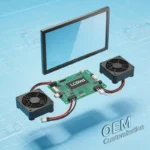
Universal LCD Controller Board solutions. Convert HDMI/VGA signals to LVDS, EDP, or MIPI. Custom firmware support for industrial display panels.
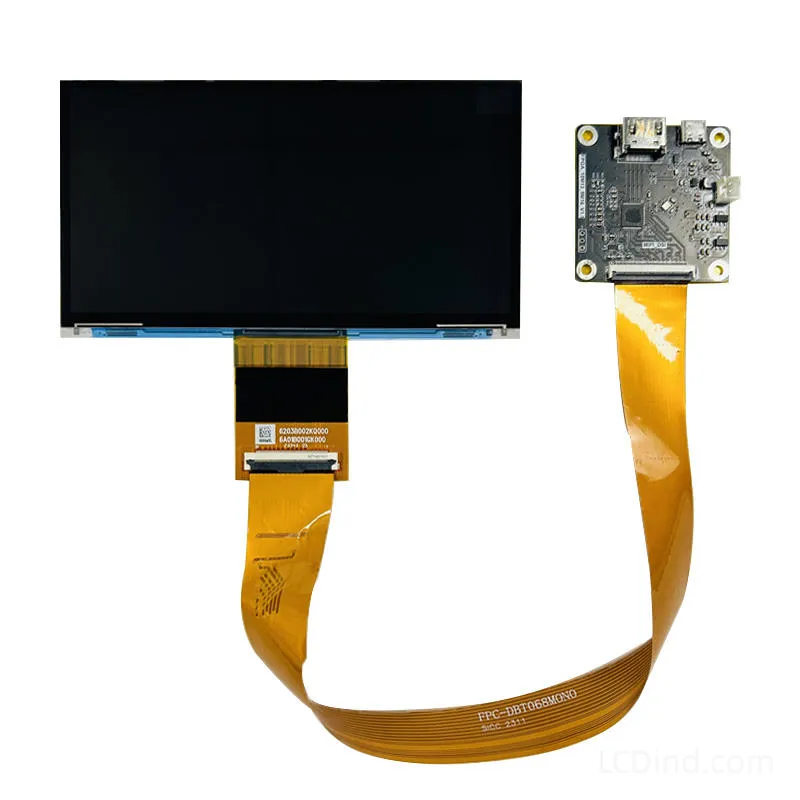
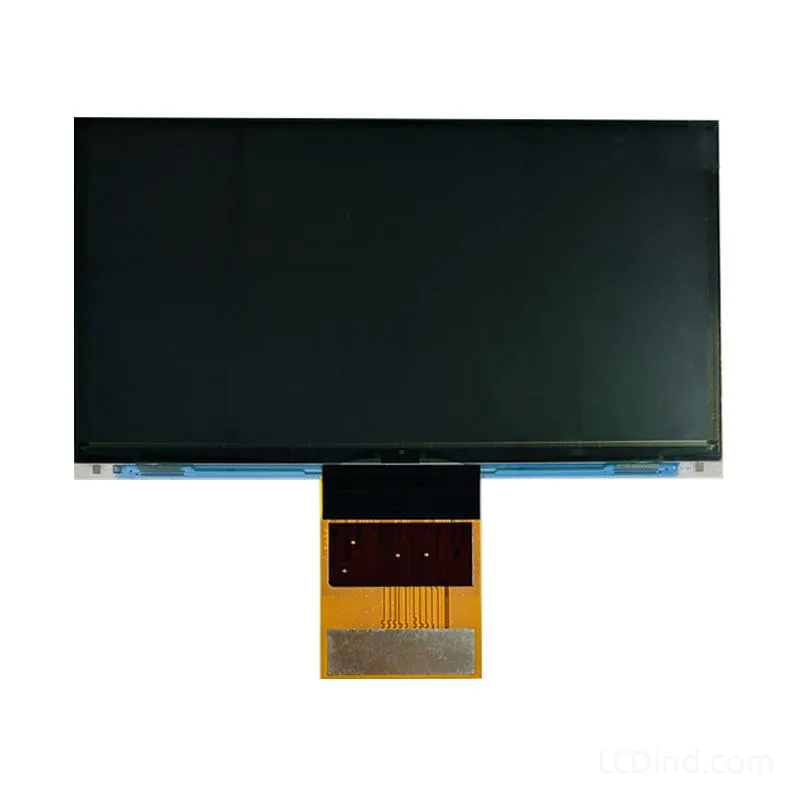
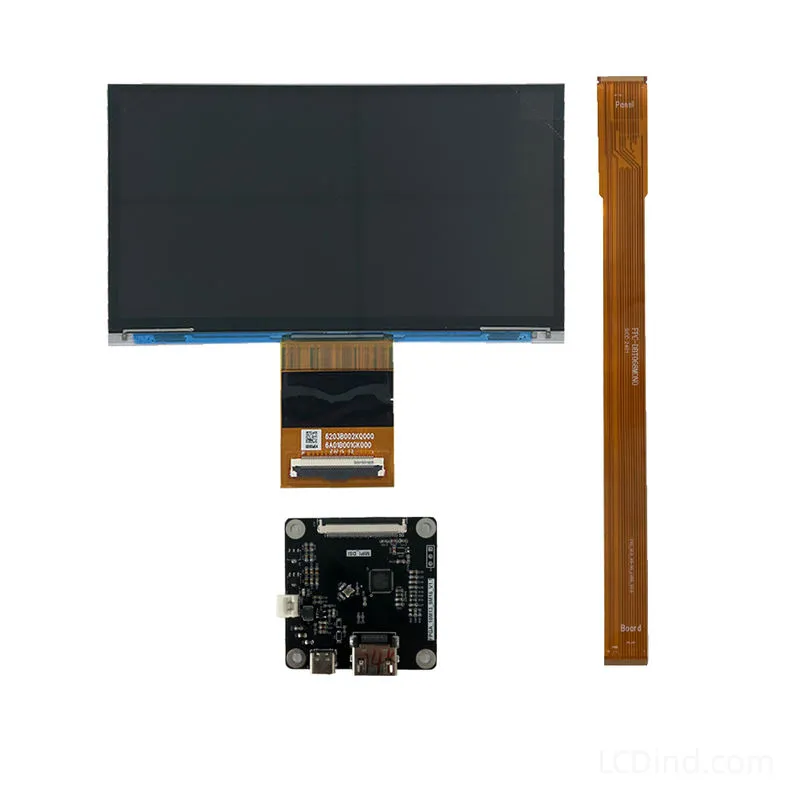
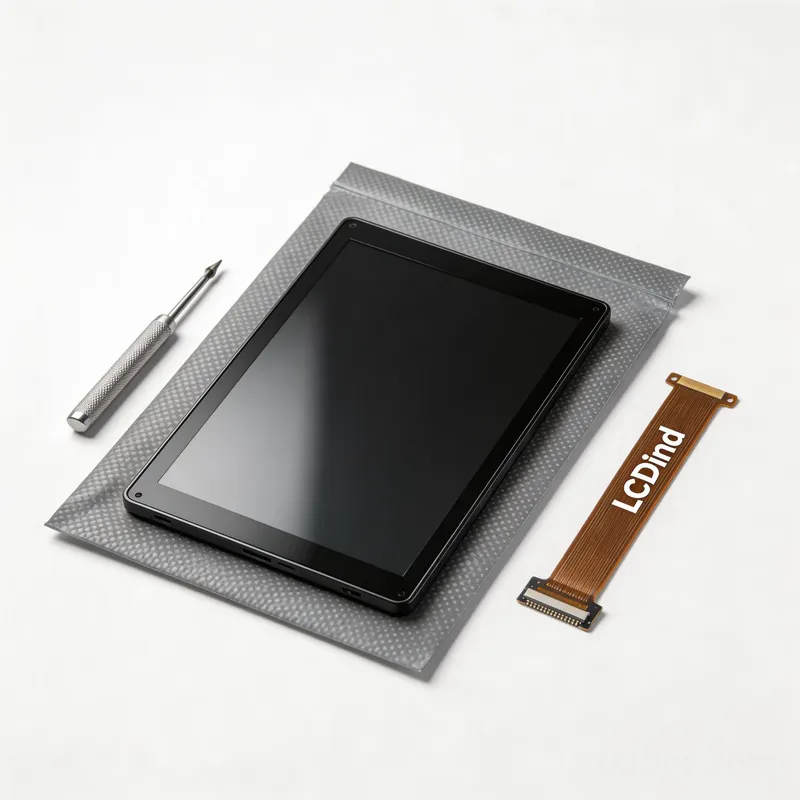
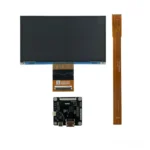
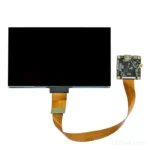
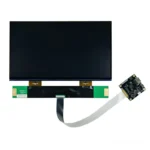
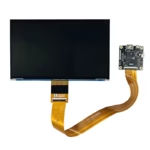
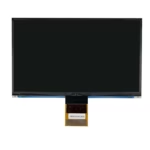
6.8 inch 9K mono LCD replacement screen with 8520×4320 resolution, 18 µm pixel pitch, MIPI 50-pin connector, LCD068M9K01 model and MSLA printer application support.
| Brand | LCDind |
|---|---|
| Brightness | Standard (200-450 nits) |
| Interface | MIPISpecify MIPI DSI displays by TFT or mono path, resolution, lane count, driver IC, command or video mode, initialization, pinout, touch and annual quantity. |
| Panel Type | IPS |
| Resolution | 8520×4320 |
| Size | 6.8 inch |
| Operating Temp | Standard (0 ℃ to +50/60 ℃) |
| Touchscreen | No Touch, Optional Touchscreen |
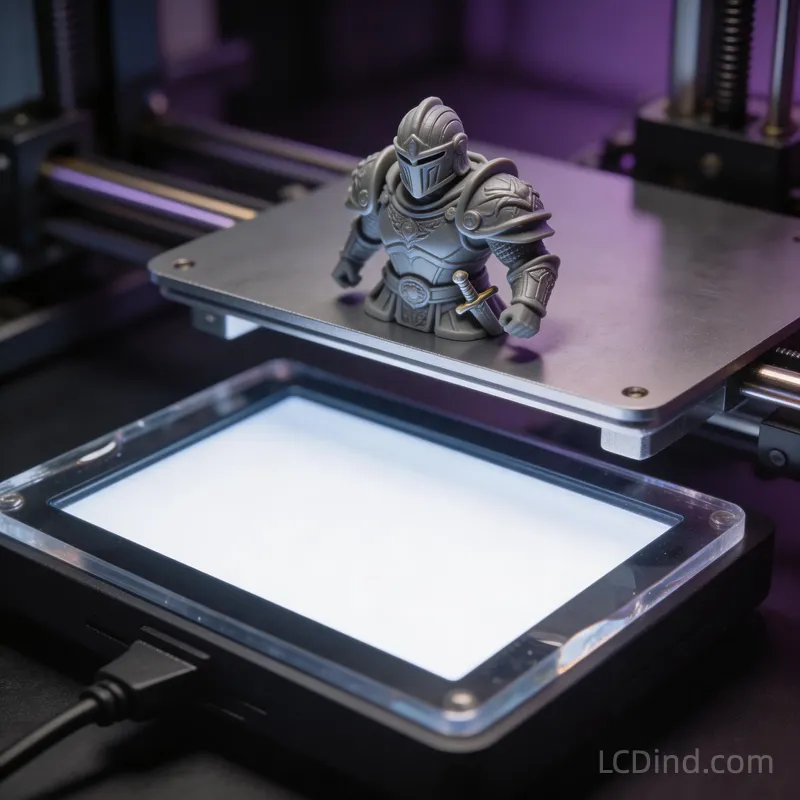
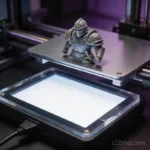
This 6.8 inch 9K mono LCD is a high-resolution replacement and integration candidate for compact MSLA resin printer programs, including Elegoo Mars 4 platform compatibility review. The confirmed public data lists model LCD068M9K01, 6.8 inch screen size compatible with 7 inch class printers, 8520×4320 9K resolution, 18×18 µm pixel pitch, 153.36×77.76 mm active area, 161.36×86.31 mm outline, MIPI 50-pin connector, minimum 300:1 contrast ratio, 0°C to 70°C operating temperature, normally black mono TFT display mode, and 3D printer / MSLA replacement application. Compatibility should be confirmed by FPC, connector, glass outline and mainboard revision before quotation.
| Model Name | LCD068M9K01 |
| Screen Size | 6.8 Inch (Compatible with 7″ class printers) |
| Resolution | 8520 x 4320 (9K) |
| Pixel Pitch | 18 x 18 um (Ultra High Precision) |
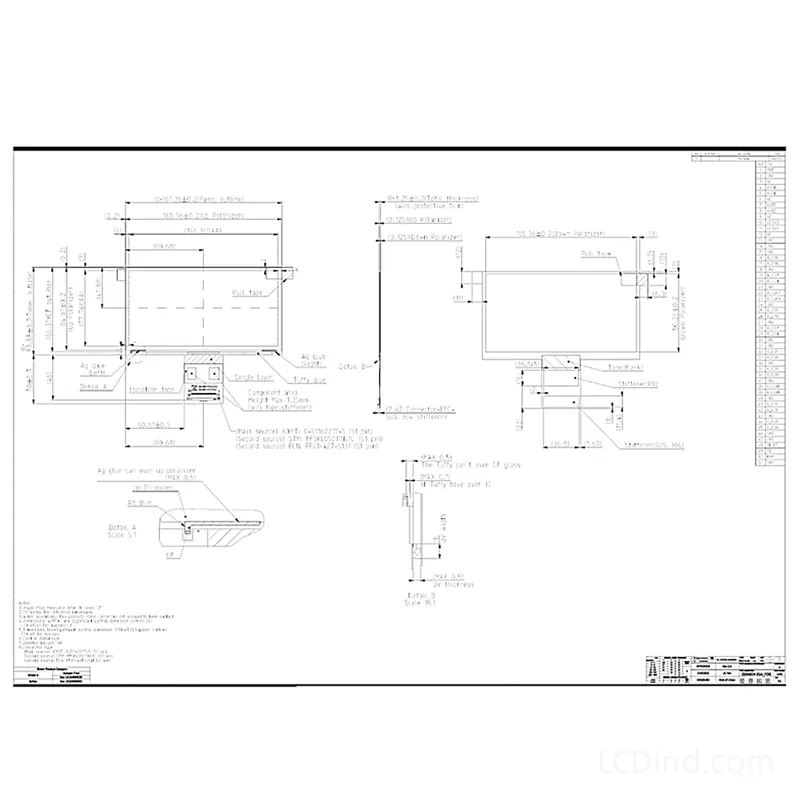
| Active Area | 153.36(H) x 77.76(V) mm |
| Outline Dimension | 161.36(H) x 86.31(V) mm |
| Interface | MIPI 50-Pin Connector |
| Contrast Ratio | 300:1 (Min.) |
| Operating Temp | 0°C ~ 70°C |
| Display Mode | Normally Black (Mono TFT) |
| Application | 3D Printer / MSLA Replacement |
This screen is relevant for repair distributors, 3D printer OEMs, and integration teams that need a 9K mono exposure mask for compact resin printers. A 6.8 inch 9K display is selected for fine pixel pitch and high XY detail, but it is not a universal replacement by size alone. The printer mainboard, firmware, FPC connector, mechanical glass stack, and optical engine must match the screen.
The 8520×4320 resolution and 18 µm pixel pitch are the central value of this product. They affect print detail, slicing profile, exposure mapping, and the printable area. If a customer is replacing a damaged screen, LCDind should compare the original LCD label and active area before confirming compatibility. If the customer is building a new printer, the build plate and UV system should be designed around the confirmed active area.
The public table confirms a MIPI 50-pin connector. For a 3D printer mainboard, the pinout, lane configuration, initialization sequence, voltage rails, FPC direction, connector height, and firmware support are all required checks. A screen may have the right resolution but still fail if the firmware cannot initialize the panel or if the FPC exits on the wrong side.
Mono LCDs in MSLA printers operate under repeated UV exposure and heat from the light engine. Qualification should include exposure uniformity, temperature near the LCD, image mask stability, FPC stress, and behavior after repeated layer cycles. If the printer uses aggressive exposure settings or high-power UV LEDs, thermal control and screen life should be validated before batch purchasing.
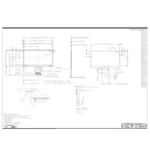
The outline dimension is 161.36×86.31 mm and active area is 153.36×77.76 mm. These values must align with the vat opening, glass support, gasket, build-area mask, and FPC routing. Even small mechanical differences can cause edge exposure issues, resin leakage risk, or an image area that does not match the printer firmware.
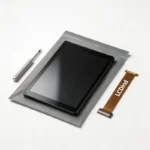
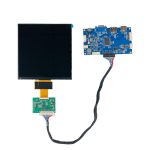
For repair supply or OEM volume programs, define dead-pixel criteria, protective film, packaging, lot traceability, accepted revisions, and return handling. Mono LCD screens are easy to damage during shipping or installation, so packing and installation guidance affect after-sales cost. LCDind should also confirm whether the buyer needs bare open-cell, screen kit, cable customization, or controller support.
Select this screen only when the printer platform can support LCD068M9K01, 8520×4320 resolution, 18 µm pixel pitch, MIPI 50-pin connection, and the published active area. If the buyer only provides a printer model name, request photos of the original LCD label, FPC, mainboard connector, and glass outline before confirming supply.
For a replacement program, keep clear photos of the original LCD label, FPC tail, connector side, mainboard connector, and installed glass position. These records help LCDind confirm whether the LCD068M9K01 screen is a true match or only visually similar. For distributors, those photos also reduce wrong-order claims when printer names are reused across different hardware revisions.
Sample approval should include exposure pattern tests, edge-to-edge uniformity, fine-feature print checks, temperature rise during repeated layers, and visual inspection after several print cycles. A 9K screen can improve detail, but print quality still depends on resin, UV power, firmware mapping, release film, cooling and build-plate alignment.
Because mono LCD screens are consumable parts in resin printers, supply control matters. Define the approved model, acceptable revision, packaging, protective film, lot label, replacement handling and reorder process before volume purchasing. This keeps repair supply stable and avoids mixing incompatible FPC or glass versions in the same inventory bin.
The specifications above are taken from the current public product page and should be treated as selection inputs, not final system approval. Before sample purchase or production order, LCDind should review interface compatibility, drawing, optical stack, touch requirement, operating environment, controller-board scope, supply quantity and inspection criteria. This keeps the existing product URL intact while making the page more useful for B2B engineering and sourcing decisions.
No. It is a normally black mono TFT LCD specified for MSLA 3D printer replacement and integration.
No. The platform must be confirmed by FPC, connector, glass outline, mainboard revision and firmware.
The public specification lists a MIPI 50-pin connector.
| Brand | LCDind |
|---|---|
| Brightness | Standard (200-450 nits) |
| Interface | MIPISpecify MIPI DSI displays by TFT or mono path, resolution, lane count, driver IC, command or video mode, initialization, pinout, touch and annual quantity. |
| Panel Type | IPS |
| Resolution | 8520×4320 |
| Size | 6.8 inch |
| Operating Temp | Standard (0 ℃ to +50/60 ℃) |
| Touchscreen | No Touch, Optional Touchscreen |
A: Yes. The specifications (Resolution 8520x4320, Active Area 153.36x77.76mm, and Interface) match the original screen used in the Elegoo Mars 4 Ultra and Mars 4 9K perfectly. Please check your original FPC cable shape to doubly confirm.
A: 9K refers to the 8520x4320 pixel count. On a 6.8-inch screen, this results in an incredibly small pixel size of 18 microns. This allows you to print models with sharper details and smoother surfaces compared to older 4K (35um) or 2K (50um) printers.
A: Generally, if you are replacing the screen with the exact same resolution (9K to 9K), no firmware update is needed. However, if you are upgrading a different printer to this screen, you will need a compatible driver board and firmware configuration.
A: The LCD module includes the polarizing film pre-installed. We strongly recommend adding a separate FEP or tempered glass screen protector (sold separately) during installation to protect the screen from resin spills.
Q: What is the MOQ?
A: The MOQ for our products is 1 piece. We are able to provide support throughout the testing process.
Q: What about the delivery time?
A: We have products in stock and can ship them within 3 working days.
Q: Does your product have any warranty?
A: Yes, we offer a warranty that ensures the LCD will function properly upon receipt. However, please note that we do not provide guarantees for any damage caused during use.
Q: What’s your payment method?
A: We accept several payment methods, including T/T (bank transfer), and PayPal.
Q: What’s your shipping method?
A: Thank you for your inquiry. We offer various shipping methods to suit different needs.
For small quantity orders, we use UPS Air-Express, DHL, FedEx, TNT, or EMS Express service. These options are safe and fast.
For large quantity orders, we typically work with the buyer’s cargo agent in China. Alternatively, we can arrange for air or sea transportation.
Please let us know your preferred shipping method and we will do our best to accommodate your request.
Q: Do you offer custom solution?
A: Yes, we offer custom solutions if our standard products do not meet the buyer’s requirements. Please let us know your specific needs, and we will work with you to create a tailored solution that meets your business needs.
Q: How to Contact us?
A: Send your Inquiry Details in the Below, Click “Send” Now!
🔒 Your data is secure. We usually reply within 24 hours.