13
Universal LCD Controller Board solutions. Convert HDMI/VGA signals to LVDS, EDP, or MIPI. Custom firmware support for industrial display panels.
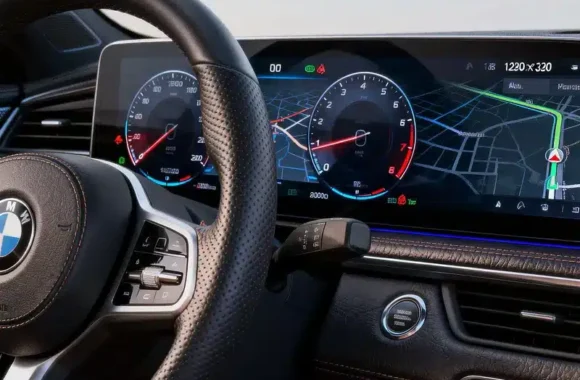
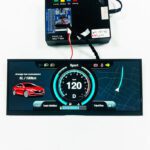
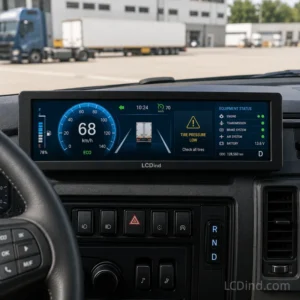
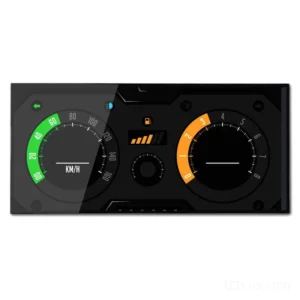
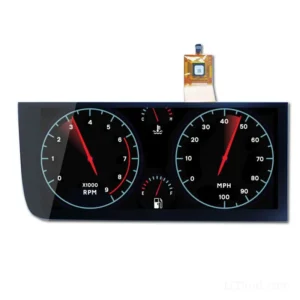
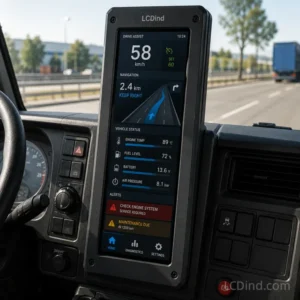
High-fidelity instruments and HUD (Heads-Up Display) panels for custom EV dashboards and professional simulators. Deliver ultra-realistic visual telemetry with our ruggedized, extreme-temperature optical stacks.
Designing visual interfaces for vehicle dashboards and professional simulation rigs demands strict adherence to thermal, optical, and mechanical standards that commercial screens simply cannot survive.
We supply ruggedized, high-luminance optical stacks tailored for next-generation electric vehicles and ultra-realistic simulator instruments. Experience zero compromise on reliability and immersion.
Bring sci-fi to reality with our Transparent OLEDs. Functioning as active Heads-Up Displays (HUD), these panels allow drivers or simulator users to view the road or track through the glass while critical telemetry (speed, RPM, navigation) is projected holographically in their line of sight.
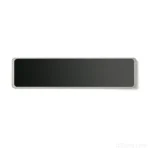
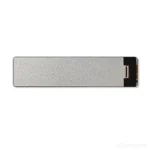
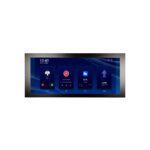
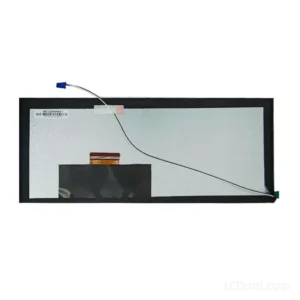
Browse our inventory of flight simulator displays, transparent OLEDs, and stretched bar LCDs engineered for seamless dashboard and instrument cluster integration.
Hardware integration inside a dense vehicle dashboard or a replica cockpit requires extreme mechanical and electrical flexibility. We provide bespoke solutions for OEMs and boutique builders:
Automotive Grade displays undergo rigorous reliability testing (like AEC-Q100 for ICs). They feature wide-temperature liquid crystals (-30°C to 85°C), enhanced EMI shielding, and mechanical reinforcements to survive constant vibration.
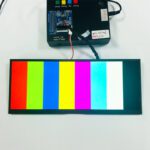
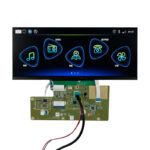
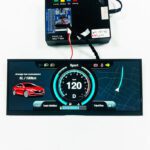
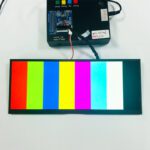
For simulator builders, we offer Complete Monitor Kits. The bare circular/square panel is connected to a custom controller board that accepts a standard HDMI video input and USB for power, making it instantly recognized as a secondary monitor by Windows and SimHub.
While Transparent OLEDs are excellent for secondary HUD panels, they cannot replace the structural glass of a windshield. They are typically mounted behind the steering wheel or integrated into the instrument binnacle, overlaying data against the dark backdrop of the road.
🔒 Your data is secure. We usually reply within 24 hours.