13
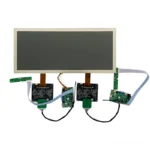
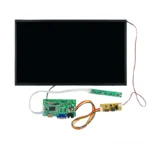
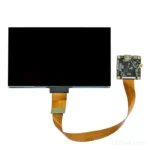
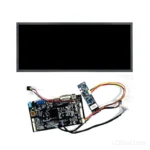
Universal LCD Controller Board solutions. Convert HDMI/VGA signals to LVDS, EDP, or MIPI. Custom firmware support for industrial display panels.
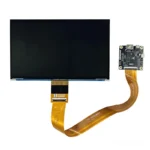
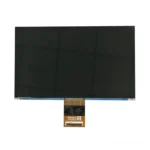
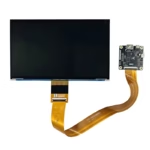
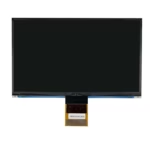
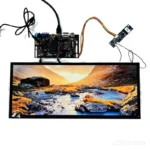
21.5 inch 2560×1024 bar LCD kit with 900 cd/m2 brightness, IPS/AHVA panel, 2-port LVDS, 16.7M colors and -30 to 70 C operating range.
| Brand | LCDind |
|---|---|
| Brightness | High Brightness (500-900 nits) |
| Interface | LVDSSpecify LVDS industrial TFT LCD modules by size, resolution, channel count, JEIDA/VESA mapping, pinout, brightness, touch, temperature and annual quantity. |
| Panel Type | IPS |
| Resolution | 2560×1024 |
| Size | 21.5 inchSpecify 21.5 inch industrial LCD modules by resolution, brightness, LVDS or controller interface, touch, enclosure, operating environment and annual quantity. |
| Operating Temp | Ultra Wide / Automotive (-30 ℃ to +85 ℃) |
| Touchscreen | No Touch, Optional Touchscreen |
This 21.5 inch 2560×1024 LCD kit is a high-brightness bar-type display for dual-view and information-dense industrial interfaces. The confirmed specification lists 21.5 inch bar type size, 2560 x 1024 resolution, 900 cd/m² brightness, IPS/AHVA normally black panel type, 507.648 x 203.059 mm active area, 545.00 x 240.00 x 29.1 mm outline dimension, 80/80/80/80 viewing angle, 2-port LVDS interface, 16.7M 24-bit colors, -30°C to 70°C operating range, and 1000:1 contrast ratio. Touch is not standard but is listed as optional.
| Display Size | 21.5 Inch (Bar Type) |
| Resolution | 2560 x 1024 |
| Brightness | 900 cd/m² (High Brightness) |
| Panel Type | IPS / AHVA (Normally Black) |
| Active Area | 507.648(H) x 203.059(V) mm |
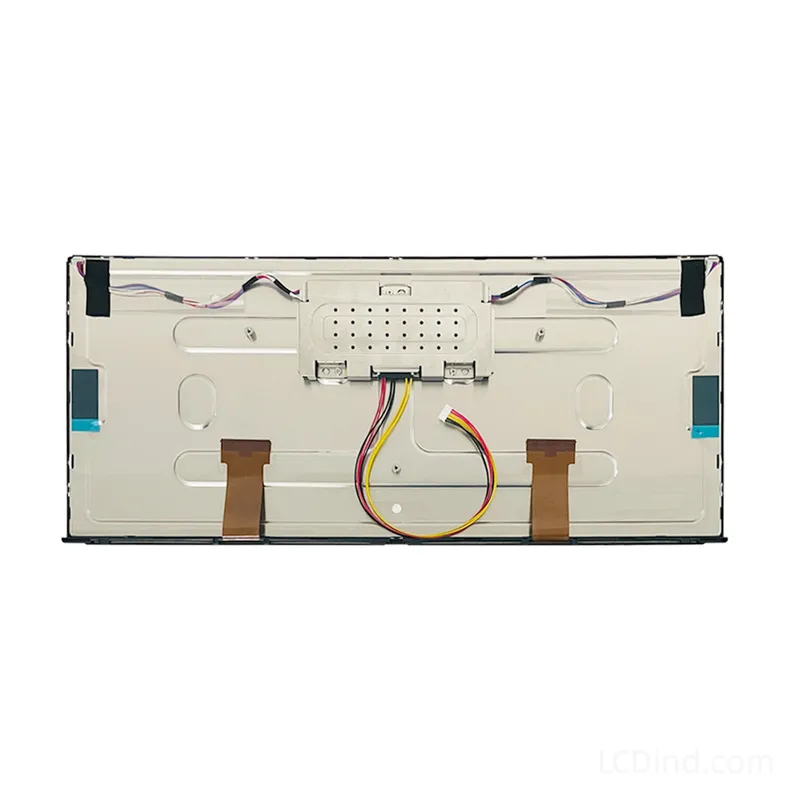
| Outline Dimension | 545.00(H) x 240.00(V) x 29.1(D) mm |
| Viewing Angle | 80/80/80/80 (Deg.) |
| Interface | 2 Port LVDS |
| Display Colors | 16.7M (24-bit) |
| Pixel Pitch | 545.00 x 240.00 um (Note: Refer to datasheet for specific dot pitch) |
| Operating Temp | -30°C ~ 70°C |
| Contrast Ratio | 1000:1 |
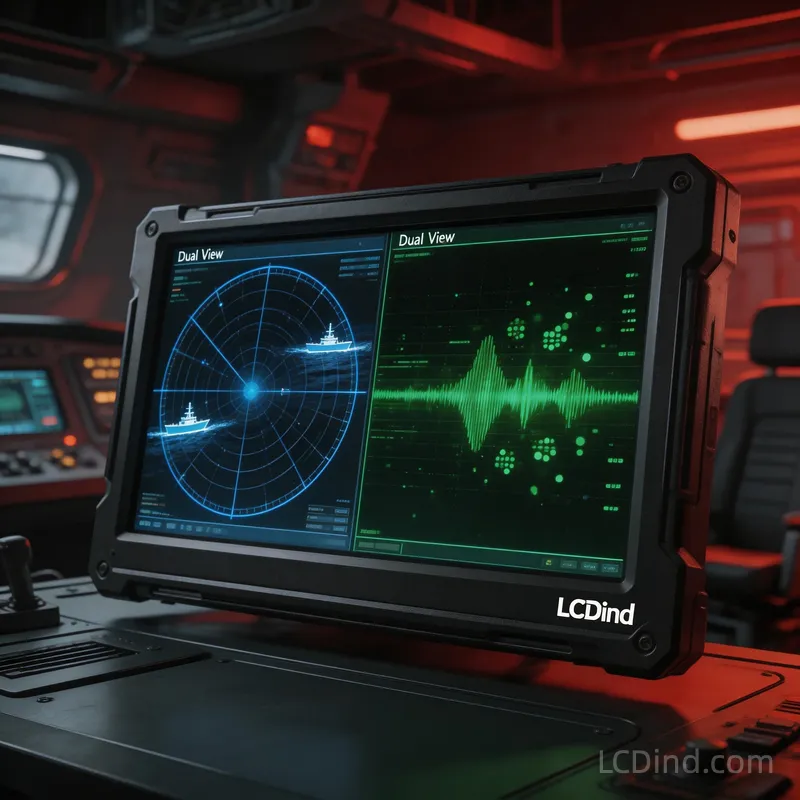
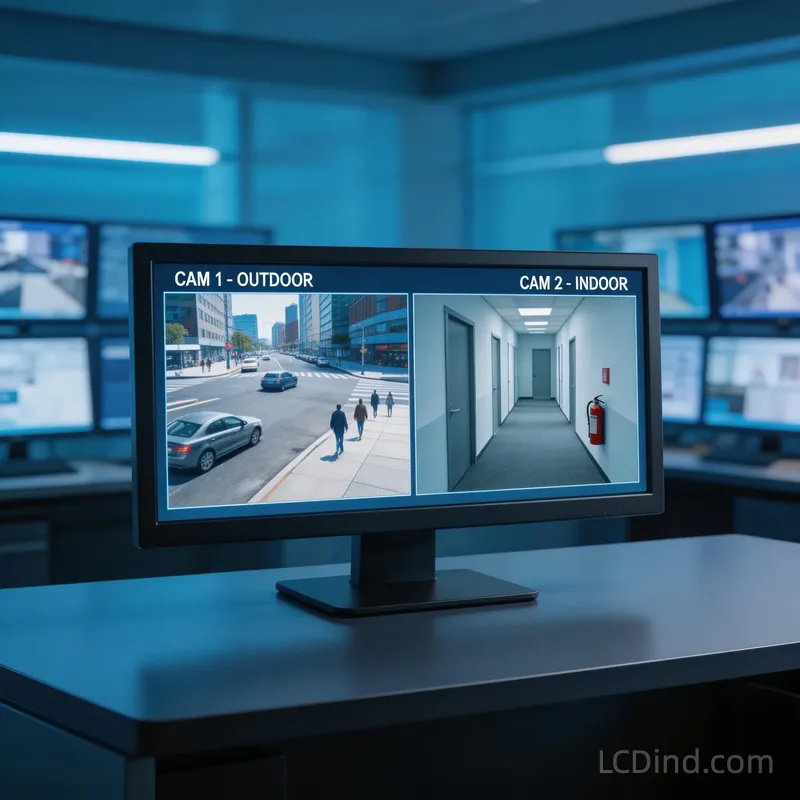
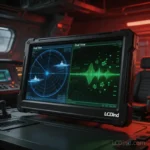
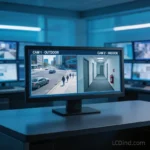
The 2560×1024 format is useful when operators need two information zones on one continuous display surface. It can support radar plus navigation, camera plus status, machine overview plus alarms, security monitoring, marine consoles, industrial dashboards, and command-center panels. The value is not only resolution; it is the ability to remove the bezel gap between two separate 1280×1024-class screens.
The confirmed 900 cd/m² brightness supports bright-control-room or protected outdoor applications, but it should still be evaluated with the final front glass, dimming range, and ambient lighting. A bar display often sits at a different angle than standard monitors, so glare, viewing height, and content contrast should be tested in the real installation position.
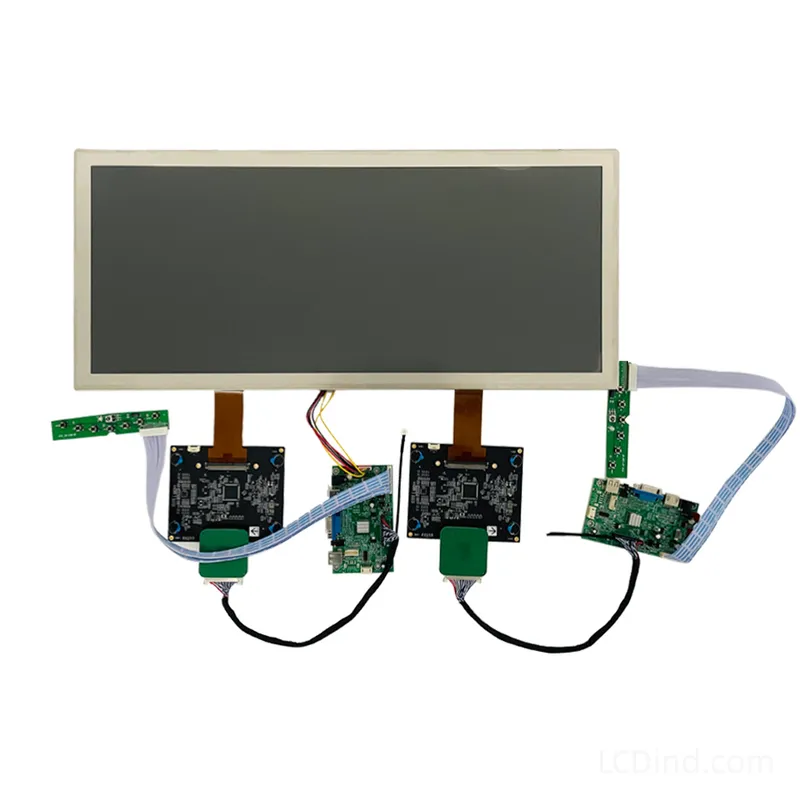
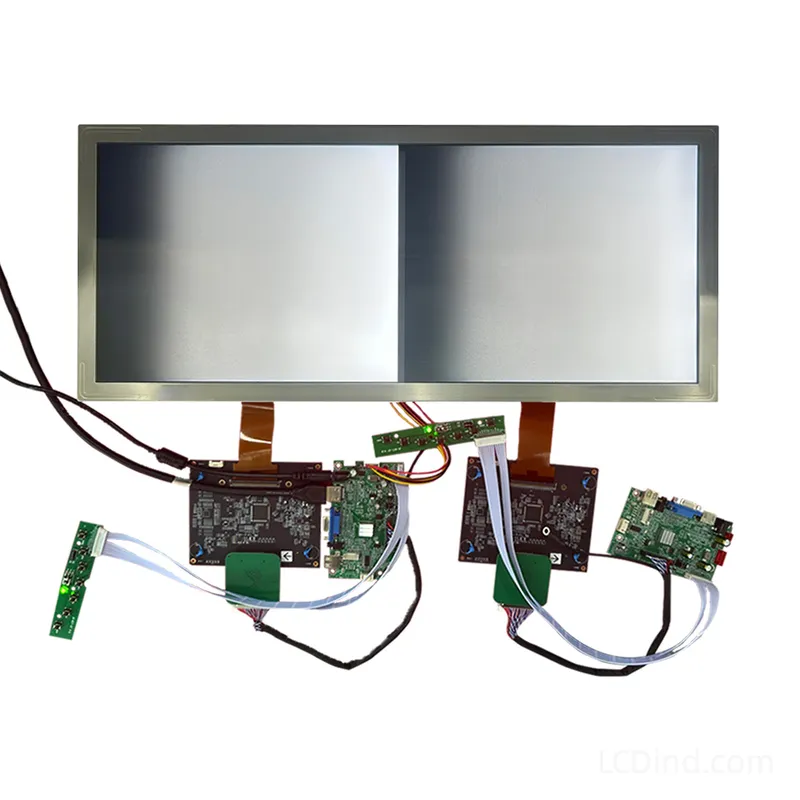
The module uses a 2-port LVDS interface. Engineers should confirm LVDS mapping, channel count, timing, connector, cable length, shielding, and whether the host controller can generate 2560×1024 reliably. If the product uses an external driver board, that board becomes part of the approved display system and should be locked with the sample.
The 545.00 x 240.00 x 29.1 mm outline and 507.648 x 203.059 mm active area require careful bracket and bezel planning. The 29.1 mm depth is significant compared with thin panel-only modules, so enclosure depth, heat dissipation, mounting stiffness, and connector access should be reviewed early. Long bar displays also need protection against twisting and uneven frame pressure.
The page lists no touch as standard with optional touchscreen. If the project needs touch, cover lens thickness, touch technology, controller interface, grounding, EMI, glove use, and cleaning requirements must be reviewed as a custom stack. A large bar touch surface can increase cost and validation work; do not assume it can be added late without mechanical changes.
Choose this display when the product needs a wide 2560×1024 information canvas and 900-nit brightness. If a standard 16:9 interface is sufficient, a normal 21.5 inch FHD display may be easier to source. If the project needs full outdoor kiosk operation, compare thermal and enclosure requirements with dedicated 1000-nit outdoor kits.
This bar display should be approved with the final controller and dual-view content. Test LVDS timing, left/right content alignment, brightness uniformity, viewing angle, heat, cable length, and mechanical support across the long frame. If the product replaces two separate displays, check whether the software can render both data zones cleanly on one 2560×1024 canvas. The accepted configuration should record the controller board, cable, display timing, and enclosure mounting method.
The biggest risk is buying the display for its size without confirming the 2560×1024 signal path. Standard FHD controllers and common 21.5 inch monitor assumptions do not apply. The second risk is mechanical: long bar modules can be stressed by uneven frames or poor bracket support. If the project only needs one 16:9 screen, this module adds complexity. It is most valuable when the application truly needs a continuous dual-view bar layout.
This product should be selected for applications where the wide 2560×1024 canvas solves a real operator problem. If the project simply needs a large monitor, a standard FHD or 4K display will be easier. The RFQ should include the software layout, LVDS controller plan, and mounting concept so LCDind can judge whether the bar display is technically justified.
The specifications above are taken from the current public product page and should be used as selection inputs, not as final system approval. Before sample purchase or production order, LCDind should review the host interface, drawing, optical stack, operating environment, accessory requirement, and quantity plan. This avoids selecting a display that matches the headline but fails the enclosure, firmware, brightness, thermal, or supply requirements of the finished equipment.
It uses a 2560×1024 bar format designed for wide dual-view information layouts.
No touch is listed as standard, with optional touchscreen available for project review.
The 2-port LVDS timing and large bar mechanical structure must be validated with the actual controller and enclosure.
| Brand | LCDind |
|---|---|
| Brightness | High Brightness (500-900 nits) |
| Interface | LVDSSpecify LVDS industrial TFT LCD modules by size, resolution, channel count, JEIDA/VESA mapping, pinout, brightness, touch, temperature and annual quantity. |
| Panel Type | IPS |
| Resolution | 2560×1024 |
| Size | 21.5 inchSpecify 21.5 inch industrial LCD modules by resolution, brightness, LVDS or controller interface, touch, enclosure, operating environment and annual quantity. |
| Operating Temp | Ultra Wide / Automotive (-30 ℃ to +85 ℃) |
| Touchscreen | No Touch, Optional Touchscreen |
A: The 2560x1024 resolution is mathematically equivalent to two 1280x1024 screens placed side-by-side. This allows your software or controller to treat the display as a seamless dual-monitor surface, perfect for displaying two distinct applications (like maps and data) without a bezel gap.
A: Yes. It is designed with an ultra-wide operating temperature range of -30°C to 70°C, making it suitable for defense vehicles, marine vessels, and unheated outdoor enclosures.
A: Yes, we offer full kits that include the LCD panel and compatible controller boards. Since 2560x1024 is a non-standard resolution, using our tuned driver board ensures correct EDID recognition and display timing.
A: Yes, the LED backlight supports dimming. If you require automatic dimming (e.g., for night mode in naval applications), we can integrate an ambient light sensor into the solution upon request.
Q: What is the MOQ?
A: The MOQ for our products is 1 piece. We are able to provide support throughout the testing process.
Q: What about the delivery time?
A: We have products in stock and can ship them within 3 working days.
Q: Does your product have any warranty?
A: Yes, we offer a warranty that ensures the LCD will function properly upon receipt. However, please note that we do not provide guarantees for any damage caused during use.
Q: What’s your payment method?
A: We accept several payment methods, including T/T (bank transfer), and PayPal.
Q: What’s your shipping method?
A: Thank you for your inquiry. We offer various shipping methods to suit different needs.
For small quantity orders, we use UPS Air-Express, DHL, FedEx, TNT, or EMS Express service. These options are safe and fast.
For large quantity orders, we typically work with the buyer’s cargo agent in China. Alternatively, we can arrange for air or sea transportation.
Please let us know your preferred shipping method and we will do our best to accommodate your request.
Q: Do you offer custom solution?
A: Yes, we offer custom solutions if our standard products do not meet the buyer’s requirements. Please let us know your specific needs, and we will work with you to create a tailored solution that meets your business needs.
Q: How to Contact us?
A: Send your Inquiry Details in the Below, Click “Send” Now!
🔒 Your data is secure. We usually reply within 24 hours.