13

Description
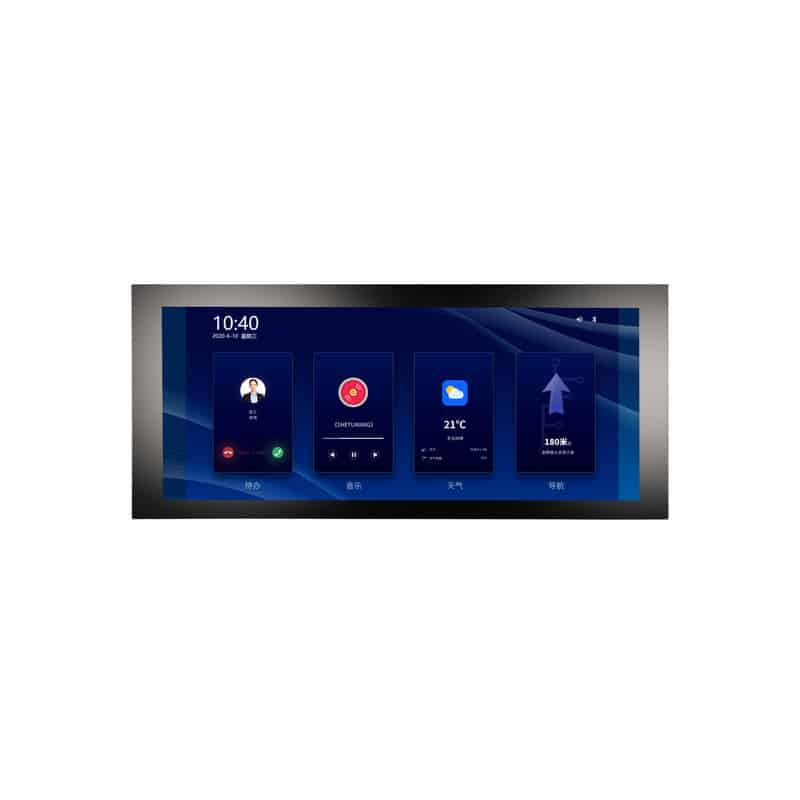
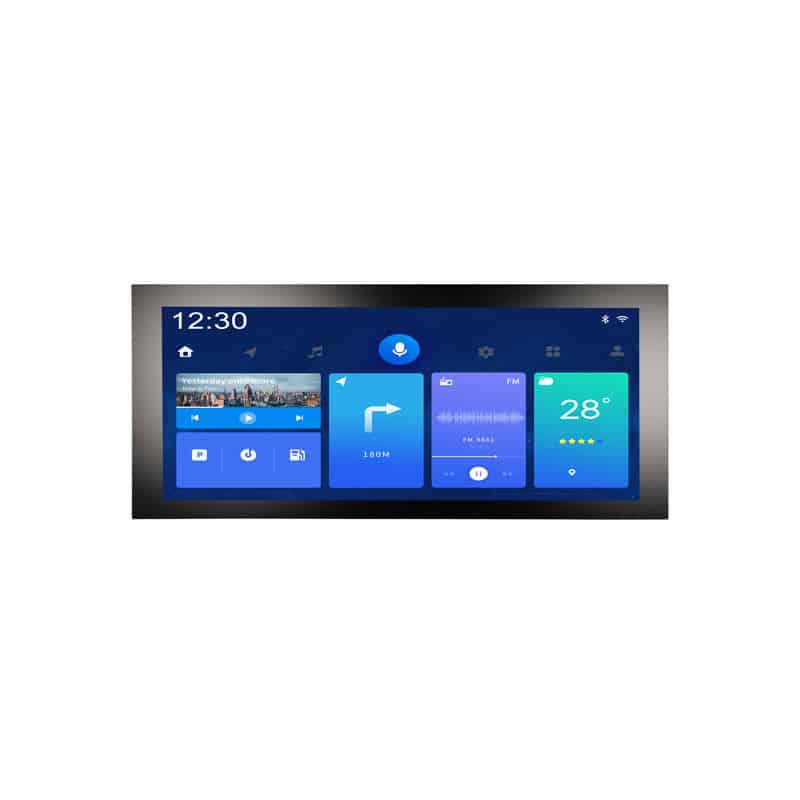
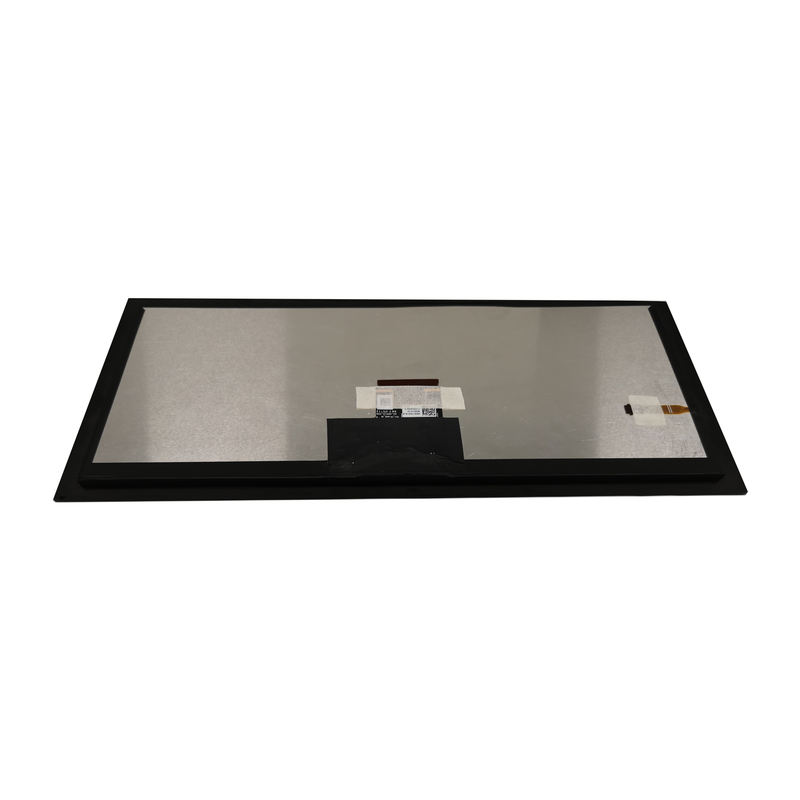
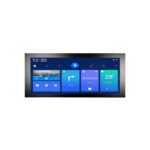
12.3 Inch 1000-Nit In-Cell Touch LCD for Automotive Cluster and Center Display Programs
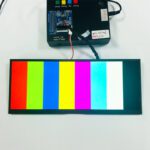
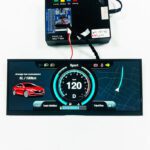
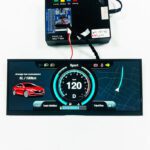
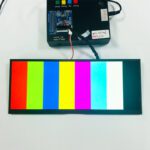
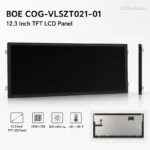
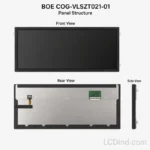
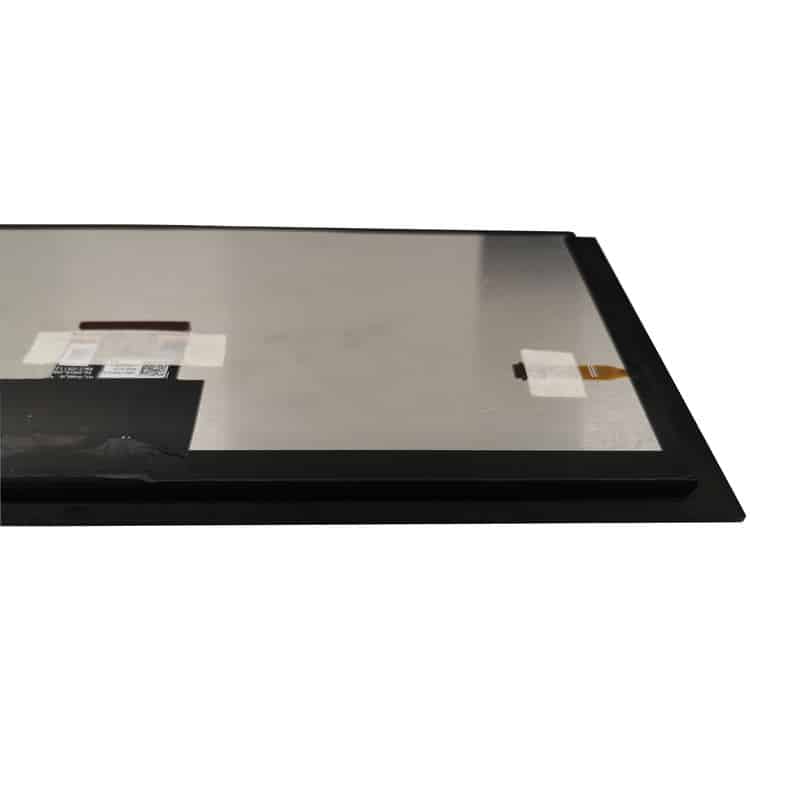
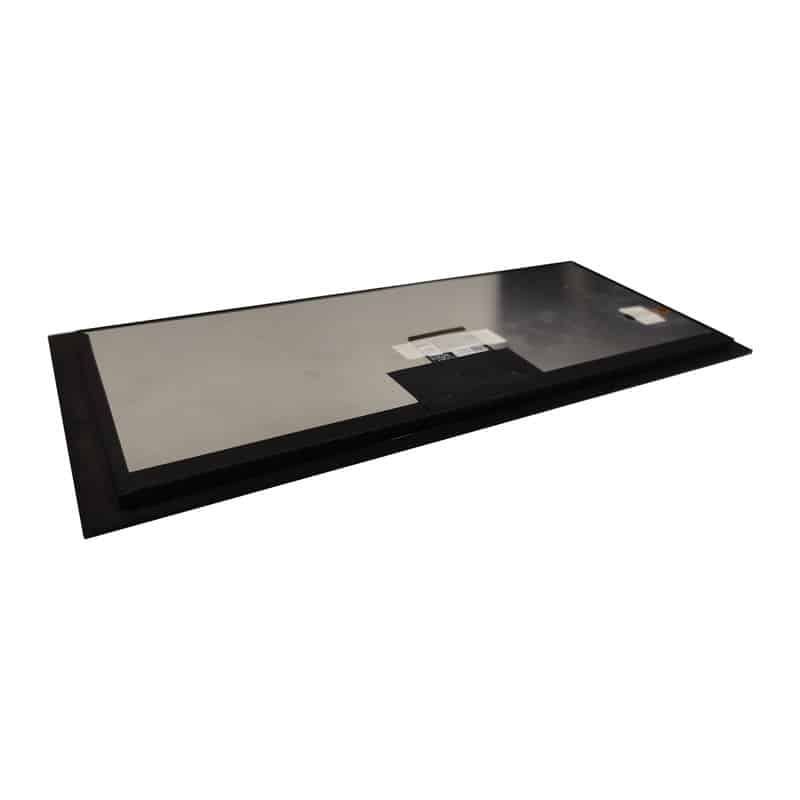
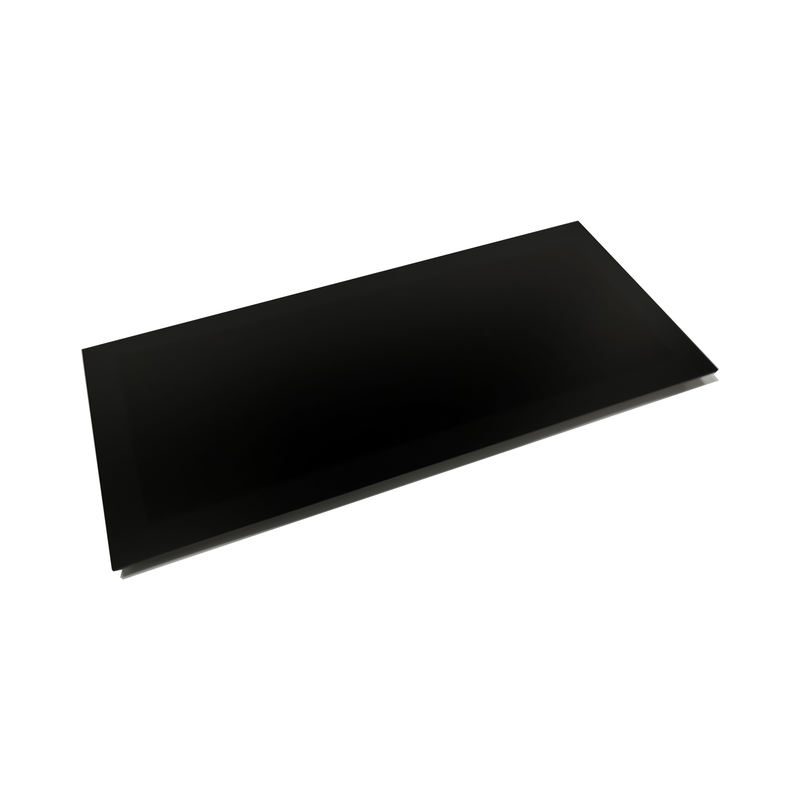
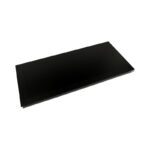
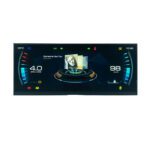
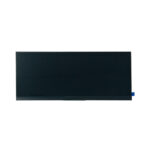
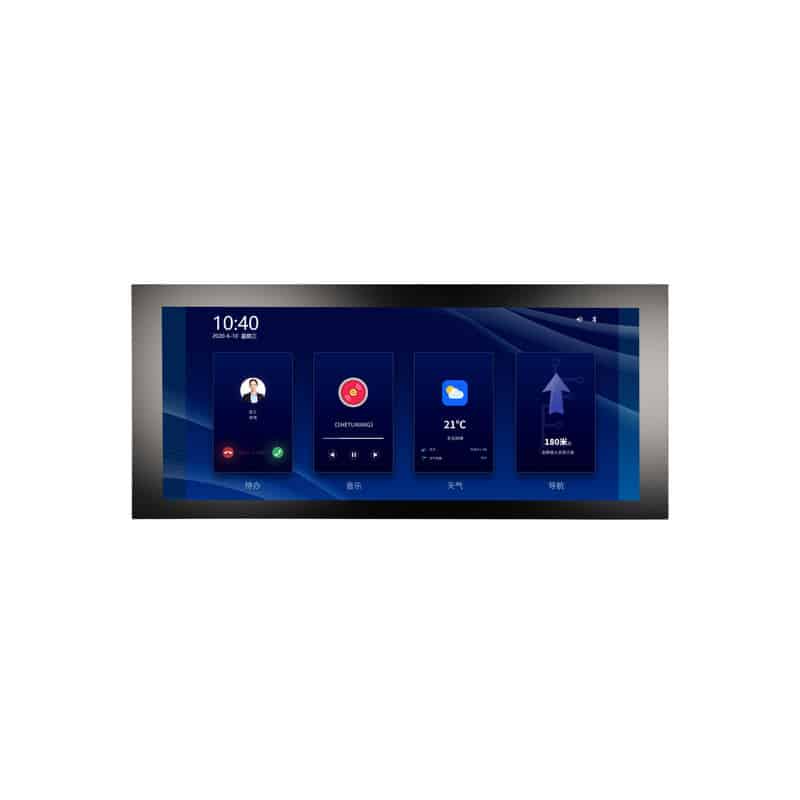
This 12.3 inch in-cell touch LCD display is positioned for automotive dashboard, center information display, specialty vehicle HMI, and cockpit-style equipment programs that require a wide 1920 x 720 visual area with integrated touch behavior. The live specification identifies 1920 RGB(H) x 720(V) resolution, 292.032 x 109.512 mm active area, 12.3 inch diagonal size, 152.1 x 152.1 μm dot pitch, RGB stripe color configuration, 16.7M colors, 296.032 x 118.844 x 1.024 mm overall dimension, normally black display mode, hard coating surface treatment, 85/85/85/85 viewing angle, 60-pin LVDS interface, and -30°C to 85°C operating temperature. Those values should be treated as engineering selection data, not as a promise that the panel is automatically compatible with every automotive mainboard.
Application Positioning
The product is strongest where a vehicle or machine interface needs a long information band: digital cluster, EV status display, navigation strip, HVAC and infotainment bar, marine helm display, agricultural machinery dashboard, or construction-equipment control panel. The 1920 x 720 format gives enough horizontal space for multi-zone layouts while keeping panel height controlled. Software teams should design the UI around this ultra-wide ratio from the start instead of scaling a 16:9 interface into the panel.
In-Cell Touch Review
In-cell touch reduces external stack complexity compared with a separate touch sensor, but it also makes touch behavior part of the display system. The buyer should confirm touch protocol, controller support, noise immunity, glove or wet-touch expectations, and whether the host platform already supports the required touch integration. For vehicle cabins, EMI, ESD, and grounding around the LVDS cable and touch path should be reviewed together.
Optical and Thermal Review
The 1000+ nit class brightness and -30°C to 85°C operating temperature indicate an automotive-oriented display path. Final sunlight readability still depends on cover glass, anti-glare treatment, optical bonding, dimming curve, dashboard angle, polarizer behavior, and heat dissipation at full brightness. A display that looks acceptable on a bench may perform differently behind a curved dashboard cover or under windshield sunlight.
Mechanical Fit and Cable Control
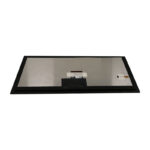
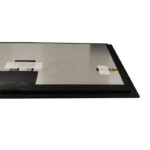
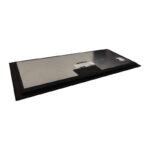
The very thin 1.024 mm overall display thickness needs careful protection during assembly. The active area and overall dimension should be checked against the cover lens opening, bracket, adhesive, and cable route. The 60-pin LVDS interface also requires controlled cable length, shielding, connector retention, and mapping. If the product is a replacement for an existing display, panel photos and original cable details are required before compatibility can be assessed.
Sample Approval Scope
A practical sample plan should include cold start, hot operation, brightness stability, touch response, LVDS signal integrity, dashboard viewing angle, and repeated power cycling. If the display is used in a vehicle-facing product, test it with the final cover lens and enclosure rather than only as a bare panel. Production approval should also define packaging protection, accepted cosmetic criteria, and revision-control expectations.
Ordering Notes for 60-Pin LVDS Panels
The 60-pin LVDS reference should be treated as a matching requirement, not merely a connector count. Ask for pinout confirmation, cable drawing, voltage, channel mapping, and touch signal details before connecting the panel to a customer board. If the display is used for a replacement program, verify the old module marking and dashboard cable before assuming compatibility.
Project Validation Plan
Before mass production, validate the display with the real host board, cable, enclosure, front lens, power supply, thermal path, and software build. Record the approved sample configuration and keep photos or drawings for later repeat orders. This avoids the common problem where a display passes a bench test but fails after the final cover glass, harness, or firmware is introduced.
Production Risk Control
For a B2B display project, the main risks are usually interface mismatch, optical loss, cable change, uncontrolled substitutions, and unclear acceptance criteria. Define the approved panel model, electrical interface, mechanical drawing, cosmetic standard, packaging method, and revision notice process before the first production order. If alternatives are acceptable, qualify them before supply pressure occurs.
Confirmed Product Specifications
|
NO.
|
Item
|
Unit
|
Specification
|
|
1
|
Display Resolution
|
dot
|
1920 RGB(H) x 720 (V)
|
|
2
|
Active Area
|
mm
|
292.032 (H) x 109.512 (V)
|
|
3
|
Screen Size
|
inch
|
12.3” (Diagonal)
|
|
4
|
Dot Pitch
|
μm
|
152.1×152.1
|
|
5
|
Color Configuration
|
—
|
R. G. B. Stripe
|
|
6
|
Color Depth
|
—
|
16.7M Colors
|
|
7
|
Overall Dimension
|
mm
|
296.032 (H) x 118.844 (V) x 1.024 (T)
|
|
8
|
Display Mode
|
—
|
Normally Black
|
|
9
|
Surface Treatment
|
H
|
Hard Coating
|
|
10
|
Viewing Angle
|
deg.
|
85/85/85/85
|
|
11
|
Interface
|
60Pin LVDS
|
|
|
12
|
operation temperature
|
℃
|
-30~85
|
These values are preserved from the live product specification table. Any missing drawing, connector, firmware, optical, touch, or compliance item should be confirmed through LCDind engineering review before production use.
RFQ Checklist
- Target equipment, installation environment, and display duty cycle.
- Host board, interface mapping, connector, cable length, and voltage requirements.
- Mechanical drawing, active-area opening, cover lens, touch structure, and bonding requirement.
- Brightness, viewing angle, operating temperature, vibration, and sunlight-readability expectations.
- Sample quantity, annual forecast, customization scope, lifecycle plan, and approved alternative policy.
Engineering FAQ
Does in-cell touch remove the need for a touch controller review?
No. In-cell touch still needs host compatibility, protocol, noise, grounding, and firmware review.
Is this display suitable for direct sunlight?
The page confirms 1000+ nit class brightness, but sunlight readability depends on the full optical stack and thermal design.
What should be included in the RFQ?
Send host board details, 60-pin LVDS requirements, dashboard drawing, cover glass, operating environment, and forecast quantity.
Related Engineering Resources
Engineering Review Note
LCDind supports B2B LCD selection, touch integration, cable and controller review, sample validation, and long-term supply planning. For production projects, send drawings and host-board information with the inquiry so the display is checked as part of the complete equipment system rather than as an isolated screen size.
Additional information
About brand
Browse AUO LCD panel listings as a starting point for model sourcing. Confirm the complete part number, suffix, datasheet, interface, brightness, temperature range, quantity and required delivery date before quotation.Need cross-brand comparison, EOL review or an alternative model assessment? Read our industrial LCD panel brand sourcing guide.AUO trademarks belong to their owner. Listings do not imply official authorization or guarantee stock, lifecycle, or replacement compatibility.
Engineering FAQ
1. Is this display an AUO original product?
Yes, it’s 100% AUO original, supplied with AUO authorization for reliable quality and after-sales support.
2. What is the brightness of this automotive LCD module?
It offers 1000 nits high brightness, ensuring clear visibility even in direct sunlight for in-vehicle use.
3. What touch technology does it adopt?
In Cell touch technology, enabling slimmer design and seamless integration with automotive front-mounted systems.
4. Is customization available for this module?
Yes, factory-direct customization (interface, touch functions) is offered, with MOQ-friendly terms for small batches.
Shipping and Delivery