13
Description
1.3-Inch Round TFT Display for Compact HMI Knobs
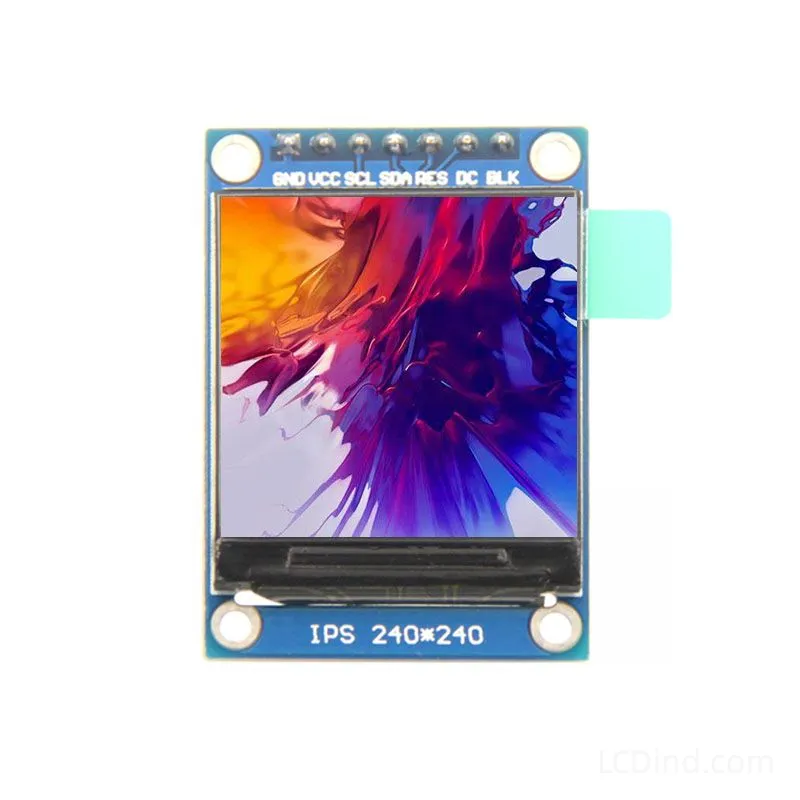
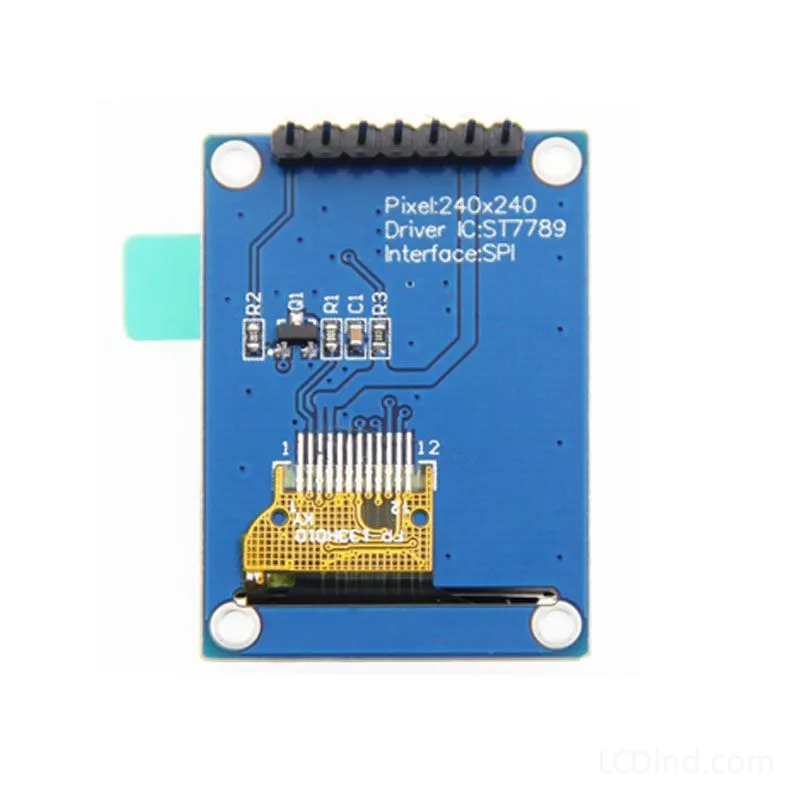
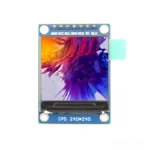
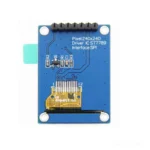
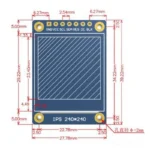
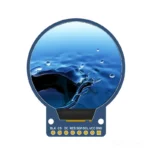
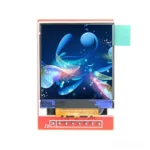
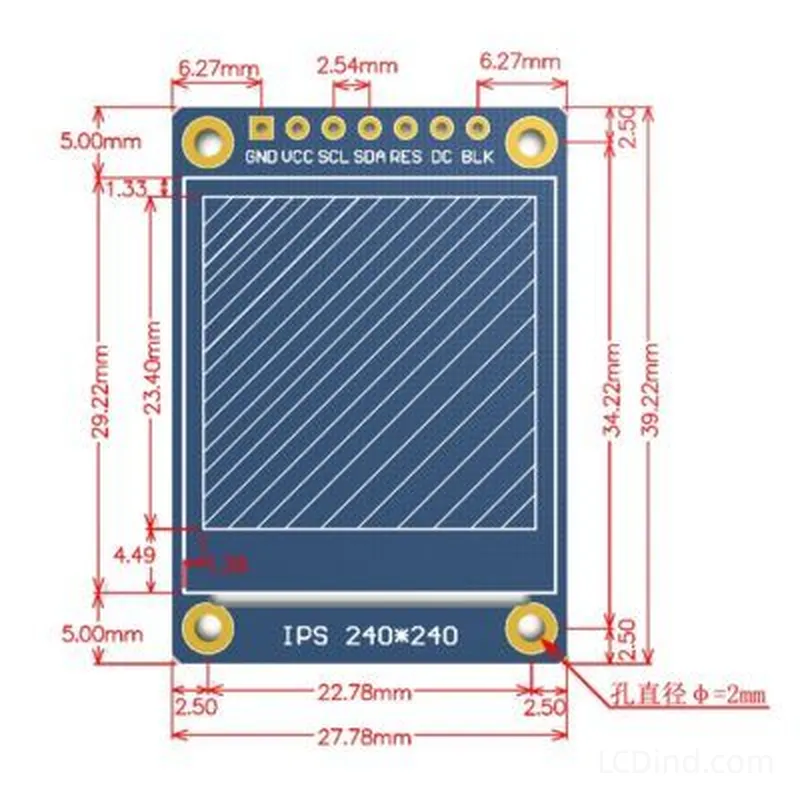
This 1.3 inch round TFT display is a compact screen option for HMI knobs, controller dials, and equipment front panels that need a circular color display with 240×240 resolution. The confirmed table data includes 1.3 inch size, 240×240 resolution, 4-line SPI interface, -10 C~60 C operating range, 39.22 x 27.78 mm outline dimension, 23.40 x 23.40 mm active area, 3.3V power supply, and LCDind model LCDind-DS20203. Brightness, touchscreen, and LED lifetime are not confirmed and should be reviewed during RFQ.
Technical Specifications
| Size | 1.3 inch |
|---|---|
| Resolution | 240×240 |
| Interface | 4-line SPI interface |
| Brightness | |
| Touchscreen | |
| Operating Temp | -10 C~60 C |
| Outline Dimension | 39.22 x 27.78 mm |
| Active Area | 23.40 x 23.40 mm |
| Power Supply | 3.3V |
| LED Lifetime | |
| LCDind Model | LCDind-DS20203 |
Compact HMI Knob Mechanical Review
This display is intended for compact HMI knob concepts where the display supports a focused control rather than a full operator screen. The 39.22 x 27.78 mm outline and 23.40 x 23.40 mm active area should be reviewed with the actual knob diameter, encoder placement, lens opening, and PCB position. Because round UI designs often use printed covers or black masks, the visible area should be checked with artwork before mechanical tooling is released.
A compact HMI knob may be used on automation equipment, medical devices, test instruments, or smart control panels. In each case, the front structure can include a lens, encoder, retaining ring, gasket, and FPC bend. If the design places the display close to moving parts, confirm that cable routing and connector placement do not interfere with the knob movement. The display should also be tested at the intended viewing angle because users may look at a knob from above or from the side.
4-Line SPI for Focused Control Interfaces
The 4-line SPI interface is appropriate when the HMI knob shows setpoint values, mode labels, alarm color, and simple graphic states. It is not a wide-bandwidth display bus, but it is efficient for compact controller UI. Engineers should confirm SPI timing, initialization code, display orientation, refresh rate, and how quickly the screen responds when the user changes a setting.
Power supply is listed as 3.3V. The host board should confirm logic compatibility, backlight control, and any sleep-mode requirement. In industrial control panels, electrical noise from relays, motors, or long harnesses may affect small displays. EMC layout and grounding should be reviewed if the display is connected through a cable or installed in a metal enclosure.
Use Cases for Compact HMI Knobs
The module is useful for setpoint knobs, smart switches, compact parameter controllers, machine accessories, laboratory equipment, climate controllers, and specialized equipment panels. The 240×240 resolution supports circular menus, numeric values, icons, warning colors, and segmented status rings. It allows an OEM to build a cleaner interface than a printed scale plus LED indicators while keeping the control area small.
Compared with a rectangular small TFT, a round display gives a more intentional HMI appearance when the product already uses rotary control. It can show multiple product variants through firmware rather than changing printed front panels. That can simplify manufacturing across different languages, units, or model versions if the display supply and firmware are stable.
Procurement and Specification Control
For sourcing, use LCDind-DS20203, 1.3 inch size, 240×240 resolution, 4-line SPI interface, and the mechanical table values as the reference. Do not assume brightness or touch from related products because this specific table leaves those fields blank. Procurement should request confirmation based on the lighting environment, cover-lens stack, and desired operating life.
For repeat production, ask about revision control, sample approval, packaging, cosmetic criteria, and whether customized cable or lens work is required. A compact HMI knob is often a visible product feature, so small appearance differences can create quality complaints. Define acceptable display alignment, cover printing, dust level, and brightness uniformity early.
Customization Review
LCDind can review cover glass, black mask printing, logo printing, FPC change, connector direction, brightness target, bonding, and packaging. If the final HMI knob needs a premium front surface, share the industrial design file, not only the electrical requirements. The display, lens, and knob should be reviewed as one assembly.
If touch is required, define whether the user will touch the display face or operate through a physical knob. Many compact HMI designs are more robust with an encoder and separate button than with a tiny touch-only interface. LCDind can review the options after seeing the interaction requirement and enclosure stack.
RFQ and Engineering Review Checklist
- HMI knob assembly drawing, visible area, lens stack, and encoder position.
- Host processor, 4-line SPI timing, 3.3V logic, and orientation requirement.
- UI mockup showing numeric values, icons, arcs, alarms, or menu states.
- Brightness target and viewing environment because brightness is not specified.
- Touch or non-touch interaction plan with cover-lens details.
- Sample quantity, annual forecast, and production approval timeline.
Engineering FAQ
Is this display suitable for a full machine HMI?
It is better suited for a compact knob or focused controller. Use a larger display for full machine screens with multiple pages, alarms, and operator workflows.
Can this display show circular menus?
Yes. The 240×240 resolution supports circular graphics, rings, icons, and numeric indicators when the firmware and artwork are designed for the active area.
Why should brightness be confirmed separately?
The product table does not list a brightness value. The final need depends on lens tint, viewing angle, ambient light, and the expected operating environment.
What is the main model reference?
Use LCDind-DS20203 with the listed size, resolution, interface, and mechanical values when requesting engineering review.
Project Notes for Sourcing Teams
This module should be evaluated with the complete knob assembly and UI mockup. That gives LCDind enough context to confirm display fit, interface planning, and whether customization is needed for stable OEM production.
Sample Evaluation Priorities
For sample evaluation, do not judge this display only by whether it turns on. Load representative graphics that include the smallest expected text, the most important warning icon, the main setpoint screen, and the normal idle screen. View the sample through the intended cover lens and at the real installation angle. A compact HMI knob is usually touched, turned, or watched at close range, so alignment, color contrast, and perceived brightness have direct impact on the operator experience.
Production teams should also confirm how the module will be assembled. If the FPC is bent by hand or routed around an encoder body, define the bend direction and handling method before pilot run. This reduces scrap, intermittent connection problems, and cosmetic variation once the display becomes part of a visible control module.
Additional information
About brand
Source OEM / ODM LCD panels for OEM, replacement and industrial integration projects. Submit size, resolution, interface, brightness, lifecycle and annual quantity for review.
Engineering FAQ
Q: What is this 1.3 inch round TFT display best used for?
A: This round TFT display is intended for compact HMI knobs, embedded controllers, instrument panels, compact terminals, and OEM equipment programs that need stable display sourcing with 240x240 resolution.
Q: Which interface details should engineers confirm before sampling?
A: Use the 4-line SPI interface interface as the starting point. Before sample approval, confirm pinout, signal timing, voltage, cable length, connector direction, firmware support, and EMC layout with the host board.
Q: Can LCDind customize touch, cover glass, or bonding for this display?
A: Yes. LCDind can review resistive touch, capacitive touch, cover lens thickness, logo printing, AG/AR/AF coating, optical bonding, and controller matching. Current touch note: touch configuration is reviewed during RFQ.
Q: How should brightness be selected for the final device?
A: The current brightness guidance is brightness should be confirmed against the lighting environment. Share indoor, vehicle, kiosk, outdoor shade, or sunlight-readable requirements so LCDind can review backlight, heat, bonding, and cover-glass options.
Q: What mechanical details matter before enclosure tooling?
A: Check outline 39.22 x 27.78 mm, active area 23.40 x 23.40 mm, power input 3.3V before releasing tooling. Buyers should confirm bezel opening, mounting stack, FPC bend radius, connector clearance, gasket pressure, and viewing area tolerance.
Q: What should be included in an RFQ for this round TFT display?
A: Send annual forecast, trial quantity, target schedule, host platform, interface requirement, mechanical drawing, brightness target, touch plan, operating environment, and any replacement display dimensions.
Q: Can this display be used for outdoor or high-ambient-light equipment?
A: It can be reviewed for outdoor equipment, but final approval depends on brightness, thermal design, sealing, UV exposure, cover glass, and viewing angle. For direct sunlight, request high-brightness or optical-bonding review.
Q: How does LCDind identify this product during engineering review?
A: Use LCDind internal model LCDind-DS20203 together with size, resolution, interface, and mechanical drawing. Supplier-only panel codes are not needed for public sourcing discussions.
Shipping and Delivery