13
High Brightness LCD Display for Vehicle Dashboards 10.25 inch MIPI
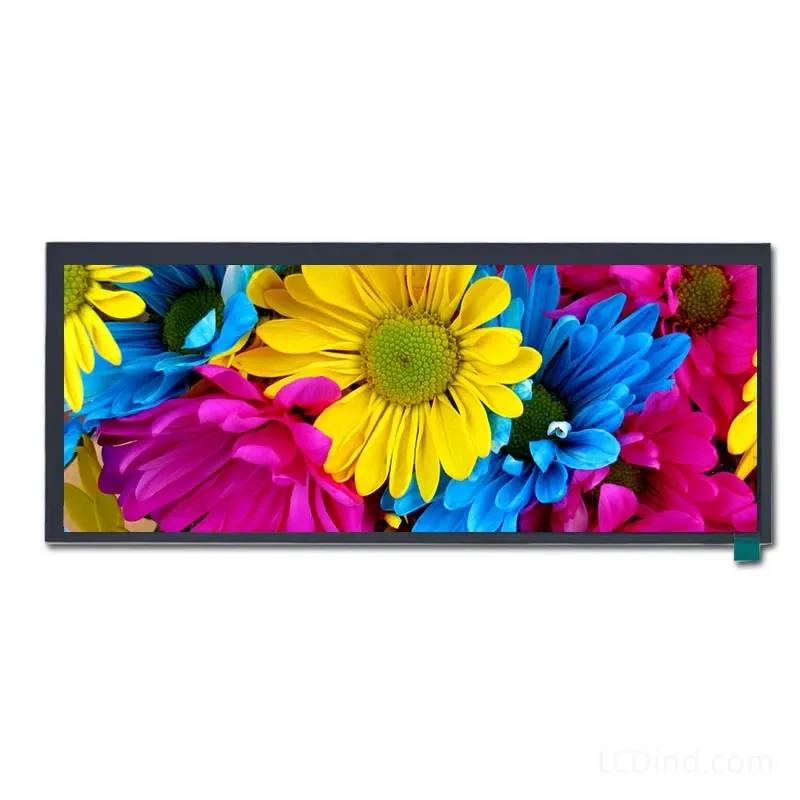
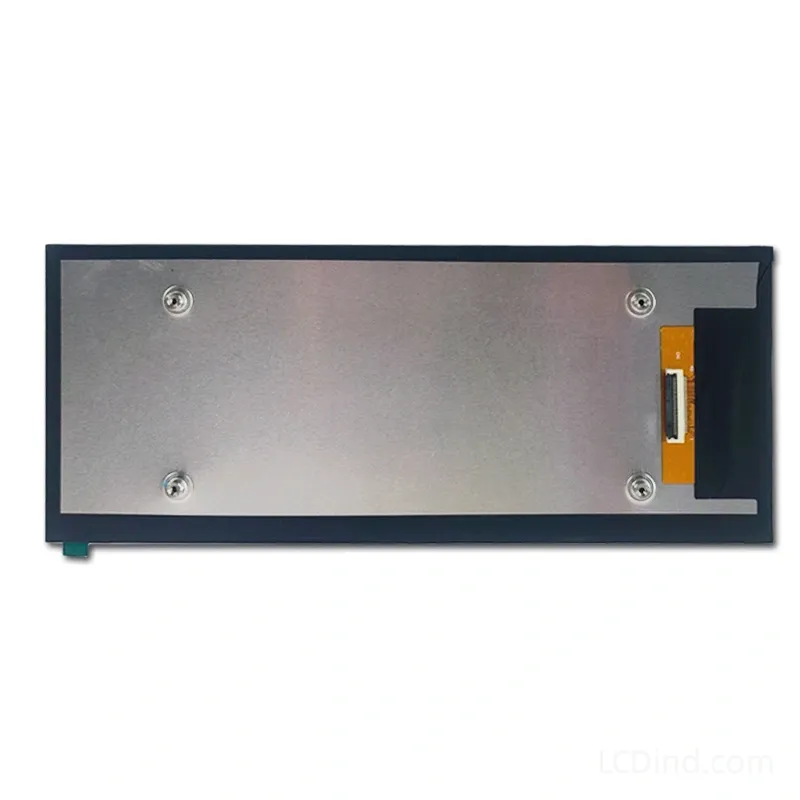
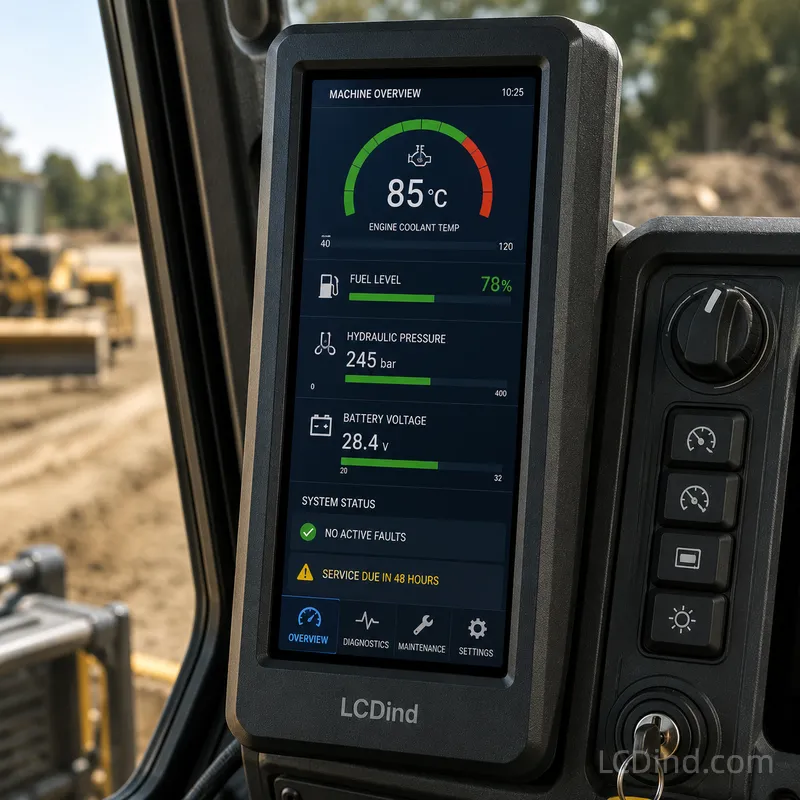
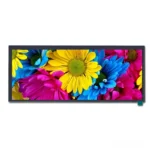
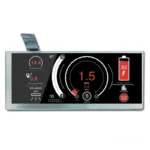
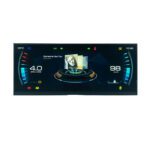
10.25 inch 720×1920 MIPI high-brightness LCD for vehicle dashboards, with 1000 nits brightness, no-touch standard configuration, 91.37×243.65 mm active area and -30 to +80°C operation.
Product Attributes
| Brand | OEM / ODM |
|---|---|
| Size | 10.25 inch |
| Resolution | 720×1920 |
| Interface | MIPISpecify MIPI DSI displays by TFT or mono path, resolution, lane count, driver IC, command or video mode, initialization, pinout, touch and annual quantity. |
| Brightness | Sunlight Readable (1000+ nits)Specify 1000+ nit LCD displays by ambient light, size, resolution, interface, optical stack, touch, thermal limits, duty cycle and annual quantity. |
| Operating Temp | Ultra Wide / Automotive (-30 ℃ to +85 ℃) |
| Touchscreen | No Touch |
| Viewing Direction |
Description
10.25 Inch 720×1920 1000-Nit MIPI LCD for Vehicle Dashboards
This 10.25 inch high-brightness MIPI LCD is designed for vehicle dashboards, transport terminals, EV charging interfaces and daylight-readable industrial controls. The detailed public table confirms 720×1920 resolution, MIPI interface, 1000 nits brightness, all viewing directions, no touch panel in the standard configuration, -30 to +80°C operating temperature, -30 to +80°C storage temperature, 104.5×256.5×5.05 mm outline, 91.37×243.65 mm active area, 1000:1 contrast ratio, 3.3V power supply, 20000-hour LED lifetime and panel model ZC-102501-1001.
Confirmed Product Specifications
| Size | 10.25 inch |
|---|---|
| Resolution | 720×1920 |
| Interface | MIPI |
| Brightness | 1000 nits |
| Viewing Direction | All viewing directions |
| Touchscreen | No touch panel in standard configuration |
| Operating Temp | -30 to +80°C |
| Storage Temp | -30 to +80°C |
| Outline Dimension | 104.5*256.5*5.05 mm |
| Active Area | 91.37*243.65 mm |
| Contrast Ratio | 1000:1 |
| Power Supply | 3.3V |
| LED Lifetime | 20000 hours |
| Panel Model | ZC-102501-1001 |
Vehicle Dashboard Fit
The 10.25 inch portrait display can fit compact vehicle dashboards, transport equipment, charger screens and outdoor industrial panels where the enclosure needs a long, narrow information area. The 720×1920 resolution supports status groups, icons, warnings and service pages without requiring a very wide front panel.
MIPI Host Compatibility
Confirm host processor, MIPI lane count, pinout, initialization, reset, orientation and backlight control. Vehicle and outdoor dashboard projects often require stable boot behavior and recovery after power cycling, so the display should be tested with the real host board.
Brightness and Dimming
1000 nits helps daylight readability, but dashboard displays also need dimming for night use. Define dimming method, minimum brightness, PWM behavior and thermal limits. Operator comfort and heat management are both important in vehicle-style installations.
Touch and Cover Stack
The standard configuration is no touch. If PCAP is required, specify glass, bonding, controller interface, ESD, grounding, glove behavior and wet-touch requirement. A dashboard cover can change reflection and brightness, so test the final stack.
Mechanical Review
The 104.5×256.5×5.05 mm outline and 91.37×243.65 mm active area should be checked against the dashboard drawing. Long displays show alignment errors clearly; review bezel tolerance, FPC direction, cable support and mounting pressure.
Environmental Considerations
The -30 to +80°C range supports demanding applications, but the full system must also handle vibration, power transients, condensation and direct sun heating. Validate the panel, cable, controller and front stack together.
Production Control
Lock panel model ZC-102501-1001, MIPI settings, cable, brightness target, dimming behavior, front glass and inspection criteria. Substitutes should require engineering review for active area, outline and firmware initialization.
Fit for Narrow Vehicle Panels
The 10.25 inch 720×1920 format is useful when the dashboard has a narrow vertical or side display zone. It can show equipment status, charging information, drive mode, alerts or service data without requiring a full-width cluster display. The active area and outline should be compared with the dashboard surface before UI design is finalized.
Day/Night Brightness Strategy
Vehicle dashboard screens must be readable in daylight but not distracting at night. Define dimming control, minimum brightness, automatic brightness input if used and thermal behavior at high brightness. Test with the final cover lens because reflection and tint can change readability more than the panel brightness value suggests.
Host and Firmware Confirmation
MIPI panels require exact host support. Provide the processor platform, connector, lane count, orientation and initialization sequence. If the host board changes during development, the display should be retested. This is important because MIPI compatibility is not determined by resolution alone.
Supply Continuity
For dashboard programs, document panel model ZC-102501-1001, cable, MIPI settings, brightness settings, front stack and inspection criteria. If the product enters repeat production, substitutes should be approved only after mechanical, electrical, optical and firmware checks.
Dashboard Integration Risk
The main integration risk is treating the panel as a universal vehicle display. It is a MIPI LCD panel that still needs host initialization, power design, cable routing, dimming logic and front-stack validation. If the project requires automotive-style reliability, define the validation level separately. If it is for industrial vehicles or EV equipment rather than passenger-car production, state that clearly so LCDind can quote a practical engineering path.
Vehicle Dashboard Sample Review
A 10.25 inch dashboard sample should be reviewed with real vehicle graphics, warning icons, day/night themes and the intended cover material. Check whether the narrow active area fits the UI without cramped text. Also confirm that the display initializes reliably after power cycling, because vehicle and equipment dashboards often restart under unstable power conditions. Record the approved brightness range, cable route, cover-lens material, MIPI settings and sample inspection result before releasing a repeat order.
RFQ Checklist
- Confirm MIPI host platform, lane count, connector, initialization, cable and orientation.
- Define dashboard environment, dimming, thermal condition, vibration, cover glass and touch requirement.
- Provide mechanical drawing, visible area, cable route, sample quantity and annual forecast.
- State validation criteria, packaging and substitute approval rules.
Engineering Review Note
The specifications above are taken from the current public product page and should be treated as selection inputs, not final system approval. Before sample purchase or production order, LCDind should review host interface, drawing, optical stack, touch requirement, controller-board scope, operating environment, supply quantity and inspection criteria. This update keeps the existing product URL unchanged while making the page more useful for B2B engineering and sourcing decisions.
Engineering FAQ
Is this panel touch-enabled by default?
No. The standard configuration lists no touch.
What is the panel model?
ZC-102501-1001 in the detailed public table.
Does it need dimming review?
Yes. Vehicle-style dashboards should define day and night brightness behavior.
Additional information
| Brand | OEM / ODM |
|---|---|
| Size | 10.25 inch |
| Resolution | 720×1920 |
| Interface | MIPISpecify MIPI DSI displays by TFT or mono path, resolution, lane count, driver IC, command or video mode, initialization, pinout, touch and annual quantity. |
| Brightness | Sunlight Readable (1000+ nits)Specify 1000+ nit LCD displays by ambient light, size, resolution, interface, optical stack, touch, thermal limits, duty cycle and annual quantity. |
| Operating Temp | Ultra Wide / Automotive (-30 ℃ to +85 ℃) |
| Touchscreen | No Touch |
| Viewing Direction |
About brand
Source OEM / ODM LCD panels for OEM, replacement and industrial integration projects. Submit size, resolution, interface, brightness, lifecycle and annual quantity for review.
Engineering FAQ
Q: What type of equipment project is this 10.25 inch TFT LCD Module 720x1920 MIPI 1000 nits suitable for?
A: This high brightness LCD display is best considered for EV charging stations, outdoor kiosks, transport terminals, machine-side panels, and daylight-readable industrial controls. LCDind recommends confirming annual quantity, enclosure design, host interface, brightness target, and operating environment before moving from samples to batch orders.
Q: What interface should the OEM mainboard support?
A: The MIPI interface fits compact embedded platforms that need high-density signaling, low cable count, and careful confirmation of lane count, connector direction, and initialization code. Please confirm pin assignment, connector type, voltage, timing, cable direction, and controller-board requirements during engineering review.
Q: Is this display suitable for outdoor or high-ambient-light equipment?
A: With 1000 nits brightness, this module is a strong fit for sunlight-readable or high-ambient-light equipment when paired with proper thermal design, AG/AR cover glass, and enclosure review. For demanding outdoor or sunlight-readable equipment, LCDind can review target nits, AG/AR cover glass, optical bonding, thermal design, and backlight lifetime for the production environment.
Q: Can LCDind support touch, cover glass, or module customization for batch production?
A: The standard configuration is supplied without a touch panel, which is useful for display-only devices or projects that plan a separate keypad, cover lens, or custom touch stack. LCDind can evaluate capacitive touch, resistive touch, cover-glass thickness, bonding, coating, FPC changes, cable length, and production consistency requirements.
Q: What information should procurement provide for a factory quotation?
A: Please share target application, annual forecast, first order quantity, host interface, mechanical drawing, brightness requirement, operating temperature -30 to +80°C, certification needs, delivery schedule, and whether pre-production samples are required.
Shipping and Delivery
Q: What is the MOQ?
A: The MOQ for our products is 1 piece. We are able to provide support throughout the testing process.
Q: What about the delivery time?
A: We have products in stock and can ship them within 3 working days.
Q: Does your product have any warranty?
A: Yes, we offer a warranty that ensures the LCD will function properly upon receipt. However, please note that we do not provide guarantees for any damage caused during use.
Q: What’s your payment method?
A: We accept several payment methods, including T/T (bank transfer), and PayPal.
Q: What’s your shipping method?
A: Thank you for your inquiry. We offer various shipping methods to suit different needs.
For small quantity orders, we use UPS Air-Express, DHL, FedEx, TNT, or EMS Express service. These options are safe and fast.
For large quantity orders, we typically work with the buyer’s cargo agent in China. Alternatively, we can arrange for air or sea transportation.
Please let us know your preferred shipping method and we will do our best to accommodate your request.
Q: Do you offer custom solution?
A: Yes, we offer custom solutions if our standard products do not meet the buyer’s requirements. Please let us know your specific needs, and we will work with you to create a tailored solution that meets your business needs.
Q: How to Contact us?
A: Send your Inquiry Details in the Below, Click “Send” Now!