13
Description
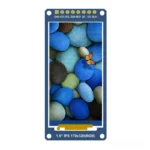
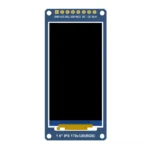
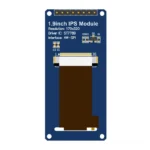
1.8-Inch SPI TFT Display for Portrait Device Displays
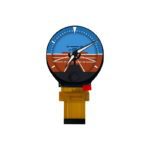
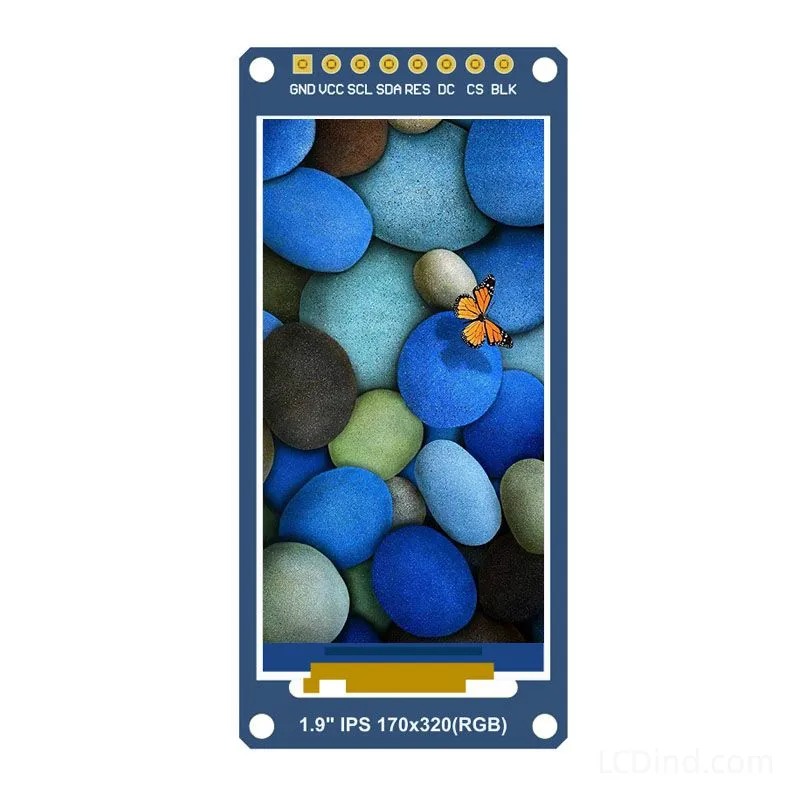
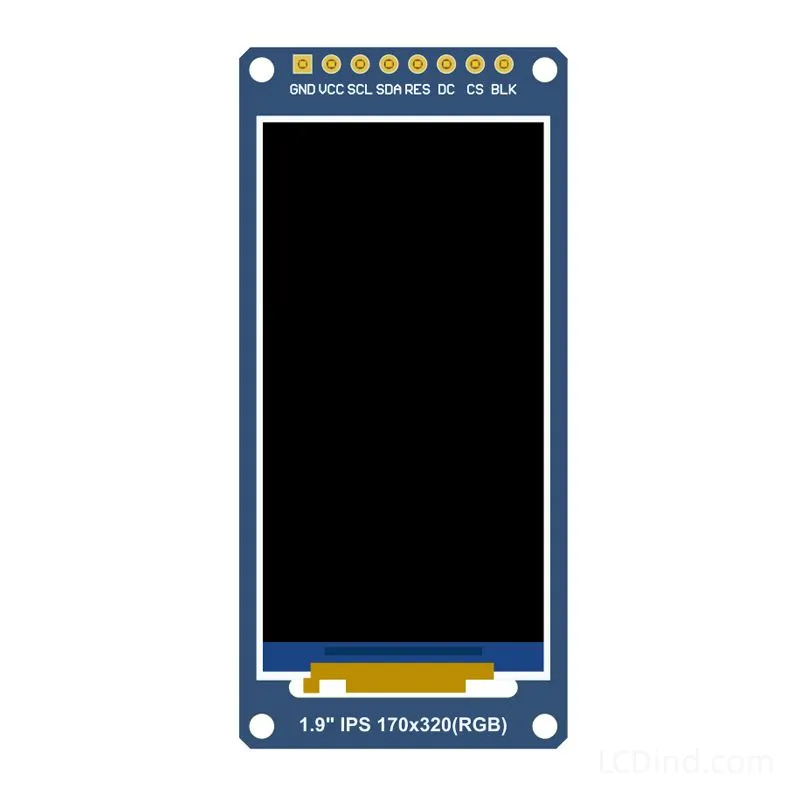
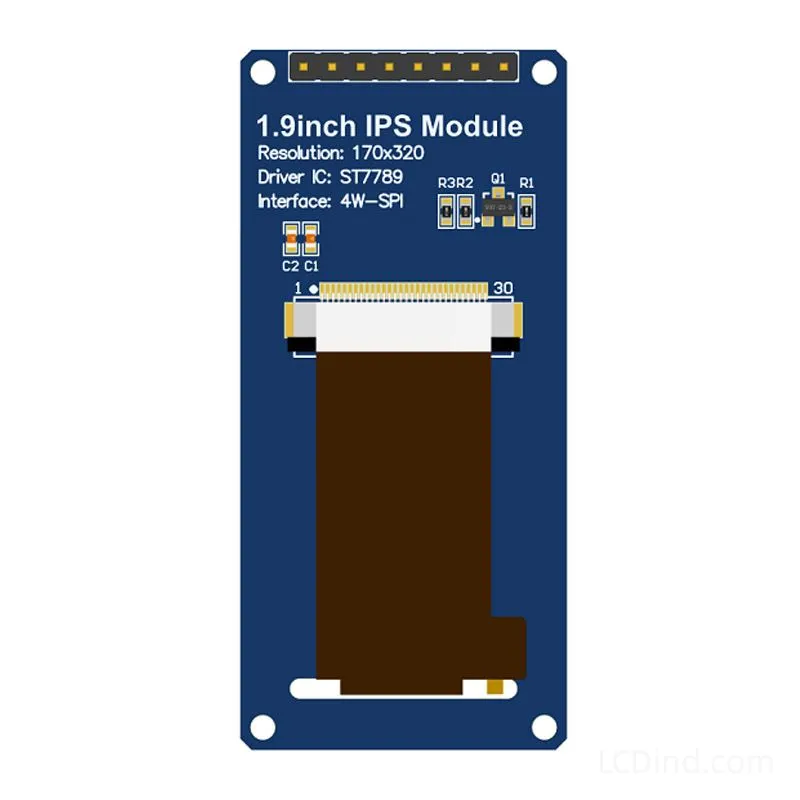
This 1.8 inch SPI TFT display is intended for portrait-oriented device interfaces where the UI needs a taller 170×320 pixel layout in a compact mechanical space. The confirmed specifications include 1.8 inch size, 170×320 resolution, 4-wire SPI interface, -10 C~60 C operating range, 29.00 x 62.00 mm outline dimension, 22.695 x 42.72 mm active area, 3.3V power supply, and LCDind model LCDind-DS20209. Brightness, touchscreen, and LED lifetime are not confirmed in the current table and should be reviewed during RFQ.
Technical Specifications
| Size | 1.8 inch |
|---|---|
| Resolution | 170×320 |
| Interface | 4-wire SPI interface |
| Brightness | |
| Touchscreen | |
| Operating Temp | -10 C~60 C |
| Outline Dimension | 29.00 x 62.00 mm |
| Active Area | 22.695 x 42.72 mm |
| Power Supply | 3.3V |
| LED Lifetime | |
| LCDind Model | LCDind-DS20209 |
Portrait UI Fit
The 170×320 resolution is useful when a device needs vertical menus, stacked values, progress bars, battery indicators, signal icons, or service prompts. Compared with a square display, the portrait format can present a clearer step-by-step interface in a narrow handheld or panel-mounted product. The UI should be designed around vertical scanning rather than forcing a landscape HMI into a small window.
Mechanical Review
The 29.00 x 62.00 mm outline and 22.695 x 42.72 mm active area should be checked against the front housing, cover lens, PCB edge, connector location, and FPC bend. A tall narrow module can fit in slim products, but it is sensitive to alignment. If the visible opening is slightly off-center, the UI may look unbalanced. Confirm the active-area location before committing to tool design.
SPI and Performance Planning
The 4-wire SPI interface supports compact embedded designs, but the higher pixel count compared with 128×160 modules should be considered in firmware. Engineers should test refresh behavior for menus, scrolling lists, alert screens, and transitions. If the product needs fast animation, the host controller and SPI clock margin should be reviewed carefully.
Application Scenarios
This module can serve handheld terminals, compact control sticks, narrow front panels, portable instruments, small connected devices, sensor readers, and service tools. It is particularly useful where the device form factor is vertical and the operator needs more screen height for values or messages. The 3.3V power requirement fits many modern microcontroller boards when the electrical design is planned correctly.
Procurement Notes
Use LCDind-DS20209 with the exact size, resolution, interface, outline, active area, and power values in the RFQ. Because brightness is blank, the buyer should describe the lighting environment and lens stack. If the product must be used in outdoor shade, vehicles, or bright workshops, request brightness and optical review before sample approval.
Customization Options
LCDind can review cover lens, surface treatment, FPC adjustment, connector direction, brightness target, bonding method, and packaging. If the final product needs touch, define the touch area and cover structure separately because the current table does not confirm touchscreen configuration.
Designing for the Tall 170×320 Format
The main advantage of this product is the tall portrait resolution. It supports vertical information flow: a header, a primary value, a secondary value, a status icon, and a footer can all fit more naturally than on a square display. This is useful for narrow products where the enclosure width is fixed by grip, rail, or panel space. The UI should be designed specifically for portrait display use instead of scaling down a landscape interface, because scaled UI usually creates small text and poor operator readability.
Thermal and Optical Questions
The current product table does not confirm brightness or LED lifetime, so those items must be clarified during RFQ. For portrait device displays, optical performance is often affected by cover lens height, internal heat, and how the device is held. If the screen will be used in a handheld device, test it at common holding angles and with the expected cover surface. If the device has a dark-tinted window, request brightness review before sample approval.
Difference From Other 1.8-Inch Options
This page should not be treated as identical to the 128×160 1.8 inch products. The 170×320 resolution, 29.00 x 62.00 mm outline, and 22.695 x 42.72 mm active area create a different mechanical and UI profile. It is better for vertical information but may require more firmware bandwidth for full-screen updates. Buyers should reference LCDind-DS20209 specifically rather than asking only for a 1.8 inch SPI display.
Production Qualification
Before mass production, validate connector fit, FPC bend radius, screen alignment, display rotation, menu refresh, alarm visibility, and power recovery. If the display is installed in a slim device, check that the enclosure does not twist or press the display during assembly. Small portrait modules can deliver a professional interface, but only when the mechanical and firmware details are controlled together.
Narrow-Housing Procurement Check
For narrow housings, procurement should confirm the exact active area, outline, and cable route before approving alternates. A cheaper replacement with the same diagonal size may still require new lens artwork, firmware rotation, or enclosure changes.
Replacement Project Warning
For replacement projects, compare connector position, FPC direction, active-area offset, and initialization code before assuming compatibility.
RFQ Checklist
- Target quantity, annual forecast, and sample schedule.
- Mechanical drawing with active area, outline, mounting, and cable route.
- Host board, interface timing, voltage rails, and controller-board requirement.
- Brightness, lens, bonding, touch, and operating-environment requirements.
- Inspection standard, packaging requirement, and revision-control expectation.
Engineering FAQ
Why choose a portrait display?
A portrait display fits narrow products and supports vertical menus, stacked values, progress bars, and service prompts more naturally than a square display.
Is brightness confirmed?
No. The brightness field is blank, so final readability should be confirmed through RFQ and sample testing.
Can this display show scrolling content?
It can support compact scrolling or menu content if the host firmware and SPI update rate are validated.
What is the engineering model reference?
Use LCDind-DS20209 together with the mechanical drawing and 170×320 resolution requirement.
Engineering Review Note
For quotation, send the product URL, target application, required quantity, and any existing drawing or replacement panel details. LCDind will review whether the standard configuration fits or whether interface, backlight, FPC, cover glass, touch, bonding, or controller-board customization should be quoted.
Additional information
About brand
Source OEM / ODM LCD panels for OEM, replacement and industrial integration projects. Submit size, resolution, interface, brightness, lifecycle and annual quantity for review.
Engineering FAQ
Q: What is this 1.8 inch SPI TFT display best used for?
A: This SPI TFT display is intended for portrait device displays, embedded controllers, instrument panels, compact terminals, and OEM equipment programs that need stable display sourcing with 170x320 resolution.
Q: Which interface details should engineers confirm before sampling?
A: Use the 4-wire SPI interface interface as the starting point. Before sample approval, confirm pinout, signal timing, voltage, cable length, connector direction, firmware support, and EMC layout with the host board.
Q: Can LCDind customize touch, cover glass, or bonding for this display?
A: Yes. LCDind can review resistive touch, capacitive touch, cover lens thickness, logo printing, AG/AR/AF coating, optical bonding, and controller matching. Current touch note: touch configuration is reviewed during RFQ.
Q: How should brightness be selected for the final device?
A: The current brightness guidance is brightness should be confirmed against the lighting environment. Share indoor, vehicle, kiosk, outdoor shade, or sunlight-readable requirements so LCDind can review backlight, heat, bonding, and cover-glass options.
Q: What mechanical details matter before enclosure tooling?
A: Check outline 29.00 x 62.00 mm, active area 22.695 x 42.72 mm, power input 3.3V before releasing tooling. Buyers should confirm bezel opening, mounting stack, FPC bend radius, connector clearance, gasket pressure, and viewing area tolerance.
Q: What should be included in an RFQ for this SPI TFT display?
A: Send annual forecast, trial quantity, target schedule, host platform, interface requirement, mechanical drawing, brightness target, touch plan, operating environment, and any replacement display dimensions.
Q: Can this display be used for outdoor or high-ambient-light equipment?
A: It can be reviewed for outdoor equipment, but final approval depends on brightness, thermal design, sealing, UV exposure, cover glass, and viewing angle. For direct sunlight, request high-brightness or optical-bonding review.
Q: How does LCDind identify this product during engineering review?
A: Use LCDind internal model LCDind-DS20209 together with size, resolution, interface, and mechanical drawing. Supplier-only panel codes are not needed for public sourcing discussions.
Shipping and Delivery