13
Sunlight Readable Display 4 inch 500 nits MIPI
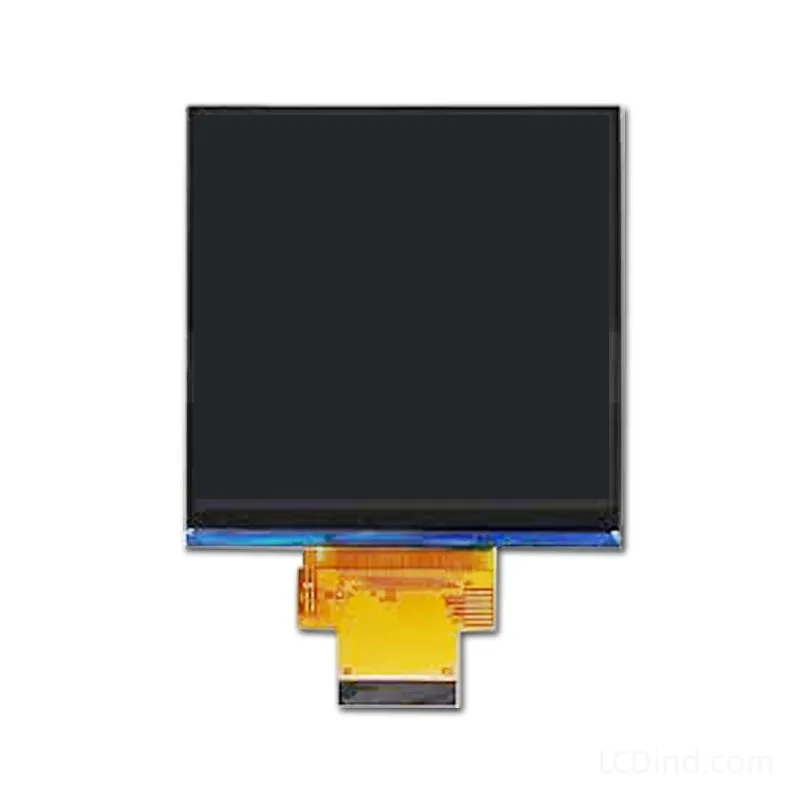
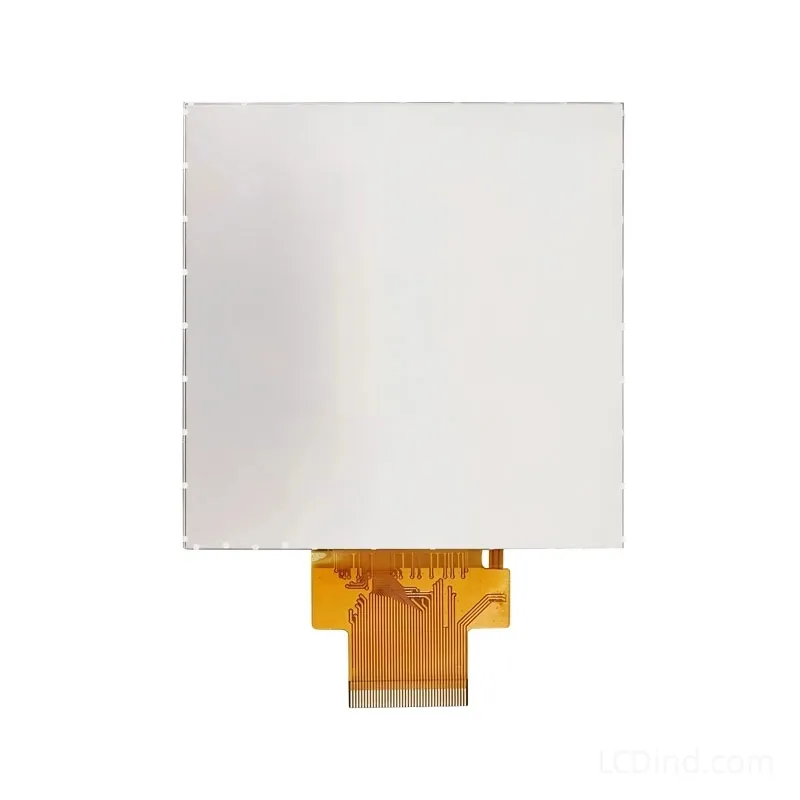
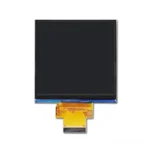
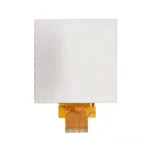
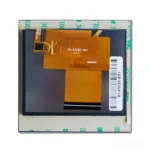
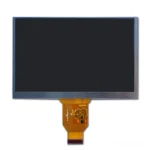
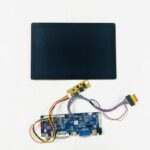
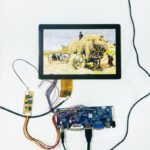
4 inch 480×480 IPS MIPI high-brightness LCD with 500 nits brightness, 700:1 contrast, 71.856×70.176 mm active area and no touch in standard configuration.
Product Attributes
| Brand | OEM / ODM |
|---|---|
| Size | 4 inch |
| Resolution | 480×480 |
| Interface | MIPISpecify MIPI DSI displays by TFT or mono path, resolution, lane count, driver IC, command or video mode, initialization, pinout, touch and annual quantity. |
| Brightness | High Brightness (500-900 nits) |
| Panel Type | IPS |
| Operating Temp | Industrial (-20 ℃ to +70 ℃) |
| Touchscreen | No Touch |
| Viewing Direction |
Description
4 Inch 480×480 MIPI High-Brightness LCD for Compact Field Interfaces
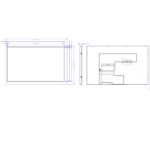
This 4 inch MIPI LCD is a compact high-brightness display for field instruments, handheld service terminals, compact charging controls, industrial dials and square embedded HMI designs. The public specification lists 480×480 resolution, MIPI interface, IPS wide viewing, 500 nits brightness, no touch in the standard configuration, -20 to 70 °C operating temperature, -30 to 80 °C storage, 75.66×78.23×2.2 mm outline, 71.856×70.176 mm active area, 700:1 contrast, 3.3V power supply, 20000-hour LED lifetime and panel model MQ40WVH4060-. It should be selected for products that need a square information area and MIPI host integration rather than a simple rectangular status module.
The 480×480 format supports centered values, circular gauges, icons, charging status, compact warning pages and short operator prompts. It gives more interface flexibility than very small round displays while still fitting a compact front panel. For industrial users, UI density should stay practical: large values, clear alarm states and limited menu depth are usually more useful than phone-style graphics. Test the interface behind the final cover lens at the real viewing distance before approving the screen layout.
MIPI compatibility depends on the host platform. The buyer should provide lane count, voltage, connector, initialization sequence, reset timing, backlight control and operating system or firmware environment. If the product uses Android or Linux, panel driver and device-tree work may be required. If it uses an MCU with bridge IC, the bridge configuration and frame rate need review. A MIPI display should not be quoted as interchangeable with RGB, SPI or LVDS versions of the same size.
The 500-nit brightness gives a useful margin for bright indoor and outdoor-adjacent use, but it should not be treated as a guaranteed direct-sunlight result. A protective cover, anti-vandal lens, printed mask or touch overlay can reduce effective brightness and increase reflection. If the product will be used outdoors, provide expected sunlight exposure, installation angle, front glass and internal temperature estimate. If true daylight readability is critical, optical stack testing is required.
No touch is included in the standard configuration. If the equipment uses buttons or rotary input, the no-touch display can simplify the front assembly and preserve brightness. If touch is required, define capacitive or resistive technology, cover-lens thickness, bonding, controller interface, water behavior, glove requirement and ESD design at the RFQ stage.
RFQ Checklist
- Host platform, MIPI lane count, voltage, connector and initialization requirements.
- Square UI layout, real viewing distance, alarm state and font-size requirements.
- Front lens, printed mask, enclosure drawing and active-area alignment.
- Brightness target after lens, outdoor exposure and thermal estimate.
- No-touch baseline or defined touch stack requirement.
- Sample quantity, forecast, schedule and inspection criteria.
Engineering FAQ
Is this a round display? No. It is a compact square-format 480×480 LCD that can support dial-style graphics.
Can any MIPI host drive it? No. Lane configuration, timing, voltage and initialization must match the host.
Is touch included? No touch is listed in the standard configuration; touch must be defined separately.
Is 500 nits enough outdoors? It can help, but outdoor readability depends on the complete optical stack and environment.
What is the main selection risk? Assuming size and brightness are enough while ignoring MIPI driver, front-lens reflection and thermal behavior.
Engineering Review Note
Use this 4 inch MIPI LCD for compact square HMI projects that need moderate high brightness and IPS viewing. Send LCDind the host MIPI details, front assembly drawing and operating environment before sample approval.
Prototype Validation and Assembly Scope
For a compact 4 inch high-brightness MIPI display, prototype validation should cover both software and front-panel appearance. Confirm MIPI initialization, stable image output, screen orientation, backlight dimming, cold and hot behavior, and UI readability behind the final lens. If the equipment has a square or circular-looking front design, check whether the rectangular outline, active-area position and border print align cleanly. A small display can fail visually if the active area is even slightly off-center in the housing.
Define the buying scope before sample quotation. The standard record is no touch. If the customer needs touch, cover glass, bonding, controller board, special FPC or cable, those items should be stated separately. If LCDind only quotes the bare panel but the project team expects a complete outdoor-ready display stack, cost and schedule will be wrong. The RFQ should also clarify whether the product is a field instrument, charger interface, appliance control, handheld terminal or panel-mounted display, because the front structure and test method differ.
For production control, document panel model MQ40WVH4060-, drawing, MIPI host configuration, optical stack, cable direction, brightness setting and cosmetic limits. If the same equipment family may later use a 3.95 inch or 4 inch RGB version, keep those records separate. Similar diagonal size and square format do not make the panels interchangeable.
For field equipment, check low-temperature startup and high-temperature backlight behavior with the final housing. A compact panel can be close to batteries, radios, power converters or sealed plastic walls, so internal temperature may differ from the ambient rating. Record the test condition with the approved sample.
If the interface board is still under development, request samples only after the MIPI lane count, connector and initialization path are stable. Otherwise the display may be blamed for issues caused by host firmware or bridge-board changes.
For a compact MIPI display used in a product family, decide early whether the same host board will drive other sizes. If yes, keep a compatibility matrix for MIPI lane count, connector, initialization and brightness control. This prevents one working prototype from being treated as proof that every related LCD can use the same firmware.
Additional information
| Brand | OEM / ODM |
|---|---|
| Size | 4 inch |
| Resolution | 480×480 |
| Interface | MIPISpecify MIPI DSI displays by TFT or mono path, resolution, lane count, driver IC, command or video mode, initialization, pinout, touch and annual quantity. |
| Brightness | High Brightness (500-900 nits) |
| Panel Type | IPS |
| Operating Temp | Industrial (-20 ℃ to +70 ℃) |
| Touchscreen | No Touch |
| Viewing Direction |
About brand
Source OEM / ODM LCD panels for OEM, replacement and industrial integration projects. Submit size, resolution, interface, brightness, lifecycle and annual quantity for review.
Engineering FAQ
Q: What type of equipment project is this 4 inch Sunlight Readable TFT LCD Display 480x480 MIPI suitable for?
A: This sunlight readable display is best considered for portable outdoor instruments, handheld service terminals, compact charging controls, and field data devices. LCDind recommends confirming annual quantity, enclosure design, host interface, brightness target, and operating environment before moving from samples to batch orders.
Q: What interface should the OEM mainboard support?
A: The MIPI interface fits compact embedded platforms that need high-density signaling, low cable count, and careful confirmation of lane count, connector direction, and initialization code. Please confirm pin assignment, connector type, voltage, timing, cable direction, and controller-board requirements during engineering review.
Q: Is this display suitable for outdoor or high-ambient-light equipment?
A: The 500 nits brightness level is suitable for bright indoor equipment and controlled-light terminals, with optional upgrades available when the project needs stronger daylight readability. For demanding outdoor or sunlight-readable equipment, LCDind can review target nits, AG/AR cover glass, optical bonding, thermal design, and backlight lifetime for the production environment.
Q: Can LCDind support touch, cover glass, or module customization for batch production?
A: The standard configuration is supplied without a touch panel, which is useful for display-only devices or projects that plan a separate keypad, cover lens, or custom touch stack. LCDind can evaluate capacitive touch, resistive touch, cover-glass thickness, bonding, coating, FPC changes, cable length, and production consistency requirements.
Q: What information should procurement provide for a factory quotation?
A: Please share target application, annual forecast, first order quantity, host interface, mechanical drawing, brightness requirement, operating temperature -20 to +70°C, certification needs, delivery schedule, and whether pre-production samples are required.
Shipping and Delivery
Q: What is the MOQ?
A: The MOQ for our products is 1 piece. We are able to provide support throughout the testing process.
Q: What about the delivery time?
A: We have products in stock and can ship them within 3 working days.
Q: Does your product have any warranty?
A: Yes, we offer a warranty that ensures the LCD will function properly upon receipt. However, please note that we do not provide guarantees for any damage caused during use.
Q: What’s your payment method?
A: We accept several payment methods, including T/T (bank transfer), and PayPal.
Q: What’s your shipping method?
A: Thank you for your inquiry. We offer various shipping methods to suit different needs.
For small quantity orders, we use UPS Air-Express, DHL, FedEx, TNT, or EMS Express service. These options are safe and fast.
For large quantity orders, we typically work with the buyer’s cargo agent in China. Alternatively, we can arrange for air or sea transportation.
Please let us know your preferred shipping method and we will do our best to accommodate your request.
Q: Do you offer custom solution?
A: Yes, we offer custom solutions if our standard products do not meet the buyer’s requirements. Please let us know your specific needs, and we will work with you to create a tailored solution that meets your business needs.
Q: How to Contact us?
A: Send your Inquiry Details in the Below, Click “Send” Now!