13
Wide Temperature LCD Display for Compact Industrial HMI 3.95 inch MIPI
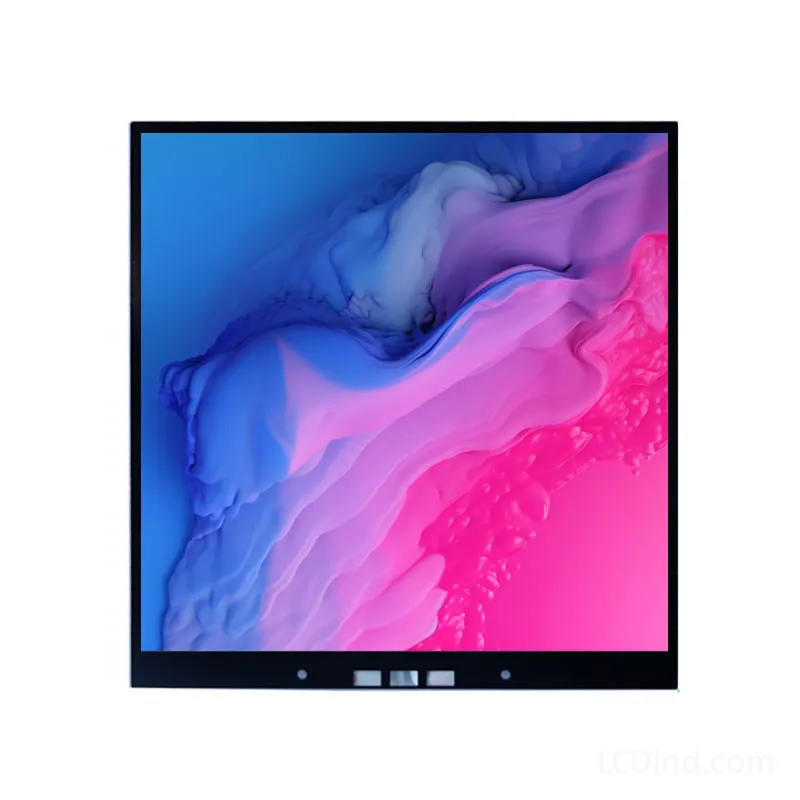
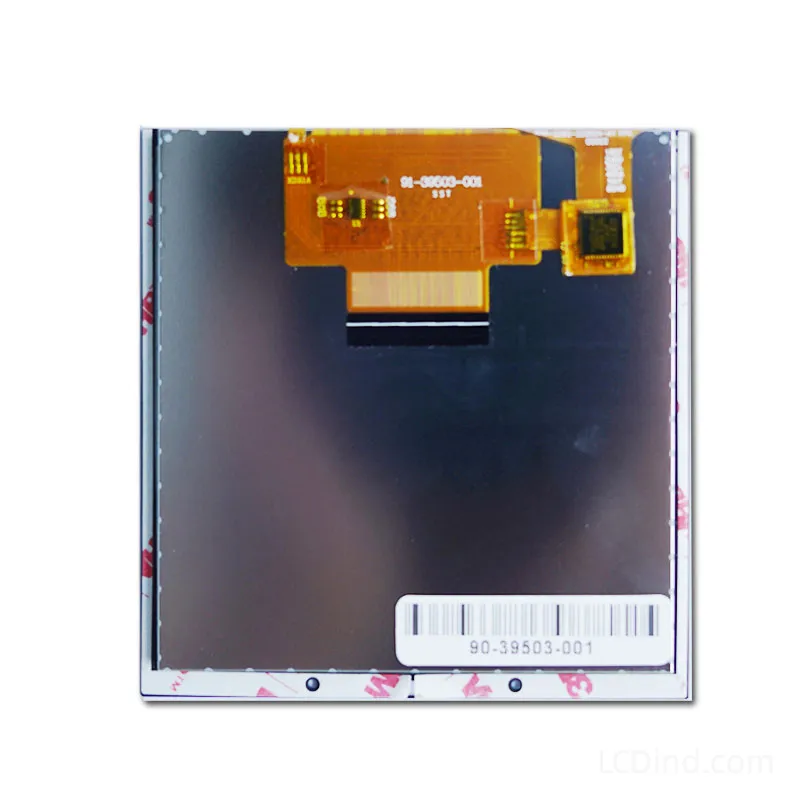
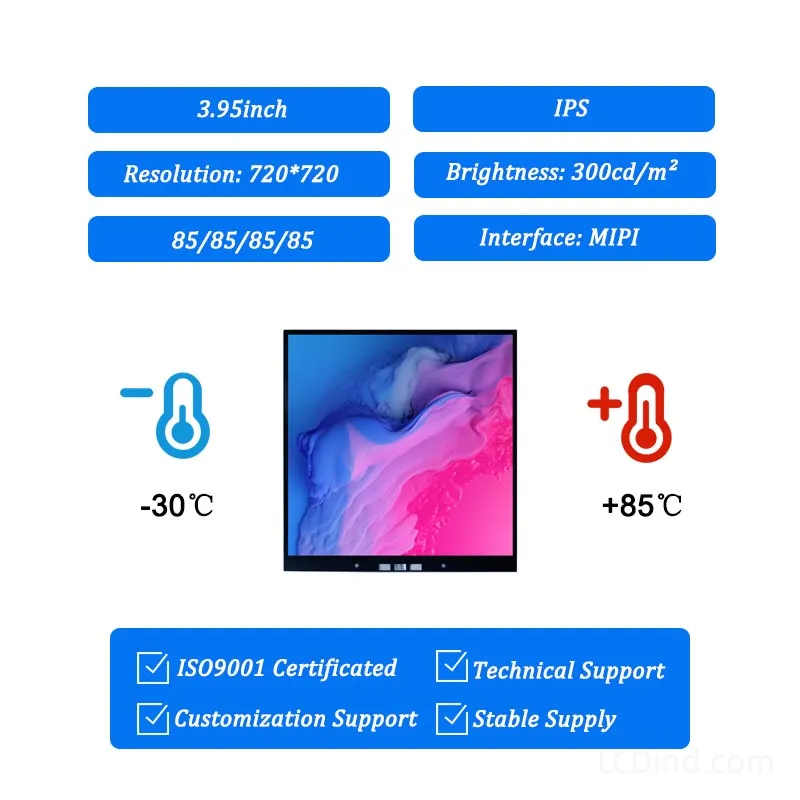
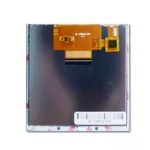
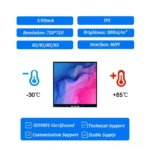
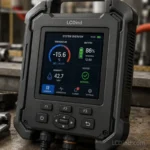
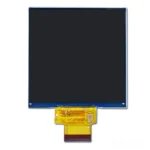
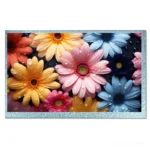
3.95 inch 720×720 wide-temperature MIPI LCD for compact industrial HMI, with 300 nits brightness, all-direction viewing, 1200:1 contrast and -30 to 80 °C operation.
Product Attributes
| Brand | OEM / ODM |
|---|---|
| Size | 3.95 inch |
| Resolution | 720×720 |
| Interface | MIPISpecify MIPI DSI displays by TFT or mono path, resolution, lane count, driver IC, command or video mode, initialization, pinout, touch and annual quantity. |
| Brightness | Standard (200-450 nits) |
| Operating Temp | Ultra Wide / Automotive (-30 ℃ to +85 ℃) |
| Touchscreen | No Touch |
| Viewing Direction |
Description
3.95 Inch 720×720 Wide-Temperature MIPI LCD for Compact Industrial HMI
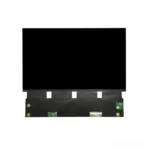
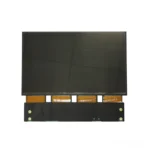
This 3.95 inch wide-temperature LCD is intended for compact industrial HMI projects that need a square 720×720 display area, MIPI interface and a stronger operating-temperature margin than a basic indoor module. The public specification lists 300 nits brightness, all viewing directions, no touch in the standard configuration, -30 to 80 °C operating temperature, -30 to 85 °C storage, 74.83×78.89×1.95 mm outline, 71.93×71.93 mm active area, 1200:1 contrast, 3.3V power supply, 30000-hour LED lifetime and panel model 90-39503-001. It should be reviewed as a compact HMI component for embedded Linux, Android, controller-board or custom electronics programs rather than as a generic display by size.
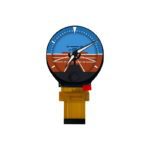
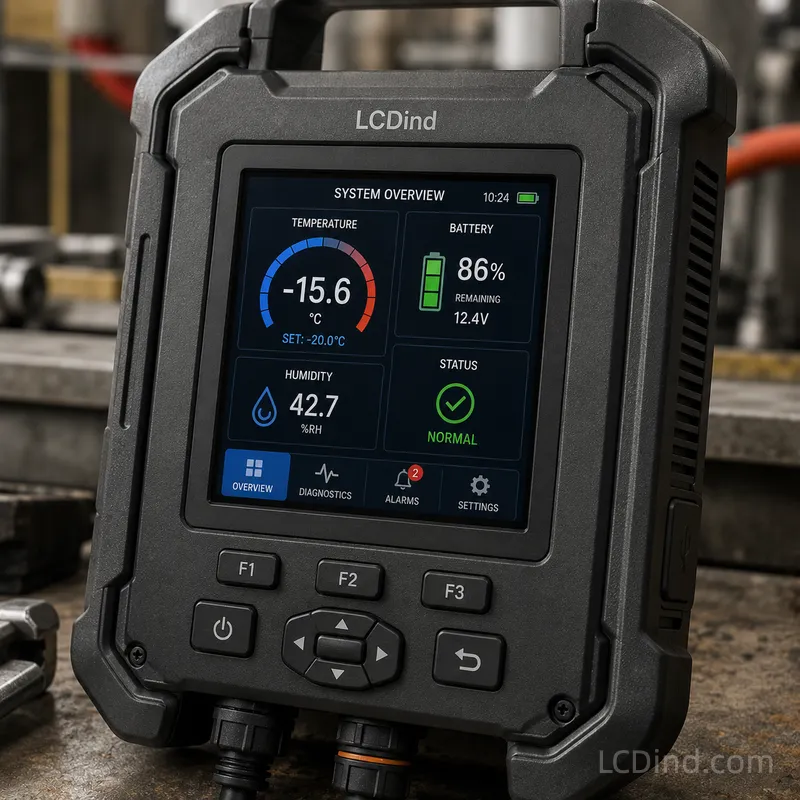
The 720×720 square format is useful where a front panel needs a balanced information layout: central value, status ring, icon group, mode indicator, short menu or alarm state. It avoids the wasted width of a long rectangular panel in a compact enclosure. For engineering approval, the UI team should test the real 720×720 canvas with the longest labels, alarm states, language variants and intended touchless navigation. If the product uses a rotary encoder or external buttons, the screen should provide clear feedback without forcing the operator through dense multi-page menus.
MIPI integration must be confirmed with the host platform. The buyer should provide lane count, timing, voltage, connector, initialization sequence, reset behavior, backlight control and software environment. A display that works on one development board may not work on another board without driver changes. If the equipment uses embedded Linux or Android, keep the tested kernel, device-tree settings and panel initialization record with the approved sample. If the host is an MCU with a bridge IC, include the bridge model and expected frame rate in the RFQ.
The wide-temperature range is valuable for field equipment, access terminals, compact controllers and machine-side panels, but it does not certify the complete device. The enclosure, PCB, connector, FPC, backlight circuit, power supply, adhesive and front lens all need temperature review. In a sealed control box, the internal LCD temperature may be higher than the ambient temperature. Sample testing should include cold start, hot operation, image stability, backlight behavior and recovery after power cycling.
The standard 300-nit brightness is suitable for controlled-light or semi-protected environments. It should not be sold internally as sunlight readable. If the product is installed outdoors, near a window or under strong factory lighting, the final cover lens and UI contrast must be tested. A dark mask, smoked cover, air gap or glossy surface can reduce perceived brightness. For a true outdoor requirement, tell LCDind the expected ambient light and thermal limit so an alternate optical configuration can be considered.
No touch is listed for the standard version. That is acceptable for many compact industrial HMIs that use keys, encoders or host-side controls. If touch is required, define capacitive or resistive technology, cover-lens thickness, bonding method, controller interface, glove behavior, water exposure and FPC exit at the quotation stage. Touch changes optics, stack height, ESD design and qualification, so it should not be added after sample approval without a new review.
RFQ Checklist
- Host platform, MIPI lane configuration, initialization sequence, voltage and connector preference.
- UI layout and update behavior on the 720×720 square canvas.
- Enclosure drawing, visible window, active-area alignment, FPC route and front-lens stack.
- Temperature profile, cold-start requirement, hot-enclosure estimate and duty cycle.
- Input method: no touch, buttons, encoder, keypad or defined touch customization.
- Prototype quantity, forecast, lifecycle expectation and target production schedule.
Engineering FAQ
Is this a touch display? The standard configuration is no touch. Touch integration needs a separate sensor, cover-lens and controller review.
Can any MIPI board drive it? No. MIPI lane count, timing, voltage and initialization must match the host driver.
Is 300 nits suitable outdoors? Not by itself. Outdoor use needs review of lens reflection, UI contrast and thermal conditions.
Why choose a square 720×720 panel? It works well for compact HMI layouts with centered values, circular indicators and short state information.
What should be frozen before production? Freeze the panel model, drawing, MIPI driver, cable route, front-lens stack and inspection criteria.
Engineering Review Note
Select this 3.95 inch MIPI LCD when the product needs square HMI layout, compact mechanics and wide-temperature operation. Send LCDind the host interface, drawings, temperature requirements and input method so the quote can separate standard panel supply from any controller, cable, lens or touch customization.
Prototype Validation and Production Control
Prototype approval should include boot behavior, MIPI image stability, backlight dimming, cold start, hot operation and UI readability behind the final window. Because the display is thin and square, small errors in active-area alignment can become obvious on the front panel. Check the visible window, printed mask, adhesive location, FPC bend radius and connector clearance before enclosure tooling. If the equipment family may later add touch, higher brightness or a different cable direction, document those variants now so the standard display purchase is not confused with a customized assembly.
For repeat production, keep an approved sample with the host board, driver version, cable and mechanical parts. Incoming inspection should check model, drawing revision, display appearance, connector, active-area position, packing and any agreed cosmetic limits. If the product will be deployed across several regions, include temperature and service expectations in the purchasing record so future substitutions are reviewed against the same engineering baseline.
When comparing this display with a standard 3.95 inch panel, include the -30 to 80 °C range, MIPI driver work, square active area, no-touch baseline and thin outline in the decision. A cheaper panel with the same diagonal may create more cost later if it requires firmware, enclosure or thermal redesign.
Additional information
| Brand | OEM / ODM |
|---|---|
| Size | 3.95 inch |
| Resolution | 720×720 |
| Interface | MIPISpecify MIPI DSI displays by TFT or mono path, resolution, lane count, driver IC, command or video mode, initialization, pinout, touch and annual quantity. |
| Brightness | Standard (200-450 nits) |
| Operating Temp | Ultra Wide / Automotive (-30 ℃ to +85 ℃) |
| Touchscreen | No Touch |
| Viewing Direction |
About brand
Source OEM / ODM LCD panels for OEM, replacement and industrial integration projects. Submit size, resolution, interface, brightness, lifecycle and annual quantity for review.
Engineering FAQ
Q: What type of equipment project is this 3.95 inch TFT LCD Module 720x720 MIPI suitable for?
A: This wide temperature LCD display is best considered for smart terminals, compact medical devices, embedded Android/Linux equipment, and high-density touch interfaces. LCDind recommends confirming annual quantity, enclosure design, host interface, brightness target, and operating environment before moving from samples to batch orders.
Q: What interface should the OEM mainboard support?
A: The MIPI interface fits compact embedded platforms that need high-density signaling, low cable count, and careful confirmation of lane count, connector direction, and initialization code. Please confirm pin assignment, connector type, voltage, timing, cable direction, and controller-board requirements during engineering review.
Q: Is this display suitable for outdoor or high-ambient-light equipment?
A: The 300 nits brightness level is best positioned for indoor equipment, control panels, and embedded terminals used in controlled lighting. For demanding outdoor or sunlight-readable equipment, LCDind can review target nits, AG/AR cover glass, optical bonding, thermal design, and backlight lifetime for the production environment.
Q: Can LCDind support touch, cover glass, or module customization for batch production?
A: The touch configuration is listed as Witout, so LCDind can review cover glass, optical bonding, coating, FPC, and controller matching for repeat production. LCDind can evaluate capacitive touch, resistive touch, cover-glass thickness, bonding, coating, FPC changes, cable length, and production consistency requirements.
Q: What information should procurement provide for a factory quotation?
A: Please share target application, annual forecast, first order quantity, host interface, mechanical drawing, brightness requirement, operating temperature -30 to +80°C, certification needs, delivery schedule, and whether pre-production samples are required.
Shipping and Delivery
Q: What is the MOQ?
A: The MOQ for our products is 1 piece. We are able to provide support throughout the testing process.
Q: What about the delivery time?
A: We have products in stock and can ship them within 3 working days.
Q: Does your product have any warranty?
A: Yes, we offer a warranty that ensures the LCD will function properly upon receipt. However, please note that we do not provide guarantees for any damage caused during use.
Q: What’s your payment method?
A: We accept several payment methods, including T/T (bank transfer), and PayPal.
Q: What’s your shipping method?
A: Thank you for your inquiry. We offer various shipping methods to suit different needs.
For small quantity orders, we use UPS Air-Express, DHL, FedEx, TNT, or EMS Express service. These options are safe and fast.
For large quantity orders, we typically work with the buyer’s cargo agent in China. Alternatively, we can arrange for air or sea transportation.
Please let us know your preferred shipping method and we will do our best to accommodate your request.
Q: Do you offer custom solution?
A: Yes, we offer custom solutions if our standard products do not meet the buyer’s requirements. Please let us know your specific needs, and we will work with you to create a tailored solution that meets your business needs.
Q: How to Contact us?
A: Send your Inquiry Details in the Below, Click “Send” Now!