13
Description
12 Inch 1200×1600 Portrait LVDS LCD for Tall Industrial and Medical Interfaces
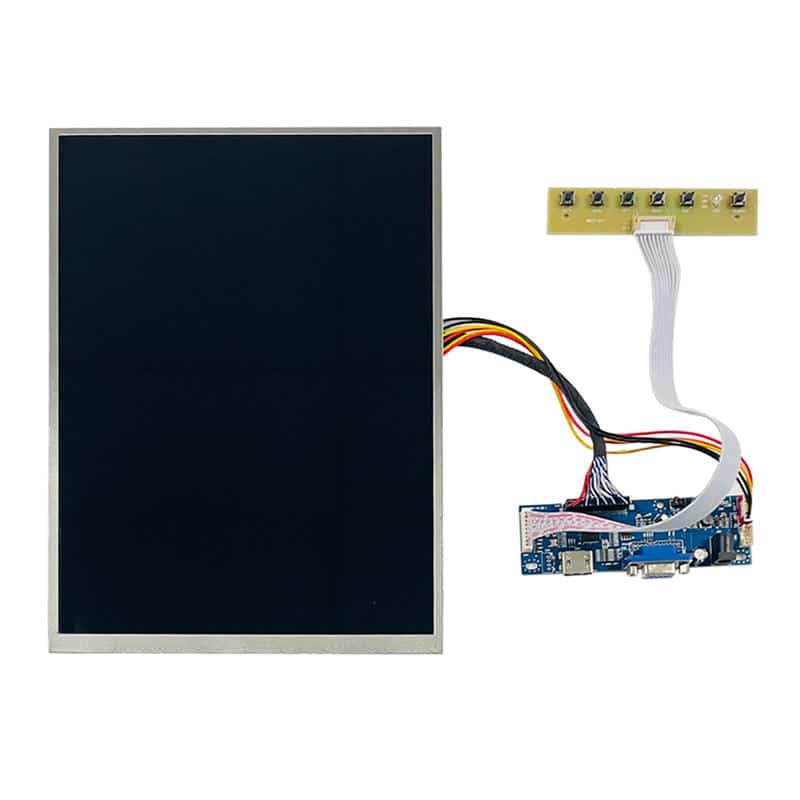
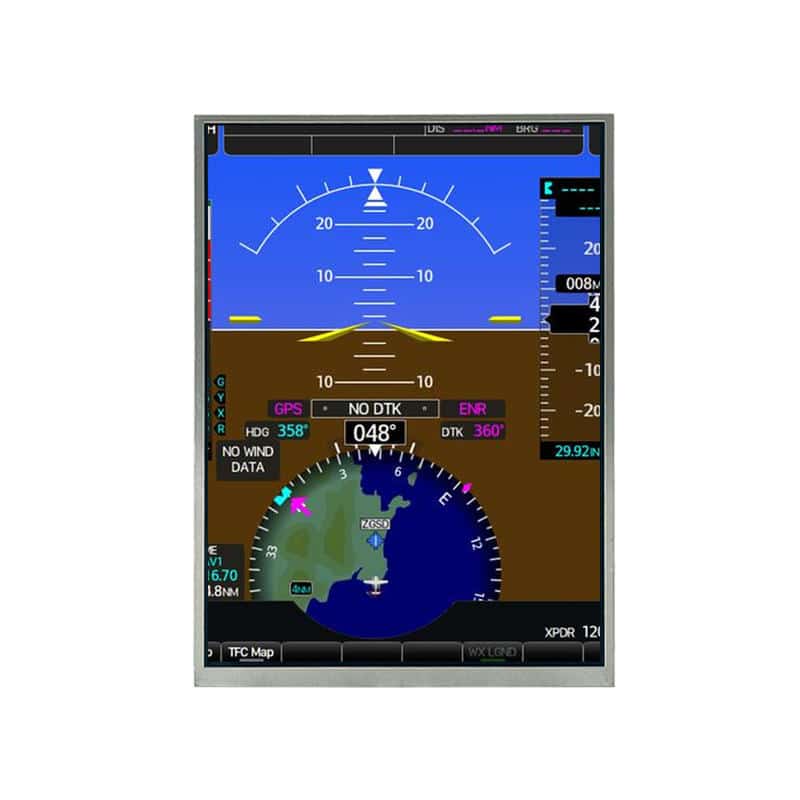
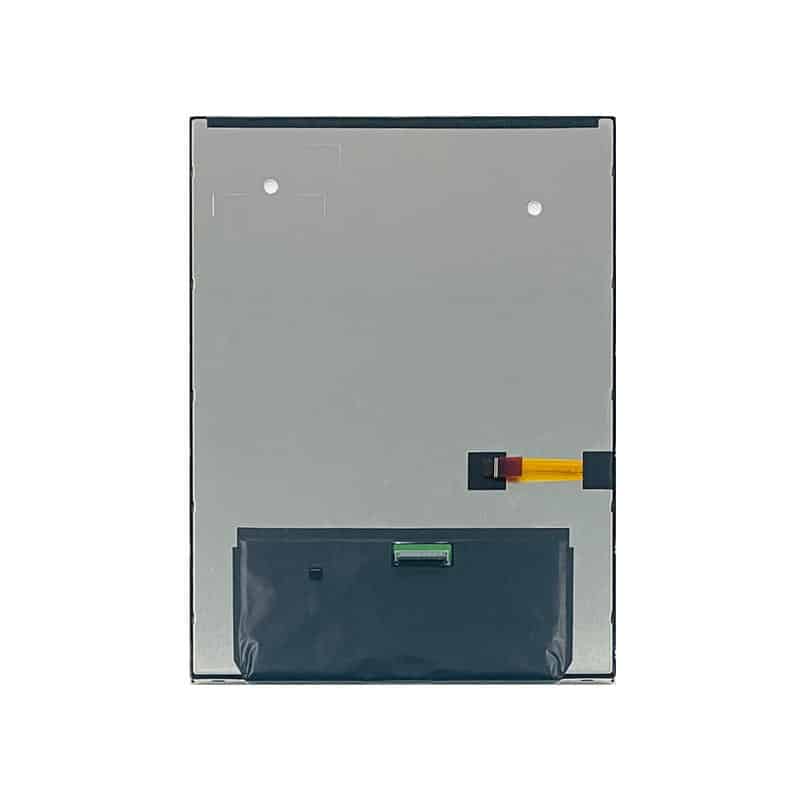
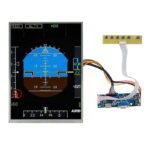
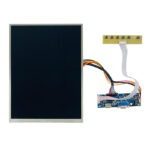
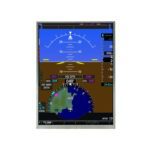
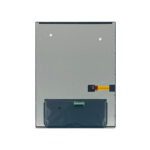
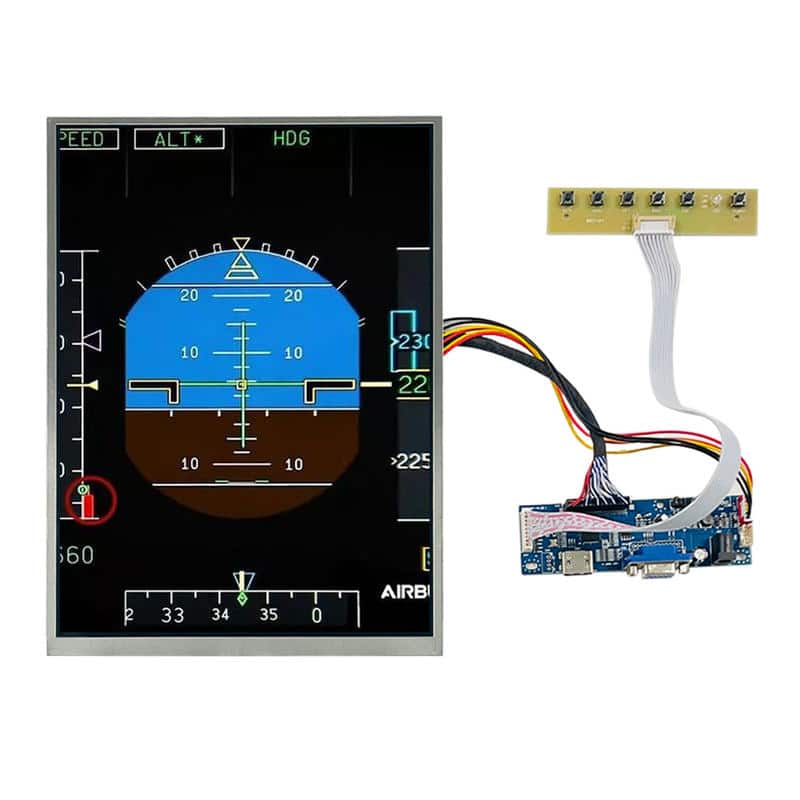
This 12 inch 1200 x 1600 LCD display is a portrait-mode IPS module for applications that need a tall, high-resolution interface rather than a wide dashboard format. The live specification confirms 12.0 inch diagonal size, 1200(RGB) x 1600 UXGA resolution, a-Si TFT-LCD IPS normally black panel type, 750 cd/m² brightness, 180.0 x 240.0 mm active area, 194.0 x 258.55 x 10.6 mm outline dimension, 40-pin 8-bit LVDS interface, 85/85/85/85 viewing angle, -30°C to +85°C wide temperature operation, WLED backlight rated at 30K hours or more, and optional PCAP or resistive touch.
Portrait Interface Fit
The 1200 x 1600 portrait format is useful for medical terminals, industrial controllers, inspection equipment, access-control panels, test instruments, vending systems, and vertical workflow screens. It gives more height for forms, status panels, alarms, and data lists than a landscape display. The UI should be designed for portrait operation from the start, including button placement, cable exit, touch orientation, and viewing distance.
LVDS Host Review
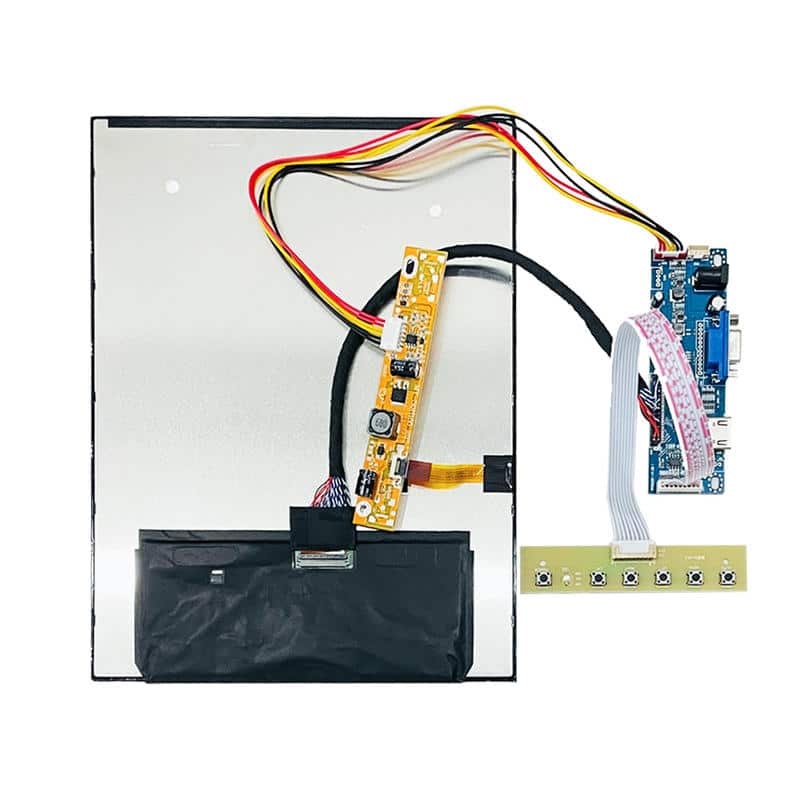
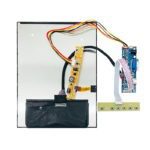
The confirmed 40-pin 8-bit LVDS interface requires mainboard timing and cable validation. Engineers should check LVDS mapping, clock, voltage, connector pinout, cable shielding, and backlight control. Because the resolution is 1200 x 1600 rather than a common 1024 x 768 or 1920 x 1080 format, confirm that the controller can generate the required timing before mechanical design is finalized.
Brightness and Environment
The 750-nit brightness and -30°C to +85°C operating temperature make the module relevant for bright indoor, vehicle-adjacent, and protected outdoor equipment. Final readability depends on cover lens, touch layer, anti-glare surface, dimming, and thermal design. If the display operates at high brightness for long duty cycles, backlight temperature and enclosure ventilation should be tested with the actual product housing.
Touch Choice
The page confirms optional PCAP or resistive touch availability. PCAP is usually preferred for modern glass-front interfaces, multi-touch gestures, and clean industrial design. Resistive touch can still be relevant for gloves, stylus input, or cost-sensitive equipment. The choice should be based on operator environment, cleaning chemicals, cover-glass requirement, and host interface support rather than on default preference.
Production Planning
For a production RFQ, send the enclosure drawing, touch requirement, host board, cable direction, brightness target, operating temperature, and annual forecast. If the product is a medical or regulated device, include any documentation, traceability, or change-control expectations. Portrait displays are less interchangeable than common laptop panels, so alternative approval should be discussed before the first tooling decision.
Portrait UX and Touch Planning
A portrait display is often used for forms, status lists, patient or equipment data, and guided workflows. If touch is required, validate operator reach, button size, glove use, and coordinate mapping in portrait mode. If the screen is used without touch, confirm whether the surrounding buttons or encoder controls align with the vertical UI structure. These human-interface details matter more than diagonal size alone.
Ordering Notes for Tall Panels
Tall panels should be ordered with exact active-area and outline drawings because a small shift can affect bezel alignment and front-mask tooling. If the module is used in a medical or industrial product with long service life, ask LCDind whether a second-source or approved alternative is possible before committing to expensive enclosure tooling.
Project Validation Plan
Before mass production, validate the display with the real host board, cable, enclosure, front lens, power supply, thermal path, and software build. Record the approved sample configuration and keep photos or drawings for later repeat orders. This avoids the common problem where a display passes a bench test but fails after the final cover glass, harness, or firmware is introduced.
Production Risk Control
For a B2B display project, the main risks are usually interface mismatch, optical loss, cable change, uncontrolled substitutions, and unclear acceptance criteria. Define the approved panel model, electrical interface, mechanical drawing, cosmetic standard, packaging method, and revision notice process before the first production order. If alternatives are acceptable, qualify them before supply pressure occurs.
Confirmed Product Specifications
| Attribute | Specification |
| Panel Size | 12.0 inch Diagonal |
| Resolution | 1200(RGB) x 1600 [UXGA] |
| Panel Type | a-Si TFT-LCD, IPS (Normally Black) |
| Brightness | 750 cd/m² (nits) |
| Active Area | 180.0(H) x 240.0(V) mm |
| Outline Dim. | 194.0(H) x 258.55(V) x 10.6(D) mm |
| Interface | LVDS (40 pins), 8-bit |
| Viewing Angle | 85/85/85/85 (Typ.) |
| Operating Temp | -30 ~ +85 °C (Wide Temperature) |
| Backlight | WLED (Life ≥ 30K hours) |
| Touch Screen | Optional (PCAP/Resistive available) |
These values are preserved from the live product specification table. Any missing drawing, connector, firmware, optical, touch, or compliance item should be confirmed through LCDind engineering review before production use.
RFQ Checklist
- Target equipment, installation environment, and display duty cycle.
- Host board, interface mapping, connector, cable length, and voltage requirements.
- Mechanical drawing, active-area opening, cover lens, touch structure, and bonding requirement.
- Brightness, viewing angle, operating temperature, vibration, and sunlight-readability expectations.
- Sample quantity, annual forecast, customization scope, lifecycle plan, and approved alternative policy.
Engineering FAQ
Is this a landscape LCD rotated in software?
No. The product is specified as a 1200 x 1600 portrait-mode module with portrait active area and outline dimensions.
Can touch be added?
Yes. The page lists optional PCAP or resistive touch, subject to project drawing and interface review.
Is 750 nits enough for outdoor use?
It supports high-brightness applications, but direct sunlight use depends on cover glass, bonding, and thermal design.
Related Engineering Resources
Engineering Review Note
LCDind supports B2B LCD selection, touch integration, cable and controller review, sample validation, and long-term supply planning. For production projects, send drawings and host-board information with the inquiry so the display is checked as part of the complete equipment system rather than as an isolated screen size.
Additional information
| Brand | OEM / ODM |
|---|---|
| Brightness | High Brightness (500-900 nits) |
| Interface | LVDSSpecify LVDS industrial TFT LCD modules by size, resolution, channel count, JEIDA/VESA mapping, pinout, brightness, touch, temperature and annual quantity. |
| Panel Type | IPS |
| Resolution | |
| Size | 12.0 inch |
| Operating Temp | Ultra Wide / Automotive (-30 ℃ to +85 ℃) |
About brand
Source OEM / ODM LCD panels for OEM, replacement and industrial integration projects. Submit size, resolution, interface, brightness, lifecycle and annual quantity for review.
Frequently Asked Questions
Can I rotate this display to use in landscape mode (1600x1200)?
Yes, since it is an IPS panel, you can rotate it 90 degrees to use as a 1600x1200 landscape display without losing viewing angle quality. However, its native scan direction is portrait (1200x1600).
What does "40-pin LVDS" mean for compatibility?
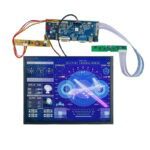
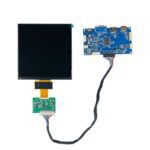
This is a standard industrial interface. It transmits high-speed video data. To connect this 12 Inch 1200x1600 LCD Display to a PC (HDMI/USB), you will typically need a driver board (controller board), which we can supply upon request.
Is 750 nits bright enough for outdoor use?
750 nits is considered "High Brightness" and is significantly brighter than standard screens (300 nits). It is readable in outdoor shade and bright indoor environments, though full direct sunlight usually requires 1000+ nits (optical bonding recommended for direct sun).
Shipping and Delivery