13
Universal LCD Controller Board solutions. Convert HDMI/VGA signals to LVDS, EDP, or MIPI. Custom firmware support for industrial display panels.
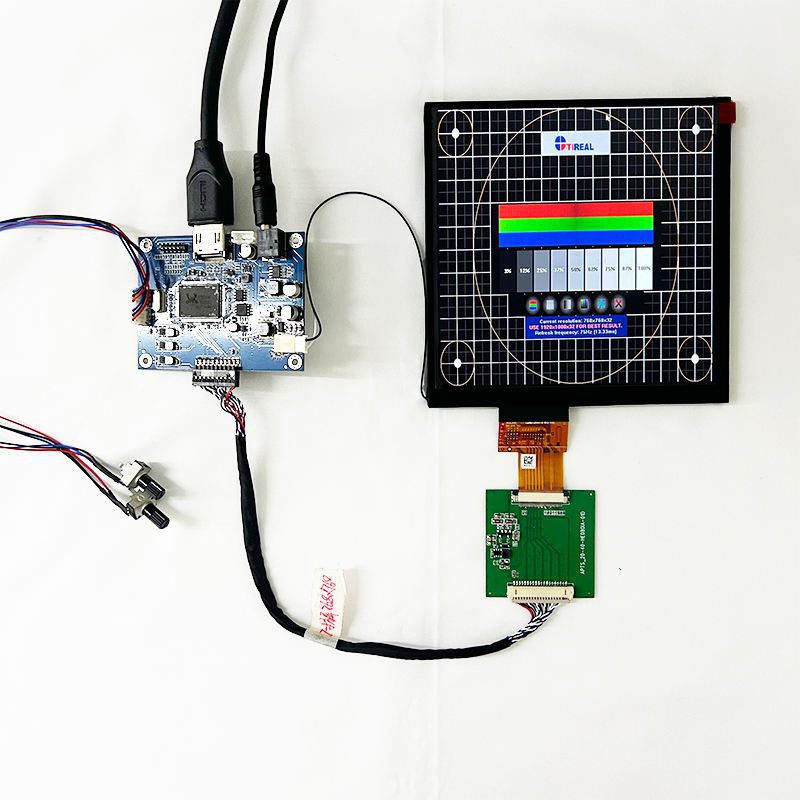
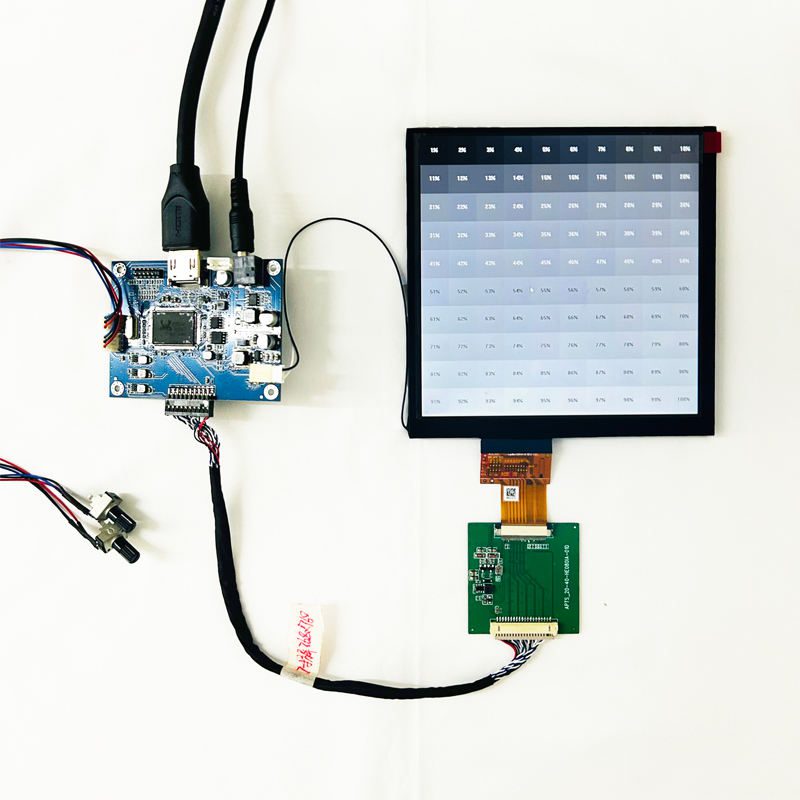
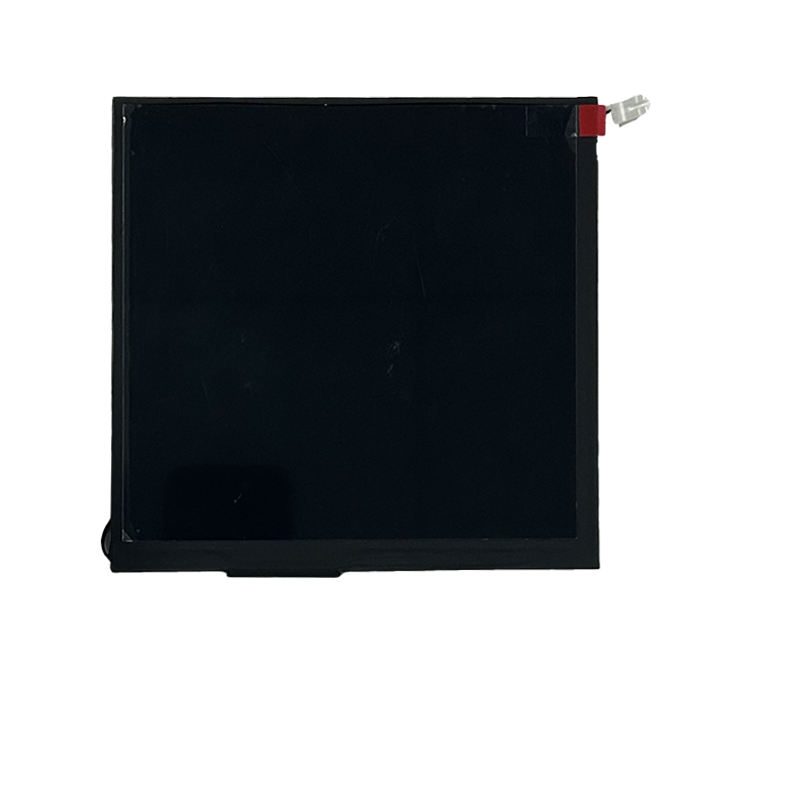
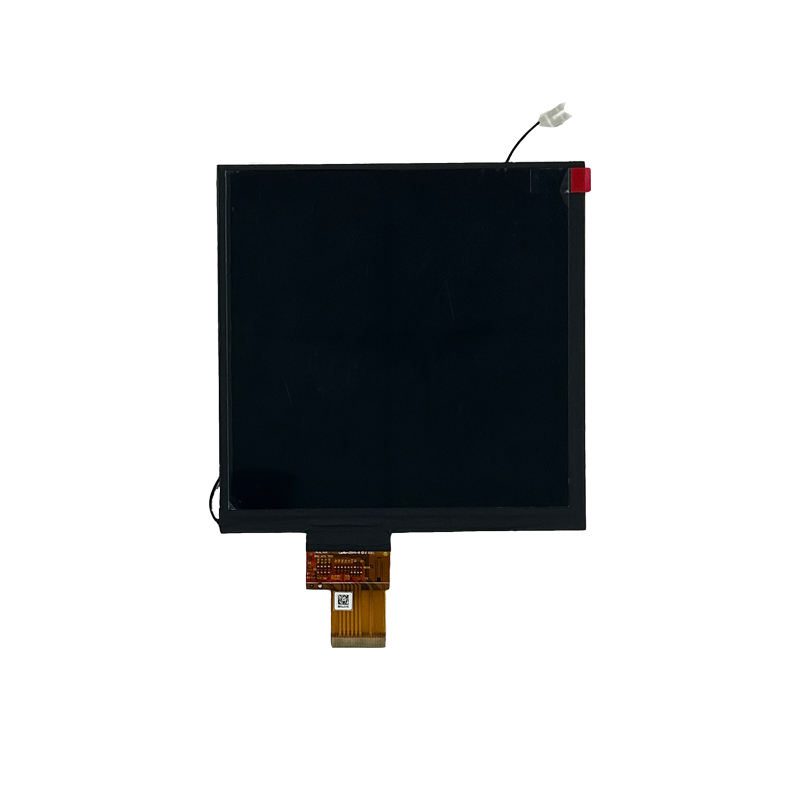
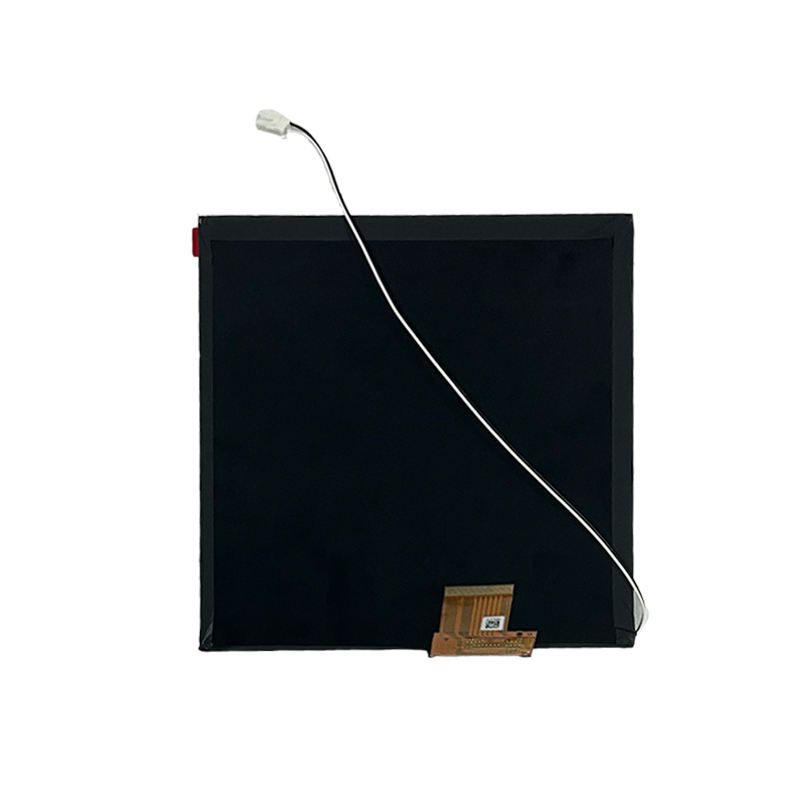
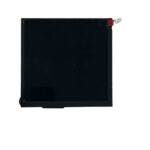
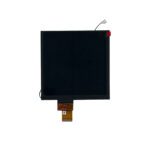
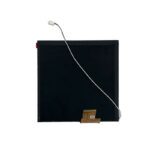
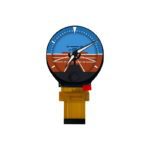
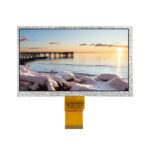
6.8 inch square RGB LCD display with 768×768 resolution, 121.54×121.54 mm active area, 500-nit IPS panel, RGB TTL interface and optional HDMI/VGA/CVBS driver board.
| Brand | OEM / ODM |
|---|---|
| Brightness | High Brightness (500-900 nits) |
| Panel Type | IPS |
| Resolution | 768×768 |
| Size | 6.8 inch |
| Operating Temp | Standard (0 ℃ to +50/60 ℃) |
This 6.8 inch square RGB LCD display is a square-format IPS module for embedded systems, simulator panels, instrumentation, and rapid UI validation. The confirmed public data lists 768 RGB × 768 resolution, RGB TTL interface with optional HDMI board, 121.54×121.54 mm active area, IPS normally black panel type, 500 nits typical brightness, optional capacitive touch customization, and HDMI / VGA / CVBS driver-board input support. The product attributes also classify it as a 6.8 inch high-brightness IPS display with standard 0 ℃ to +50/60 ℃ operating-class positioning.
| Feature | Specification |
| Product Name | 6.8 Inch Square RGB LCD Display |
| Resolution | 768 (RGB) x 768 |
| Interface | RGB (TTL) / Optional with HDMI Board |
| Active Area | 121.54 x 121.54 mm |
| Panel Type | IPS (Normally Black) |
| Brightness | 500 nits (Typ.) |
| Touch Screen | Optional (Contact for CTP customization) |
| Driver Board | HDMI / VGA / CVBS Input Supported |
A 768×768 square display fits gauge-style HMIs, cockpit simulators, medical instrument panels, industrial meters, access equipment, and embedded dashboards where a normal 16:9 panel wastes space. The square active area helps UI designers build circular dials, centered diagrams, or compact status pages without stretching a landscape layout.
The confirmed RGB TTL interface is useful when the host board can directly drive parallel display timing. Engineers should confirm pixel clock, sync signals, voltage, FPC pinout, backlight driving, and firmware support. Microcontroller projects need special attention to frame buffer memory and refresh speed; a 768×768 display is heavier than small 320×240 modules.
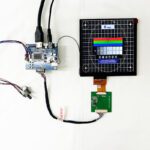
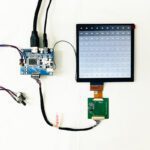
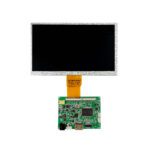
The page also lists optional HDMI / VGA / CVBS driver board support. This can simplify prototypes, simulator systems, and PC-based testing because the buyer can validate UI content before developing a direct RGB driver. For production, decide whether LCDind should quote panel-only supply or a display kit with driver board, cable, power input and mounting hardware.
The 500-nit typical brightness is useful for bright indoor panels and protected equipment. It is not the same as a 1000-nit outdoor readable configuration. If the display is installed behind smoked acrylic, thick cover glass, or a front overlay, test brightness and color through the final stack. IPS behavior is valuable where users view gauges from angles.
Touch is optional and should be treated as a separate stack decision. If the project needs PCAP, define controller interface, cover glass, bonding, grounding, ESD, glove requirement and front-lens thickness. Square displays often use dial-style UI elements, so touch target size and edge behavior should be tested on the final lens.
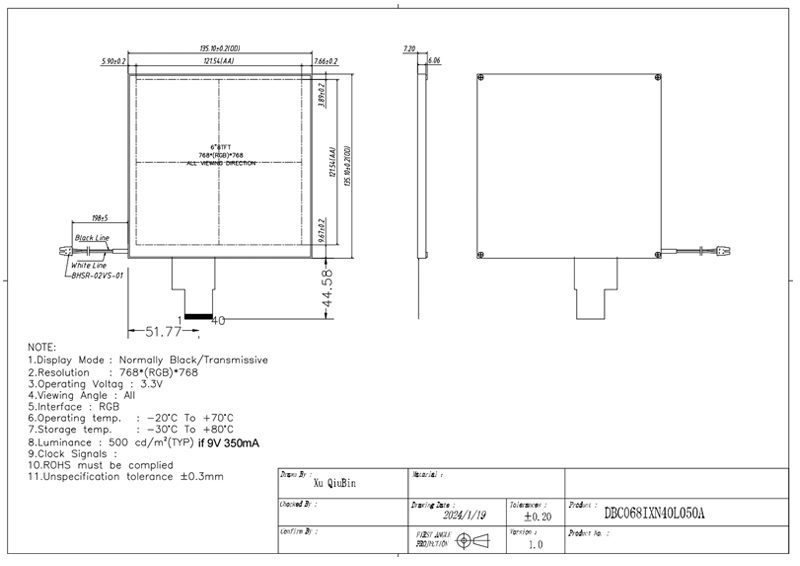
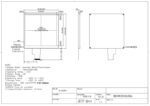
The active area is 121.54×121.54 mm. The buyer should request the full drawing to confirm outline, mounting, FPC exit, cable bend radius, and visible window. If the screen is placed behind a circular mask, validate that all UI content remains inside the visible area and that the square panel edges are not visible in the finished product.
Choose this product when the project needs a square 768×768 display with RGB TTL integration or a driver-board path for rapid testing. If the system needs direct sunlight readability, a larger build area, or a very low-power handheld display, another module family may be a better fit.
The optional driver board is useful for proof-of-concept work because engineers can test the square UI from a PC or HDMI source before the final host board is ready. For production, the team should decide whether to keep the driver board or move to direct RGB TTL drive. That decision affects enclosure depth, power input, cable routing, firmware work and long-term BOM cost.
A square 768×768 display should be tested with the actual UI instead of a normal resized landscape page. Gauge graphics, center-aligned dashboards, alarm rings, and circular indicators need enough margin near the edges. If the display is placed behind a round or irregular mask, verify that important labels are not hidden by the front panel.
For repeat orders, the buyer should define brightness tolerance, color consistency, dead-pixel criteria, driver-board input requirement if used, cable length, and touch customization status. These details prevent confusion between a bare RGB module, an HDMI kit, and a customized square touch display during procurement.
The specifications above are taken from the current public product page and should be treated as selection inputs, not final system approval. Before sample purchase or production order, LCDind should review interface compatibility, drawing, optical stack, touch requirement, operating environment, controller-board scope, supply quantity and inspection criteria. This keeps the existing product URL intact while making the page more useful for B2B engineering and sourcing decisions.
Yes. It is a 6.8 inch square-format display with 768×768 resolution.
The page lists an optional driver board with HDMI / VGA / CVBS support; confirm the required supply scope in the RFQ.
Touch is optional and should be specified as a customization requirement.
| Brand | OEM / ODM |
|---|---|
| Brightness | High Brightness (500-900 nits) |
| Panel Type | IPS |
| Resolution | 768×768 |
| Size | 6.8 inch |
| Operating Temp | Standard (0 ℃ to +50/60 ℃) |
The 6.8 Inch Square RGB LCD Display uses a parallel RGB (TTL) interface, which transmits pixel data directly. This is ideal for microcontrollers (like STM32) that have a parallel LCD controller. The LVDS version is better suited for Industrial PCs (x86) or systems with longer cable runs.
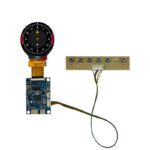
The kit typically includes the LCD Module, the Driver Board, and the Keypad Board. Power adapters (12V) and HDMI cables are sold separately or available as an add-on bundle.
Standard 8-bit Arduinos (Uno/Mega) are too slow for this high resolution. However, high-performance "Arduino-compatible" boards like the ESP32-S3 or Teensy 4.1 can drive this 6.8 Inch Square RGB LCD Display effectively using their dedicated graphics libraries.
Q: What is the MOQ?
A: The MOQ for our products is 1 piece. We are able to provide support throughout the testing process.
Q: What about the delivery time?
A: We have products in stock and can ship them within 3 working days.
Q: Does your product have any warranty?
A: Yes, we offer a warranty that ensures the LCD will function properly upon receipt. However, please note that we do not provide guarantees for any damage caused during use.
Q: What’s your payment method?
A: We accept several payment methods, including T/T (bank transfer), and PayPal.
Q: What’s your shipping method?
A: Thank you for your inquiry. We offer various shipping methods to suit different needs.
For small quantity orders, we use UPS Air-Express, DHL, FedEx, TNT, or EMS Express service. These options are safe and fast.
For large quantity orders, we typically work with the buyer’s cargo agent in China. Alternatively, we can arrange for air or sea transportation.
Please let us know your preferred shipping method and we will do our best to accommodate your request.
Q: Do you offer custom solution?
A: Yes, we offer custom solutions if our standard products do not meet the buyer’s requirements. Please let us know your specific needs, and we will work with you to create a tailored solution that meets your business needs.
Q: How to Contact us?
A: Send your Inquiry Details in the Below, Click “Send” Now!
🔒 Your data is secure. We usually reply within 24 hours.