13
4 Inch Resistive Touch Display for Compact Linux Controls
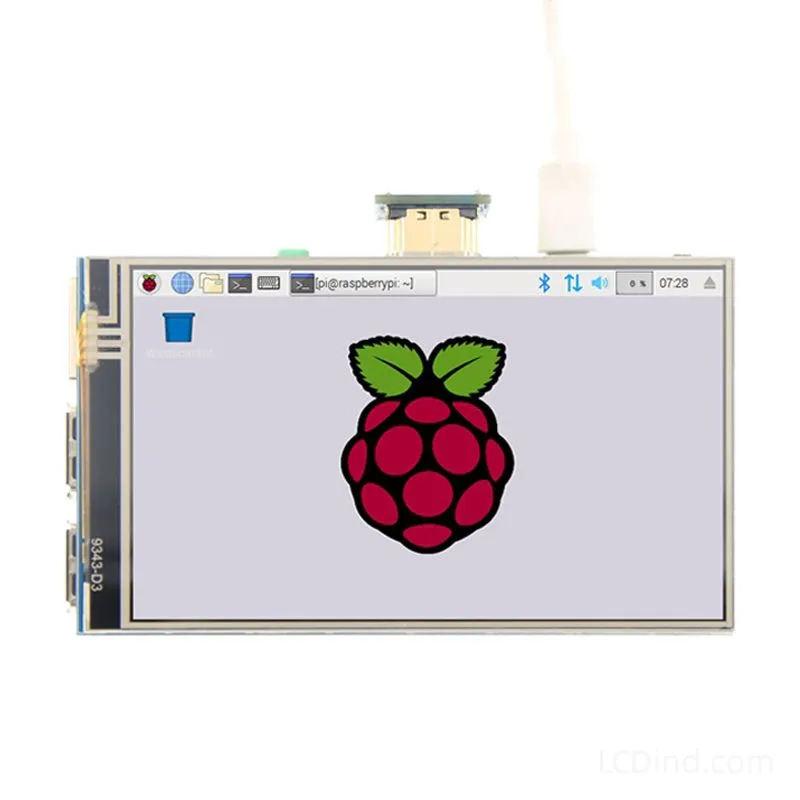
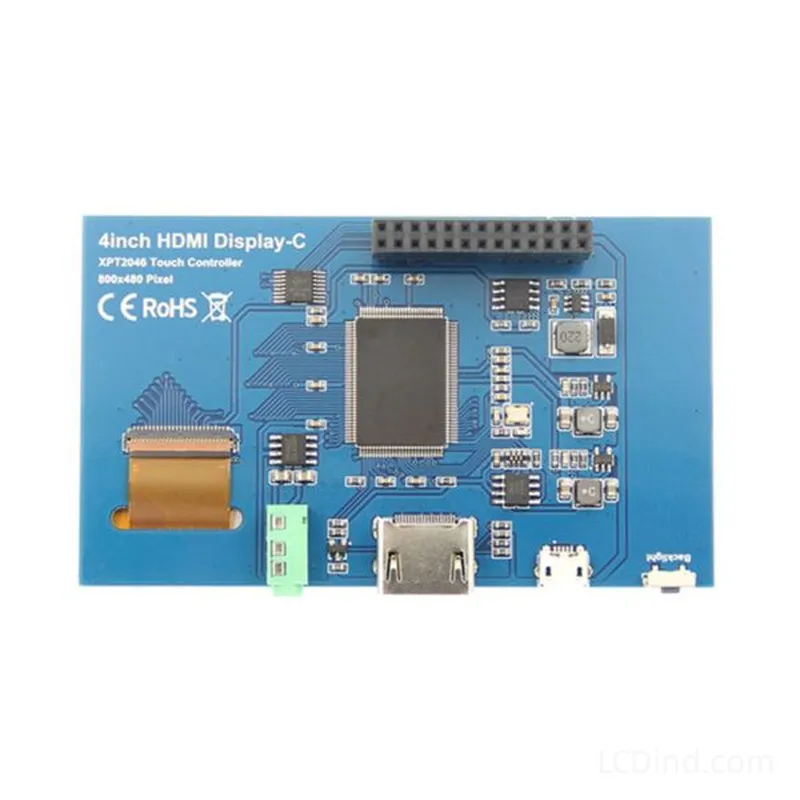
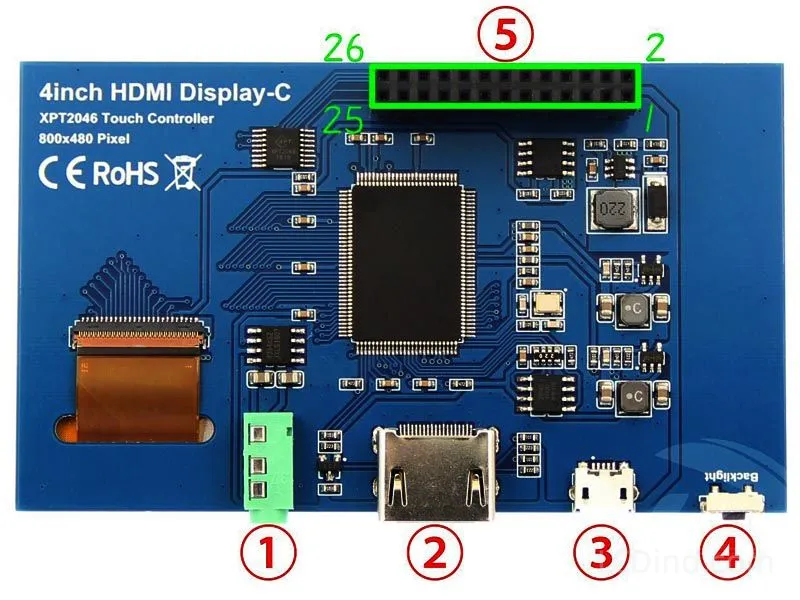
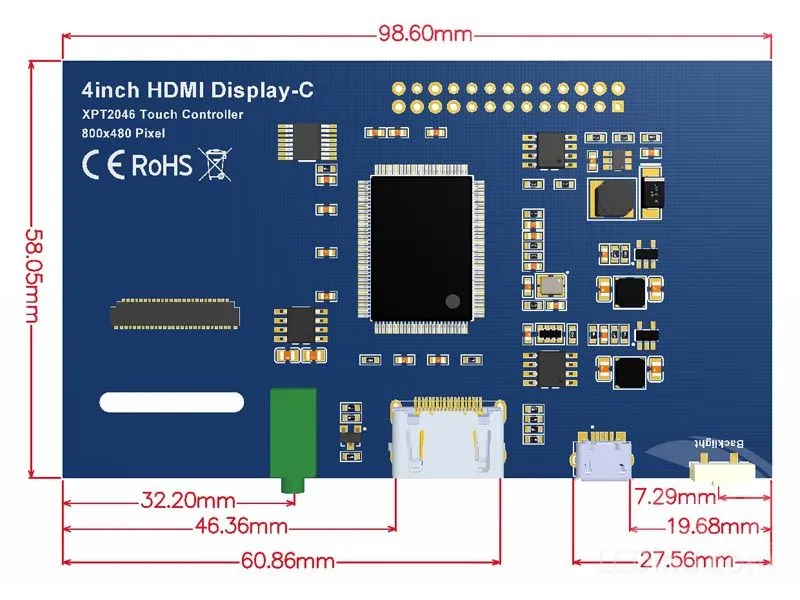
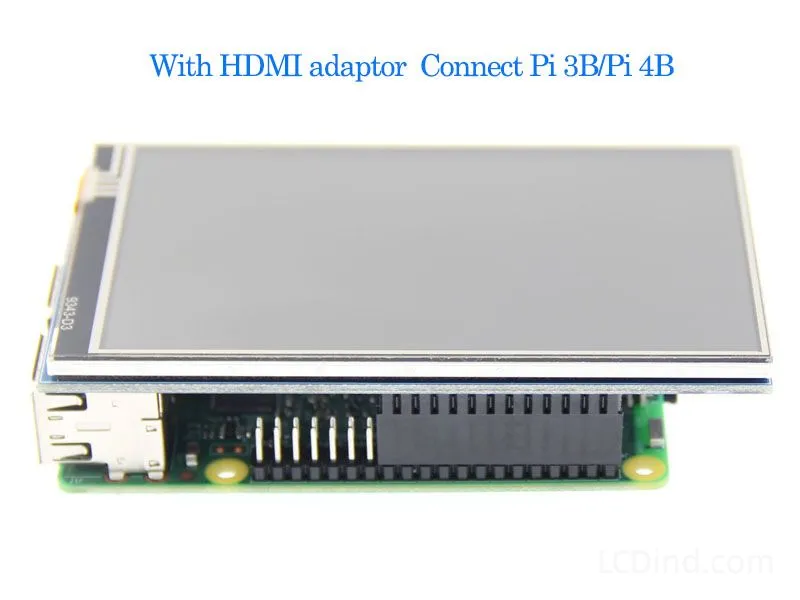
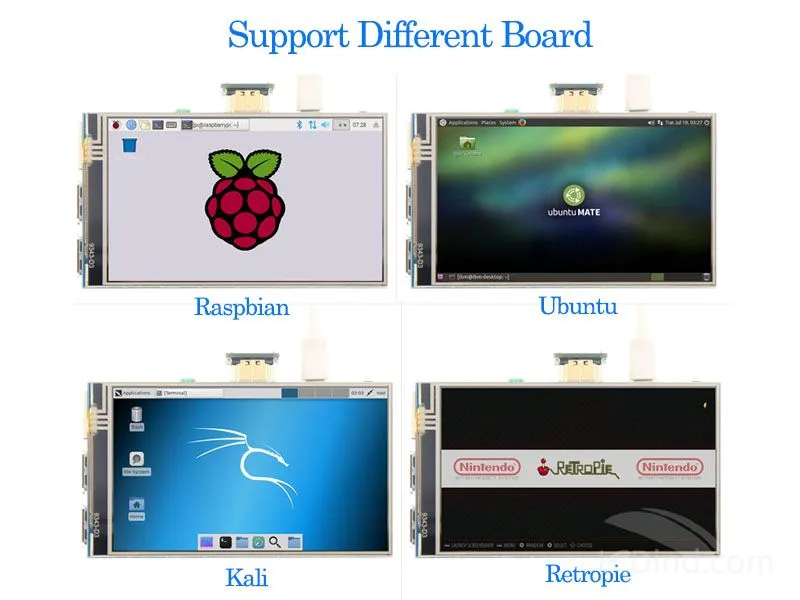
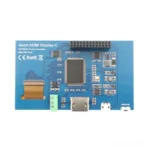
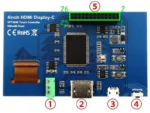
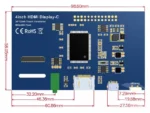
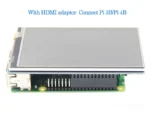
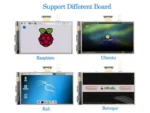
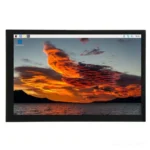
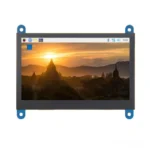
4 inch 800×480 resistive touch display with GPIO resistive touch, 98.60 x 58.05 mm outline and 0.16A x 5V power data for compact Linux controls.
Description
4 Inch 800×480 Resistive Touch Display for Compact Linux Controls
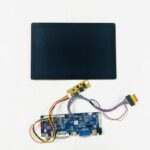
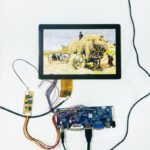
This 4 inch resistive touch display is positioned for compact Linux controls and embedded equipment panels. The confirmed public data lists 4 inch size, 800×480 resolution, GPIO resistive touch, 98.60 x 58.05 mm outline dimension, 0.16A x 5V power data, and LCDind model LCDind-DS20226. The public table does not confirm display interface, brightness, operating temperature, active area, or LED lifetime, so those values must be requested before production selection.
Confirmed Product Specifications
| Size | 4 inch |
|---|---|
| Resolution | 800×480 |
| Interface | |
| Brightness | |
| Touchscreen | GPIO Resitive touch |
| Operating Temp | |
| Outline Dimension | 98.60 x 58.05 mm |
| Active Area | |
| Power Supply | 0.16A*5V |
| LED Lifetime | |
| LCDind Model | LCDind-DS20226 |
Compact Linux Control Fit
This display is suitable for embedded Linux panels, Raspberry Pi style control devices, maintenance terminals, small machine HMIs, service tools, and equipment configuration screens. The 800×480 resolution gives enough room for simple Linux UI pages, buttons, status values, and setup menus while keeping the module smaller than typical 5 or 7 inch terminals.
Resistive Touch Behavior
GPIO resistive touch is useful for pressure-based input, stylus use, and gloved operation. The buyer should confirm touch wiring, calibration method, Linux input driver, edge accuracy, expected operating force, and whether the front stack needs sealing. Resistive touch can be practical in industrial devices, but it should be tested in the final enclosure.
Missing Interface Data
The display interface field is blank in the public table. This is a critical item. The RFQ should state the host board, expected video output, connector, cable route, and driver environment, then ask LCDind to confirm the correct display driving method. Do not assume HDMI, RGB, SPI, or MIPI from the product title.
Power and System Review
The table lists 0.16A x 5V. Engineers should confirm whether this includes backlight, touch, and any controller electronics. Linux systems also need stable boot behavior, touch calibration persistence, screen rotation, and recovery after power cycling. If the display is used in field equipment, test power noise and cable movement.
Mechanical Integration
The 98.60 x 58.05 mm outline should be checked against the enclosure window, touch surface, mounting tape, screw bosses, and cable clearance. Because active area is not published in the table, request a drawing before cutting the lens or bezel. Mechanical pressure can affect resistive touch behavior.
Selection Boundary
Choose this product when the project needs a 4 inch 800×480 resistive-touch control surface and can confirm the required host interface. If the product needs plug-and-play HDMI, compare HDMI touch displays. If it needs modern glass-front input, compare capacitive touch options.
Production Acceptance
Approval should include Linux display driver, GPIO touch driver, calibration, edge touch, brightness confirmation, power measurement, cable strain, enclosure pressure, and repeated boot tests. Missing public fields should be filled from datasheet before the batch order.
Linux Integration Scope
This product should be specified as a small display-and-touch subsystem for an embedded Linux host, not just a panel. The buyer should confirm kernel version, display driver path, touch input driver, calibration storage, screen rotation, and boot sequence. If the project uses Raspberry Pi, industrial ARM board, or a custom Linux controller, the electrical connection and driver support may be different even when the resolution is the same.
Why Missing Fields Must Be Closed
The public page does not confirm brightness, display interface, operating temperature, active area, or LED lifetime. Those missing fields do not make the product unsuitable, but they must be closed before any tooling or pilot build. A 4 inch control panel may fail approval if the brightness is too low, if the interface does not match the host, or if the active area does not align with the enclosure opening.
Service and Industrial Use
Resistive touch can be practical for service panels because it accepts pressure input and can work with a stylus or gloves. However, service equipment is often handled roughly, connected and disconnected frequently, and operated in imperfect lighting. The sample review should include cable movement, touch repeatability, boot recovery, and readability through the final front window. These tests are more useful than judging the display from resolution alone.
When to Choose Another Option
If the buyer wants one-cable video and touch, an HDMI plus USB touch display may be easier. If the buyer needs a thin glass front and finger gestures, a capacitive touch version should be compared. This 4 inch resistive touch option is strongest when compact size, pressure input, and host-specific Linux integration are acceptable parts of the engineering plan.
RFQ Checklist
- Host platform, display interface requirement, Linux driver environment, GPIO touch wiring, and calibration method.
- Mechanical drawing, active-area request, enclosure window, touch stack, cable route, and mounting method.
- Brightness, operating temperature, LED lifetime, and power scope confirmation because these fields are blank publicly.
- LCDind-DS20226 matching need, sample quantity, annual forecast, and inspection standard.
Engineering Review Note
The specifications above are taken from the current public product page and should be used as selection inputs, not as final system approval. Before sample purchase or production order, LCDind should review the host interface, drawing, optical stack, operating environment, touch behavior, accessory requirement, and quantity plan. This avoids selecting a display that matches the headline but fails the enclosure, firmware, brightness, thermal, or supply requirements of the finished equipment.
Engineering FAQ
Is the display interface confirmed?
No. The public table leaves interface blank, so RFQ confirmation is required.
Is touch included?
Yes. The page confirms GPIO resistive touch.
Is it suitable for Linux?
It is positioned for compact Linux controls, but driver and calibration support must be confirmed with the host platform.
About brand
Source OEM / ODM LCD panels for OEM, replacement and industrial integration projects. Submit size, resolution, interface, brightness, lifecycle and annual quantity for review.
Engineering FAQ
Q: What is this 4 inch resistive touch display best used for?
A: This 4 inch resistive touch display is intended for compact Linux controls, embedded controllers, instrument panels, compact terminals, and OEM equipment programs that need stable display sourcing with 800x480 resolution.
Q: Which interface details should engineers confirm before sampling?
A: Use the the host interface specified by the project as the starting point. Before sample approval, confirm pinout, signal timing, voltage, cable length, connector direction, firmware support, and EMC layout with the host board.
Q: Can LCDind customize touch, cover glass, or bonding for this display?
A: Yes. LCDind can review resistive touch, capacitive touch, cover lens thickness, logo printing, AG/AR/AF coating, optical bonding, and controller matching. Current touch note: GPIO Resitive touch.
Q: How should brightness be selected for the final device?
A: The current brightness guidance is brightness should be confirmed against the lighting environment. Share indoor, vehicle, kiosk, outdoor shade, or sunlight-readable requirements so LCDind can review backlight, heat, bonding, and cover-glass options.
Q: What mechanical details matter before enclosure tooling?
A: Check outline 98.60 x 58.05 mm, power input 0.16A*5V before releasing tooling. Buyers should confirm bezel opening, mounting stack, FPC bend radius, connector clearance, gasket pressure, and viewing area tolerance.
Q: What should be included in an RFQ for this 4 inch resistive touch display?
A: Send annual forecast, trial quantity, target schedule, host platform, interface requirement, mechanical drawing, brightness target, touch plan, operating environment, and any replacement display dimensions.
Q: Can this display be used for outdoor or high-ambient-light equipment?
A: It can be reviewed for outdoor equipment, but final approval depends on brightness, thermal design, sealing, UV exposure, cover glass, and viewing angle. For direct sunlight, request high-brightness or optical-bonding review.
Q: How does LCDind identify this product during engineering review?
A: Use LCDind internal model LCDind-DS20226 together with size, resolution, interface, and mechanical drawing. Supplier-only panel codes are not needed for public sourcing discussions.
Shipping and Delivery
Q: What is the MOQ?
A: The MOQ for our products is 1 piece. We are able to provide support throughout the testing process.
Q: What about the delivery time?
A: We have products in stock and can ship them within 3 working days.
Q: Does your product have any warranty?
A: Yes, we offer a warranty that ensures the LCD will function properly upon receipt. However, please note that we do not provide guarantees for any damage caused during use.
Q: What’s your payment method?
A: We accept several payment methods, including T/T (bank transfer), and PayPal.
Q: What’s your shipping method?
A: Thank you for your inquiry. We offer various shipping methods to suit different needs.
For small quantity orders, we use UPS Air-Express, DHL, FedEx, TNT, or EMS Express service. These options are safe and fast.
For large quantity orders, we typically work with the buyer’s cargo agent in China. Alternatively, we can arrange for air or sea transportation.
Please let us know your preferred shipping method and we will do our best to accommodate your request.
Q: Do you offer custom solution?
A: Yes, we offer custom solutions if our standard products do not meet the buyer’s requirements. Please let us know your specific needs, and we will work with you to create a tailored solution that meets your business needs.
Q: How to Contact us?
A: Send your Inquiry Details in the Below, Click “Send” Now!