13
Wholesale 3.5 Inch HD LCD Module 720×1280 IPS 20-Pin MIPI Interface CTP
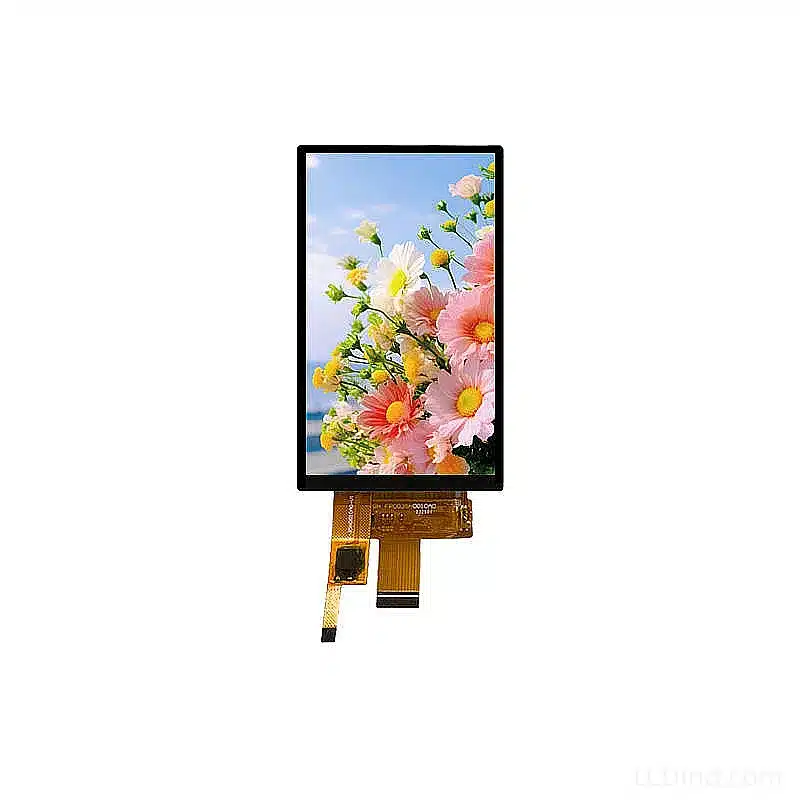
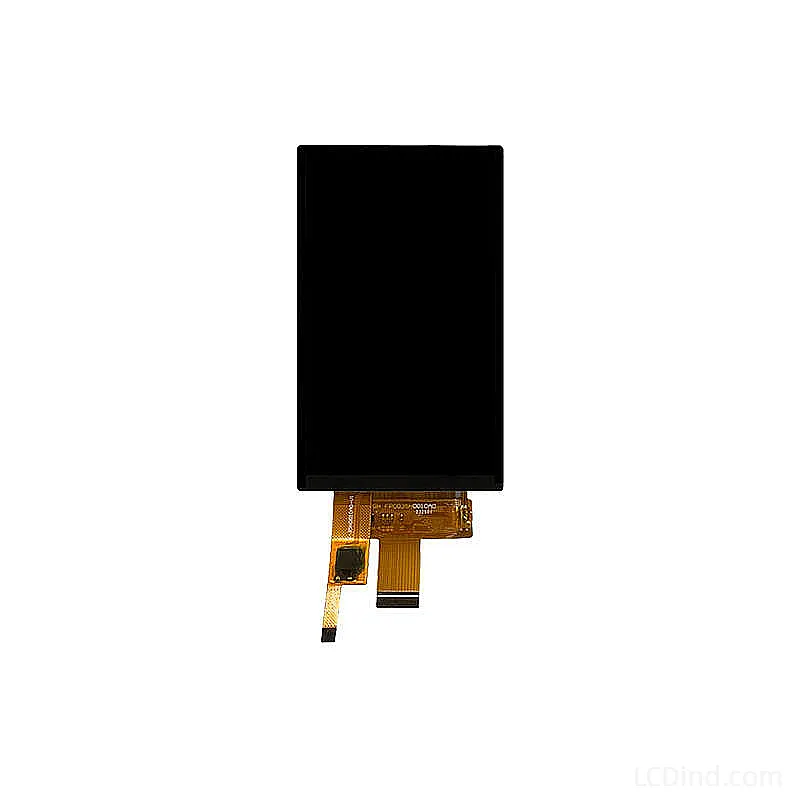
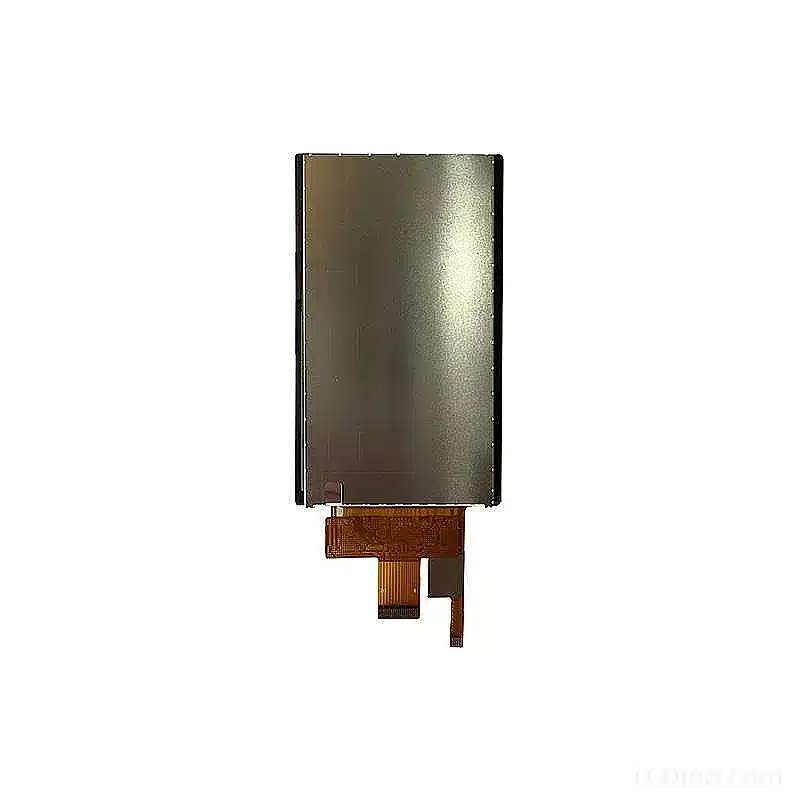
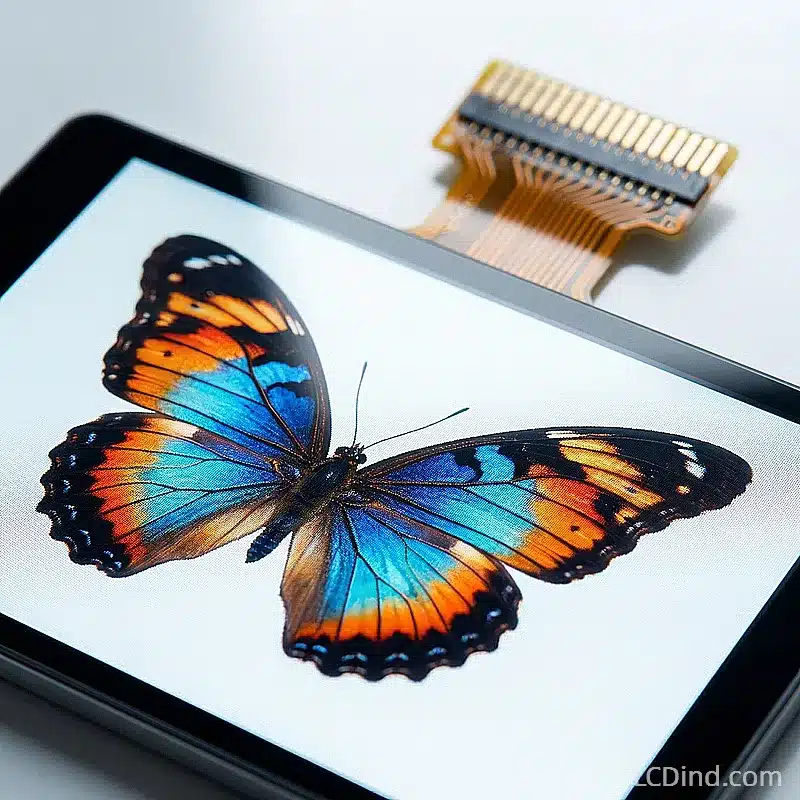
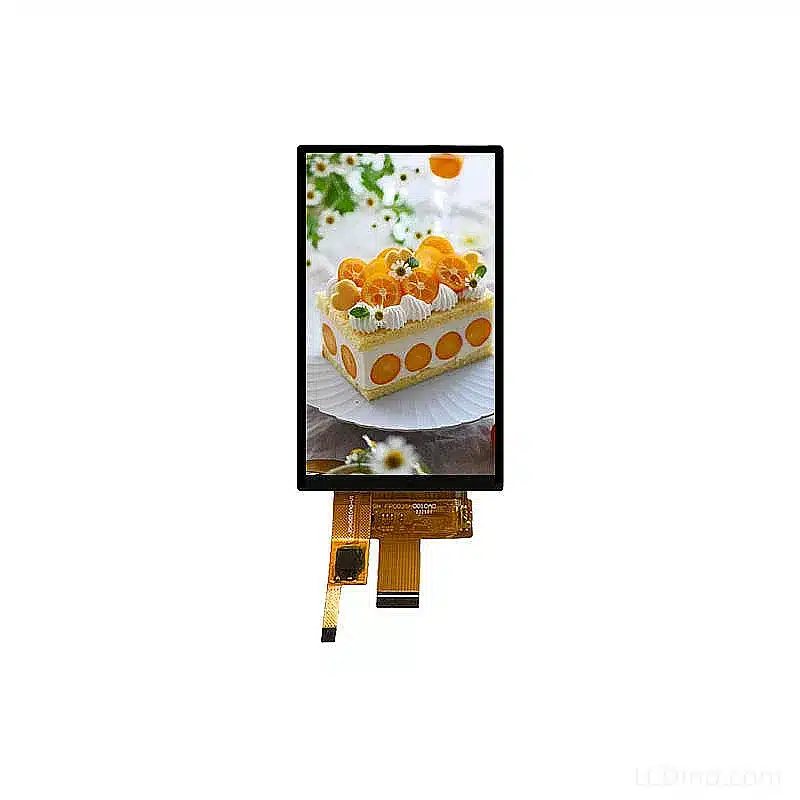
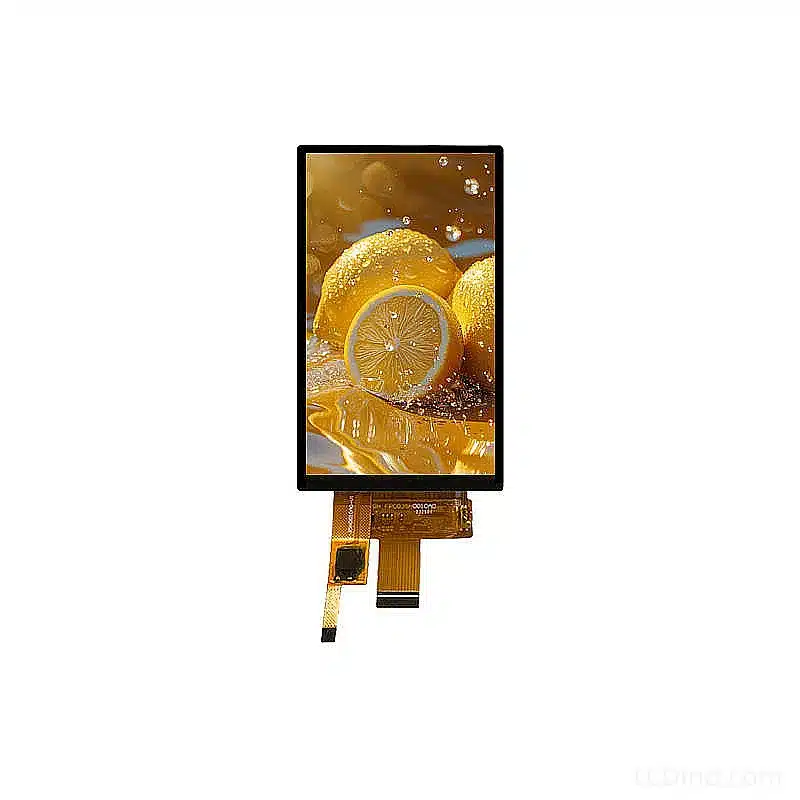
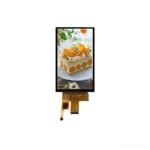
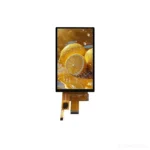
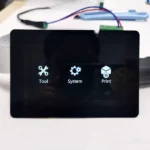
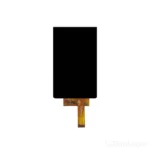
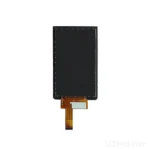
3.5-inch HD LCD module for OEM integration, with 720×1280 resolution, 20-Pin MIPI interface, 430 cd/m² brightness, IPS full-viewing-angle panel, and integrated CTP capacitive touch for compact handheld and instrument HMI projects.
Product Attributes
| Brand | LCDind |
|---|---|
| Size | 3.5 inch |
| Resolution | 720×1280 |
| Interface | MIPISpecify MIPI DSI displays by TFT or mono path, resolution, lane count, driver IC, command or video mode, initialization, pinout, touch and annual quantity. |
| Brightness | Standard (200-450 nits) |
| Touch Panel | CTP Capacitive Touch Panel |
| Viewing Angle | IPS (Full View) |
Description
3.5-Inch 720×1280 MIPI LCD Module with Capacitive Touch
This 3.5-inch HD LCD module is intended for compact OEM equipment that needs a high-resolution portrait display with capacitive touch. The confirmed configuration includes 720×1280 resolution, 20-Pin MIPI interface, 430 cd/m² brightness, IPS all-viewing-angle technology, and integrated CTP capacitive touch. It is a different class of product from standard 320×480 or 480×320 industrial modules because the higher pixel density places greater demands on the host processor, interface routing, UI design, and sample validation.
For B2B buyers, the practical question is not simply whether the display looks sharp. A 720×1280 display in a 3.5-inch format can show fine text, icons, waveforms, menus, and dense status information, but only if the host platform can drive the MIPI display reliably and the UI is designed for the small physical size. It is well suited to handheld instruments, compact medical devices, smart control panels, premium service terminals, and other products where screen clarity is part of the equipment value proposition.
Confirmed Product Data
| Product Name | 3.5 Inch HD LCD Module |
|---|---|
| Size | 3.5 inch |
| Resolution | 720×1280 |
| Interface | 20-Pin MIPI |
| Brightness | 430 cd/m² |
| Viewing Angle | IPS (All Viewing Angles) |
| Touch Tech | CTP (Capacitive) |
Where High Pixel Density Helps
The 720×1280 resolution is useful when the product must display fine detail in a very compact screen area. Examples include portable medical instruments, diagnostic tools, inspection devices, smart home control units, handheld terminals, data-entry interfaces, and compact industrial devices with icon-based navigation. The benefit is strongest when the interface includes small labels, crisp symbols, detailed settings, or multi-level menus that would look coarse on a lower-resolution panel.
However, high resolution should be matched to the actual operating distance. If the user reads the display from a distance or while moving, larger text and simpler screens may be more important than maximum pixel count. For equipment used in professional environments, the UI should be tested with real operators, real lighting, and the intended cover lens. The display can provide a sharp foundation, but the final HMI must still be readable and efficient.
MIPI Integration Requirements
The 20-Pin MIPI interface should be confirmed against the host board early. MIPI DSI routing is not the same as connecting a low-speed display bus. The hardware team should check lane configuration, pinout, connector definition, impedance control, trace length, grounding, display initialization, and driver support. If the host platform is ARM-based or Linux-based, confirm kernel/display driver availability and boot sequence before the enclosure and PCB are frozen.
Because this module includes capacitive touch, the touch controller path also needs review. Confirm the touch interface, interrupt line, reset behavior, firmware support, cover lens plan, and noise immunity. In compact devices, touch performance can be affected by grounding, charger noise, enclosure material, and nearby high-speed signals. Sample approval should include touch testing inside the target mechanical assembly, not only on an open bench.
Mechanical and Optical Considerations
The current public data focuses on display, interface, brightness, viewing angle, and touch technology. If outline dimension, active area, connector position, cover-lens stack, or operating temperature is critical, request the drawing and full datasheet before tooling. A high-resolution CTP module is often used behind a finished front lens or product bezel, so mechanical pressure, bonding method, edge clearance, and touch sensitivity should be checked before pilot production.
The 430 cd/m² brightness is a standard controlled-light value. It can be suitable for indoor handheld and equipment use, but final readability depends on the front lens, surface reflection, UI contrast, and ambient lighting. If the product is used outdoors or in high-glare settings, LCDind should review brightness options, optical bonding, AG/AR/AF treatment, and thermal behavior.
Production Risk Review
High-PPI touch displays should go through a stricter approval path than low-resolution modules. The team should freeze the MIPI lane configuration, initialization sequence, touch-controller setup, cover-lens structure, grounding method, and display drawing before pilot builds. If the product uses different regional firmware, different housing versions, or multiple host boards, each configuration should be checked against the same display sample. This avoids a common problem where the first engineering sample works, but the production version fails because cable routing, firmware timing, or touch grounding changed later.
Lifecycle and Purchasing Notes
For procurement, the key question is whether the module can be supplied repeatedly with the same electrical and mechanical configuration. Confirm the approved display version, touch stack, FPC, connector, inspection standard, packaging, and any branding requirements before volume orders. If the display is part of a medical, industrial, or smart-control product with a long sales cycle, discuss forecast volume and change-control expectations during RFQ rather than after mass production starts.
Procurement and OEM Review
This module is suitable for OEM programs that need a premium compact display and can control the host platform. Before quotation, send the application, host processor, MIPI requirements, touch requirements, mechanical drawing, operating environment, sample quantity, annual forecast, and approval schedule. If the project is replacing an existing display, include the old datasheet and connector photos. LCDind can review whether this module can be used directly or whether a customized cover lens, FPC, connector, bonding, or inspection requirement is needed.
If several compact-display options are being compared, separate this module from lower-resolution SPI or MCU products. The correct comparison is a high-resolution MIPI touch display with host-driver readiness, not a commodity small LCD chosen only by diagonal size.
FAQ for 3.5-Inch HD MIPI Touch Projects
Is this module suitable for a simple MCU project?
Usually no. A 720×1280 MIPI display needs a host platform that can support MIPI DSI, display initialization, graphics memory, and the required software driver.
Does the module include touch?
Yes. The listed configuration includes CTP capacitive touch, but the touch controller and final touch behavior should be confirmed against the host and cover-lens design.
Is 430 cd/m² enough for outdoor use?
It should be treated as a controlled-light brightness level. Outdoor or high-glare applications require optical-stack and brightness review.
What should be sent for an RFQ?
Send host platform, MIPI interface details, drawing, touch requirements, cover lens plan, operating environment, sample quantity, and annual forecast.
Additional information
| Brand | LCDind |
|---|---|
| Size | 3.5 inch |
| Resolution | 720×1280 |
| Interface | MIPISpecify MIPI DSI displays by TFT or mono path, resolution, lane count, driver IC, command or video mode, initialization, pinout, touch and annual quantity. |
| Brightness | Standard (200-450 nits) |
| Touch Panel | CTP Capacitive Touch Panel |
| Viewing Angle | IPS (Full View) |
About brand
Specify LCDind LCD options for industrial equipment and resin 3D printer systems. Submit size, resolution, interface, optical stack, FPC, operating conditions and quantity for review.
Technical FAQ
Q: Can I drive this 720x1280 screen with a simple microcontroller like an ESP32? A: Typically, no. The bandwidth required for 720x1280 resolution exceeds the capabilities of standard ESP32 interface peripherals and RAM. You will need a processor with a dedicated hardware MIPI DSI host controller and sufficient frame buffer memory, such as a Linux-capable SoC or high-end MCU.
Q: What is the pin definition of the 20-Pin MIPI connector? A: The 20-pin FPC usually carries the MIPI data lanes (typically 2 or 4 lanes depending on the specific driver IC used in this module), clock lanes, power supply voltages (VCI, IOVCC), reset, and sometimes touch panel I2C signals. Please request the full datasheet for the exact pin mapping.
Q: Is this module suitable for outdoor direct sunlight use? A: The brightness is 430 nits, which is standard for indoor use. While IPS technology helps with visibility, for direct sunlight readability in automotive or rugged outdoor applications, we usually recommend 800+ nits. For typical handheld use where the user can shade the screen, 430 nits is acceptable.
Shipping and Delivery
Q: What is the MOQ?
A: The MOQ for our products is 1 piece. We are able to provide support throughout the testing process.
Q: What about the delivery time?
A: We have products in stock and can ship them within 3 working days.
Q: Does your product have any warranty?
A: Yes, we offer a warranty that ensures the LCD will function properly upon receipt. However, please note that we do not provide guarantees for any damage caused during use.
Q: What’s your payment method?
A: We accept several payment methods, including T/T (bank transfer), and PayPal.
Q: What’s your shipping method?
A: Thank you for your inquiry. We offer various shipping methods to suit different needs.
For small quantity orders, we use UPS Air-Express, DHL, FedEx, TNT, or EMS Express service. These options are safe and fast.
For large quantity orders, we typically work with the buyer’s cargo agent in China. Alternatively, we can arrange for air or sea transportation.
Please let us know your preferred shipping method and we will do our best to accommodate your request.
Q: Do you offer custom solution?
A: Yes, we offer custom solutions if our standard products do not meet the buyer’s requirements. Please let us know your specific needs, and we will work with you to create a tailored solution that meets your business needs.
Q: How to Contact us?
A: Send your Inquiry Details in the Below, Click “Send” Now!