13
TFT 3.5 Inch Display for Compact Instruments 300 nits MCU/SPI
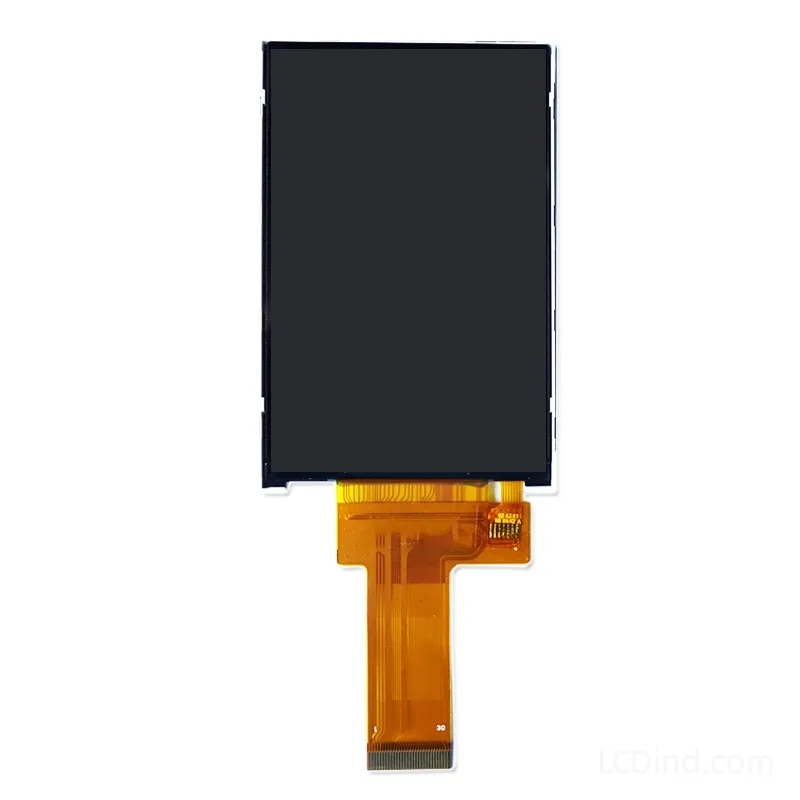
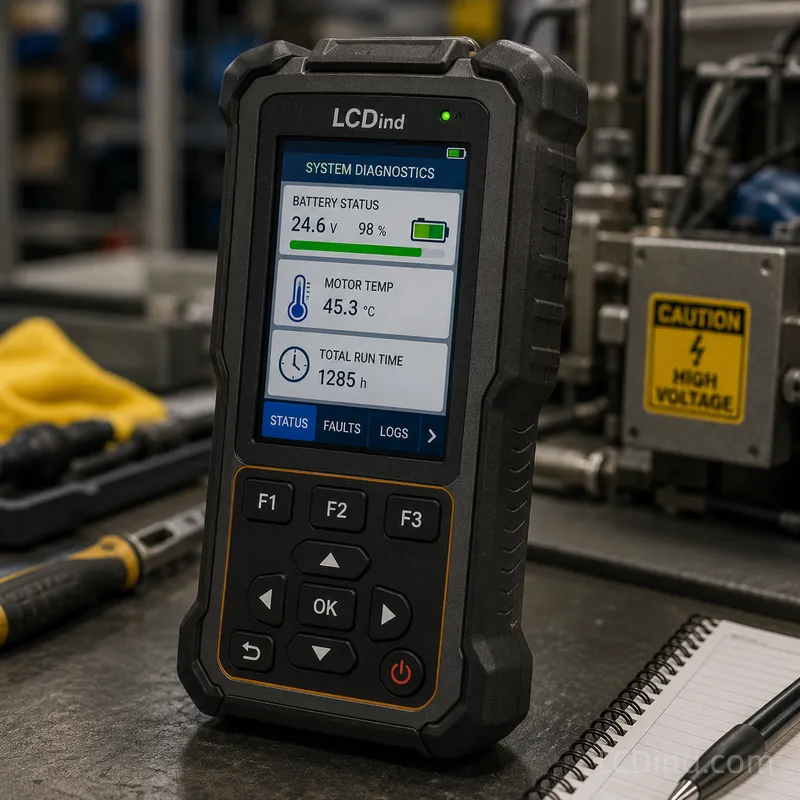
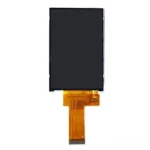
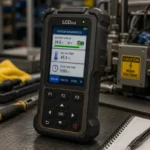
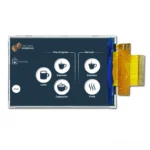

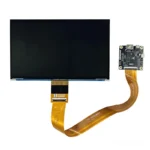
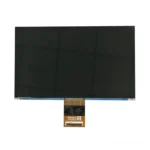
3.5 inch 320×480 MCU/SPI TFT LCD for compact instruments, with 300 nits brightness, 54.5×83×2.34 mm outline, 500:1 contrast and -20 to 70 °C operation.
Product Attributes
| Brand | OEM / ODM |
|---|---|
| Size | 3.5 inch |
| Resolution | 320×480 |
| Interface | MCU |
| Brightness | Standard (200-450 nits) |
| Operating Temp | Industrial (-20 ℃ to +70 ℃) |
| Touchscreen | No Touch |
| Viewing Direction |
Description
3.5 Inch 320×480 MCU/SPI TFT for Compact Instrument Integration
This 3.5 inch TFT display is aimed at compact instruments and embedded controllers that need a 320×480 portrait screen but do not use a full RGB or MIPI display pipeline. The public table lists MCU/SPI interface, 300 nits brightness, TN viewing direction, no touch in the standard configuration, -20 to 70 °C operating temperature, -30 to 80 °C storage, 54.5×83×2.34 mm outline, 48.96×73.44 mm active area, 500:1 contrast, 3.3V power supply, 20000-hour LED lifetime and panel model LH035CIN01-A. This makes it a practical candidate for compact measurement tools, small equipment controllers, access devices, service terminals and industrial products where the host is optimized for simpler display updates rather than high-frame-rate graphics.
The MCU/SPI interface is the main reason to evaluate this version instead of the RGB-interface 3.5 inch option. A serial or MCU-style interface can simplify host hardware in low-power equipment, but it also places limits on refresh speed, animation and full-screen updates. The firmware team should calculate the required update rate for values, menus, icons and alarm states before approving the interface. If the product expects video-like motion, fast charts or frequent full-screen transitions, a different interface may be required.
The 300-nit brightness fits indoor or controlled-light equipment. It should be evaluated behind the final front window because a smoked lens, printed overlay, protective cover or recessed bezel can reduce perceived brightness. For industrial instruments, clarity often depends more on a disciplined UI than on peak brightness alone. Large primary values, clear units, strong foreground/background contrast and simple alarm treatment can make the 320×480 display useful without overloading the screen.
Because the viewing direction is listed as TN, the mounting angle must be checked carefully. TN panels can be economical and suitable for defined operator positions, but contrast and color shift may become visible when the screen is viewed from the wrong direction. The engineering team should test the sample in the actual enclosure orientation and user posture. If the device is used by operators standing above it, mounted vertically on a panel, or held at variable angles, state that requirement before sample selection.
The standard configuration has no touch panel. That is often acceptable for instruments with keys, encoders, membrane buttons or fixed operating sequences. It also helps keep the stack thin and avoids touch-controller firmware. If touch is required, do not assume it can be added without redesign. Define touch type, cover lens, bonding, border printing, controller interface, ESD requirement and wet/glove behavior during RFQ. A production touch assembly should be validated as its own configuration.
Mechanical approval should use both active area and full outline. The active image is 48.96×73.44 mm, while the module outline is 54.5×83×2.34 mm. The window, gasket, adhesive, FPC route, connector height, PCB position and service access must all be reviewed. If the module is used in a handheld product, also check drop shock, screw boss location, pressure points, cable retention and whether the front cover can press on the display stack during assembly.
RFQ Checklist
- Host MCU, SPI or MCU bus details, command set expectation, voltage and connector preference.
- Required UI behavior: static values, menus, alarms, charts or frequent full-screen refreshes.
- Enclosure drawing with display window, gasket, PCB position and FPC route.
- Viewing direction, user posture, ambient lighting and brightness target after cover lens.
- Touch requirement, if any, defined before sample approval.
- Sample quantity, annual demand, qualification tests and target production schedule.
Engineering FAQ
Why choose MCU/SPI instead of RGB? MCU/SPI may simplify host hardware and wiring for low-motion interfaces, but it must be checked against the required refresh rate and firmware resources.
Can it show animated graphics? Basic movement may be possible depending on host bandwidth, but video-like performance should not be assumed.
Is the panel wide-viewing? The public record lists TN viewing direction. If wide viewing is required, ask LCDind to review an alternate display.
Is touch included? No. The standard product is no touch; touch integration requires separate engineering definition.
What information helps quotation accuracy? Send the bus details, drawing, UI update requirement, lighting condition, quantity and any existing reference panel.
Engineering Review Note
Use this 3.5 inch MCU/SPI TFT when the host architecture favors simple display control and the application does not require fast full-screen graphics. LCDind should review the bus, drawing, viewing angle and input method before recommending samples or customization.
Firmware and Approval Considerations
Because this version uses MCU/SPI, firmware strategy has a direct effect on user experience. The engineering team should decide which screen regions update frequently and which remain static. Updating only the measured value, status icon or highlighted menu item can keep the interface responsive while reducing bus traffic. Full-screen redraws should be measured on the real MCU, especially during alarms, startup, sleep recovery and language switching. If the host has limited memory, font storage and buffering method also need review before the UI is finalized.
For production approval, document the initialization sequence, bus mode, connector, voltage, backlight control, firmware revision and drawing. If the product is used in a service tool or handheld instrument, test cable strain, drop shock, enclosure pressure and display recovery after power interruption. These checks help avoid a situation where the panel itself is correct but the complete device behaves inconsistently in field use.
When requesting quotation, separate the display sample from any controller or cable accessory. State whether LCDind should quote the bare MCU/SPI TFT only, a matched FPC or connector solution, or a more complete display subassembly. This prevents the purchasing record from treating an evaluated prototype setup as the approved production configuration.
Additional information
| Brand | OEM / ODM |
|---|---|
| Size | 3.5 inch |
| Resolution | 320×480 |
| Interface | MCU |
| Brightness | Standard (200-450 nits) |
| Operating Temp | Industrial (-20 ℃ to +70 ℃) |
| Touchscreen | No Touch |
| Viewing Direction |
About brand
Source OEM / ODM LCD panels for OEM, replacement and industrial integration projects. Submit size, resolution, interface, brightness, lifecycle and annual quantity for review.
Engineering FAQ
Q: What type of equipment project is this 3.5 inch TFT LCD Module 320x480 MCU/SPI suitable for?
A: This tft 3.5 inch display is best considered for industrial HMI panels, medical devices, factory equipment, embedded controllers, smart terminals, and OEM display integrations. For enterprise procurement, LCDind recommends confirming annual quantity, enclosure design, host interface, brightness target, and operating environment before moving from samples to batch orders.
Q: What interface should the OEM mainboard support?
A: This model is configured around MCU/SPI. Please confirm pin assignment, connector type, voltage, timing, cable direction, and controller-board requirements during engineering review.
Q: Is this display suitable for outdoor or high-ambient-light equipment?
A: The listed brightness is 300 nits. For outdoor or sunlight-readable equipment, LCDind can review target nits, AG/AR cover glass, optical bonding, thermal design, and backlight lifetime for the production environment.
Q: Can LCDind support touch, cover glass, or module customization for batch production?
A: Touch support is listed as No touch panel in standard configuration. For OEM/ODM programs, LCDind can evaluate capacitive touch, resistive touch, cover-glass thickness, bonding, coating, FPC changes, cable length, and production consistency requirements.
Q: What information should procurement provide for a factory quotation?
A: Please share target application, annual forecast, first order quantity, host interface, mechanical drawing, brightness requirement, operating temperature -20 to +70°C, certification needs, delivery schedule, and whether pre-production samples are required.
Shipping and Delivery
Q: What is the MOQ?
A: The MOQ for our products is 1 piece. We are able to provide support throughout the testing process.
Q: What about the delivery time?
A: We have products in stock and can ship them within 3 working days.
Q: Does your product have any warranty?
A: Yes, we offer a warranty that ensures the LCD will function properly upon receipt. However, please note that we do not provide guarantees for any damage caused during use.
Q: What’s your payment method?
A: We accept several payment methods, including T/T (bank transfer), and PayPal.
Q: What’s your shipping method?
A: Thank you for your inquiry. We offer various shipping methods to suit different needs.
For small quantity orders, we use UPS Air-Express, DHL, FedEx, TNT, or EMS Express service. These options are safe and fast.
For large quantity orders, we typically work with the buyer’s cargo agent in China. Alternatively, we can arrange for air or sea transportation.
Please let us know your preferred shipping method and we will do our best to accommodate your request.
Q: Do you offer custom solution?
A: Yes, we offer custom solutions if our standard products do not meet the buyer’s requirements. Please let us know your specific needs, and we will work with you to create a tailored solution that meets your business needs.
Q: How to Contact us?
A: Send your Inquiry Details in the Below, Click “Send” Now!