13
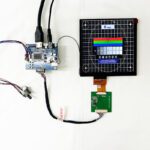
Universal LCD Controller Board solutions. Convert HDMI/VGA signals to LVDS, EDP, or MIPI. Custom firmware support for industrial display panels.
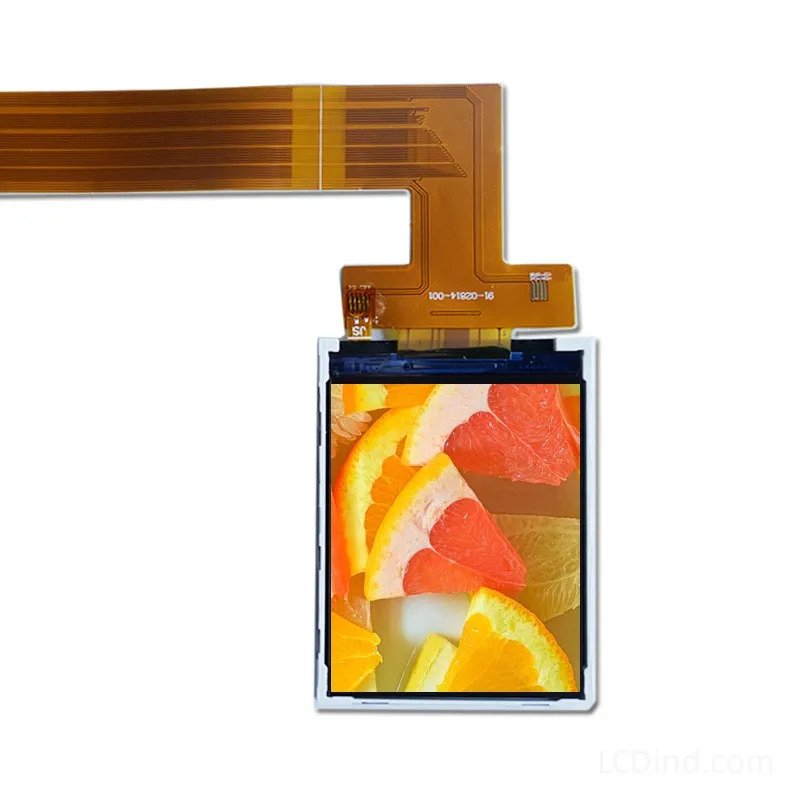
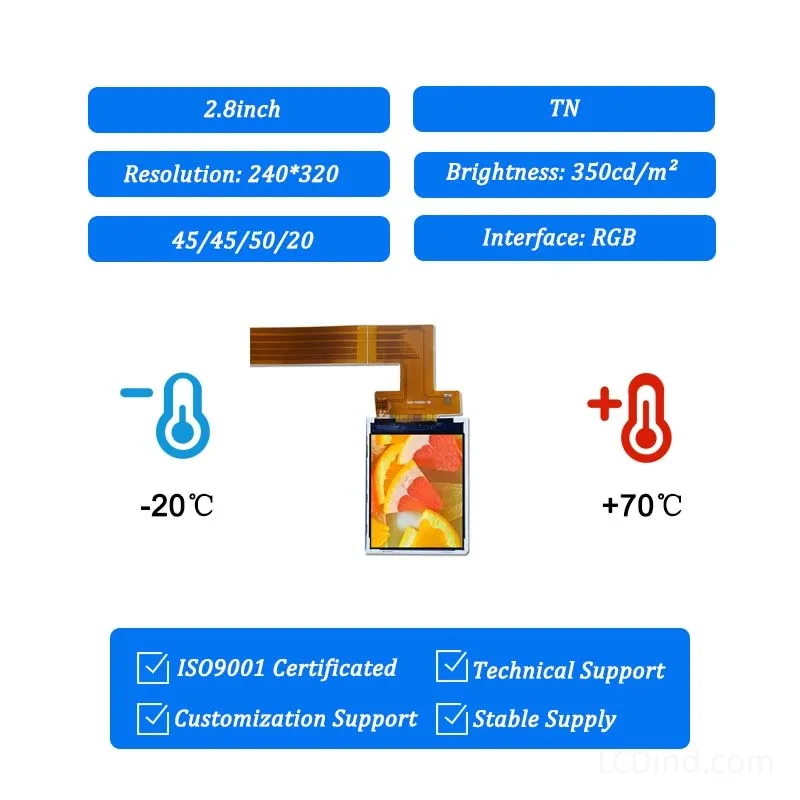
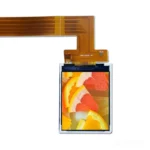
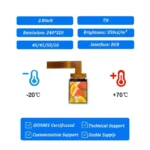
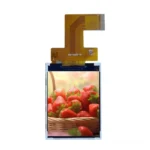
2.8 inch 240×320 RGB TFT module for embedded equipment panels, with 350 nits brightness, 50×69.2×3.4 mm outline, 3.3V supply and no touch baseline.
| Brand | OEM / ODM |
|---|---|
| Size | 2.8 inch |
| Resolution | 240×320 |
| Brightness | Standard (200-450 nits) |
| Operating Temp | Industrial (-20 ℃ to +70 ℃) |
| Touchscreen | No Touch |
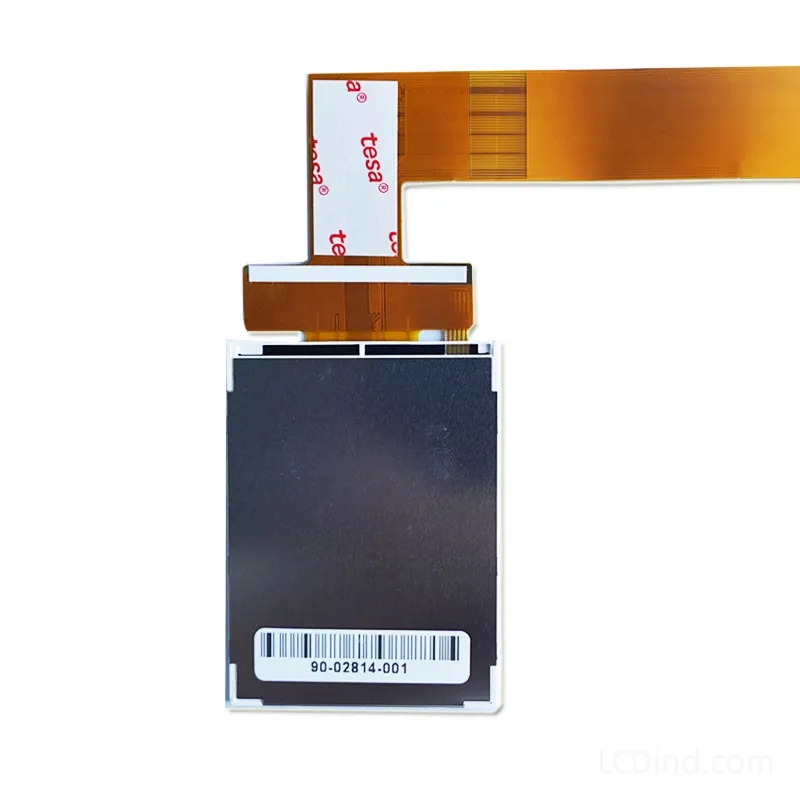
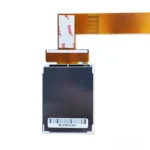
This 2.8 inch TFT LCD module is intended for embedded equipment panels that need a compact 240×320 portrait display and RGB host interface. The public facts list RGB interface, 350 nits brightness, 3.3V supply, -20 to +70 C operation, 50×69.2×3.4 mm outline, 43.2×57.6 mm active area and no touch panel in the standard configuration. It should be reviewed for equipment front panels, compact controllers, service interfaces and embedded devices where the display is part of the product enclosure rather than a separate monitor.
Compared with the “compact RGB displays” page, this selection should be framed around equipment-panel integration. The same core size and interface require different review when the LCD is mounted behind a fixed front plate, gasket, membrane or service-access panel. The active area, outline, window tolerance and FPC route must be checked with the mainboard and enclosure drawings. LCDind should receive both drawings before the buyer commits to tooling.
RGB interface requires a host that can output stable timing. Confirm data width, sync signals, voltage, pixel clock, connector and cable length. If the board is still under development, decide the display interface before routing the PCB. If the existing equipment uses MCU, SPI, LVDS or HDMI, this RGB module may require a controller change. The RFQ should make the host interface explicit.
The 350-nit brightness is suitable for indoor equipment panels and controlled-light installations. It is not intended for direct-sunlight use. A dark overlay, air gap or protective window can reduce contrast. Test the screen behind the real front plate from the normal operator position. If alarm visibility is important, check the strongest warning state under worst-case lighting.
The no-touch baseline suits products with keys, encoders or remote control. If touch is required, specify the stack early. Touch changes visible brightness, thickness, cable routing and ESD design. For repeat production, keep model, drawing, RGB timing, front-panel mask and inspection criteria in one approval record.
Is this different from any 2.8 inch RGB panel? Yes; mechanical drawing, active-area position and host timing still control fit.
Can it connect to HDMI? Not directly; HDMI requires a controller that outputs RGB timing.
Is touch included? No touch panel is listed for the standard configuration.
Is 350 nits enough? It can be enough indoors, but test behind the final front panel.
What should be approved before tooling? Approve display drawing, mainboard layout, window mask, cable route and host timing.
Use this 2.8 inch RGB TFT when a compact embedded equipment panel needs a controlled display module and the host can support RGB timing. Send LCDind mainboard and enclosure drawings before sample approval.
For embedded equipment panels, the LCD should be approved together with the mainboard and enclosure. Test the display with the intended RGB host, actual cable route, final front plate and normal machine power supply. Confirm image stability during startup, alarm state, power interruption and long operation. If the equipment uses relays, motors or switching power supplies, include signal-integrity checks because compact RGB wiring can be sensitive to noise.
Mechanical validation should include the panel window, printed mask, gasket, FPC bend, connector access and service process. The active area is small, so a tight mask can hide edge pixels and a loose mask can expose non-active border. If the panel is serviced in the field, design the display mount so the cable can be removed without damaging the FPC.
For procurement, keep this equipment-panel configuration separate from other 2.8 inch RGB modules. It may share the same core specification but differ in approved use, drawing, front-panel stack and inspection standard. If LCDind quotes an alternate, compare active-area position, outline, RGB timing, brightness and cable route.
For equipment-panel approval, include maintenance and diagnostics. If an operator reports a blank screen, the service team should know whether to check the LCD, RGB host, backlight circuit, cable or power supply first. Keeping the approved wiring and display configuration in the equipment manual reduces troubleshooting time.
If the display is used in a low-volume industrial machine, the customer should still define forecast and service-stock quantity. LCDind can then separate sample pricing from production and spare-part planning.
For B2B equipment panels, the approval file should connect the LCD to the complete product drawing. Include front-panel revision, mainboard revision, cable drawing and UI screenshot. This prevents future confusion if the same LCD is used in a different enclosure with a different mask or operator angle.
If the customer needs compliance documentation, mention it at RFQ stage.
For embedded equipment panels, use the RFQ stage to define what counts as an acceptable alternate. If the customer only requires a 2.8 inch RGB LCD with matching active area, there may be several practical sourcing paths. If the module must fit an existing enclosure and cable, the drawing, FPC position and thickness become hard constraints. LCDind can quote more efficiently when those constraints are separated from preferences such as packaging, label format or production batch size.
For repeat production, provide the target annual usage, preferred shipment lot size and any label or carton requirements. These details help LCDind separate engineering risk from normal purchasing preferences and prepare a quotation that fits the customer’s production workflow.
| Brand | OEM / ODM |
|---|---|
| Size | 2.8 inch |
| Resolution | 240×320 |
| Brightness | Standard (200-450 nits) |
| Operating Temp | Industrial (-20 ℃ to +70 ℃) |
| Touchscreen | No Touch |
A: The standard listing is No touch panel in standard configuration. LCDind can review resistive touch, capacitive touch, cover lens, bonding, and controller matching when the finished device needs operator input.
A: Common custom work includes brightness tuning, FPC length, connector direction, cover glass, logo placement, touch integration, bonding, packaging, and production inspection requirements.
A: Confirm timing, pinout, voltage, cable direction, firmware support, and EMC layout with the host board before sample approval. LCDind can review drawings and interface notes before production.
A: The confirmed brightness is 350 nits. If the display is used behind cover glass or in stronger ambient light, share the target environment so LCDind can review backlight and thermal options.
A: Send quantity, forecast, interface, mechanical drawing, brightness target, touch requirement, operating temperature, logo needs, and any current panel model or datasheet.
A: This module is mainly for compact equipment and controlled-light use. For outdoor or direct-sunlight projects, LCDind should review brightness, cover glass, bonding, thermal design, and sealing requirements first.
Q: What is the MOQ?
A: The MOQ for our products is 1 piece. We are able to provide support throughout the testing process.
Q: What about the delivery time?
A: We have products in stock and can ship them within 3 working days.
Q: Does your product have any warranty?
A: Yes, we offer a warranty that ensures the LCD will function properly upon receipt. However, please note that we do not provide guarantees for any damage caused during use.
Q: What’s your payment method?
A: We accept several payment methods, including T/T (bank transfer), and PayPal.
Q: What’s your shipping method?
A: Thank you for your inquiry. We offer various shipping methods to suit different needs.
For small quantity orders, we use UPS Air-Express, DHL, FedEx, TNT, or EMS Express service. These options are safe and fast.
For large quantity orders, we typically work with the buyer’s cargo agent in China. Alternatively, we can arrange for air or sea transportation.
Please let us know your preferred shipping method and we will do our best to accommodate your request.
Q: Do you offer custom solution?
A: Yes, we offer custom solutions if our standard products do not meet the buyer’s requirements. Please let us know your specific needs, and we will work with you to create a tailored solution that meets your business needs.
Q: How to Contact us?
A: Send your Inquiry Details in the Below, Click “Send” Now!
🔒 Your data is secure. We usually reply within 24 hours.