13
3 Inch TFT LCD Module for Portable Instruments
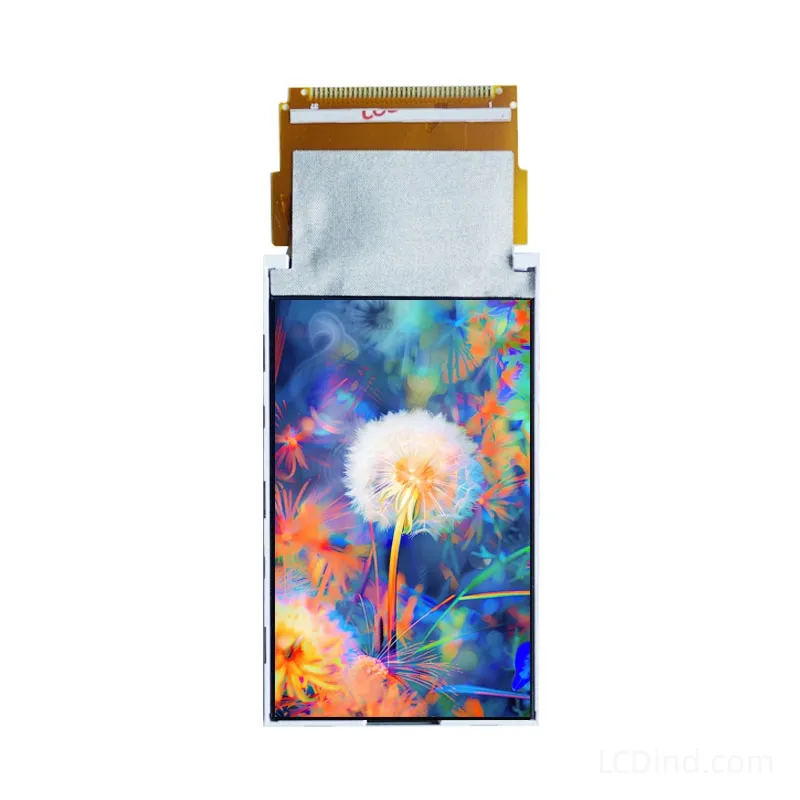
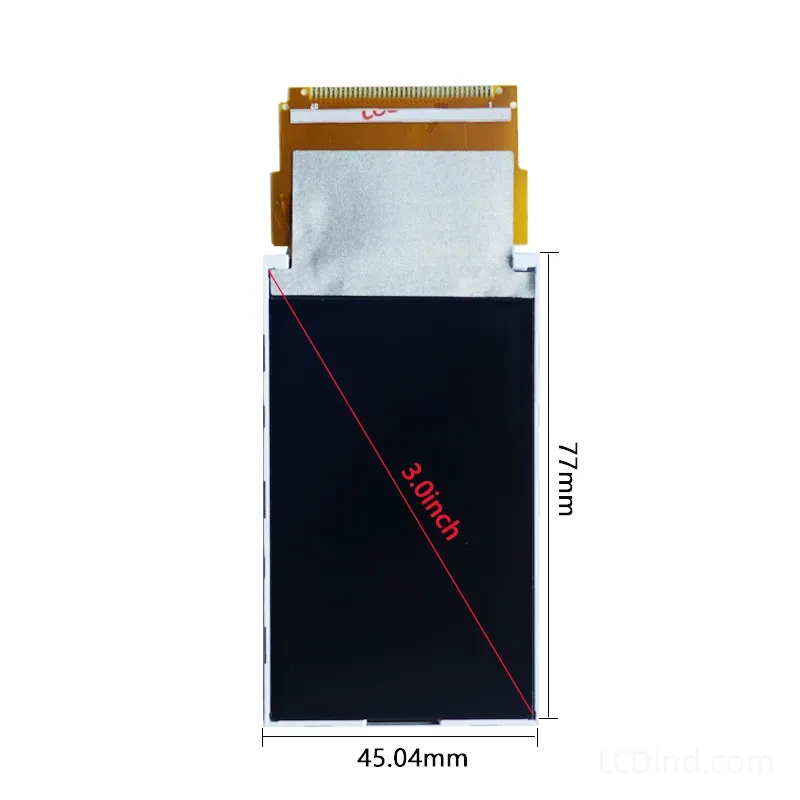
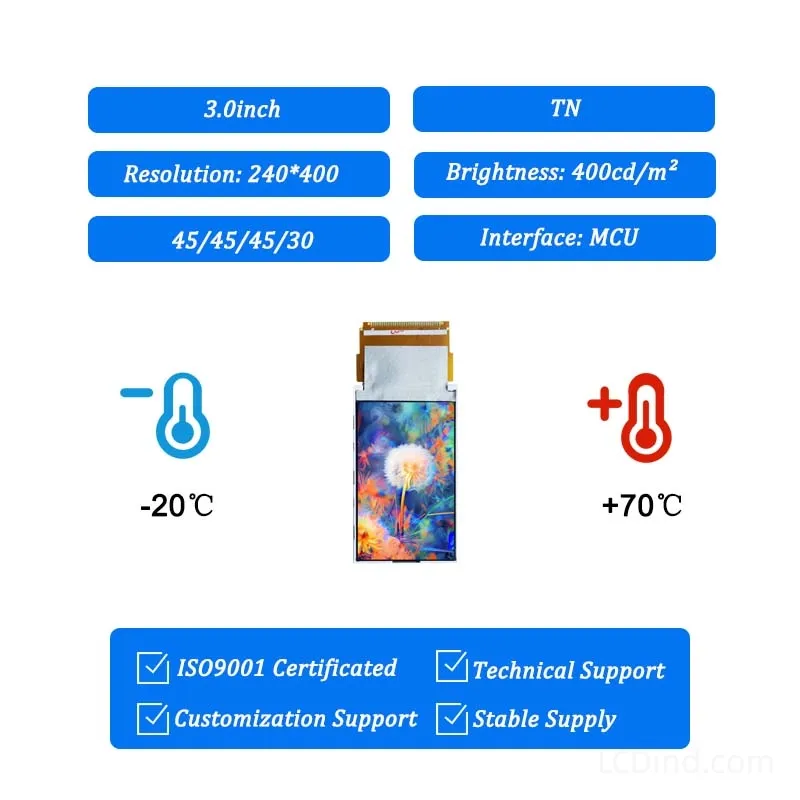
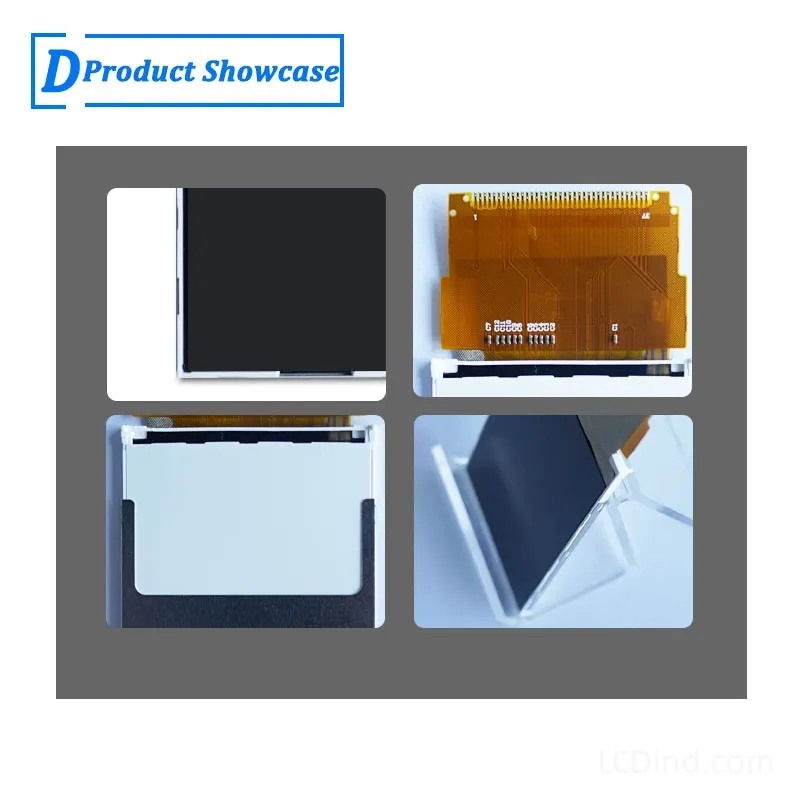

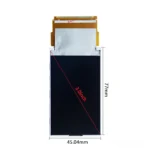
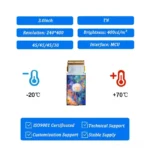
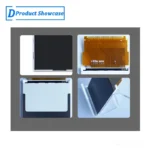
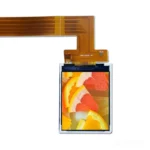
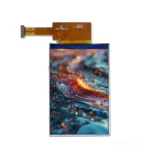
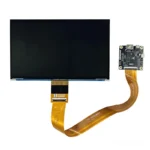
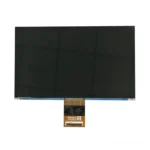
3 inch 240×400 MCU TFT LCD module with 400 nit brightness, 3.3V supply, -20 to 70 C operation and 45.05 x 77 x 2.4 mm outline for portable instruments.
Product Attributes
| Brand | OEM / ODM |
|---|---|
| Size | 3.0 inch |
| Resolution | |
| Interface | MCU |
| Brightness | Standard (200-450 nits) |
| Operating Temp | Industrial (-20 ℃ to +70 ℃) |
| Touchscreen | No Touch |
| Viewing Direction |
Description
3 Inch 240×400 MCU TFT LCD Module for Portable Instruments
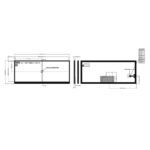
This 3 inch TFT LCD module is a compact portrait display for portable instruments that need more vertical UI space than a 2.4 inch display but still require a small enclosure footprint. The confirmed public data lists 3 inch size, 240×400 resolution, MCU interface, 400 nits brightness, no touch panel in standard configuration, -20 to +70 C operating range, 45.05 x 77 x 2.4 mm outline dimension, 38.88 x 64.8 mm active area, 3.3V power supply, 20000 LED lifetime, and panel model 90-03002-001.
Confirmed Product Specifications
| Size | 3 inch |
|---|---|
| Resolution | 240×400 |
| Interface | MCU |
| Brightness | 400 nits |
| Touchscreen | No touch panel in standard configuration |
| Operating Temp | -20 to +70 C |
| Outline Dimension | 45.05 x 77 x 2.4 mm |
| Active Area | 38.88 x 64.8 mm |
| Power Supply | 3.3V |
| LED Lifetime | 20000 |
Portable Instrument Fit
This module is suitable for handheld meters, inspection tools, compact analyzers, field-service instruments, medical accessories, and embedded controllers that show measured values, modes, warning states, and setup menus. The 240×400 format gives a taller information area than common 240×320 panels, making it useful for stacked readings and simple trend indicators without moving to a larger terminal.
MCU Interface Review
The confirmed MCU interface should be checked against host pinout, voltage, command set, initialization code, and update-speed needs. Portable instruments normally show stable values and short menu transitions rather than video, so MCU can be appropriate when firmware is planned around the display controller. If the product needs fast graphics, RGB or MIPI options should be reviewed instead.
Brightness and Field Use
The 400-nit brightness is stronger than many standard small TFT modules but should still be treated as protected or bright-indoor brightness, not direct sunlight readability. Test it through the final cover lens, with the real UI colors, and under expected workshop or field lighting. If battery runtime matters, record normal operating brightness rather than only maximum backlight.
Mechanical Integration
The 45.05 x 77 x 2.4 mm outline and 38.88 x 64.8 mm active area should be aligned with the bezel, keypad, gasket, FPC route, and PCB stack. Because the standard configuration is no touch, button or encoder positions should be designed together with the screen. Small alignment errors are visible on portable devices held close to the user.
Production and Replacement Control
Panel model 90-03002-001 should be recorded in the approval file together with drawing revision, interface configuration, brightness requirement, and cosmetic standard. If the buyer later wants a lower-cost substitute, LCDind should compare FPC, controller, active area, and firmware initialization before approving any alternative.
Sample Acceptance
Approval should include boot sequence, menu refresh, full-screen color test, brightness through the final lens, active-area alignment, cable bend, and repeated power cycling. If the instrument is battery powered, include current draw and heat rise. If it is used outdoors briefly, test the actual use case rather than assuming catalog brightness is enough.
Selection Boundary
Choose this page when the product needs a 3 inch MCU display and a 240×400 portrait UI. Choose a 3.2 inch 240×320 module when the UI is simpler and panel-model matching is easier. Choose a 3.5 inch or 3.97 inch module when the product needs more detailed graphics.
Battery Product Design Notes
For portable instruments, the display is only one part of the power budget. The buyer should test backlight current at the intended brightness setting, not only at maximum brightness. If the instrument has standby mode, sleep wake-up, or low-battery dimming, those behaviors should be reviewed with the actual firmware. A stable 3.3V supply and controlled backlight strategy help prevent field complaints caused by flicker, slow startup, or unexpected battery drain.
Firmware and UI Risk
A 240×400 MCU display is usually selected for compact UIs, but the firmware team still needs to confirm memory use, frame update method, rotation, color depth, and partial refresh behavior. If the instrument shows live curves, alarms, or fast-changing values, a sample test should measure visible latency. If it only shows menus and measured values, the MCU interface can keep the hardware simple while still giving enough information space.
Enclosure and Service Scenario
Handheld or portable devices are often opened for battery replacement, calibration, or service. The display FPC route should avoid sharp bends and service paths where technicians may pull the cable accidentally. The front window should be checked for dust protection and active-area alignment. Because the standard configuration has no touch panel, mechanical buttons should be placed where the operator can read the display and press controls with one hand.
Procurement Decision Point
This product should be treated as a module candidate for a defined portable instrument design, not as a generic small screen. LCDind can review whether 90-03002-001 is the preferred approval model, whether an equivalent module is acceptable, and whether the project needs connector changes, cable customization, or brightness adjustment. That review is important before the buyer builds tooling around the front window and FPC position.
RFQ Checklist
- Host MCU, voltage, connector, initialization code, display orientation, and update-speed expectation.
- Instrument enclosure drawing, visible window, keypad or encoder layout, FPC route, and available depth.
- Brightness environment, cover-lens material, battery target, operating temperature, and duty cycle.
- Panel model 90-03002-001 matching requirement, sample quantity, annual forecast, and inspection standard.
Engineering Review Note
The specifications above are taken from the current public product page and should be used as selection inputs, not as final system approval. Before sample purchase or production order, LCDind should review the host interface, drawing, optical stack, operating environment, touch behavior, accessory requirement, and quantity plan. This avoids selecting a display that matches the headline but fails the enclosure, firmware, brightness, thermal, or supply requirements of the finished equipment.
Engineering FAQ
Is touch included?
No. The public table lists no touch panel in the standard configuration.
What is the confirmed interface?
The confirmed interface is MCU.
Why choose 240×400?
It gives more vertical UI space than 240×320 while staying compact for portable instruments.
Additional information
| Brand | OEM / ODM |
|---|---|
| Size | 3.0 inch |
| Resolution | |
| Interface | MCU |
| Brightness | Standard (200-450 nits) |
| Operating Temp | Industrial (-20 ℃ to +70 ℃) |
| Touchscreen | No Touch |
| Viewing Direction |
About brand
Source OEM / ODM LCD panels for OEM, replacement and industrial integration projects. Submit size, resolution, interface, brightness, lifecycle and annual quantity for review.
Engineering FAQ
Q: Can this 3 inch TFT LCD module be supplied with a touch screen?
A: The standard listing is No touch panel in standard configuration. LCDind can review resistive touch, capacitive touch, cover lens, bonding, and controller matching when the finished device needs operator input.
Q: What customization options are available for this display?
A: Common custom work includes brightness tuning, FPC length, connector direction, cover glass, logo placement, touch integration, bonding, packaging, and production inspection requirements.
Q: How should the MCU interface be confirmed?
A: Confirm timing, pinout, voltage, cable direction, firmware support, and EMC layout with the host board before sample approval. LCDind can review drawings and interface notes before production.
Q: Can the brightness be adjusted for a different environment?
A: The confirmed brightness is 400 nits. If the display is used behind cover glass or in stronger ambient light, share the target environment so LCDind can review backlight and thermal options.
Q: What information should buyers send for an RFQ?
A: Send quantity, forecast, interface, mechanical drawing, brightness target, touch requirement, operating temperature, logo needs, and any current panel model or datasheet.
Q: Is this display suitable for outdoor equipment?
A: This module is mainly for compact equipment and controlled-light use. For outdoor or direct-sunlight projects, LCDind should review brightness, cover glass, bonding, thermal design, and sealing requirements first.
Shipping and Delivery
Q: What is the MOQ?
A: The MOQ for our products is 1 piece. We are able to provide support throughout the testing process.
Q: What about the delivery time?
A: We have products in stock and can ship them within 3 working days.
Q: Does your product have any warranty?
A: Yes, we offer a warranty that ensures the LCD will function properly upon receipt. However, please note that we do not provide guarantees for any damage caused during use.
Q: What’s your payment method?
A: We accept several payment methods, including T/T (bank transfer), and PayPal.
Q: What’s your shipping method?
A: Thank you for your inquiry. We offer various shipping methods to suit different needs.
For small quantity orders, we use UPS Air-Express, DHL, FedEx, TNT, or EMS Express service. These options are safe and fast.
For large quantity orders, we typically work with the buyer’s cargo agent in China. Alternatively, we can arrange for air or sea transportation.
Please let us know your preferred shipping method and we will do our best to accommodate your request.
Q: Do you offer custom solution?
A: Yes, we offer custom solutions if our standard products do not meet the buyer’s requirements. Please let us know your specific needs, and we will work with you to create a tailored solution that meets your business needs.
Q: How to Contact us?
A: Send your Inquiry Details in the Below, Click “Send” Now!