13
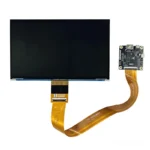
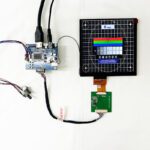
Universal LCD Controller Board solutions. Convert HDMI/VGA signals to LVDS, EDP, or MIPI. Custom firmware support for industrial display panels.
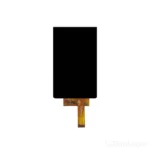
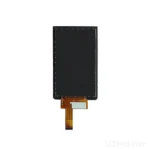
2 inch 176×220 MCU/RGB TFT LCD module with 350 nit brightness, 3.3V supply, -20 to 70 C operation and no-touch standard configuration.
| Brand | OEM / ODM |
|---|---|
| Size | 2.0 inch |
| Resolution | |
| Interface | MCU |
| Brightness | Standard (200-450 nits) |
| Operating Temp | Industrial (-20 ℃ to +70 ℃) |
| Touchscreen | No Touch |
| Viewing Direction |
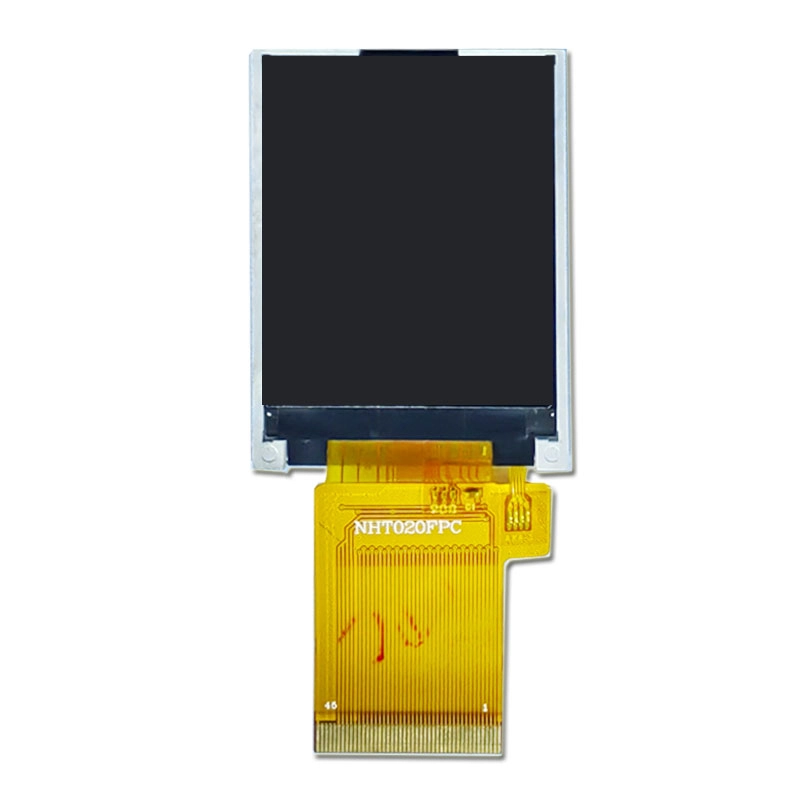
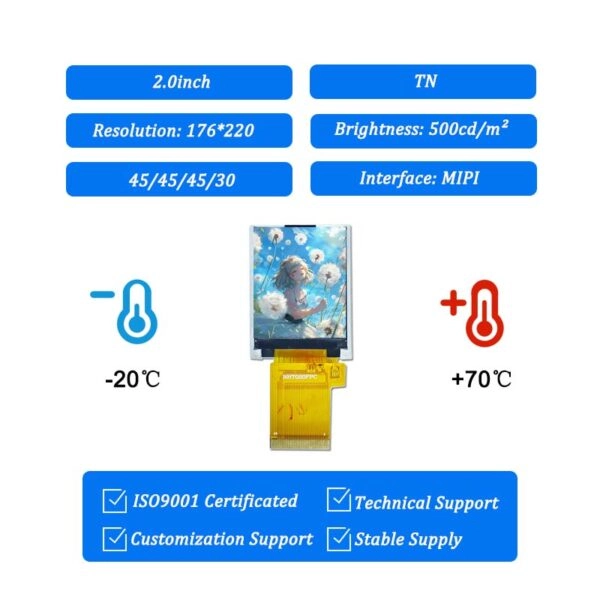
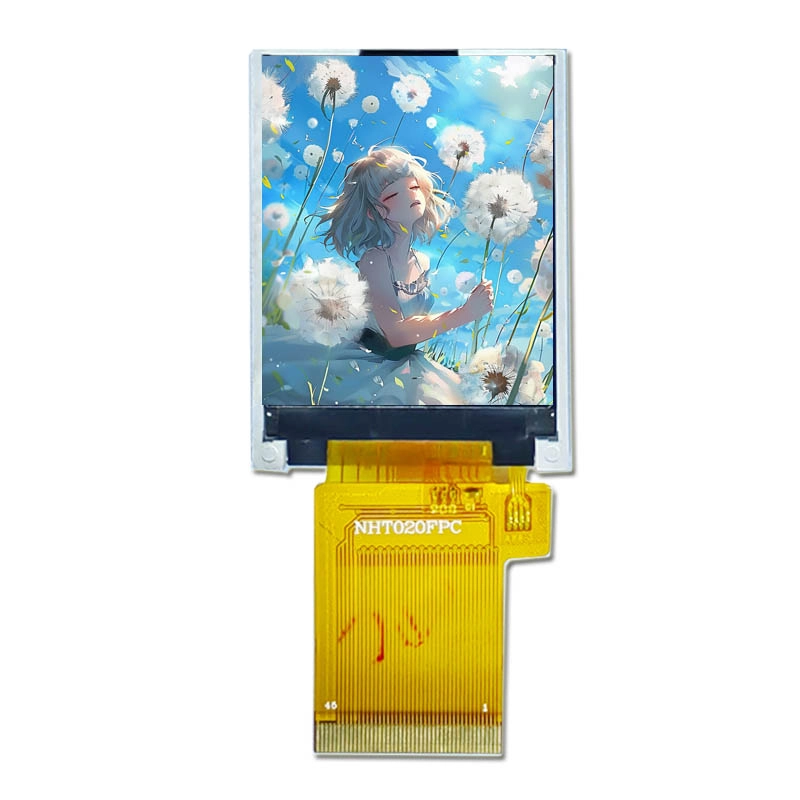
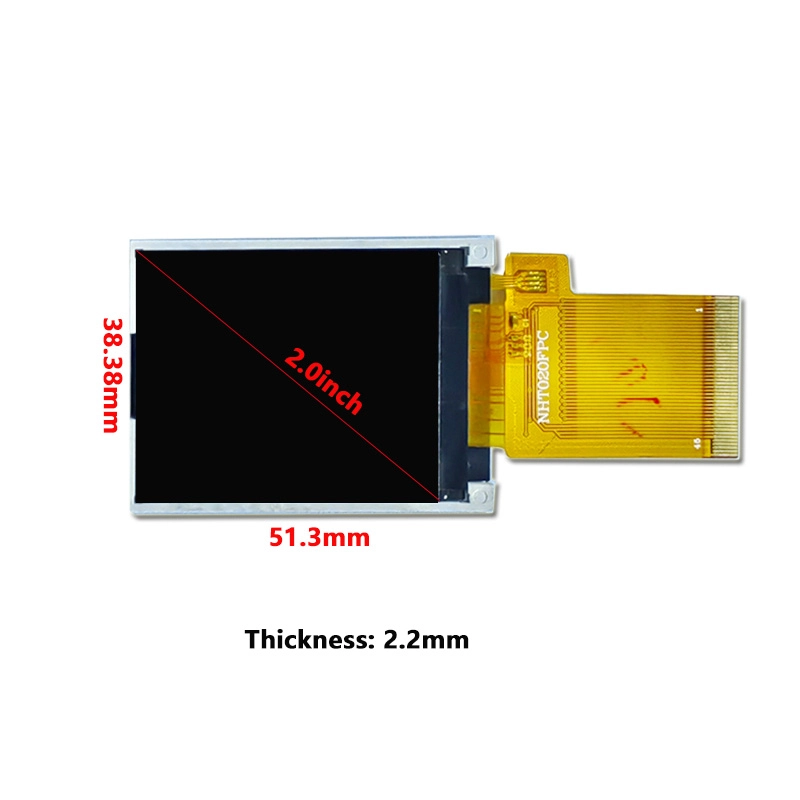
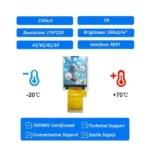
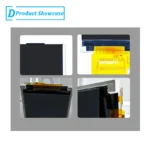
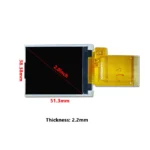
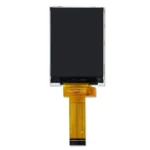
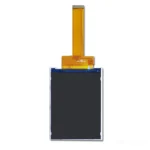
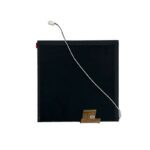
This 2 inch TFT LCD module is a compact embedded-device display with a lower 176×220 resolution than the 240×320 variants in the same size group. The confirmed specification lists 2 inch size, 176×220 resolution, MCU/RGB interface, 350 nits brightness, no touch panel in standard configuration, -20 to +70 C operating range, 38.38 x 51.3 x 2.2 mm outline dimension, 31.68 x 39.6 mm active area, 3.3V power supply, and 20000 LED lifetime. It is best evaluated for small embedded products that need concise visual feedback rather than dense HMI pages.
| Size | 2 inch |
|---|---|
| Resolution | 176×220 |
| Interface | MCU/RGB |
| Brightness | 350 nits |
| Touchscreen | No touch panel in standard configuration |
| Operating Temp | -20 to +70 C |
| Outline Dimension | 38.38 x 51.3 x 2.2 mm |
| Active Area | 31.68 x 39.6 mm |
| Power Supply | 3.3V |
| LED Lifetime | 20000 |
| Panel Model |
This module can be used in sensor devices, compact controllers, accessory displays, handheld electronics, simple instruments, and equipment nodes where screen area is limited. The 176×220 resolution is suitable for values, icons, short labels, operating modes, and simple warnings. It is not the right choice when the UI requires detailed charts, multiple menu columns, or long text strings.
A key selection point is the 176×220 resolution. It has fewer pixels than 240×320 products, which can reduce UI detail but may simplify firmware and lower memory requirements. Engineers should design the interface around the actual pixel matrix instead of scaling a 240×320 layout down. Font size, icon design, and warning colors should be tested on the physical sample.
The page lists MCU/RGB interface, so the buyer should confirm which mode the project will use. MCU-style control may suit simple embedded devices, while RGB may be relevant if the host processor outputs a video signal. The RFQ should include voltage, timing, pinout, display orientation, and driver expectations so LCDind can confirm the correct configuration.
The confirmed 350 nits brightness positions this display for controlled indoor or protected equipment use. It may be practical when battery life, cost, and heat are more important than maximum brightness. If the product is used outdoors, behind dark glass, or under strong work lights, compare brighter 2 inch options and test the final cover lens.
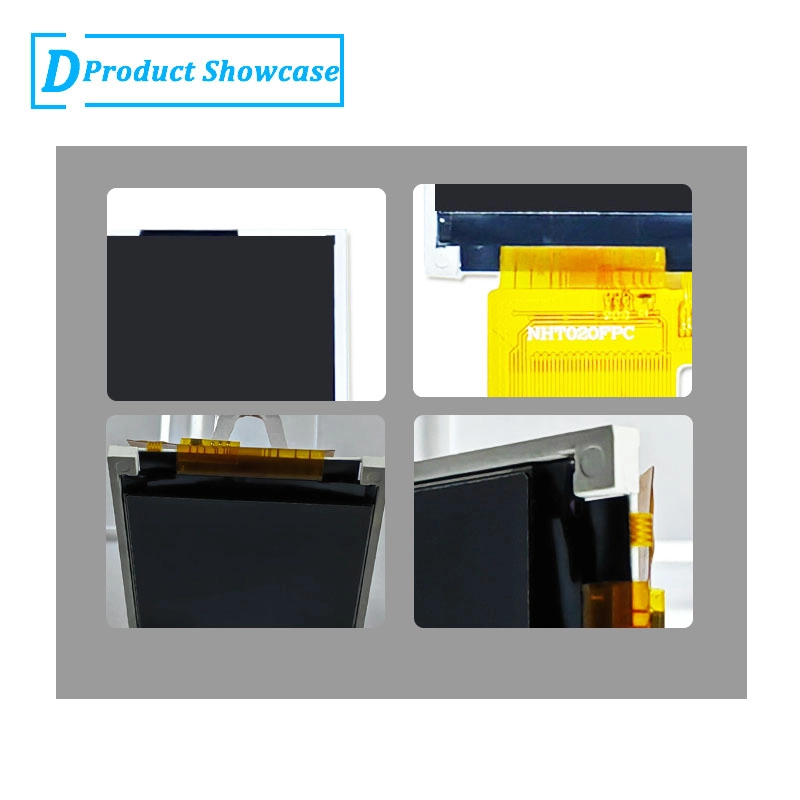
The 38.38 x 51.3 x 2.2 mm outline and 31.68 x 39.6 mm active area should be checked against the enclosure, PCB, gasket, and cable route. This module is thinner than the cover-lens option, but the finished product may still need its own protective window. If the display is mounted close to buttons or LEDs, review the full front-panel layout.
Choose this product when a small embedded display needs moderate brightness, no touch, and 176×220 resolution is sufficient. Use a 240×320 version if the UI needs more text, more detailed icons, or common portrait layouts. Use a cover-lens version if the front surface must be part of the display assembly.
This 176×220 embedded-device display should be tested with the final UI assets. Check font size, icon detail, warning visibility, color contrast, boot behavior, update speed, and display orientation. Because it has fewer pixels than 240×320 alternatives, UI review is part of engineering validation, not a cosmetic step. If the product uses a protective lens, test readability after the lens is installed and record the brightness setting used for acceptance.
The main risk is assuming it is interchangeable with 240×320 2 inch modules. The active area and outline may look similar, but the pixel matrix changes the firmware layout and user experience. If the host software was already designed for 240×320, this product may require a UI redesign. If the project only needs symbols, numeric values, and short status labels, the lower resolution can be acceptable and may simplify the embedded system.
This module is appropriate when the embedded device needs a compact, moderate-brightness screen and the UI can be designed around 176×220 pixels. It is not the right shortcut for a 240×320 design. The RFQ should include UI requirements as well as electrical requirements, because resolution affects both firmware and operator readability. If the product may later need richer graphics, approve a higher-resolution alternative before tooling. That decision is cheaper before PCB and enclosure release. It also reduces firmware rework during pilot build.
The specifications above are taken from the current public product page and should be used as selection inputs, not as final system approval. Before sample purchase or production order, LCDind should review the host interface, drawing, optical stack, operating environment, accessory requirement, and quantity plan. This avoids selecting a display that matches the headline but fails the enclosure, firmware, brightness, thermal, or supply requirements of the finished equipment.
No. The confirmed resolution is 176×220.
No. The standard configuration is no touch panel.
It fits small embedded devices that need concise values, icons, and status information in a compact display window.
| Brand | OEM / ODM |
|---|---|
| Size | 2.0 inch |
| Resolution | |
| Interface | MCU |
| Brightness | Standard (200-450 nits) |
| Operating Temp | Industrial (-20 ℃ to +70 ℃) |
| Touchscreen | No Touch |
| Viewing Direction |
A: The standard listing is No touch panel in standard configuration. LCDind can review resistive touch, capacitive touch, cover lens, bonding, and controller matching when the finished device needs operator input.
A: Common custom work includes brightness tuning, FPC length, connector direction, cover glass, logo placement, touch integration, bonding, packaging, and production inspection requirements.
A: Confirm timing, pinout, voltage, cable direction, firmware support, and EMC layout with the host board before sample approval. LCDind can review drawings and interface notes before production.
A: The confirmed brightness is 350 nits. If the display is used behind cover glass or in stronger ambient light, share the target environment so LCDind can review backlight and thermal options.
A: Send quantity, forecast, interface, mechanical drawing, brightness target, touch requirement, operating temperature, logo needs, and any current panel model or datasheet.
A: This module is mainly for compact equipment and controlled-light use. For outdoor or direct-sunlight projects, LCDind should review brightness, cover glass, bonding, thermal design, and sealing requirements first.
Q: What is the MOQ?
A: The MOQ for our products is 1 piece. We are able to provide support throughout the testing process.
Q: What about the delivery time?
A: We have products in stock and can ship them within 3 working days.
Q: Does your product have any warranty?
A: Yes, we offer a warranty that ensures the LCD will function properly upon receipt. However, please note that we do not provide guarantees for any damage caused during use.
Q: What’s your payment method?
A: We accept several payment methods, including T/T (bank transfer), and PayPal.
Q: What’s your shipping method?
A: Thank you for your inquiry. We offer various shipping methods to suit different needs.
For small quantity orders, we use UPS Air-Express, DHL, FedEx, TNT, or EMS Express service. These options are safe and fast.
For large quantity orders, we typically work with the buyer’s cargo agent in China. Alternatively, we can arrange for air or sea transportation.
Please let us know your preferred shipping method and we will do our best to accommodate your request.
Q: Do you offer custom solution?
A: Yes, we offer custom solutions if our standard products do not meet the buyer’s requirements. Please let us know your specific needs, and we will work with you to create a tailored solution that meets your business needs.
Q: How to Contact us?
A: Send your Inquiry Details in the Below, Click “Send” Now!
🔒 Your data is secure. We usually reply within 24 hours.