13
4.6 Inch TFT LCD Module for Wide Compact HMI
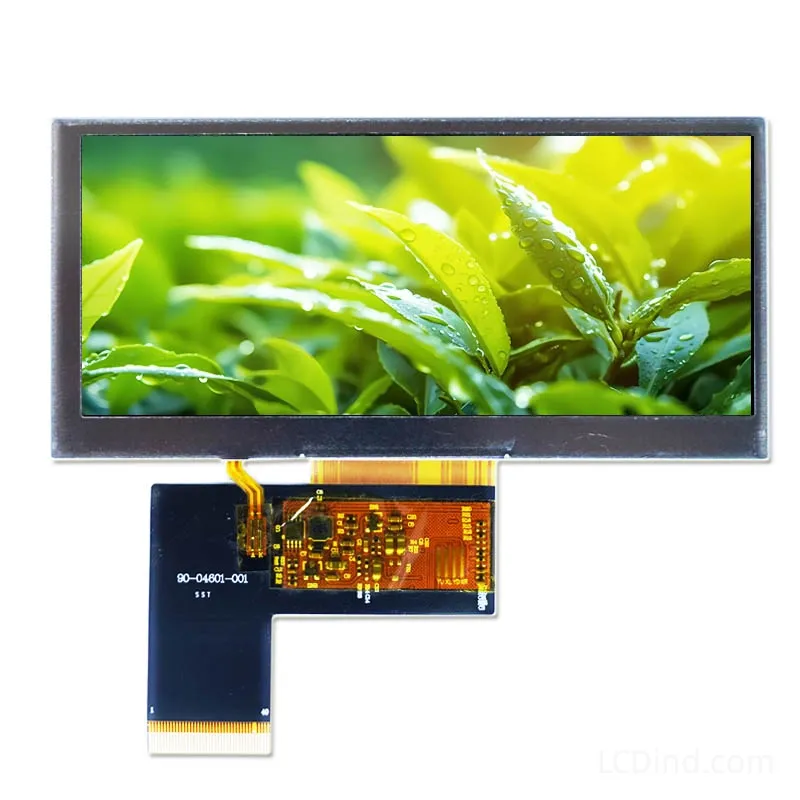
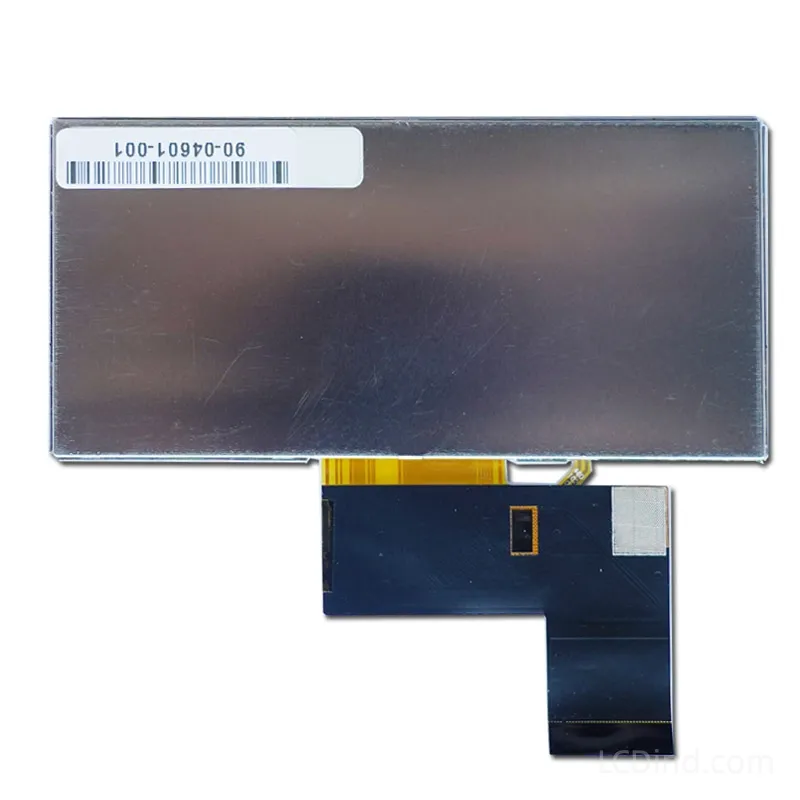
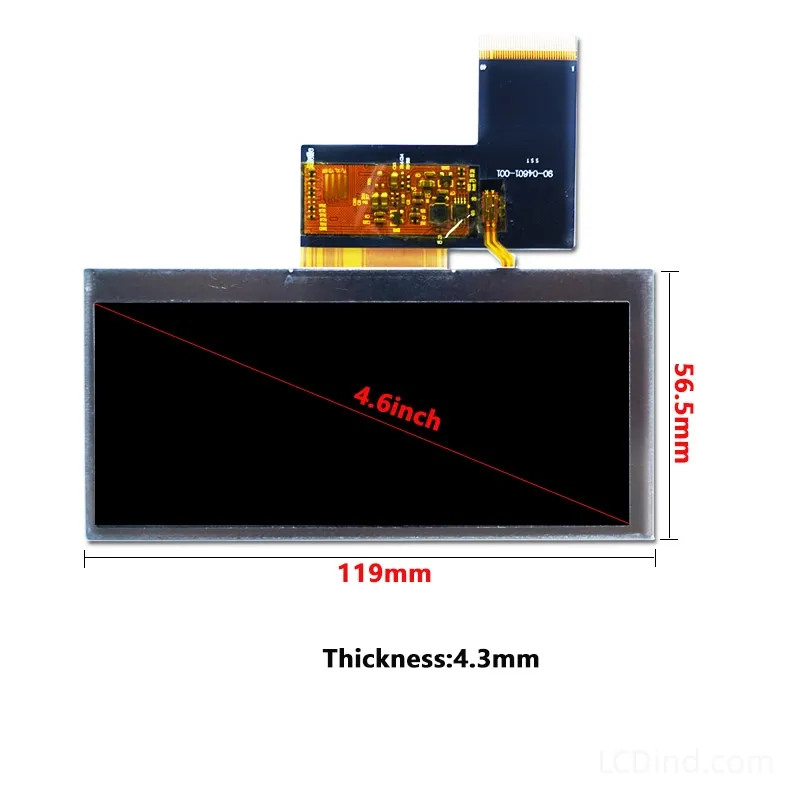
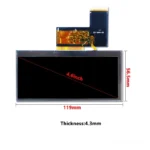
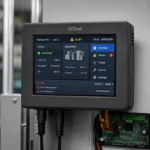
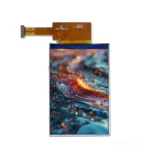
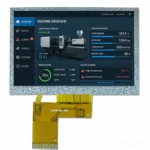
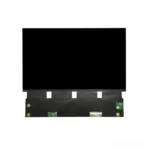
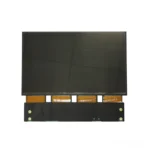
4.6 inch 800×320 RGB TFT LCD module with 450 nit brightness, resistive touch panel, 3.3V supply and 119.56 x 56.54 x 5.6 mm outline.
Product Attributes
| Brand | OEM / ODM |
|---|---|
| Size | 4.6 inch |
| Resolution | |
| Interface | |
| Brightness | Standard (200-450 nits) |
| Operating Temp | Industrial (-20 ℃ to +70 ℃) |
| Touchscreen | Resistive Touch (RTP) |
| Viewing Direction |
Description
4.6 Inch 800×320 RGB TFT LCD Module with Resistive Touch for Wide Compact HMI
This 4.6 inch TFT LCD module is a wide compact HMI display for equipment that needs a horizontal control surface but not a full 7 inch terminal. The confirmed data lists 4.6 inch size, 800×320 resolution, RGB interface, 450 nits brightness, resistive touch panel, -20 to +70 C operating range, 119.56 x 56.54 x 5.6 mm outline dimension, 108 x 43.2 mm active area, 3.3V power supply, and 20000 LED lifetime. The panel model field is blank in the public table.
Confirmed Product Specifications
| Size | 4.6 inch |
|---|---|
| Resolution | 800×320 |
| Interface | RGB |
| Brightness | 450 nits |
| Touchscreen | Resistive touch panel |
| Operating Temp | -20 to +70 C |
| Outline Dimension | 119.56 x 56.54 x 5.6 mm |
| Active Area | 108 x 43.2 mm |
| Power Supply | 3.3V |
| LED Lifetime | 20000 |
| Panel Model |
Wide Compact HMI Fit
This module fits compact equipment HMIs, rack devices, test instruments, appliance controls, industrial settings panels, and vehicle-adjacent controls where a wide strip layout is easier to use than a small portrait display. The 800×320 resolution can support horizontal menus, status zones, values, sliders, and alarm messages without using a tall enclosure.
RGB Interface Planning
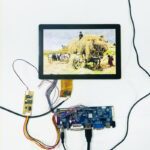
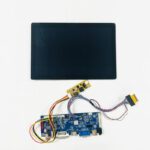
The confirmed RGB interface requires host timing support, pixel clock, sync lines, voltage matching, connector definition, FPC route, and firmware or display-controller compatibility. RGB can support smoother UI than SPI or simple MCU paths, but it should be selected only when the host board can drive it reliably.
Resistive Touch Review
The module includes a resistive touch panel, useful for stylus, gloved input, simple field controls, and lower-cost touch operation. Resistive touch needs calibration, pressure review, overlay protection, and mechanical stack validation. If the equipment will be cleaned frequently, define front surface and sealing strategy in the RFQ.
Brightness and Use Environment
The confirmed 450 nits brightness is near the upper end of standard indoor brightness. It can support bright indoor equipment and some protected environments, but it is not a high-brightness outdoor specification. Cover lens, touch layer, and surface reflection should be tested with the final product housing.
Mechanical Integration
The 119.56 x 56.54 x 5.6 mm outline and 108 x 43.2 mm active area require a long front-window opening. Check bracket support, touch pressure, active-area centering, FPC bend, and gasket compression. Wide compact displays can be stressed by uneven pressure if the frame is not flat.
UI Design Guidance
The 800×320 ratio should use horizontal zones instead of a scaled-down 16:9 or portrait UI. Good layouts include left-side navigation, center values, right-side alarms, or status bars across the top. Test touch target size on the real resistive panel because small touch controls can be difficult with gloves.
Production Acceptance
Approval should include RGB timing, touch calibration, edge touch response, brightness through the front stack, long-duration operation, cable strain, and enclosure pressure. The approved drawing and touch behavior should be recorded before pilot build.
Why the Wide Format Matters
A 4.6 inch 800×320 display should not be treated like a shortened 7 inch screen. Its value is a wide, compact control strip where operators can see status, function keys, and alarms in one row. This is useful for equipment fronts with limited height, rack-mount products, battery chargers, power devices, and compact controllers where a standard 4.3 inch or 5 inch shape would force a taller enclosure.
Touch Layout Validation
Because the module uses resistive touch, the UI should avoid very small buttons and edge-critical gestures. The engineering sample should be tested with the real finger, glove, or stylus conditions expected in the application. Calibration, touch force, bezel pressure, and front film durability need practical review. A wide display can look efficient on a drawing, but touch target spacing must be checked on the physical part.
Host Board Timing Work
RGB integration is direct but not plug-and-play. The host board must supply correct timing, stable power, and clean signal routing. If the buyer is replacing an older panel, LCDind should compare pixel clock, sync polarity, FPC pin order, backlight circuit, and initialization requirements. A resolution match alone does not prove compatibility, especially when a custom mainboard was designed around a previous LCD supplier.
Mechanical Stack Control
The long outline makes frame flatness and adhesive control important. Uneven compression can create touch drift, local Newton rings, or visible edge stress. The buyer should provide the front-window design, gasket material, and mounting method so LCDind can judge whether the resistive touch stack will be stable. If the final product has sealing or cleaning requirements, those should be reviewed during sample approval.
RFQ Checklist
- Host RGB timing, voltage, connector, FPC direction, and firmware/display-controller support.
- Touch requirements: resistive calibration, glove/stylus use, sealing, front lens, and touch force.
- Mechanical drawing with active area, 119.56 x 56.54 x 5.6 mm outline, bracket, gasket, and cable route.
- Brightness environment, operating temperature, sample quantity, forecast, and inspection standard.
Engineering Review Note
The specifications above are taken from the current public product page and should be used as selection inputs, not as final system approval. Before sample purchase or production order, LCDind should review the host interface, drawing, optical stack, operating environment, touch behavior, accessory requirement, and quantity plan. This avoids selecting a display that matches the headline but fails the enclosure, firmware, brightness, thermal, or supply requirements of the finished equipment.
Engineering FAQ
Is touch included?
Yes. The public table lists a resistive touch panel.
What interface is confirmed?
The confirmed display interface is RGB.
What type of UI fits this display?
Horizontal status and control layouts fit better than normal portrait mobile-style pages.
Additional information
| Brand | OEM / ODM |
|---|---|
| Size | 4.6 inch |
| Resolution | |
| Interface | |
| Brightness | Standard (200-450 nits) |
| Operating Temp | Industrial (-20 ℃ to +70 ℃) |
| Touchscreen | Resistive Touch (RTP) |
| Viewing Direction |
About brand
Source OEM / ODM LCD panels for OEM, replacement and industrial integration projects. Submit size, resolution, interface, brightness, lifecycle and annual quantity for review.
Engineering FAQ
Q: Can this 4.6 inch TFT LCD module be supplied with a touch screen?
A: The standard listing is Resistive touch panel. LCDind can review resistive touch, capacitive touch, cover lens, bonding, and controller matching when the finished device needs operator input.
Q: What customization options are available for this display?
A: Common custom work includes brightness tuning, FPC length, connector direction, cover glass, logo placement, touch integration, bonding, packaging, and production inspection requirements.
Q: How should the RGB interface be confirmed?
A: Confirm timing, pinout, voltage, cable direction, firmware support, and EMC layout with the host board before sample approval. LCDind can review drawings and interface notes before production.
Q: Can the brightness be adjusted for a different environment?
A: The confirmed brightness is 450 nits. If the display is used behind cover glass or in stronger ambient light, share the target environment so LCDind can review backlight and thermal options.
Q: What information should buyers send for an RFQ?
A: Send quantity, forecast, interface, mechanical drawing, brightness target, touch requirement, operating temperature, logo needs, and any current panel model or datasheet.
Q: Is this display suitable for outdoor equipment?
A: This module is mainly for compact equipment and controlled-light use. For outdoor or direct-sunlight projects, LCDind should review brightness, cover glass, bonding, thermal design, and sealing requirements first.
Shipping and Delivery
Q: What is the MOQ?
A: The MOQ for our products is 1 piece. We are able to provide support throughout the testing process.
Q: What about the delivery time?
A: We have products in stock and can ship them within 3 working days.
Q: Does your product have any warranty?
A: Yes, we offer a warranty that ensures the LCD will function properly upon receipt. However, please note that we do not provide guarantees for any damage caused during use.
Q: What’s your payment method?
A: We accept several payment methods, including T/T (bank transfer), and PayPal.
Q: What’s your shipping method?
A: Thank you for your inquiry. We offer various shipping methods to suit different needs.
For small quantity orders, we use UPS Air-Express, DHL, FedEx, TNT, or EMS Express service. These options are safe and fast.
For large quantity orders, we typically work with the buyer’s cargo agent in China. Alternatively, we can arrange for air or sea transportation.
Please let us know your preferred shipping method and we will do our best to accommodate your request.
Q: Do you offer custom solution?
A: Yes, we offer custom solutions if our standard products do not meet the buyer’s requirements. Please let us know your specific needs, and we will work with you to create a tailored solution that meets your business needs.
Q: How to Contact us?
A: Send your Inquiry Details in the Below, Click “Send” Now!