13
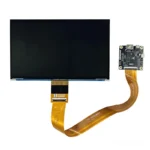
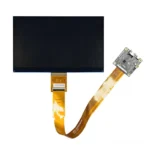
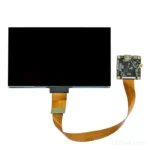
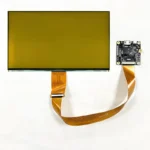
Universal LCD Controller Board solutions. Convert HDMI/VGA signals to LVDS, EDP, or MIPI. Custom firmware support for industrial display panels.
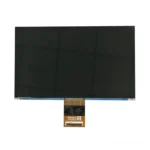
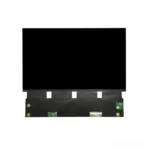
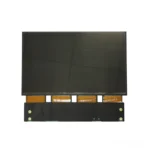
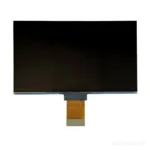
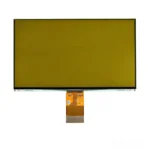
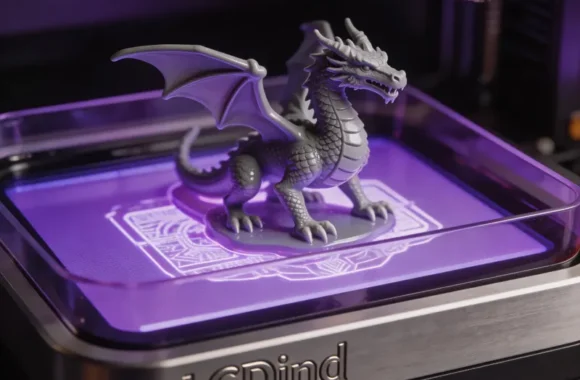
Source monochrome masking LCD modules from 2K to 16K for resin 3D printer development, replacement programs and OEM production. Compare resolution, pixel pitch, MIPI/LVDS/eDP interface, open-cell construction and controller requirements before quotation.
A monochrome masking panel removes the RGB color-filter requirement, allowing higher UV transmission and shorter exposure cycles under comparable optical conditions. The actual improvement depends on the panel, wavelength, resin, cooling and light uniformity.
Usually yes. Interface type, lane count, timing, bandwidth, initialization code and FPC pinout must match the panel. A shared resolution label does not guarantee electrical compatibility, so send the mainboard and panel information for review.
UV intensity, wavelength, exposure cycle, panel temperature, cooling, resin leakage and polarizer protection all affect service life. LCDind confirms available lifetime data by model and test condition rather than applying one fixed hour rating to every panel.
🔒 Your data is secure. We usually reply within 24 hours.