13
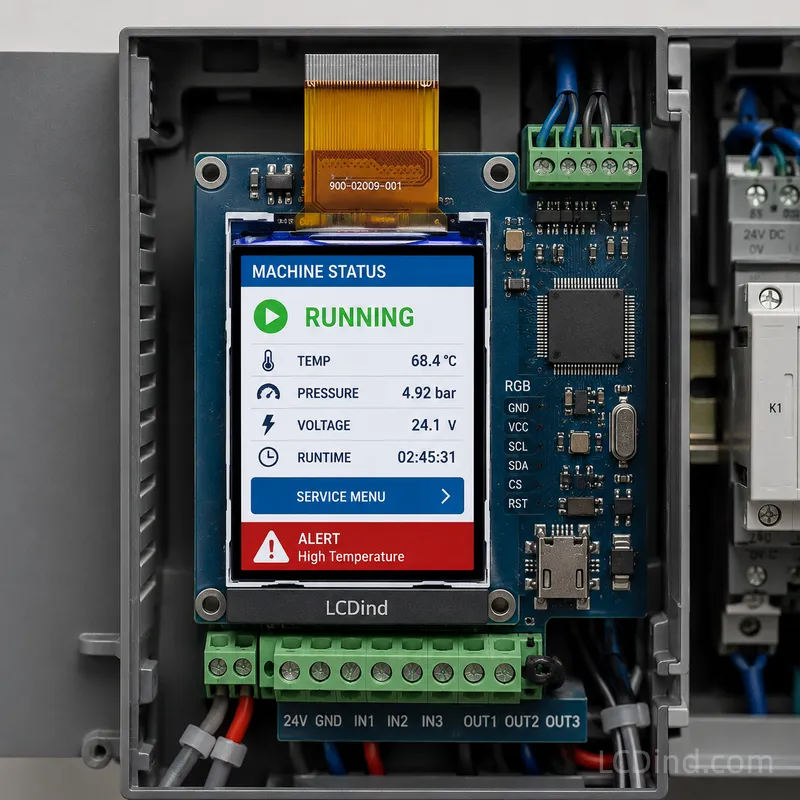
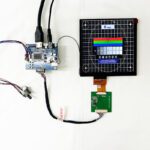
Universal LCD Controller Board solutions. Convert HDMI/VGA signals to LVDS, EDP, or MIPI. Custom firmware support for industrial display panels.
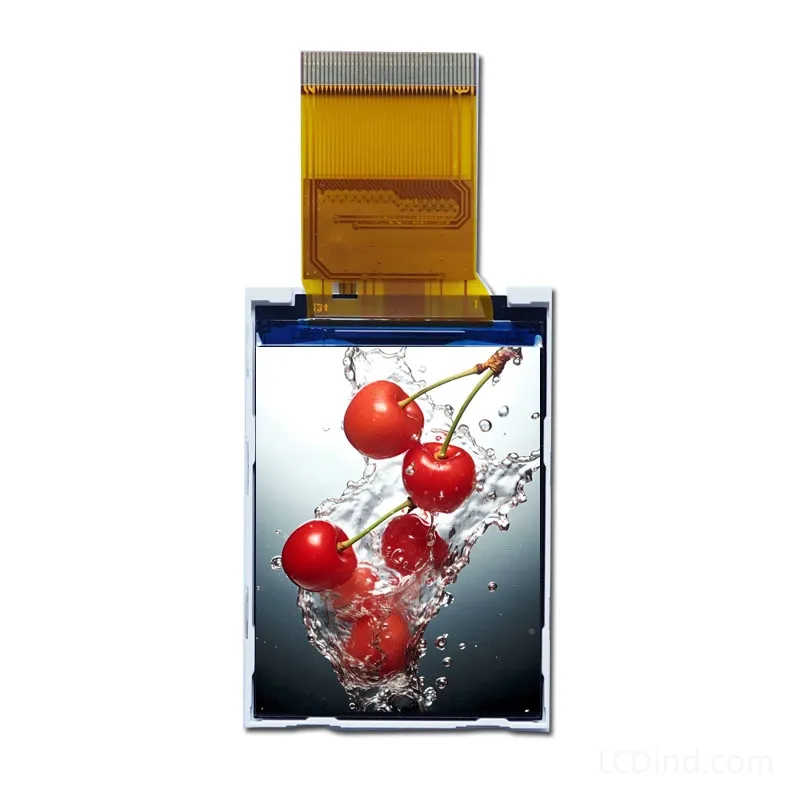
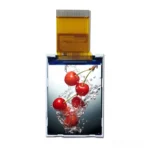
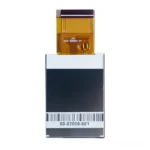
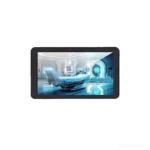
2 inch 240×320 TFT LCD module with MCU/RGB interface, 600 nit brightness, 3.3V supply and no-touch standard configuration for compact controls.
| Brand | OEM / ODM |
|---|---|
| Size | 2.0 inch |
| Resolution | 240×320 |
| Interface | MCU |
| Brightness | High Brightness (500-900 nits) |
| Operating Temp | Industrial (-20 ℃ to +70 ℃) |
| Touchscreen | No Touch |
| Viewing Direction |
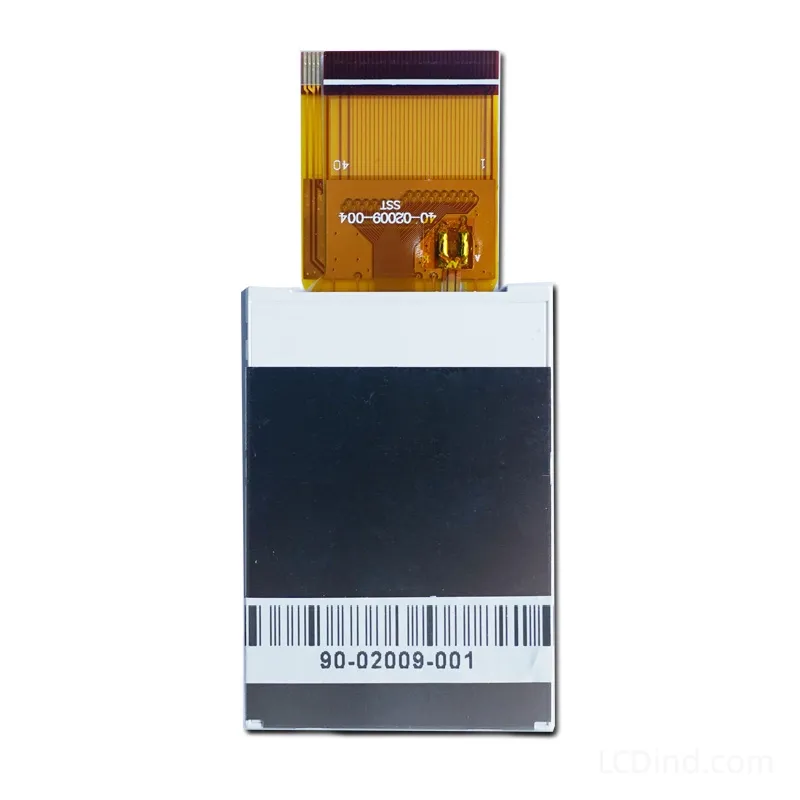
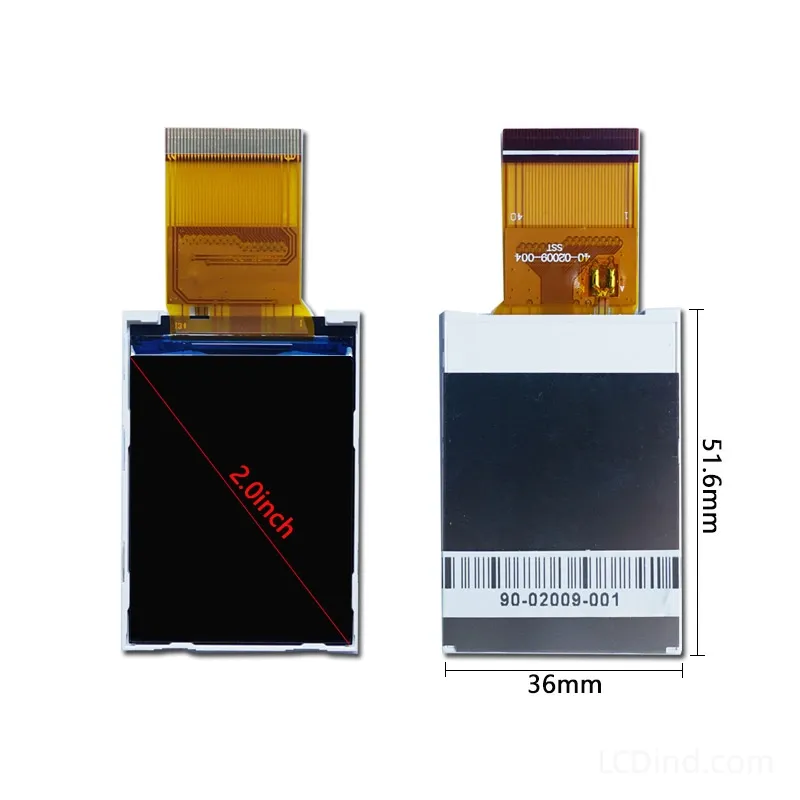
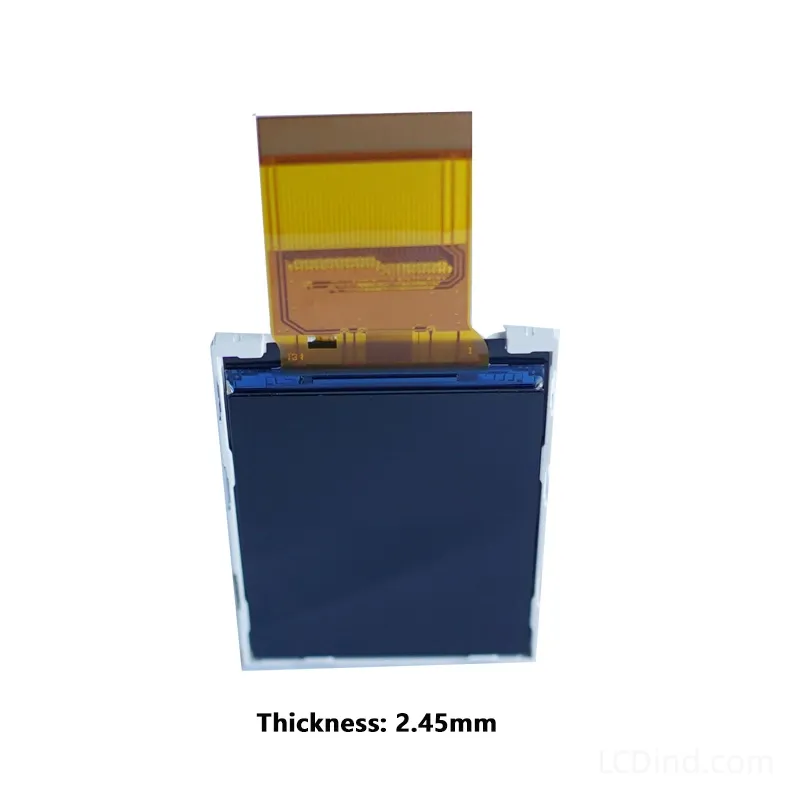
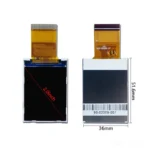
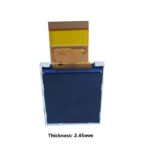
This 2 inch TFT LCD module is a high-brightness option for compact controls where the display window is small but readability still matters. The confirmed specification lists 2 inch size, 240×320 resolution, MCU/RGB interface, 600 nits brightness, no touch panel in standard configuration, -20 to +70 C operating range, 36 x 51.6 x 2.45 mm outline dimension, 30.6 x 40.8 mm active area, 3.3V power supply, and 20000 LED lifetime. The panel model field is blank, so procurement should control the order by the approved drawing and full specification.
| Size | 2 inch |
|---|---|
| Resolution | 240×320 |
| Interface | MCU/RGB |
| Brightness | 600 nits |
| Touchscreen | No touch panel in standard configuration |
| Operating Temp | -20 to +70 C |
| Outline Dimension | 36 x 51.6 x 2.45 mm |
| Active Area | 30.6 x 40.8 mm |
| Power Supply | 3.3V |
| LED Lifetime | 20000 |
| Panel Model |
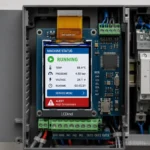
This module fits compact controllers, small instruments, charger panels, medical accessories, portable measurement devices, and embedded control products where a small portrait display must be readable in brighter indoor environments. The 240×320 format supports values, icons, setting menus, short warnings, and color-coded status without increasing enclosure size.
The confirmed 600 nits brightness gives this 2 inch module more headroom than standard indoor variants. That is useful behind protective lenses or in bright workshops, but it also requires power and thermal review. Engineers should test dimming range, heat rise, battery impact, and readability through the final cover lens before choosing this version for every model in a product family.
The page lists MCU/RGB interface, which can mean the project may need to confirm the exact supported signal mode, pinout, timing, and controller behavior. MCU mode may simplify firmware for small menus, while RGB can be appropriate when the host processor already outputs display timing. The RFQ should state the intended host architecture so LCDind can verify the correct configuration.
The standard configuration has no touch panel. That is suitable for compact controls using buttons, membrane keys, rotary encoders, or external switches. If the product needs touch later, plan the lens, controller, firmware, and mechanical stack early. Retrofitting touch after the front panel is tooled can create cost and reliability problems.
The 36 x 51.6 x 2.45 mm outline and 30.6 x 40.8 mm active area require precise bezel and gasket control. On a 2 inch screen, even small alignment errors are visible. Check the active-area centering, FPC bend, connector clearance, and front-window tolerance with real samples rather than relying only on catalog size.
Choose this 600-nit module when compact controls need stronger brightness than a 350 or 500 nit 2 inch display. If the device is always used in dim indoor cabinets, a lower-brightness option may be more efficient. If the host only supports MCU or only supports RGB, confirm the exact interface configuration before approval.
A 600-nit 2 inch module should be tested for readability and heat in the final control assembly. Check full-brightness operation, dimming control, color consistency, active-area alignment, and whether the display remains readable after the cover lens, printed overlay, or front gasket is added. If the product is battery powered, record current draw at the normal brightness setting, not only at maximum backlight. The approved test should also include firmware initialization for the selected MCU or RGB mode.
This page lists MCU/RGB, so the main risk is ordering a configuration that does not match the host electronics. A buyer may say '2 inch 240×320' while the board actually needs a specific controller, pinout, and signal mode. Another risk is over-specifying brightness for an indoor product, increasing heat and cost. LCDind should compare the 600-nit version with 500-nit and 350-nit alternatives if the product family has several operating environments.
This is the strongest 2 inch choice in this group when brightness margin is the key requirement. It is less suitable when the product is extremely power-sensitive or when the host interface is not yet defined. A good RFQ should identify the exact interface mode and the real lighting condition before asking for production pricing. If several product models share the same enclosure, this page can act as the high-brightness reference for comparison.
The specifications above are taken from the current public product page and should be used as selection inputs, not as final system approval. Before sample purchase or production order, LCDind should review the host interface, drawing, optical stack, operating environment, accessory requirement, and quantity plan. This avoids selecting a display that matches the headline but fails the enclosure, firmware, brightness, thermal, or supply requirements of the finished equipment.
No. The confirmed standard configuration has no touch panel.
Use it when the final product needs additional brightness margin, especially behind a cover lens or in brighter work areas.
Confirm the exact signal mode, timing, pinout, voltage, and driver support for the host board.
| Brand | OEM / ODM |
|---|---|
| Size | 2.0 inch |
| Resolution | 240×320 |
| Interface | MCU |
| Brightness | High Brightness (500-900 nits) |
| Operating Temp | Industrial (-20 ℃ to +70 ℃) |
| Touchscreen | No Touch |
| Viewing Direction |
A: The standard listing is No touch panel in standard configuration. LCDind can review resistive touch, capacitive touch, cover lens, bonding, and controller matching when the finished device needs operator input.
A: Common custom work includes brightness tuning, FPC length, connector direction, cover glass, logo placement, touch integration, bonding, packaging, and production inspection requirements.
A: Confirm timing, pinout, voltage, cable direction, firmware support, and EMC layout with the host board before sample approval. LCDind can review drawings and interface notes before production.
A: The confirmed brightness is 600 nits. If the display is used behind cover glass or in stronger ambient light, share the target environment so LCDind can review backlight and thermal options.
A: Send quantity, forecast, interface, mechanical drawing, brightness target, touch requirement, operating temperature, logo needs, and any current panel model or datasheet.
A: This module is mainly for compact equipment and controlled-light use. For outdoor or direct-sunlight projects, LCDind should review brightness, cover glass, bonding, thermal design, and sealing requirements first.
Q: What is the MOQ?
A: The MOQ for our products is 1 piece. We are able to provide support throughout the testing process.
Q: What about the delivery time?
A: We have products in stock and can ship them within 3 working days.
Q: Does your product have any warranty?
A: Yes, we offer a warranty that ensures the LCD will function properly upon receipt. However, please note that we do not provide guarantees for any damage caused during use.
Q: What’s your payment method?
A: We accept several payment methods, including T/T (bank transfer), and PayPal.
Q: What’s your shipping method?
A: Thank you for your inquiry. We offer various shipping methods to suit different needs.
For small quantity orders, we use UPS Air-Express, DHL, FedEx, TNT, or EMS Express service. These options are safe and fast.
For large quantity orders, we typically work with the buyer’s cargo agent in China. Alternatively, we can arrange for air or sea transportation.
Please let us know your preferred shipping method and we will do our best to accommodate your request.
Q: Do you offer custom solution?
A: Yes, we offer custom solutions if our standard products do not meet the buyer’s requirements. Please let us know your specific needs, and we will work with you to create a tailored solution that meets your business needs.
Q: How to Contact us?
A: Send your Inquiry Details in the Below, Click “Send” Now!
🔒 Your data is secure. We usually reply within 24 hours.