13
Description
0.96-Inch TFT LCD Module for Mini Touch Terminals
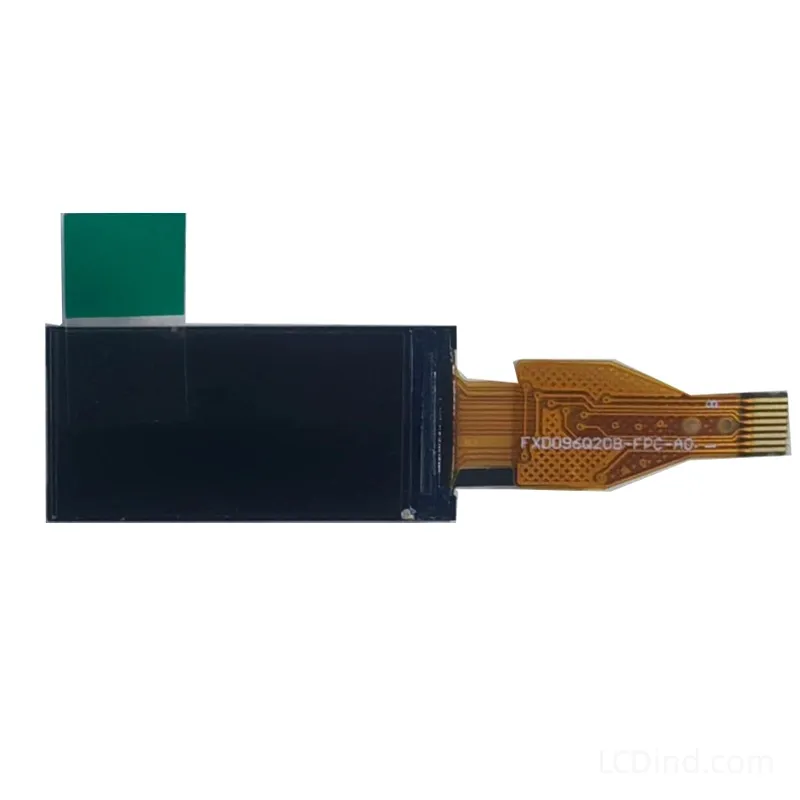
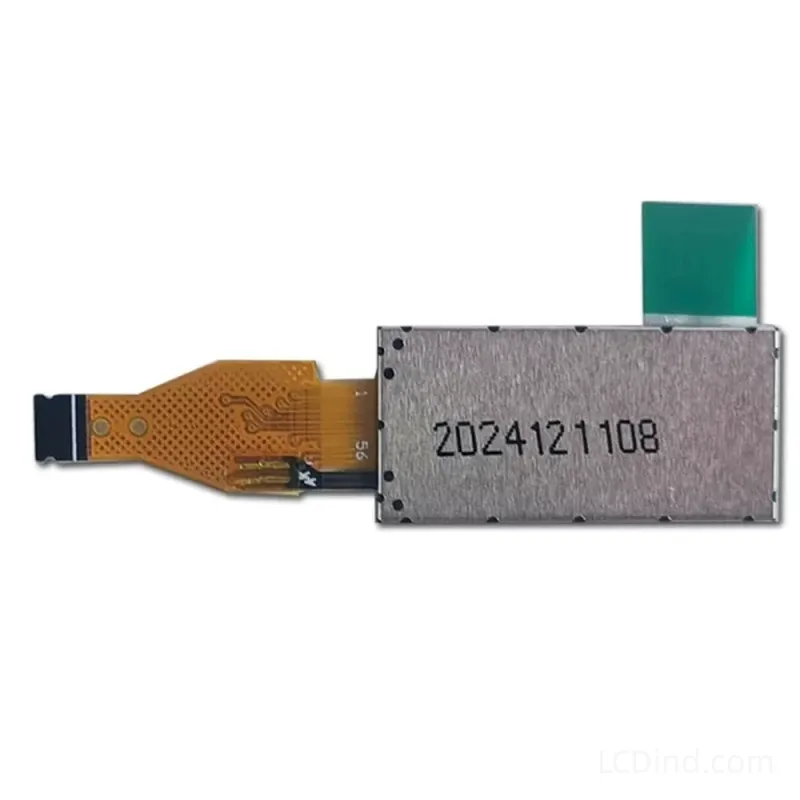
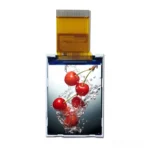
This 0.96 inch TFT LCD module is intended for mini touch terminals, small handheld instruments, compact embedded controllers, and control devices that need a narrow rectangular display with touch capability. The confirmed table data includes 0.96 inch size, 80×160 resolution, 4 Line SPI interface, 400 nits brightness, Capacitive touch panel, -20 to +70 C operating range, 13.5 x 27.95 x 1.5 mm outline dimension, 10.8 x 21.7 mm active area, 3.0V power supply, 20000 LED lifetime, and LCDind SKU DS20288. The panel model field is empty, so it should not be used as a confirmed sourcing identifier.
Technical Specifications
| Size | 0.96 inch |
|---|---|
| Resolution | 80×160 |
| Interface | 4 Line SPI |
| Brightness | 400 nits |
| Touchscreen | Capacitive touch panel |
| Operating Temp | -20 to +70 C |
| Outline Dimension | 13.5 x 27.95 x 1.5 mm |
| Active Area | 10.8 x 21.7 mm |
| Power Supply | 3.0V |
| LED Lifetime | 20000 |
| Panel Model |
Mechanical Fit for Narrow Touch Terminals
This module is much narrower than the round 0.96 inch parts in the same candidate group. Its 13.5 x 27.95 x 1.5 mm outline is useful when the enclosure has a slim vertical window, small keypad area, or handheld front panel where a square display would waste space. The 10.8 x 21.7 mm active area should be checked against text size, icon layout, touch target, and the final cover opening. Because the module includes a capacitive touch panel, the cover lens, air gap, adhesive, and grounding approach must be reviewed together.
For mini terminals, the risk is often not the display diagonal but the whole stack: display, touch sensor, FPC bend, connector position, plastic ribs, battery, and front cover. Before tooling, confirm whether the display is portrait or landscape, whether the touch area aligns with the visible area, and whether the user will operate it with bare fingers, gloves, or a stylus. A 1.5 mm module thickness can be attractive for slim devices, but the real assembly height depends on lens, adhesive, PCB, connector, and gasket.
4 Line SPI and Touch Integration
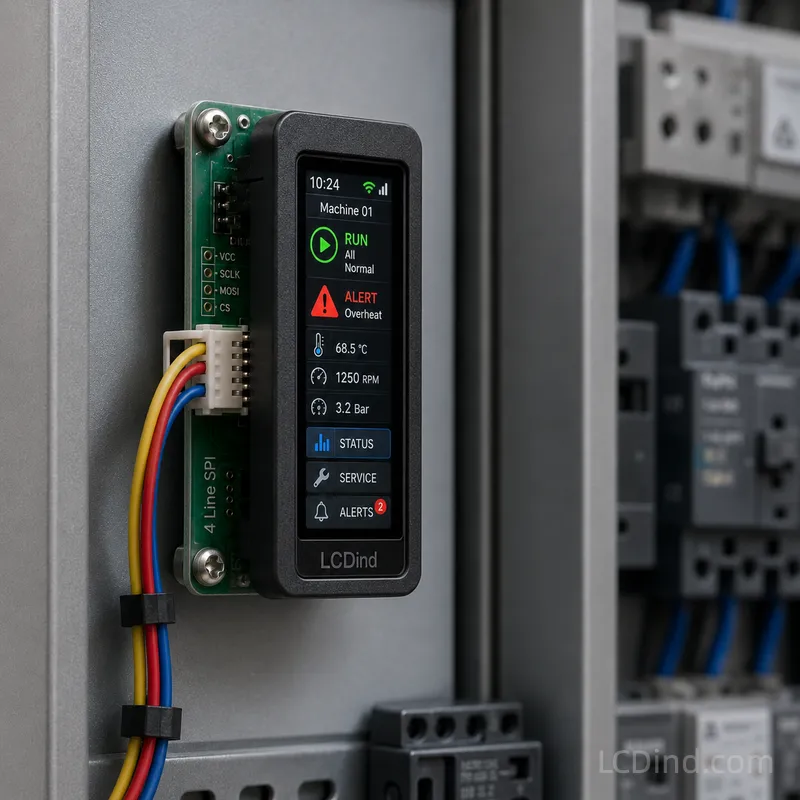
The 4 Line SPI interface suits low-power controllers and compact boards where GPIO count and PCB area are limited. Engineers should confirm display initialization, refresh requirement, command set, orientation, and whether the host can support both display and capacitive touch communication. If the product uses battery operation or sleep mode, test wake-up behavior, backlight control, and touch response after low-power recovery.
Touch integration should be reviewed as an electrical and mechanical item, not only a feature label. Capacitive touch performance depends on cover thickness, grounding, noise environment, firmware tuning, and how the product is held. For an industrial mini terminal, test with the actual enclosure material and cable routing. If the device is used near motors, chargers, or wireless modules, EMC and touch false-trigger behavior should be part of sample validation.
Application Scenarios
This display is suitable for access terminals, handheld service tools, compact menu panels, sensor nodes, battery test devices, wearable-style industrial controllers, mini diagnostic products, and smart equipment that needs a small interactive screen. The 80×160 resolution is enough for short values, icons, battery status, mode selection, alarms, and simple menus. It is not intended to replace a large HMI, but it can make a small device feel controlled and production-ready.
The 400 nits brightness gives more headroom than many very small modules, especially when the terminal is used in workshops, equipment rooms, or indoor field-service environments. Outdoor use still requires review because cover lens, sunlight, heat, and viewing angle can reduce practical readability. If the device must be sealed, the bonding and front cover plan should be validated during sample stage.
Procurement and Approval Notes
For a mini touch terminal, procurement should request more than a display quotation. Ask for the touch configuration, FPC details, power requirement, drawing, sample lead time, and long-term availability. Confirm that DS20288, the 80×160 resolution, 4 Line SPI interface, and 3.0V power requirement match the electronics plan. If the terminal will be certified or produced over multiple years, revision control and replacement planning should be discussed early.
A small touch display can create quality issues if the buyer does not define cosmetic standards. Dust, Newton rings, touch offset, backlight uniformity, connector soldering, and FPC handling can affect perceived quality. For B2B production, define incoming inspection items, packaging needs, sample acceptance conditions, and whether LCDind should support a customized cable or lens before pilot production.
Customization Options for Terminal Projects
LCDind can review FPC adjustment, connector direction, cover glass, touch tuning, optical bonding, logo printing, brightness adjustment, and inspection criteria. If the terminal already has a fixed mechanical design, provide 2D or 3D drawings with the visible window and PCB position. If the design is still open, the standard module can be used to validate UI size, touch response, and enclosure concept before customization.
Because the panel model field is blank, buyers should reference the SKU and exact technical table rather than inventing a supplier panel code. If a second source or future replacement is required, LCDind can compare mechanical, electrical, and optical constraints during engineering review.
RFQ and Engineering Review Checklist
- Target device type, orientation, UI content, and touch interaction method.
- Mechanical drawing showing visible window, lens, adhesive, PCB, and FPC routing.
- Host MCU, SPI timing, touch controller requirement, and power budget.
- Operating environment, glove or bare-finger use, sealing requirement, and EMC concerns.
- Sample quantity, annual forecast, and whether a customized lens or cable is required.
- Inspection requirements for touch alignment, display appearance, and packaging.
Engineering FAQ
Is the capacitive touch panel confirmed?
Yes. The table lists Capacitive touch panel for this product. Final touch performance still depends on the cover lens, grounding, firmware tuning, and the product enclosure.
What type of UI fits an 80×160 display?
It is best for simple vertical interfaces: status values, icons, short menu labels, battery indicators, alarms, and confirmation screens. Complex dashboards should use a larger display.
Can this be used in industrial handheld equipment?
Yes, provided the enclosure, FPC bend, touch behavior, brightness, and operating environment are validated with real samples. The -20 to +70 C operating range supports many industrial indoor and field-service uses.
What is the main RFQ identifier?
Use SKU DS20288 together with the 0.96 inch size, 80×160 resolution, 4 Line SPI interface, and mechanical drawing. Do not rely on the blank panel model field.
Project Notes for Sourcing Teams
This item should be evaluated as a compact interactive display stack, not just a bare LCD. Send the enclosure drawing and host interface details so LCDind can confirm whether the standard module or a customized version is the right production choice.
Additional information
| Brand | OEM / ODM |
|---|---|
| Size | 0.96 inch |
| Resolution | |
| Interface | SPI |
| Brightness | Standard (200-450 nits) |
| Operating Temp | Industrial (-20 ℃ to +70 ℃) |
| Touchscreen | Capacitive Touch (PCAP) |
| Viewing Direction |
About brand
Source OEM / ODM LCD panels for OEM, replacement and industrial integration projects. Submit size, resolution, interface, brightness, lifecycle and annual quantity for review.
Engineering FAQ
Q: Can this 0.96 inch TFT LCD module be supplied with a touch screen?
A: The standard listing is Capacitive touch panel. LCDind can review resistive touch, capacitive touch, cover lens, bonding, and controller matching when the finished device needs operator input.
Q: What customization options are available for this display?
A: Common custom work includes brightness tuning, FPC length, connector direction, cover glass, logo placement, touch integration, bonding, packaging, and production inspection requirements.
Q: How should the 4 Line SPI interface be confirmed?
A: Confirm timing, pinout, voltage, cable direction, firmware support, and EMC layout with the host board before sample approval. LCDind can review drawings and interface notes before production.
Q: Can the brightness be adjusted for a different environment?
A: The confirmed brightness is 400 nits. If the display is used behind cover glass or in stronger ambient light, share the target environment so LCDind can review backlight and thermal options.
Q: What information should buyers send for an RFQ?
A: Send quantity, forecast, interface, mechanical drawing, brightness target, touch requirement, operating temperature, logo needs, and any current panel model or datasheet.
Q: Is this display suitable for outdoor equipment?
A: This module is mainly for compact equipment and controlled-light use. For outdoor or direct-sunlight projects, LCDind should review brightness, cover glass, bonding, thermal design, and sealing requirements first.
Shipping and Delivery