13
1.9 Inch TFT LCD Module for Compact Field Instruments
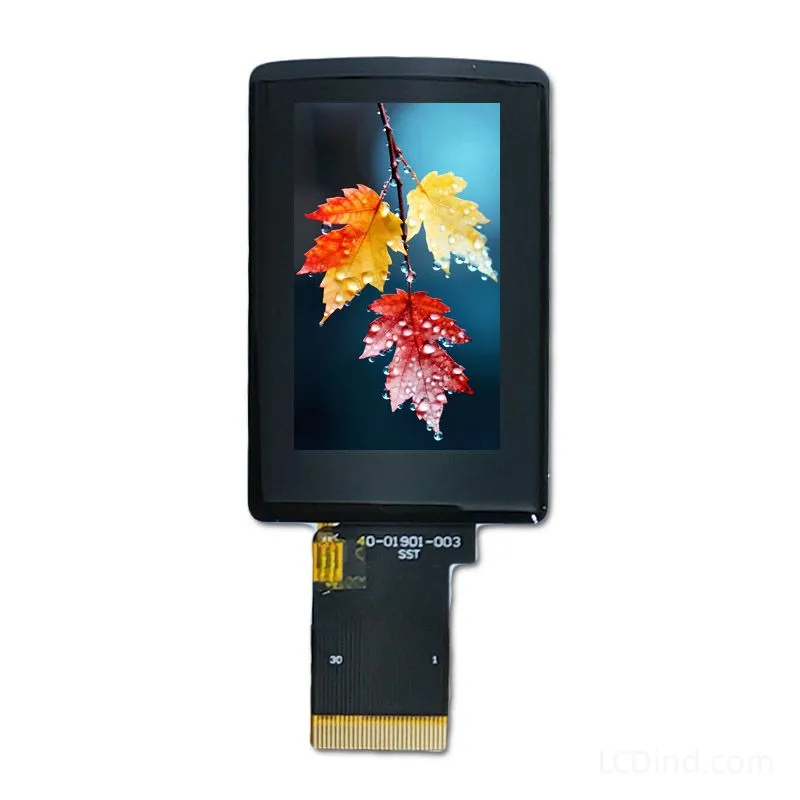
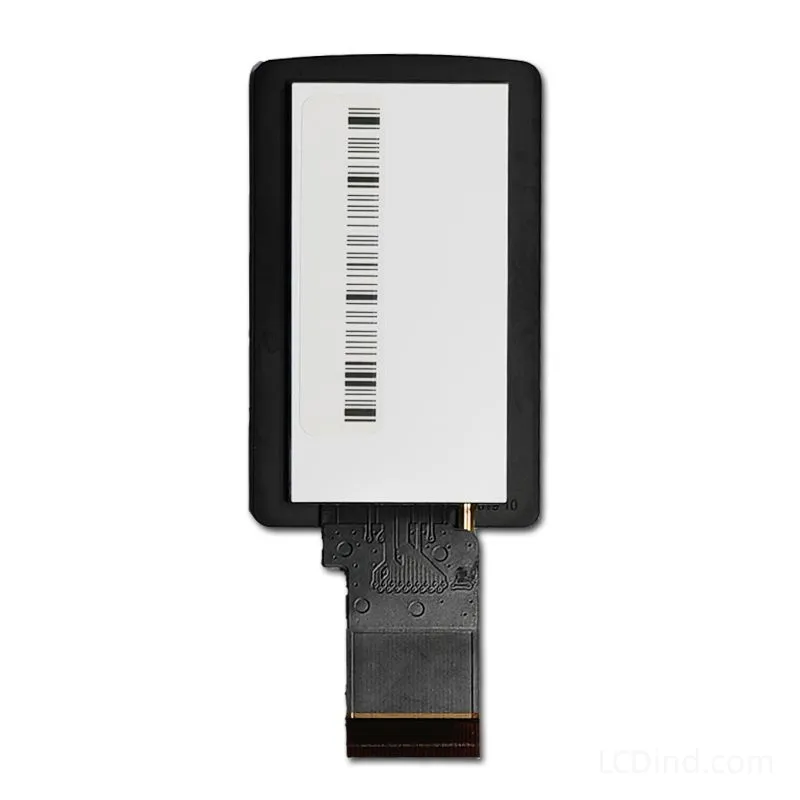
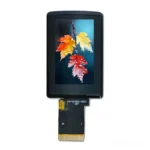
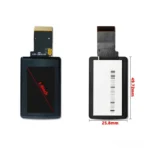
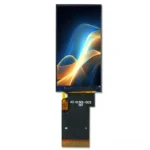
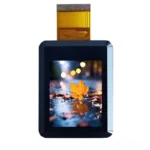
This 1.9 inch TFT LCD module is intended for compact field instruments that require a narrow 170×320 display, MCU interface, 500 nits brightness, and industrial operating range. The confirmed specifications include 1.9 inch size, 170×320 resolution, MCU interface, 500 nits brightness, no touch panel in standard configu
Product Attributes
| Brand | OEM / ODM |
|---|---|
| Size | 1.9 inch |
| Resolution | 170×320 |
| Interface | MCU |
| Brightness | High Brightness (500-900 nits) |
| Operating Temp | Industrial (-20 ℃ to +70 ℃) |
| Touchscreen | No Touch |
Description
1.9-Inch TFT LCD Module for Compact Field Instruments
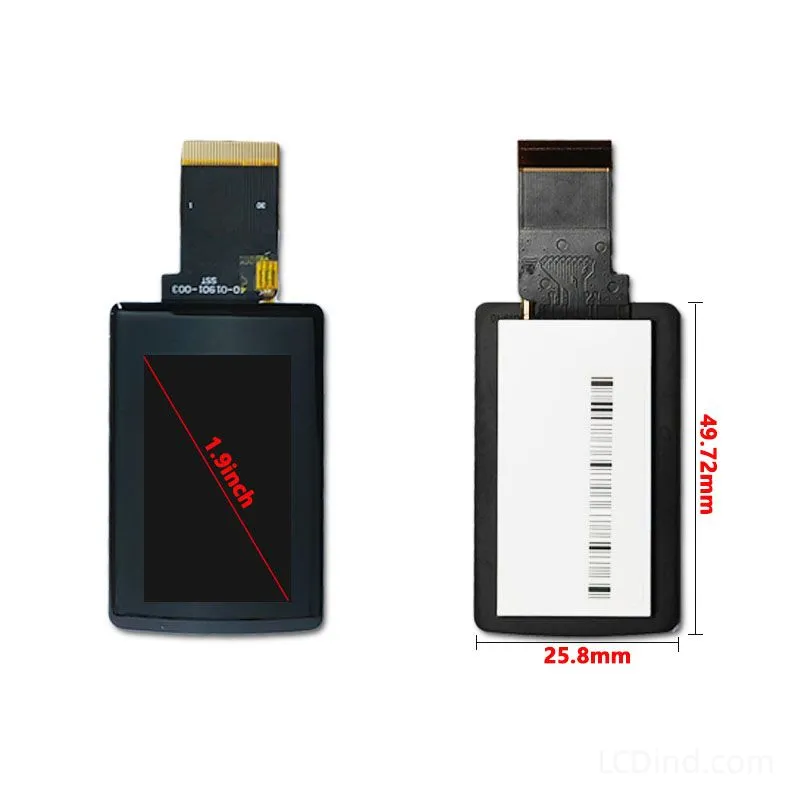
This 1.9 inch TFT LCD module is intended for compact field instruments that require a narrow 170×320 display, MCU interface, 500 nits brightness, and industrial operating range. The confirmed specifications include 1.9 inch size, 170×320 resolution, MCU interface, 500 nits brightness, no touch panel in standard configuration, -20 to +70 C operating range, 25.8 x 49.72 x 1.45 mm outline dimension, 22.7 x 44.72 mm active area, 3.3V power supply, and 20000 LED lifetime. The page is rewritten to separate this field-instrument use case from the similar bright compact devices model.
Technical Specifications
| Size | 1.9 inch |
|---|---|
| Resolution | 170×320 |
| Interface | MCU |
| Brightness | 500 nits |
| Touchscreen | No touch panel in standard configuration |
| Operating Temp | -20 to +70 C |
| Outline Dimension | 25.8 x 49.72 x 1.45 mm |
| Active Area | 22.7 x 44.72 mm |
| Power Supply | 3.3V |
| LED Lifetime | 20000 |
Field Instrument Context
Field instruments need displays that remain readable during setup, measurement, calibration, and service checks. This product is suited to compact instruments where the operator reads values at close range and may hold the device in one hand. The 170×320 portrait format can show a primary measurement, unit, battery status, signal condition, and short instruction without forcing a wide enclosure.
Mechanical and Protection Review
The 25.8 x 49.72 x 1.45 mm outline should be reviewed with the handheld housing, battery position, seal design, and front-window opening. The active area of 22.7 x 44.72 mm is slightly different from similar 1.9 inch products, so the visible window should be based on this page’s exact table rather than copied from another model. If the instrument needs a protective lens, test readability through the final lens.
MCU Interface and Power
The confirmed interface is MCU. Engineers should validate the command timing, initialization code, display orientation, backlight dimming, and behavior under low battery. The 3.3V power supply and 20000 LED lifetime should be checked against the product’s duty cycle. If the instrument spends long periods powered on, backlight drive and thermal behavior should be included in sample testing.
Application Scenarios
Typical uses include measurement instruments, calibration tools, inspection meters, compact analyzers, environmental sensors, portable data readers, and maintenance devices. The no-touch standard configuration can be appropriate for field instruments that use buttons, keypads, or sealed controls. This may improve reliability where gloves, moisture, dust, or accidental touches are concerns.
Procurement Notes
For RFQ, reference the exact title and SKU DS20104 if used internally, plus the table values for brightness, active area, power, and operating temperature. Because similar 1.9 inch models may have different active-area dimensions, purchasing should attach the mechanical drawing and confirm the intended product page rather than ordering by size alone.
Customization Options
LCDind can review FPC direction, connector requirements, cover lens, brightness target, bonding, packaging, and inspection criteria. If the field instrument needs a sealed front window, specify gasket, lens, chemical exposure, glove use, and cleaning method. These details affect the display stack more than the diagonal size alone.
Field-Instrument Readability Priorities
A field instrument display must communicate measured values quickly and consistently. Operators may read it while standing, holding the device, wearing gloves, or working near equipment. The 500 nits brightness supports better visibility than many small displays, while the portrait 170×320 resolution gives enough space for a main value, units, icons, and short prompts. The display should be evaluated with the actual fonts and screen colors used by the instrument, not only with factory demo images.
Why the Active Area Matters
This model lists a 22.7 x 44.72 mm active area, which is not the same as every other 1.9 inch display. That value affects the visible window, UI artwork, cover lens printing, and gasket placement. A small mismatch can make the finished instrument look poorly aligned even if the electrical performance is correct. Engineers and buyers should therefore attach the mechanical drawing during RFQ and avoid substituting another 1.9 inch display without checking the active area.
Button-Based Operation
Because the standard configuration has no touch panel, the product can be designed around buttons, keypads, or rotary controls. This is often appropriate for field instruments because physical controls can work better with gloves, moisture, or dust. The display UI should match the button logic: short menu labels, clear selected states, and visible confirmation after a key press. This improves usability without adding the risk and cost of a touch stack.
Long-Term Supply Review
Field instruments are often sold and serviced for several years. Before release, procurement should discuss annual forecast, packaging, revision control, and replacement strategy with LCDind. The display should be qualified not only as a sample but as a component in the complete supply chain. If the final product requires agency testing or customer approval, lock the display configuration before those approvals are performed.
RFQ Checklist
- Target quantity, annual forecast, and sample schedule.
- Mechanical drawing with active area, outline, mounting, and cable route.
- Host board, interface timing, voltage rails, and controller-board requirement.
- Brightness, lens, bonding, touch, and operating-environment requirements.
- Inspection standard, packaging requirement, and revision-control expectation.
Engineering FAQ
How is this different from the bright compact devices page?
This page focuses on field instruments and keeps the active area value from this product table: 22.7 x 44.72 mm. Similar 1.9 inch products should not be treated as mechanically identical.
Is touch recommended for field instruments?
The standard configuration has no touch panel. Buttons or sealed controls may be more reliable for gloves, dust, moisture, or outdoor service use.
What should be tested in samples?
Test readability, backlight behavior, low-battery operation, UI layout, front-lens clarity, and mechanical fit in the actual instrument housing.
What are the key confirmed specs?
1.9 inch size, 170×320 resolution, MCU interface, 500 nits brightness, -20 to +70 C operating range, 3.3V power, and 20000 LED lifetime.
Engineering Review Note
For quotation, send the product URL, target application, required quantity, and any existing drawing or replacement panel details. LCDind will review whether the standard configuration fits or whether interface, backlight, FPC, cover glass, touch, bonding, or controller-board customization should be quoted.
Additional information
| Brand | OEM / ODM |
|---|---|
| Size | 1.9 inch |
| Resolution | 170×320 |
| Interface | MCU |
| Brightness | High Brightness (500-900 nits) |
| Operating Temp | Industrial (-20 ℃ to +70 ℃) |
| Touchscreen | No Touch |
About brand
Source OEM / ODM LCD panels for OEM, replacement and industrial integration projects. Submit size, resolution, interface, brightness, lifecycle and annual quantity for review.
Engineering FAQ
Q: Can this 1.9 inch TFT LCD module be supplied with a touch screen?
A: The standard listing is No touch panel in standard configuration. LCDind can review resistive touch, capacitive touch, cover lens, bonding, and controller matching when the finished device needs operator input.
Q: What customization options are available for this display?
A: Common custom work includes brightness tuning, FPC length, connector direction, cover glass, logo placement, touch integration, bonding, packaging, and production inspection requirements.
Q: How should the MCU interface be confirmed?
A: Confirm timing, pinout, voltage, cable direction, firmware support, and EMC layout with the host board before sample approval. LCDind can review drawings and interface notes before production.
Q: Can the brightness be adjusted for a different environment?
A: The confirmed brightness is 500 nits. If the display is used behind cover glass or in stronger ambient light, share the target environment so LCDind can review backlight and thermal options.
Q: What information should buyers send for an RFQ?
A: Send quantity, forecast, interface, mechanical drawing, brightness target, touch requirement, operating temperature, logo needs, and any current panel model or datasheet.
Q: Is this display suitable for outdoor equipment?
A: This module is mainly for compact equipment and controlled-light use. For outdoor or direct-sunlight projects, LCDind should review brightness, cover glass, bonding, thermal design, and sealing requirements first.
Shipping and Delivery
Q: What is the MOQ?
A: The MOQ for our products is 1 piece. We are able to provide support throughout the testing process.
Q: What about the delivery time?
A: We have products in stock and can ship them within 3 working days.
Q: Does your product have any warranty?
A: Yes, we offer a warranty that ensures the LCD will function properly upon receipt. However, please note that we do not provide guarantees for any damage caused during use.
Q: What’s your payment method?
A: We accept several payment methods, including T/T (bank transfer), and PayPal.
Q: What’s your shipping method?
A: Thank you for your inquiry. We offer various shipping methods to suit different needs.
For small quantity orders, we use UPS Air-Express, DHL, FedEx, TNT, or EMS Express service. These options are safe and fast.
For large quantity orders, we typically work with the buyer’s cargo agent in China. Alternatively, we can arrange for air or sea transportation.
Please let us know your preferred shipping method and we will do our best to accommodate your request.
Q: Do you offer custom solution?
A: Yes, we offer custom solutions if our standard products do not meet the buyer’s requirements. Please let us know your specific needs, and we will work with you to create a tailored solution that meets your business needs.
Q: How to Contact us?
A: Send your Inquiry Details in the Below, Click “Send” Now!