13
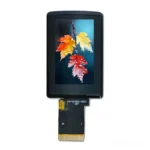
Description
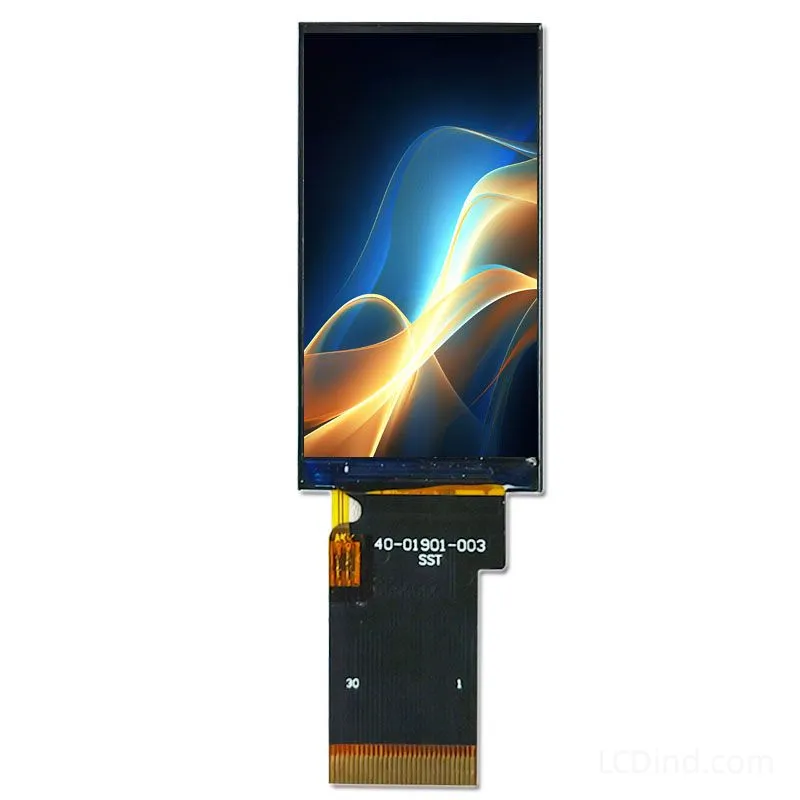
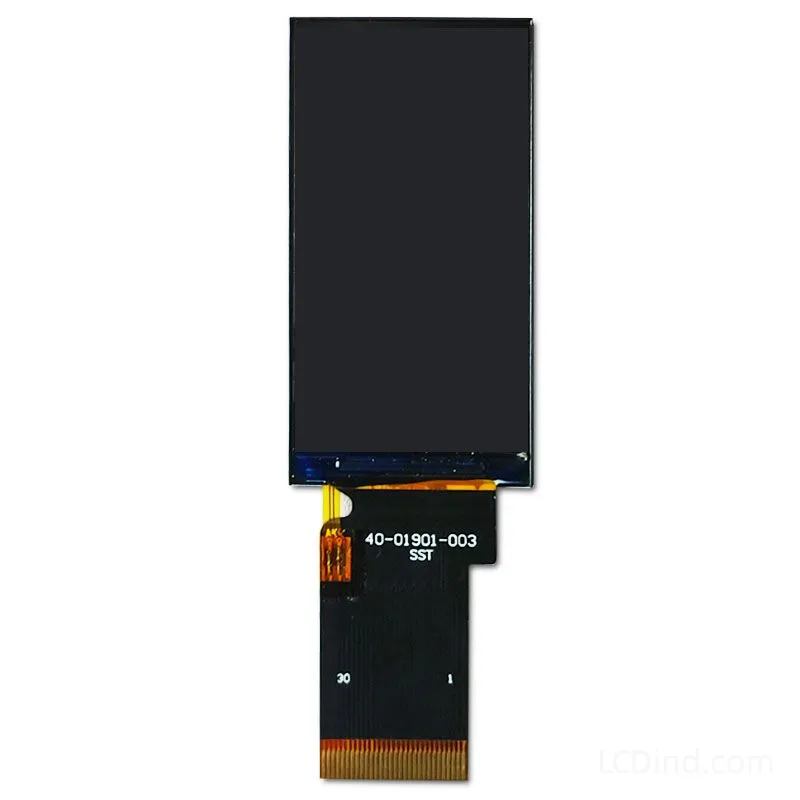
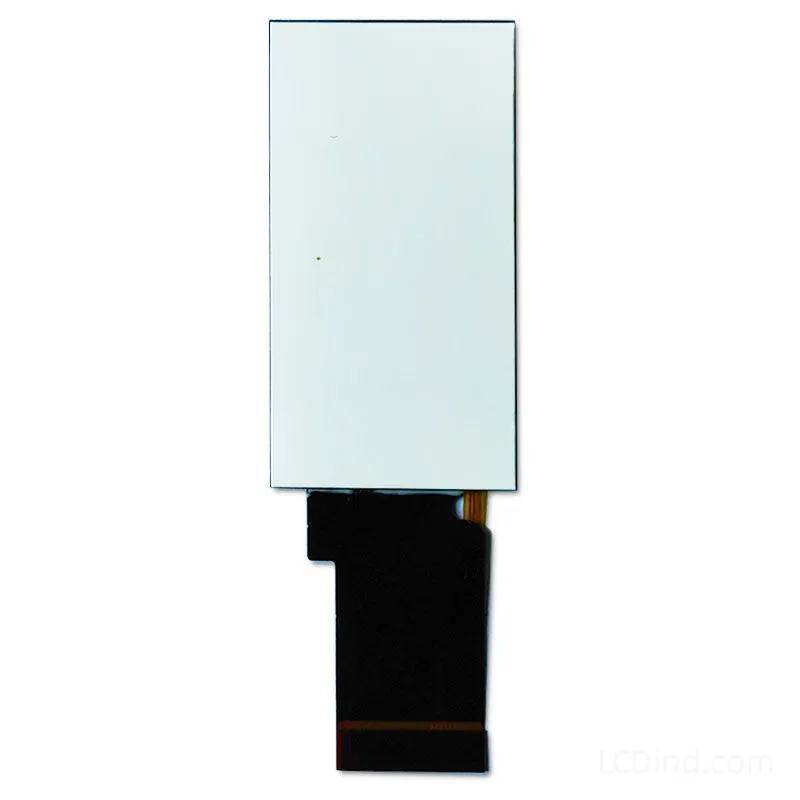
1.9-Inch 500-Nit TFT LCD Module for Bright Compact Devices
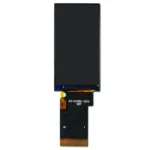
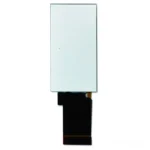
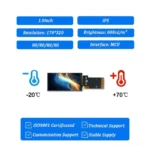
This 1.9 inch TFT LCD module is a bright compact display option for OEM devices that need a narrow 170×320 screen, MCU/SPI interface, and higher brightness than many standard small modules. The confirmed data includes 1.9 inch size, 170×320 resolution, MCU/SPI interface, 500 nits brightness, no touch panel in standard configuration, -20 to +70 C operating range, 25.8 x 49.72 x 1.45 mm outline dimension, 22.7 x 42.5 mm active area, 3.3V power supply, 20000 LED lifetime, and SKU DS20003. The panel model field is blank and should not be treated as a confirmed supplier code.
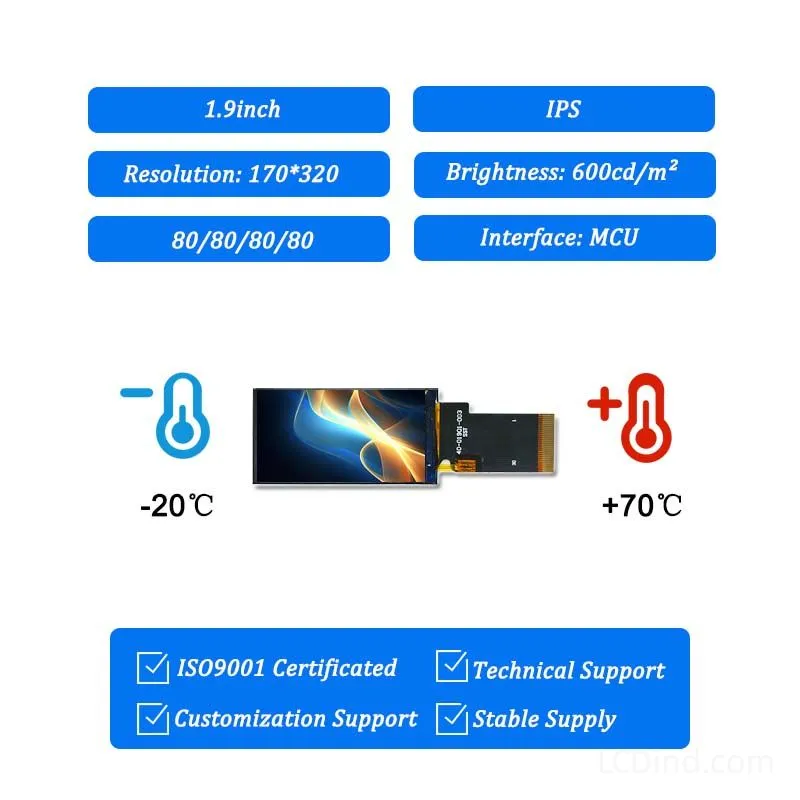
Technical Specifications
| Size | 1.9 inch |
|---|---|
| Resolution | 170×320 |
| Interface | MCU/SPI |
| Brightness | 500 nits |
| Touchscreen | No touch panel in standard configuration |
| Operating Temp | -20 to +70 C |
| Outline Dimension | 25.8 x 49.72 x 1.45 mm |
| Active Area | 22.7 x 42.5 mm |
| Power Supply | 3.3V |
| LED Lifetime | 20000 |
| Panel Model |
Brightness-Oriented Use Case
The 500 nits brightness makes this display suitable for compact equipment that may be used in brighter indoor spaces, workshops, vehicles, or semi-outdoor service conditions. It does not automatically make the product sunlight-readable in every enclosure, but it gives more optical headroom than a low-brightness miniature display. Final readability still depends on cover lens, viewing angle, background color, font size, and ambient light.
Mechanical Fit
The 25.8 x 49.72 x 1.45 mm outline is useful for slim vertical devices. The 22.7 x 42.5 mm active area should guide the visible window and UI layout. Because the standard configuration has no touch panel, the front cover can be optimized for protection and clarity rather than touch sensitivity unless customization is requested. Confirm FPC route, connector clearance, and enclosure pressure before tooling.
MCU/SPI Interface Planning
The MCU/SPI interface description should be reviewed with the host board during RFQ. Engineers should confirm which interface mode will be used, pin assignment, initialization code, frame update requirement, and logic voltage. If the product will run from battery, backlight current and dimming behavior should be validated together with the 3.3V power plan.
Application Scenarios
This display fits compact industrial controllers, battery-powered tools, handheld instruments, service terminals, compact smart equipment, narrow status panels, and portable diagnostic products. The 170×320 resolution supports vertical menus, large values, icons, bar indicators, and short status lines. It is useful when a device needs a professional-looking screen but cannot support a larger module.
Procurement Guidance
Use SKU DS20003 and the confirmed table values when requesting quotation. The blank panel model field should be left blank rather than filled with an assumed code. Procurement should ask for sample lead time, production availability, backlight confirmation, inspection standard, and whether customized FPC or cover lens options are required.
Customization Review
LCDind can review FPC length, connector direction, brightness tuning, cover lens, AG/AR/AF surface treatment, optical bonding, and packaging. If the buyer later needs touch, it should be evaluated as a custom stack because the standard configuration is listed as no touch panel.
When the 500-Nit Version Adds Value
The 500 nits brightness is valuable when the device must remain legible in brighter indoor areas, service vans, production floors, or equipment with a protective front window. It should be selected when the project needs extra optical margin in a compact form factor. It should not be described as a universal sunlight-readable solution without checking the final cover and ambient light. For many B2B products, this display sits between low-cost miniature TFTs and fully rugged sunlight-readable assemblies.
No-Touch Standard Configuration
The table confirms no touch panel in the standard configuration. That can be an advantage for industrial products that use physical keys, rotary controls, or sealed buttons. It can reduce false operation, improve sealing options, and simplify the front stack. If touch is later requested, the project should be reviewed as a different assembly with cover glass, touch sensor, controller, grounding, and EMC requirements. Procurement should not assume that adding touch is only a minor accessory change.
Integrating MCU/SPI Into Product Firmware
Because the interface is listed as MCU/SPI, the RFQ should clarify which host interface will be used in the final device. The difference can affect pinout, refresh speed, firmware driver work, and controller compatibility. Engineers should confirm startup logo behavior, backlight dimming, display sleep, and whether the screen must update while the device is sampling data or communicating with other modules.
Procurement Risk Reduction
For a production order, request confirmation of the exact SKU DS20003 configuration, brightness, outline drawing, active area, operating temperature, and LED lifetime. If the display will be used in several compact devices, ask whether LCDind can support stable supply and controlled revisions. The blank panel model field should not be filled from memory or from another supplier page, because that can create confusion during engineering approval and incoming inspection.
Visual-Branding Use
A brighter compact TFT also helps equipment manufacturers present a cleaner local interface on premium tools and controllers. Keep icons simple, use high-contrast colors, and avoid dense copy so the screen remains practical under real working light.
RFQ Checklist
- Target quantity, annual forecast, and sample schedule.
- Mechanical drawing with active area, outline, mounting, and cable route.
- Host board, interface timing, voltage rails, and controller-board requirement.
- Brightness, lens, bonding, touch, and operating-environment requirements.
- Inspection standard, packaging requirement, and revision-control expectation.
Engineering FAQ
Is 500 nits enough for direct sunlight?
Not necessarily. It improves brightness for compact devices, but direct sunlight requires review of cover lens, bonding, heat, and readability targets.
Is touch included?
No. The confirmed table states no touch panel in standard configuration.
What interface should be specified?
Use MCU/SPI as the starting point, then confirm the exact interface mode, pinout, and firmware timing during RFQ.
What is the correct product reference?
Use SKU DS20003 with the listed size, resolution, brightness, dimensions, and power supply.
Engineering Review Note
For quotation, send the product URL, target application, required quantity, and any existing drawing or replacement panel details. LCDind will review whether the standard configuration fits or whether interface, backlight, FPC, cover glass, touch, bonding, or controller-board customization should be quoted.
Additional information
| Brand | OEM / ODM |
|---|---|
| Size | 1.9 inch |
| Resolution | 170×320 |
| Interface | MCU |
| Brightness | High Brightness (500-900 nits) |
| Operating Temp | Industrial (-20 ℃ to +70 ℃) |
| Touchscreen | No Touch |
| Viewing Direction |
About brand
Source OEM / ODM LCD panels for OEM, replacement and industrial integration projects. Submit size, resolution, interface, brightness, lifecycle and annual quantity for review.
Engineering FAQ
Q: Can this 1.9 inch TFT LCD module be supplied with a touch screen?
A: The standard listing is No touch panel in standard configuration. LCDind can review resistive touch, capacitive touch, cover lens, bonding, and controller matching when the finished device needs operator input.
Q: What customization options are available for this display?
A: Common custom work includes brightness tuning, FPC length, connector direction, cover glass, logo placement, touch integration, bonding, packaging, and production inspection requirements.
Q: How should the MCU/SPI interface be confirmed?
A: Confirm timing, pinout, voltage, cable direction, firmware support, and EMC layout with the host board before sample approval. LCDind can review drawings and interface notes before production.
Q: Can the brightness be adjusted for a different environment?
A: The confirmed brightness is 500 nits. If the display is used behind cover glass or in stronger ambient light, share the target environment so LCDind can review backlight and thermal options.
Q: What information should buyers send for an RFQ?
A: Send quantity, forecast, interface, mechanical drawing, brightness target, touch requirement, operating temperature, logo needs, and any current panel model or datasheet.
Q: Is this display suitable for outdoor equipment?
A: This module is mainly for compact equipment and controlled-light use. For outdoor or direct-sunlight projects, LCDind should review brightness, cover glass, bonding, thermal design, and sealing requirements first.
Shipping and Delivery