13
2.8 Inch TFT LCD Module for Small Industrial HMI
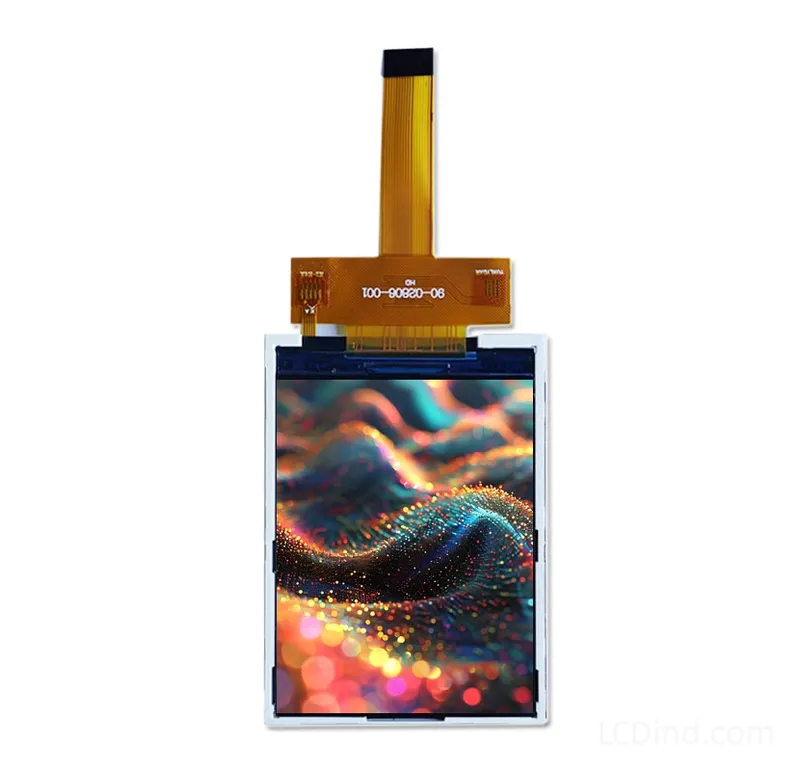
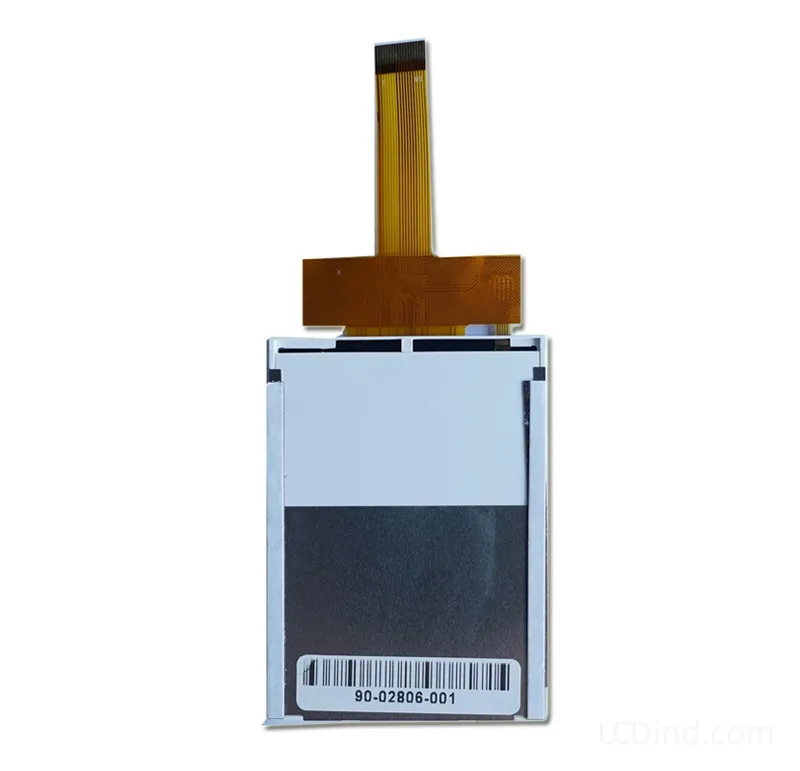
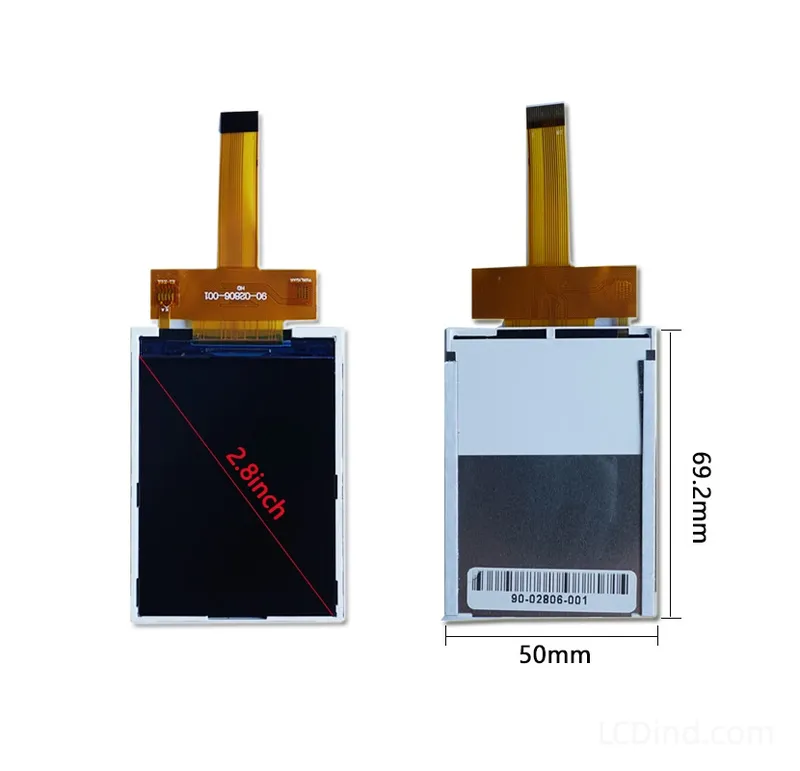
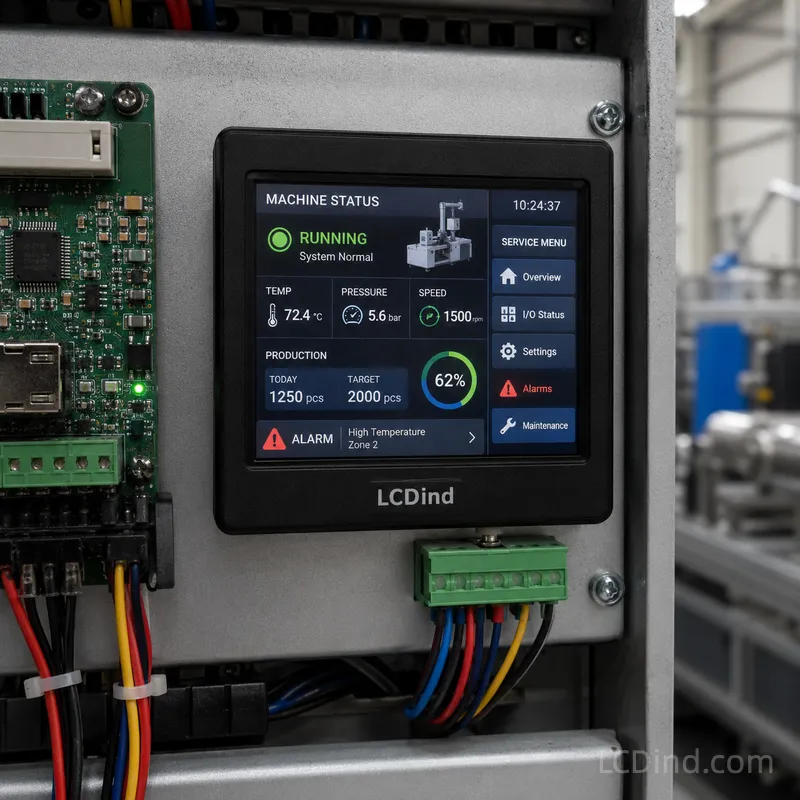
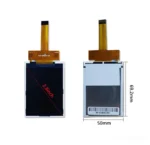
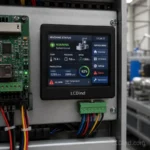
2.8-inch 240×320 MCU TFT LCD module for small industrial HMI panels, with 350-nit brightness, 3.3V supply, -20°C to +70°C operation, 50 x 69.2 x 2.25 mm outline, 43.2 x 57.6 mm active area, 20000-hour LED lifetime, and no touch panel in the standard configuration.
Product Attributes
| Brand | OEM / ODM |
|---|---|
| Size | 2.8 inch |
| Resolution | 240×320 |
| Interface | MCU |
| Brightness | Standard (200-450 nits) |
| Operating Temp | Industrial (-20 ℃ to +70 ℃) |
| Touchscreen | No Touch |
Description
2.8-Inch MCU TFT LCD for Small Industrial HMI Panels
This 2.8-inch TFT LCD module is intended for small industrial HMI panels where the display must fit into a compact enclosure but still show more than a basic status LED or character screen. The confirmed configuration includes 240×320 resolution, MCU interface, 350-nit brightness, 3.3V supply, -20°C to +70°C operating range, 50 x 69.2 x 2.25 mm outline, 43.2 x 57.6 mm active area, 20000-hour LED lifetime, and no touch panel in the standard configuration.
The most suitable projects are small controller fronts, service panels, compact parameter screens, instrument subpanels, embedded setup displays, and machine modules where the operator needs a local visual interface near the equipment. A 2.8-inch screen should not be treated as a miniature tablet. It works best when the UI is focused: a primary value, one operating state, a short alarm line, and a simple navigation path. If the interface needs dense charts, long tables, or multiple windows, a larger display should be considered.
Verified Configuration
| Size | 2.8 inch |
|---|---|
| Resolution | 240×320 |
| Interface | MCU |
| Brightness | 350 nits |
| Touchscreen | No touch panel in standard configuration |
| Operating Temperature | -20°C to +70°C |
| Outline Dimension | 50 x 69.2 x 2.25 mm |
| Active Area | 43.2 x 57.6 mm |
| Power Supply | 3.3V |
| LED Lifetime | 20000 hours |
Small HMI Application Fit
This module fits compact industrial products that need clear local feedback without the size, cost, and software work of a larger HMI. Typical use cases include pump controllers, sensor readouts, portable test fixtures, small environmental controllers, charging or power modules, machine accessory panels, and service tools. The 240×320 portrait format gives enough room for value display, state labels, icons, menu prompts, and warning messages if the screen design is disciplined.
The display is especially useful when the equipment already has physical controls. The standard module does not include touch, so button navigation, membrane keys, a rotary knob, or a dedicated confirm/cancel layout should be planned with the screen content. In many industrial products this is a benefit: physical controls can be easier to use with gloves and can reduce accidental input in a maintenance environment.
MCU Interface Planning
The MCU interface should be reviewed with the host board before sample approval. Confirm the bus timing, data width, pin assignment, initialization sequence, reset behavior, voltage level, backlight control, and update frequency. A small display can still create firmware problems if the host controller has limited memory or if the UI is expected to refresh too frequently. Define whether the screen updates only on menu changes or whether it must show live values continuously.
Because the display runs from a 3.3V supply, the power rail and signal levels should be checked with the rest of the embedded design. If the module sits near relays, switching supplies, motors, or radio modules, review signal routing and grounding. The FPC should not be routed as a last-minute mechanical detail; connector access, bend radius, and service replacement should be part of the board and enclosure review.
Mechanical and Optical Review
The outline dimension is 50 x 69.2 x 2.25 mm, while the active area is 43.2 x 57.6 mm. The enclosure window should expose the visible area cleanly and hide the non-viewable margins. The module should be supported without pressure points on the glass, and the FPC should be protected during assembly. If the panel is installed behind a protective lens or tinted window, the 350-nit brightness should be evaluated with the final front stack, not only as a bare display.
The -20°C to +70°C operating range is suitable for many indoor industrial devices and controlled equipment environments. Actual display temperature can be affected by sealed housings, power electronics, and backlight duty cycle. If the product runs continuously, the 20000-hour LED lifetime should be considered in the maintenance and warranty plan.
Sample Approval Checks
Sample approval should include a real screen workflow, not only a power-on photo. Check the display with the planned front label, button layout, bezel, and cable route. Confirm whether the operator can read the main value quickly, whether alarms remain obvious, and whether the display is serviceable after the enclosure is assembled. For production programs, record the approved backlight setting, host initialization code, connector orientation, and inspection criteria so later purchases do not drift from the validated configuration.
When to Request Custom Work
Ask for customization review if the project needs a different FPC exit, longer cable, connector change, cover lens, touch panel, logo printing, brighter backlight, or stricter packaging requirement. These decisions should be made before pilot production because each one can affect enclosure clearance, electrical validation, and repeat supply. Treat the display as part of the HMI system rather than a generic replacement screen.
RFQ and Sample Inputs
For a useful review, send the HMI screen map, host MCU details, drawing, display opening, input method, lighting condition, operating temperature, sample schedule, and forecast quantity. If the project may later need touch, a different FPC direction, connector adjustment, cover lens, or brightness change, identify that before pilot production. LCDind can then confirm whether this standard 2.8-inch module is suitable as-is or whether a custom assembly is required.
For comparison against other 2.8-inch modules, keep the screen intent specific: small HMI status and control feedback. Do not approve a substitute only because the diagonal size matches; confirm resolution, MCU timing, outline, active area, power, temperature range, and no-touch input plan.
FAQ for Small Industrial HMI Projects
Is this display suitable for touch-based HMI?
No, not in the standard configuration. It is listed as no touch, so physical controls or a separately engineered touch stack should be planned.
Is 350 nits enough for industrial use?
It can be suitable for indoor or controlled-light equipment. If the screen sits behind a lens or in bright ambient light, test the final optical stack.
What should be confirmed before PCB release?
Confirm MCU timing, pinout, voltage, reset sequence, backlight control, connector location, and FPC route before committing the host board.
What information should be sent for quotation?
Send drawings, interface notes, screen workflow, input method, environment, annual forecast, sample quantity, and any customization requirements.
Additional information
| Brand | OEM / ODM |
|---|---|
| Size | 2.8 inch |
| Resolution | 240×320 |
| Interface | MCU |
| Brightness | Standard (200-450 nits) |
| Operating Temp | Industrial (-20 ℃ to +70 ℃) |
| Touchscreen | No Touch |
About brand
Source OEM / ODM LCD panels for OEM, replacement and industrial integration projects. Submit size, resolution, interface, brightness, lifecycle and annual quantity for review.
Engineering FAQ
Q: Can this 2.8 inch TFT LCD module be supplied with a touch screen?
A: The standard listing is No touch panel in standard configuration. LCDind can review resistive touch, capacitive touch, cover lens, bonding, and controller matching when the finished device needs operator input.
Q: What customization options are available for this display?
A: Common custom work includes brightness tuning, FPC length, connector direction, cover glass, logo placement, touch integration, bonding, packaging, and production inspection requirements.
Q: How should the MCU interface be confirmed?
A: Confirm timing, pinout, voltage, cable direction, firmware support, and EMC layout with the host board before sample approval. LCDind can review drawings and interface notes before production.
Q: Can the brightness be adjusted for a different environment?
A: The confirmed brightness is 350 nits. If the display is used behind cover glass or in stronger ambient light, share the target environment so LCDind can review backlight and thermal options.
Q: What information should buyers send for an RFQ?
A: Send quantity, forecast, interface, mechanical drawing, brightness target, touch requirement, operating temperature, logo needs, and any current panel model or datasheet.
Q: Is this display suitable for outdoor equipment?
A: This module is mainly for compact equipment and controlled-light use. For outdoor or direct-sunlight projects, LCDind should review brightness, cover glass, bonding, thermal design, and sealing requirements first.
Shipping and Delivery
Q: What is the MOQ?
A: The MOQ for our products is 1 piece. We are able to provide support throughout the testing process.
Q: What about the delivery time?
A: We have products in stock and can ship them within 3 working days.
Q: Does your product have any warranty?
A: Yes, we offer a warranty that ensures the LCD will function properly upon receipt. However, please note that we do not provide guarantees for any damage caused during use.
Q: What’s your payment method?
A: We accept several payment methods, including T/T (bank transfer), and PayPal.
Q: What’s your shipping method?
A: Thank you for your inquiry. We offer various shipping methods to suit different needs.
For small quantity orders, we use UPS Air-Express, DHL, FedEx, TNT, or EMS Express service. These options are safe and fast.
For large quantity orders, we typically work with the buyer’s cargo agent in China. Alternatively, we can arrange for air or sea transportation.
Please let us know your preferred shipping method and we will do our best to accommodate your request.
Q: Do you offer custom solution?
A: Yes, we offer custom solutions if our standard products do not meet the buyer’s requirements. Please let us know your specific needs, and we will work with you to create a tailored solution that meets your business needs.
Q: How to Contact us?
A: Send your Inquiry Details in the Below, Click “Send” Now!