13
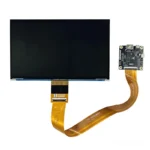
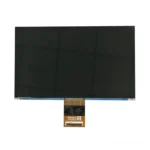
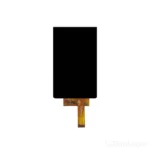
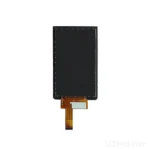
Sunlight Readable Display 3.45 inch 500 nits RGB Interface
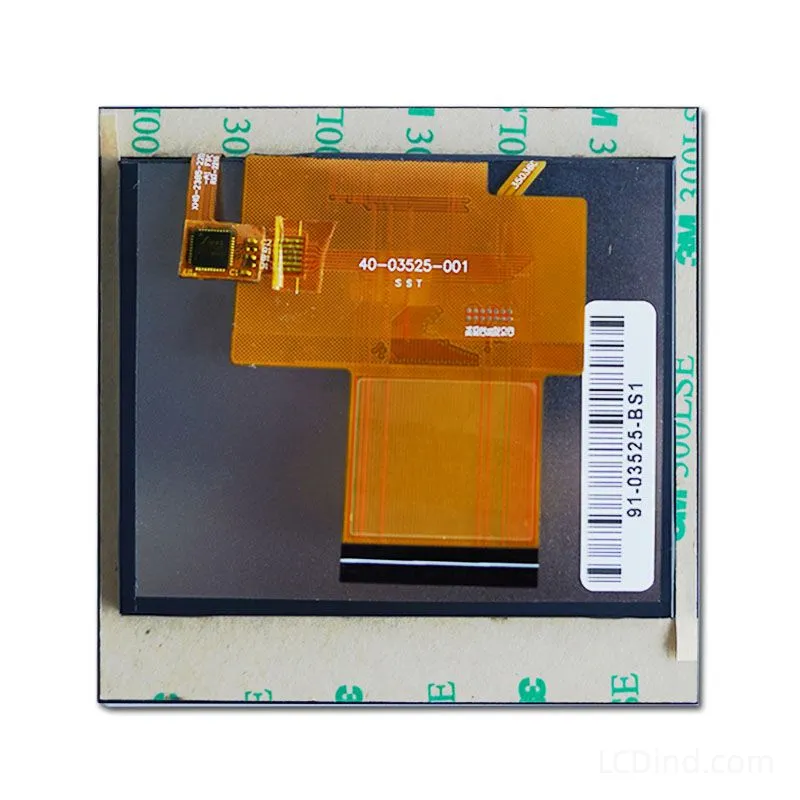
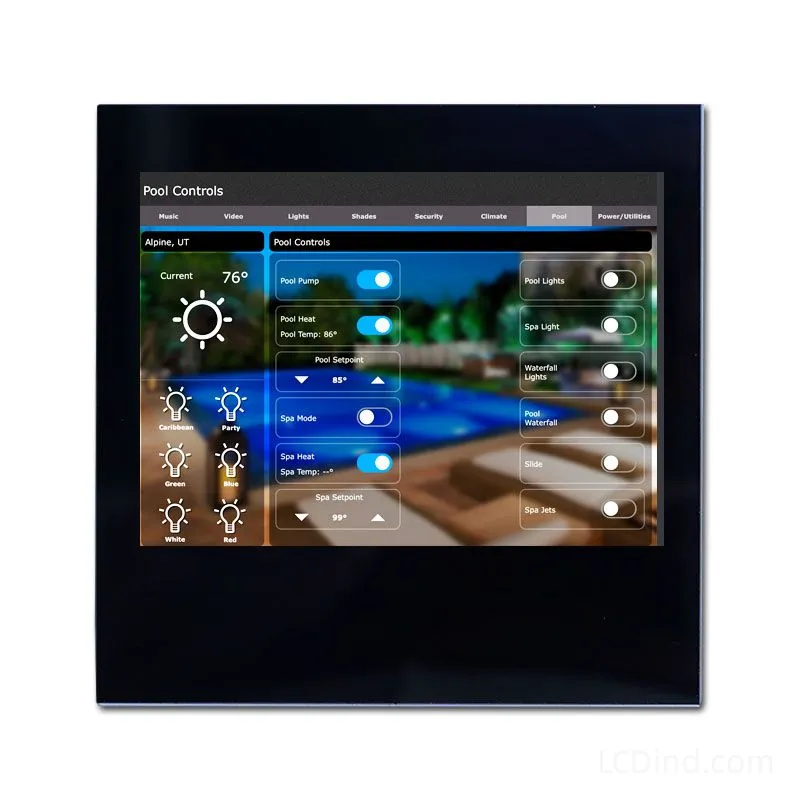
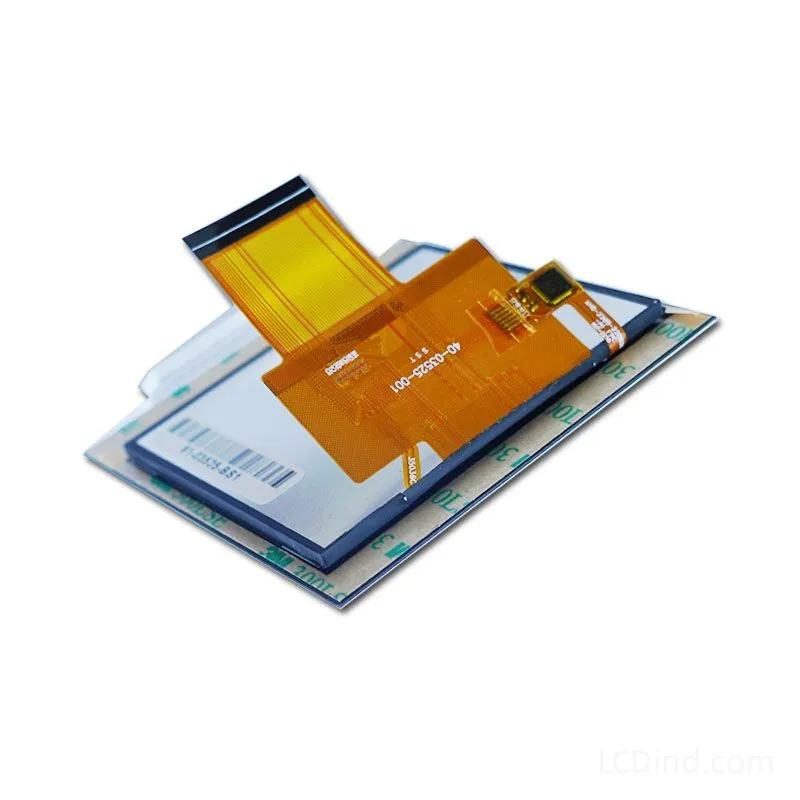
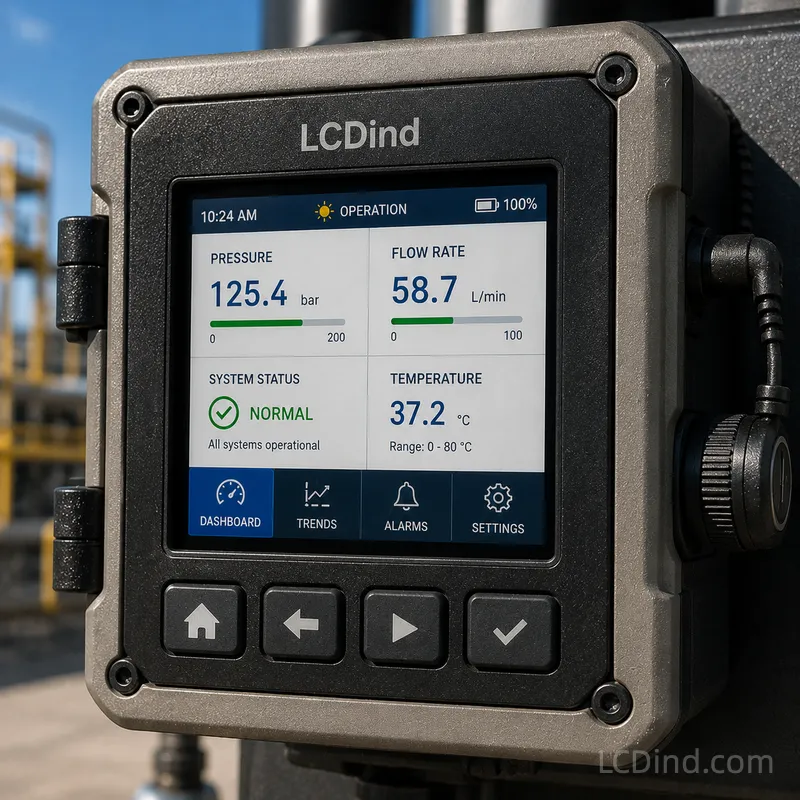
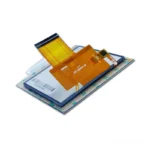
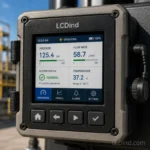
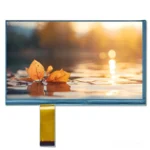
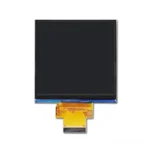
3.45 inch 320×240 RGB high-brightness LCD with 500 nits brightness, all-direction viewing, optional touch support and -30 to 80 °C operation.
Product Attributes
| Brand | OEM / ODM |
|---|---|
| Size | 3.45 inch |
| Resolution | 320×240 |
| Interface | |
| Brightness | High Brightness (500-900 nits) |
| Operating Temp | Ultra Wide / Automotive (-30 ℃ to +85 ℃) |
| Touchscreen | Optional Touchscreen |
| Viewing Direction |
Description
3.45 Inch 500-Nit RGB LCD for Portable Outdoor Instruments
This 3.45 inch display is a compact high-brightness RGB LCD for portable outdoor instruments, field data devices, handheld service terminals and compact charging or industrial controls. The public specification lists 320×240 resolution, RGB interface, 500 nits brightness, all viewing directions, optional touch support, -30 to 80 °C operating and storage temperature, 48.2×68.3×2.45 mm outline, 70.08×52.56 mm active area, 1200:1 contrast, 3.3V power supply, 30000-hour LED lifetime and panel model 91-03525-BS1. One data point requires engineering review: the active area appears larger than the listed outline, so final mechanical approval must rely on the current drawing rather than the public summary alone.
The product is positioned as sunlight-readable or high-brightness, but 500 nits should still be treated as an engineering input, not a guarantee for every outdoor condition. Real readability depends on sunlight angle, cover-lens reflection, anti-glare treatment, UI contrast, viewing distance, enclosure angle and thermal limits. For portable equipment, the display may be used under mixed conditions: shaded outdoor sites, vehicles, factory entrances or bright inspection benches. Sample testing should cover the real front window and operating position.
RGB interface requires host-side timing and signal planning. Confirm pixel clock, sync signals, data width, voltage, connector, cable route, backlight enable and EMI behavior. A small display can still fail qualification if the RGB cable is too long, routed near noisy electronics or controlled by a host that cannot provide stable timing. If the product is battery powered, also check the effect of backlight duty cycle on run time and internal heat.
The 320×240 resolution is appropriate for compact instruments that show a main reading, status icon, short menu, alarm and a few secondary values. It is not meant for dense graphics or long text pages. The UI should use large values, clear units and high contrast. If optional touch is required, the design should specify resistive or capacitive technology, cover-lens thickness, controller interface, bonding method and glove or water behavior. Touch can reduce brightness and change stack height, so it should be evaluated as part of the production assembly.
The wide -30 to 80 °C operating range is useful for field equipment, but the finished device still needs system validation. Check cold start, high-temperature operation, lens expansion, gasket pressure, cable stress and backlight behavior. If the product is sealed or used in direct sun, the internal display temperature may exceed ambient. LCDind should receive the enclosure and operating duty cycle for review.
RFQ Checklist
- Outdoor use case, sunlight exposure, viewing distance and front-lens material.
- Host RGB timing, voltage, connector, cable length and backlight-control method.
- Current mechanical drawing to resolve active-area and outline dimensions.
- Touch requirement, including technology, cover glass, glove or water behavior.
- Temperature range, battery budget, duty cycle and qualification tests.
- Sample quantity, annual forecast and target production date.
Engineering FAQ
Is 500 nits enough for direct sunlight? It may help in bright environments, but direct sunlight depends on optical stack, reflections and UI contrast.
Can this be treated as plug-and-play? No. RGB timing, pinout, voltage and backlight control must match the host.
Why mention the active-area anomaly? The public active-area and outline values appear inconsistent. Final approval must use the latest drawing.
Is touch included? Touch support is available, but the final touch assembly must be defined in the RFQ.
What is the main risk in field equipment? Brightness, thermal rise, cable stress and cover-lens reflection are common risks.
Engineering Review Note
This 3.45 inch RGB LCD should be reviewed for compact field instruments where high brightness and wide temperature are needed. Send LCDind the current drawing, host RGB details, optical stack and touch requirement before sample approval.
Prototype Validation and Drawing Control
Because the public dimensional values need drawing confirmation, sample approval should start with the latest mechanical drawing. Check active-area position, outline size, connector location, FPC route and visible-window tolerance before any enclosure tooling. The display should then be tested with the real RGB host and front lens under the expected lighting. Confirm stable timing, color order, backlight control, thermal behavior, startup and recovery after power interruption. If optional touch is required, repeat the optical test after the touch and cover-lens stack is added.
For portable outdoor instruments, power budget matters. A 500-nit backlight may improve readability but can reduce battery run time and increase internal temperature. Define whether the product needs maximum brightness continuously, automatic dimming, manual dimming or a protected high-brightness mode. LCDind should receive that duty cycle with the RFQ so the quotation and sample recommendation match the real field use rather than a simple brightness target.
If the final application is a handheld field instrument, also review drop shock, cable retention and whether the display remains readable when the operator holds the device at an angle. For a panel-mounted outdoor control, evaluate gasket pressure and water path around the front window. These mechanical details often decide whether a small high-brightness display survives repeat production.
For quotation, separate the standard LCD from optional touch and cover-glass work. If the customer expects LCDind to provide an outdoor-ready front assembly, the RFQ should include lens material, thickness, border printing, bonding method and target environmental test. If the buyer only needs the bare RGB panel, that scope should also be stated clearly.
For replacement work, include photographs of the connector, cable exit and current front window so LCDind can compare the real assembly rather than only the public size and resolution.
Additional information
| Brand | OEM / ODM |
|---|---|
| Size | 3.45 inch |
| Resolution | 320×240 |
| Interface | |
| Brightness | High Brightness (500-900 nits) |
| Operating Temp | Ultra Wide / Automotive (-30 ℃ to +85 ℃) |
| Touchscreen | Optional Touchscreen |
| Viewing Direction |
About brand
Source OEM / ODM LCD panels for OEM, replacement and industrial integration projects. Submit size, resolution, interface, brightness, lifecycle and annual quantity for review.
Engineering FAQ
Q: What type of equipment project is this 3.45 inch Sunlight Readable TFT LCD Display 320x240 RGB suitable for?
A: This sunlight readable display is best considered for portable outdoor instruments, handheld service terminals, compact charging controls, and field data devices. LCDind recommends confirming annual quantity, enclosure design, host interface, brightness target, and operating environment before moving from samples to batch orders.
Q: What interface should the OEM mainboard support?
A: The RGB/TTL interface works well with MCU and embedded controller designs that need direct parallel display control and stable timing validation. Please confirm pin assignment, connector type, voltage, timing, cable direction, and controller-board requirements during engineering review.
Q: Is this display suitable for outdoor or high-ambient-light equipment?
A: The 500 nits brightness level is suitable for bright indoor equipment and controlled-light terminals, with optional upgrades available when the project needs stronger daylight readability. For demanding outdoor or sunlight-readable equipment, LCDind can review target nits, AG/AR cover glass, optical bonding, thermal design, and backlight lifetime for the production environment.
Q: Can LCDind support touch, cover glass, or module customization for batch production?
A: The touch configuration is listed as Touch panel support available, so LCDind can review cover glass, optical bonding, coating, FPC, and controller matching for repeat production. LCDind can evaluate capacitive touch, resistive touch, cover-glass thickness, bonding, coating, FPC changes, cable length, and production consistency requirements.
Q: What information should procurement provide for a factory quotation?
A: Please share target application, annual forecast, first order quantity, host interface, mechanical drawing, brightness requirement, operating temperature -30 to +80°C, certification needs, delivery schedule, and whether pre-production samples are required.
Shipping and Delivery
Q: What is the MOQ?
A: The MOQ for our products is 1 piece. We are able to provide support throughout the testing process.
Q: What about the delivery time?
A: We have products in stock and can ship them within 3 working days.
Q: Does your product have any warranty?
A: Yes, we offer a warranty that ensures the LCD will function properly upon receipt. However, please note that we do not provide guarantees for any damage caused during use.
Q: What’s your payment method?
A: We accept several payment methods, including T/T (bank transfer), and PayPal.
Q: What’s your shipping method?
A: Thank you for your inquiry. We offer various shipping methods to suit different needs.
For small quantity orders, we use UPS Air-Express, DHL, FedEx, TNT, or EMS Express service. These options are safe and fast.
For large quantity orders, we typically work with the buyer’s cargo agent in China. Alternatively, we can arrange for air or sea transportation.
Please let us know your preferred shipping method and we will do our best to accommodate your request.
Q: Do you offer custom solution?
A: Yes, we offer custom solutions if our standard products do not meet the buyer’s requirements. Please let us know your specific needs, and we will work with you to create a tailored solution that meets your business needs.
Q: How to Contact us?
A: Send your Inquiry Details in the Below, Click “Send” Now!