13


Description
0.96-Inch Round TFT Display for Smart Appliance Control Dials
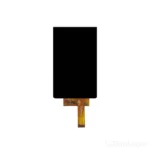
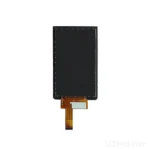
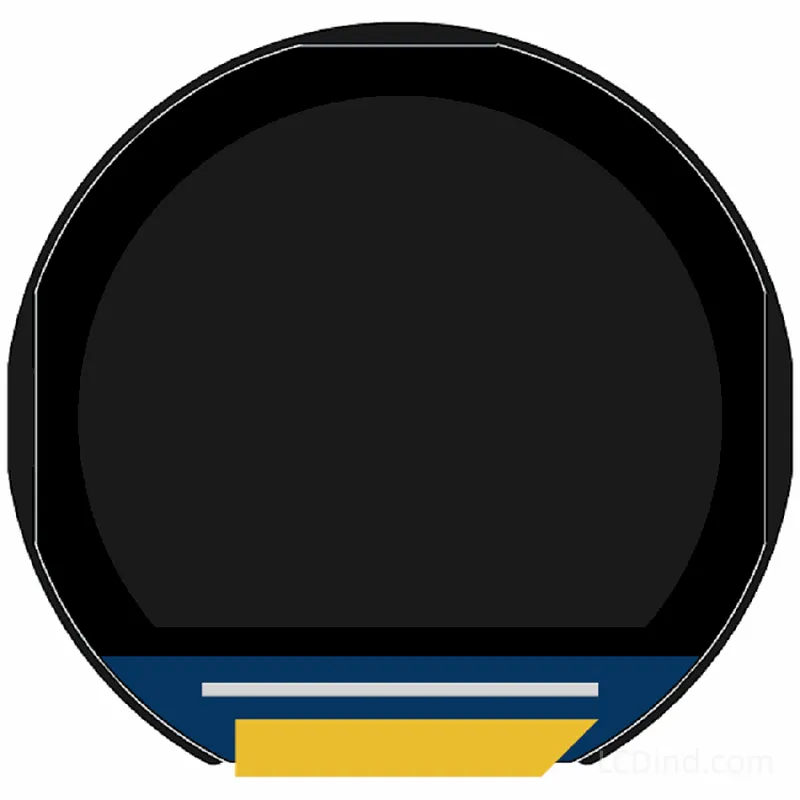
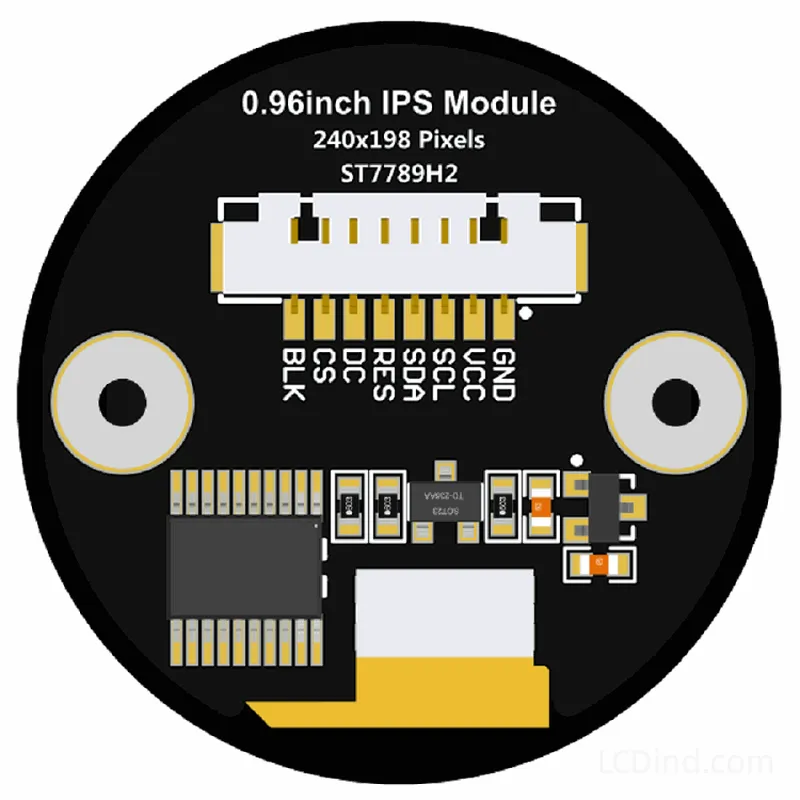
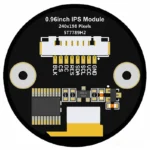
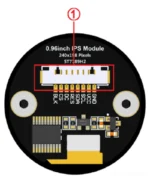
This 0.96 inch round TFT display is positioned for appliance control dials, compact smart equipment, and embedded front panels where the display becomes part of the control identity. The confirmed data includes 0.96 inch size, 240×198 resolution, 4-Line SPI interface, 300 nits brightness, -10 to +60 C operating range, NO Glass Cover Plate:29.73(W)x28.14(H)x6.66(D)(Including positioning columns) mm outline dimension, 24.408(W)x20.137(H) mm active area, 5.0 V/3.3V power input, and LCDind model LCDind-DS20200. Touchscreen and LED lifetime values are not confirmed in the current table and should be handled as RFQ review items.
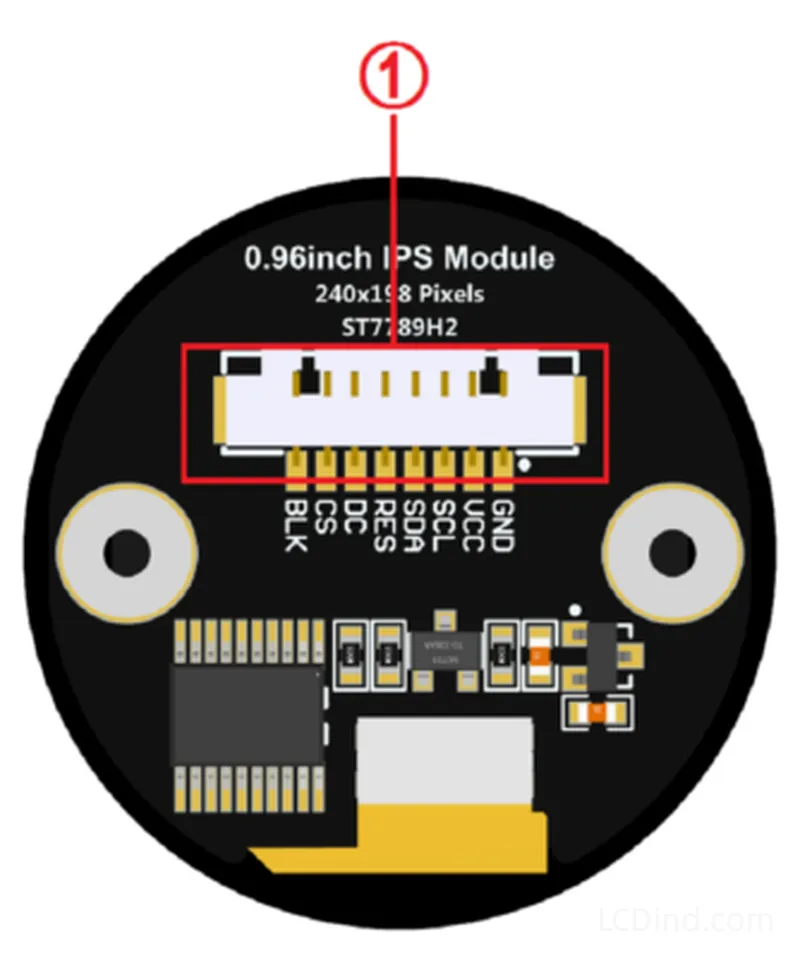
Technical Specifications
| Size | 0.96 inch |
|---|---|
| Resolution | 240×198 |
| Interface | 4-Line SPI |
| Brightness | 300 nits |
| Touchscreen | |
| Operating Temp | -10 to +60 C |
| Outline Dimension | NO Glass Cover Plate:29.73(W)x28.14(H)x6.66(D)(Including positioning columns) mm |
| Active Area | 24.408(W)x20.137(H) mm |
| Power Supply | 5.0 V/3.3V |
| LED Lifetime | |
| LCDind Model | LCDind-DS20200 |
Designed Around Appliance Dial Mechanics
Smart appliance controls often combine a rotary knob, icon display, and front cover into a compact assembly. This product differs from the pin-header version because the outline note states NO Glass Cover Plate:29.73(W)x28.14(H)x6.66(D)(Including positioning columns) mm. That wording matters for mechanical teams: it describes the display condition without the final cover plate and includes positioning columns. The housing team should check the locating posts, bezel opening, front-lens thickness, adhesive or gasket plan, and whether the screen is centered relative to the physical dial.
The active area remains 24.408(W)x20.137(H) mm, so icon layout and visible artwork should be planned around the actual display window rather than the board outline. In appliance projects, the front appearance is usually approved by industrial design before the electrical design is fully locked. To avoid late redesign, confirm the display stack in a prototype knob or control dial, including the lens tint, printing, viewing distance, and expected angle when the appliance is installed under a cabinet or on a countertop.
SPI Display Control in Appliance Electronics
The 4-Line SPI interface is practical for appliance mainboards and small daughter boards because it minimizes signal count. The engineering team still needs to confirm initialization code, display orientation, font rendering, color depth, update speed, and behavior during standby or wake-up. Appliance controls often show temperature, mode, timer, error, or progress indicators; these are normally not heavy animation workloads, but they must be reliable and readable after repeated power cycles.
Power input listed as 5.0 V/3.3V should be matched with the control board design. If the appliance has motors, relays, heaters, compressors, or long harnesses, EMC review is more important than it appears from the display size. LCDind can review whether the standard module, FPC direction, connector, or adapter board should be adjusted for a cleaner production assembly.
Best-Fit Smart Appliance Uses
This round TFT is a good candidate for thermostats, compact kitchen appliance dials, water-treatment controls, HVAC interfaces, laboratory appliance knobs, coffee equipment, and smart home control modules. The circular display format helps OEMs create a more integrated user interface than a small rectangular screen. It is especially useful when the display shows mode icons, setpoint values, percentage progress, warnings, and confirmation states around a physical rotary or push control.
The 300 nits brightness can support many indoor appliance environments, but the final decision should consider lens tint, panel angle, glare from room lighting, and whether the appliance is used near windows. If a dark smoked lens or thick decorative cover is used, apparent brightness may drop. That should be reviewed during sample testing instead of after tooling approval.
Sourcing Notes for Appliance OEMs
For sourcing, the important distinction is whether the buyer needs only a display module or a front-panel-ready assembly. A smart appliance program may need display, cover lens, printed mask, adhesive, cable, and quality standard as one reviewed stack. The public specifications identify LCDind-DS20200 and the current electrical/mechanical baseline, but final procurement should include the appliance drawing, UI mockup, environment, and production forecast.
Appliance projects usually need stable repeat production, not only a prototype sample. Confirm revision control, packaging, cosmetic inspection, and replacement planning early. A small difference in locator column size, cover glass thickness, or FPC direction can affect assembly yield. LCDind can help compare the standard module against the target enclosure and propose adjustments before the customer locks the mechanical tooling.
Customization and Industrial Design Review
Possible review areas include cover glass, black mask printing, logo printing, FPC length, connector direction, backlight tuning, surface treatment, and bonding method. Because the listed outline excludes a glass cover plate, buyers should not assume the final dial stack is complete from the base module drawing. Send the final front lens and knob structure for confirmation.
If the appliance requires touch through the cover, specify whether the user will tap icons, rotate a mechanical knob, use a separate encoder, or combine touch and rotation. The empty touchscreen table field means touch is not confirmed as a standard feature on this page. RFQ should define the interaction method before sample selection.
RFQ and Engineering Review Checklist
- Appliance type, target control-dial function, and user-interface mockup.
- Mechanical drawing showing locating columns, cover lens, bezel, and display centerline.
- SPI host platform, required orientation, startup behavior, and voltage levels.
- Lens tint, logo printing, surface treatment, and cosmetic standard.
- Operating environment, cleaning exposure, temperature range, and expected service life.
- Sample quantity, annual forecast, pilot schedule, and approval process.
Engineering FAQ
Why does the outline mention no glass cover plate?
It means the listed outline describes the module condition without the final decorative or protective cover. Appliance designs often add a printed lens or front cover, so that stack must be reviewed separately.
Is this module suitable for a rotary knob display?
Yes, it is a candidate for compact rotary or dial-style controls, provided the mechanical center, visible area, SPI timing, and user-interface orientation are confirmed against the final assembly.
Can LCDind provide a cover lens or printed mask?
LCDind can review cover-lens and printing requirements. The buyer should send drawing files, target appearance, thickness, coating, and any logo or icon artwork needed for the appliance program.
What should be tested before pilot production?
Check brightness through the final lens, icon readability, startup behavior, EMI behavior near appliance power components, mechanical retention, and appearance under normal room lighting.
Project Notes for Sourcing Teams
Use LCDind-DS20200 when discussing this item with LCDind engineering. Include the appliance dial drawing and cover-lens plan so the team can review the complete front-panel stack rather than only the bare round TFT module.
Additional information
| Brand | OEM / ODM |
|---|---|
| Size | 0.96 inch |
| Resolution | 240×198 |
| Interface | SPI |
| Brightness | Standard (200-450 nits) |
| Operating Temp | Standard (0 ℃ to +50/60 ℃) |
About brand
Source OEM / ODM LCD panels for OEM, replacement and industrial integration projects. Submit size, resolution, interface, brightness, lifecycle and annual quantity for review.
Engineering FAQ
Q: What is this 0.96 inch round TFT display best used for?
A: This round TFT display is intended for smart appliance control dials, embedded controllers, instrument panels, compact terminals, and OEM equipment programs that need stable display sourcing with 240x198 resolution.
Q: Which interface details should engineers confirm before sampling?
A: Use the 4-Line SPI interface as the starting point. Before sample approval, confirm pinout, signal timing, voltage, cable length, connector direction, firmware support, and EMC layout with the host board.
Q: Can LCDind customize touch, cover glass, or bonding for this display?
A: Yes. LCDind can review resistive touch, capacitive touch, cover lens thickness, logo printing, AG/AR/AF coating, optical bonding, and controller matching. Current touch note: touch configuration is reviewed during RFQ.
Q: How should brightness be selected for the final device?
A: The current brightness guidance is 300 nits brightness. Share indoor, vehicle, kiosk, outdoor shade, or sunlight-readable requirements so LCDind can review backlight, heat, bonding, and cover-glass options.
Q: What mechanical details matter before enclosure tooling?
A: Check outline NO Glass Cover Plate:29.73(W)x28.14(H)x6.66(D)(Including positioning columns) mm, active area 24.408(W)x20.137(H) mm, power input 5.0 V/3.3V before releasing tooling. Buyers should confirm bezel opening, mounting stack, FPC bend radius, connector clearance, gasket pressure, and viewing area tolerance.
Q: What should be included in an RFQ for this round TFT display?
A: Send annual forecast, trial quantity, target schedule, host platform, interface requirement, mechanical drawing, brightness target, touch plan, operating environment, and any replacement display dimensions.
Q: Can this display be used for outdoor or high-ambient-light equipment?
A: It can be reviewed for outdoor equipment, but final approval depends on brightness, thermal design, sealing, UV exposure, cover glass, and viewing angle. For direct sunlight, request high-brightness or optical-bonding review.
Q: How does LCDind identify this product during engineering review?
A: Use LCDind internal model LCDind-DS20200 together with size, resolution, interface, and mechanical drawing. Supplier-only panel codes are not needed for public sourcing discussions.
Shipping and Delivery