13
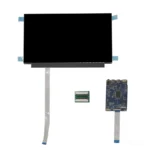
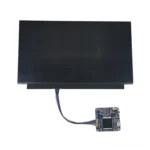
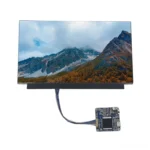
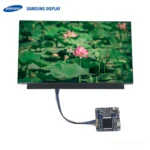
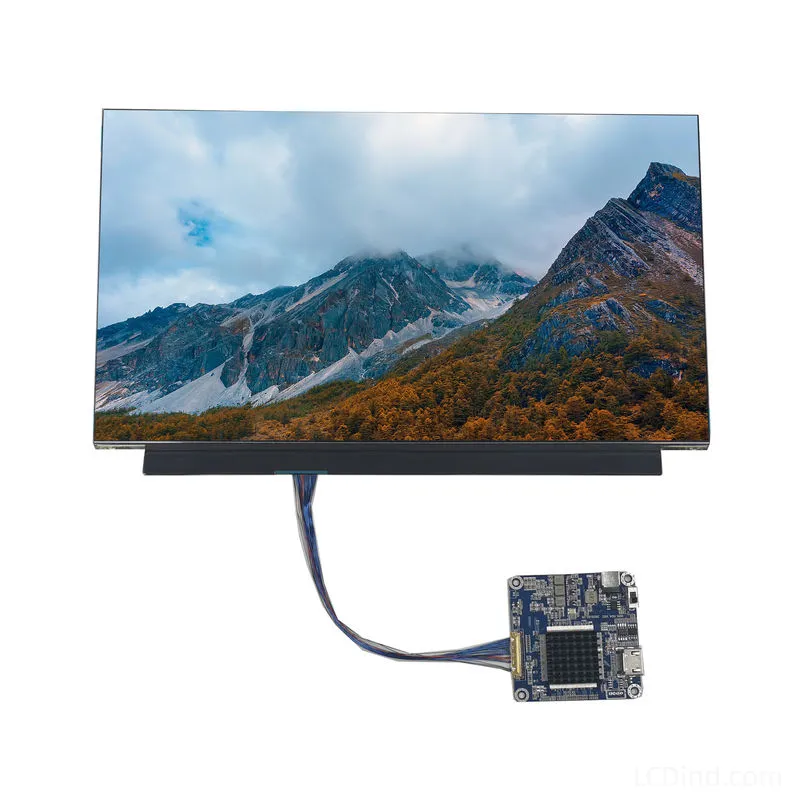
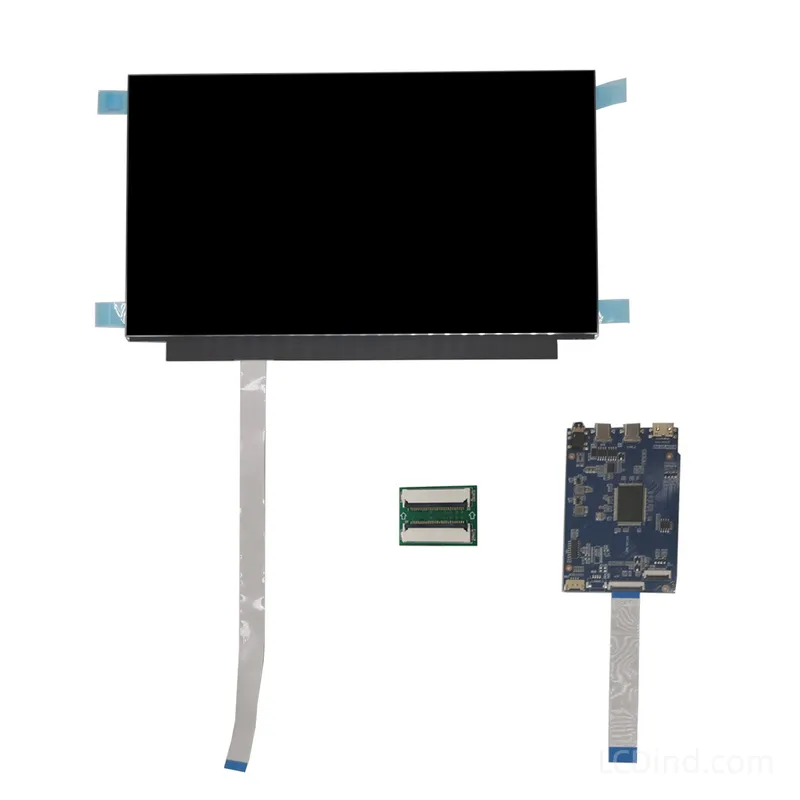
Universal LCD Controller Board solutions. Convert HDMI/VGA signals to LVDS, EDP, or MIPI. Custom firmware support for industrial display panels.
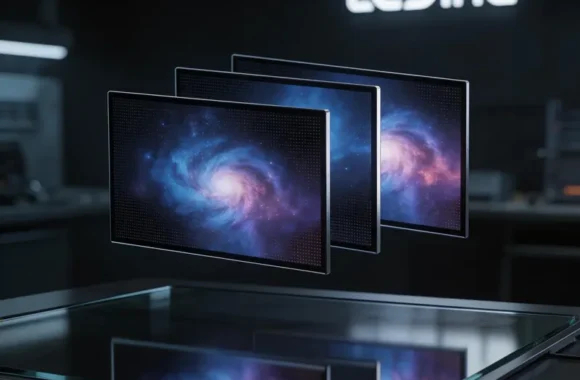
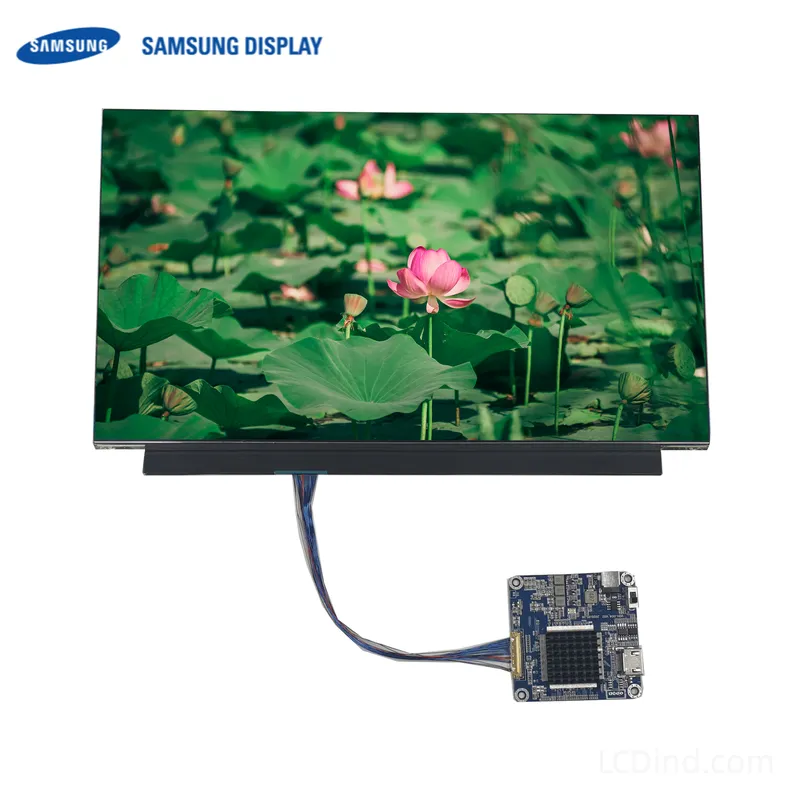
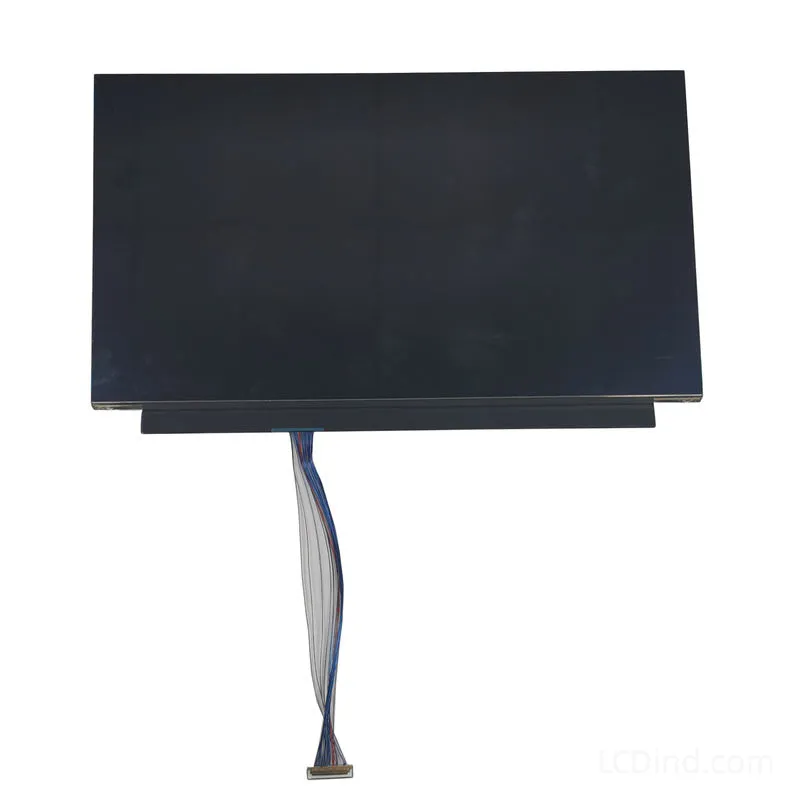
Ultra-thin, infinite contrast AMOLED modules designed for flagship laptops and power-efficient portable monitors. Eliminate bulky backlights and redefine mobile hardware design.
Building a flagship device requires more than just an off-the-shelf panel. LCDind provides deep hardware integration services for laptop OEMs and portable monitor brands. From ultra-thin optical bonding to bespoke Type-C PCB layouts, we tailor our AMOLED optical stacks to fit flawlessly within your proprietary CNC chassis.
Modern AMOLED displays utilize advanced pixel-shifting algorithms and dynamic brightness limiters (DBL) to mitigate image retention. With proper OS-level power management, burn-in is highly minimized for everyday computing tasks.
Yes. Depending on the specific driver board kit selected and the power output capabilities of your host device (e.g., a modern Thunderbolt 3/4 port), our Type-C boards support single-cable operation for both power and DP Alt Mode video.
Driving high-resolution OLED pixels requires rapid electrical switching. LTPS (Low-Temperature Polycrystalline Silicon) offers significantly higher electron mobility than a-Si, enabling the ultra-high pixel density needed for 4K UHD AMOLED panels while reducing bezel size.
Are these bare panels touch-enabled natively?
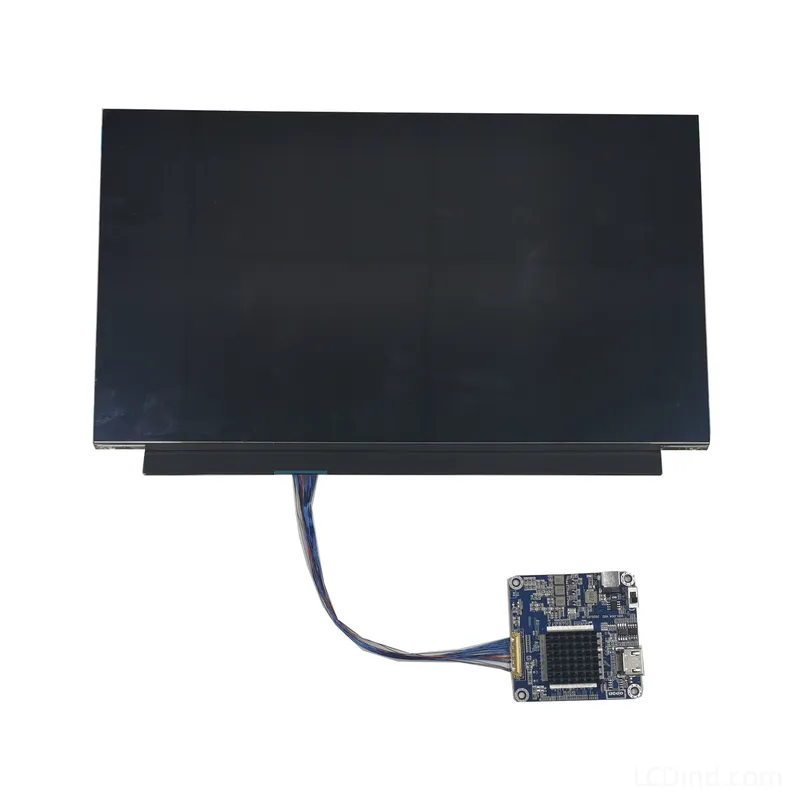
These high-bandwidth panels natively communicate via eDP (Embedded DisplayPort), such as eDP v1.4b. Our included driver boards bridge the gap between standard HDMI/Type-C outputs and this native eDP requirement.
The FHD (1080p) version offers the exact same infinite contrast and true black capabilities, but requires significantly less battery power and host GPU rendering load, making it the superior choice for maximizing portable device battery life.
🔒 Your data is secure. We usually reply within 24 hours.