13
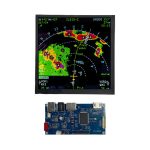
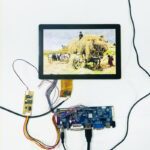
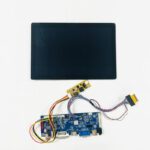
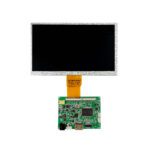
Universal LCD Controller Board solutions. Convert HDMI/VGA signals to LVDS, EDP, or MIPI. Custom firmware support for industrial display panels.
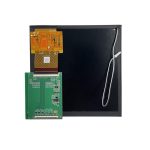
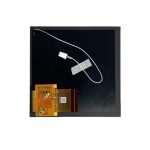
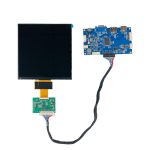
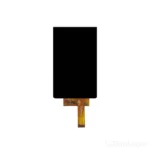
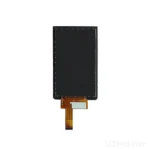
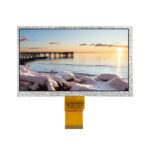
6.2 inch 720×720 square IPS LVDS LCD for simulator instruments and compact control panels, with 500 cd/m² brightness, 1000:1 contrast, 16.7M colors and -20 to 70 °C operation.
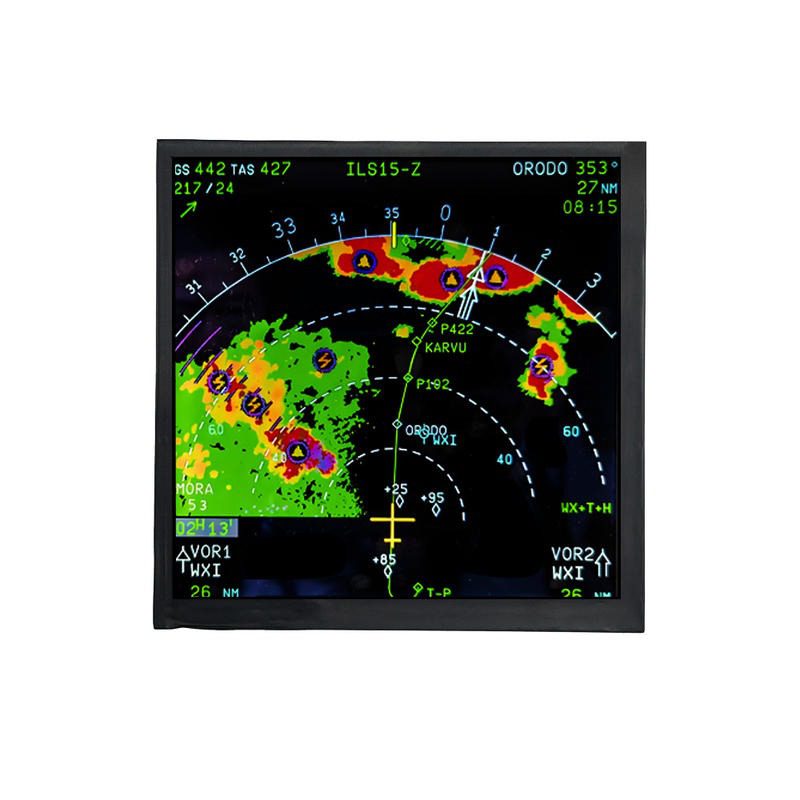
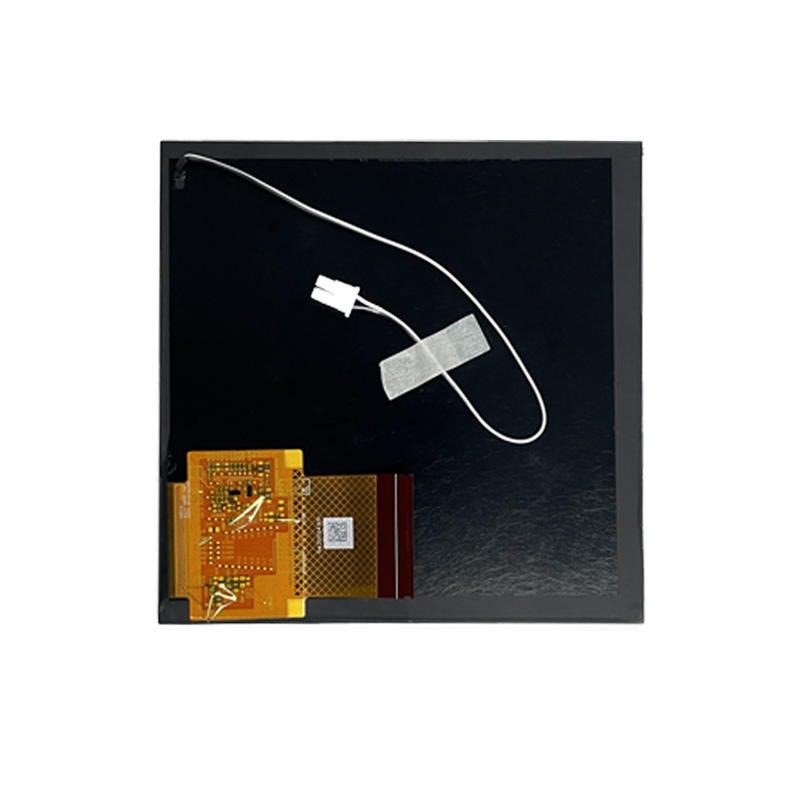
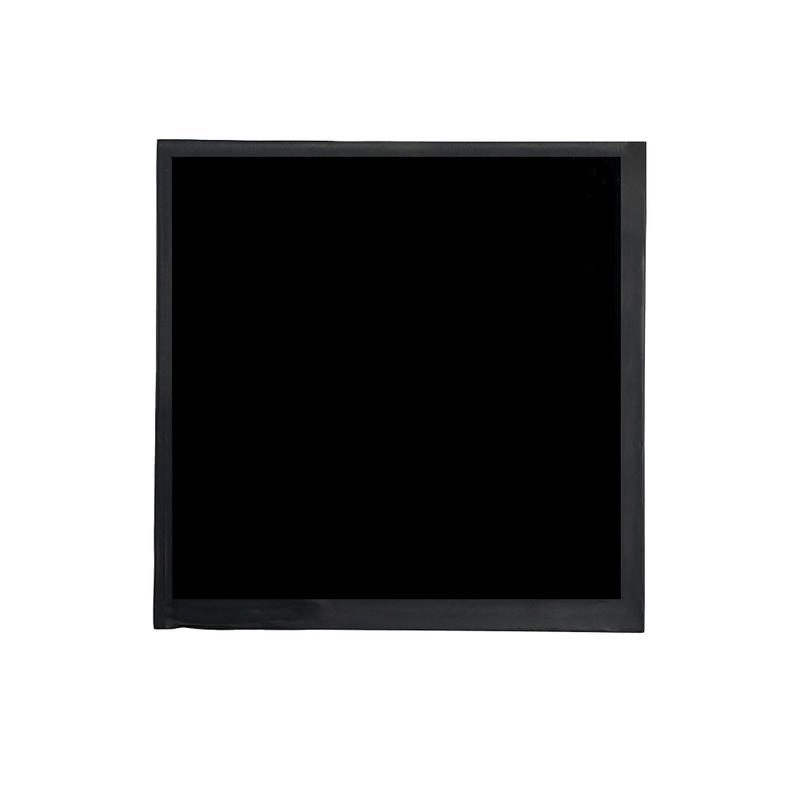
This 6.2 inch square LCD is best reviewed as an engineering display for flight-simulator instruments, compact cockpit replicas, training consoles, circular-gauge replacements and industrial control panels that need a balanced 720×720 pixel canvas. The public specification identifies a 6.2 inch panel, 720×720 resolution, 111.78×111.78 mm active area, 500 cd/m² brightness, 1000:1 typical contrast, 16.7M colors, RGB vertical stripe pixel format, normally black transmissive display mode and LVDS interface. The operating temperature is listed as -20 to 70 °C, with storage from -30 to 80 °C. Those values make the module more specific than a generic square screen: the buyer needs to check graphics timing, LVDS mapping, active-area fit, and cockpit lighting before approving it.
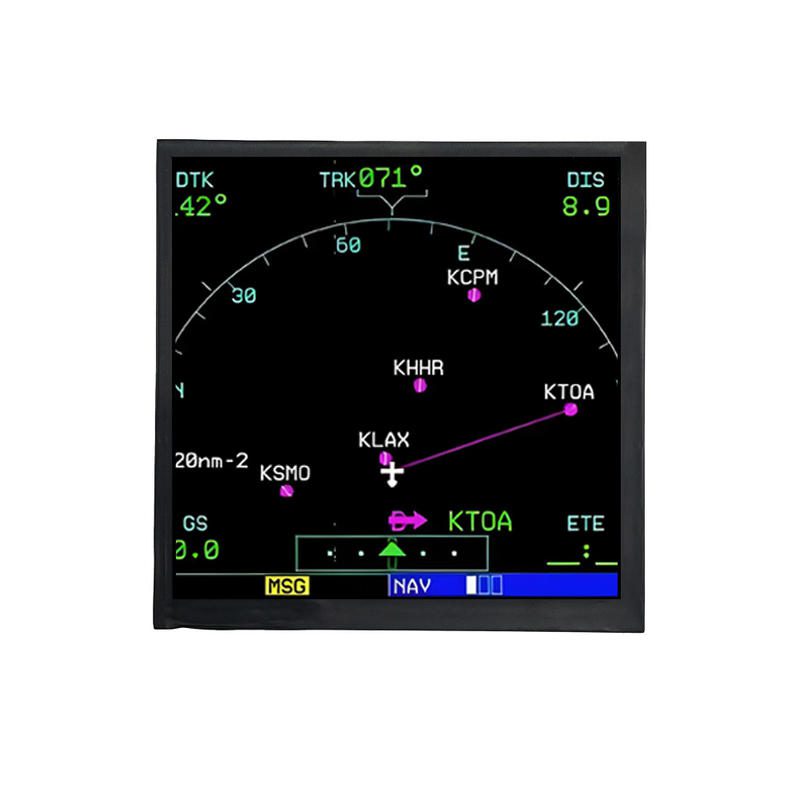
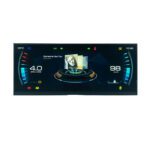
The square format is the primary selection reason. A 720×720 display can show attitude-style graphics, map fragments, annunciator states, numerical readouts, equipment status, or a dense touchless instrument page without stretching a circular UI onto a wide-format panel. For simulation projects, the mechanical designer often has a fixed bezel, instrument cutout or panel cluster. In that situation, the active area is as important as the diagonal size. A selection review should compare the 111.78×111.78 mm active area with the visible window, mask tolerance, mounting method, surrounding controls and expected viewing distance.
The 500 cd/m² brightness and 1000:1 contrast are useful for indoor simulator rooms, training devices, engineering labs and instrument panels that need stronger readability than a low-brightness embedded display. They should not be treated as a blanket outdoor or direct-sunlight claim. Brightness seen by the operator depends on the overlay, anti-reflection treatment, lens transmission, room lighting, UI background, viewing angle and any dimming range required for night training. If the display will be used in a cockpit environment with variable lighting, LCDind should receive the lighting profile and target luminance range, not only the display size.
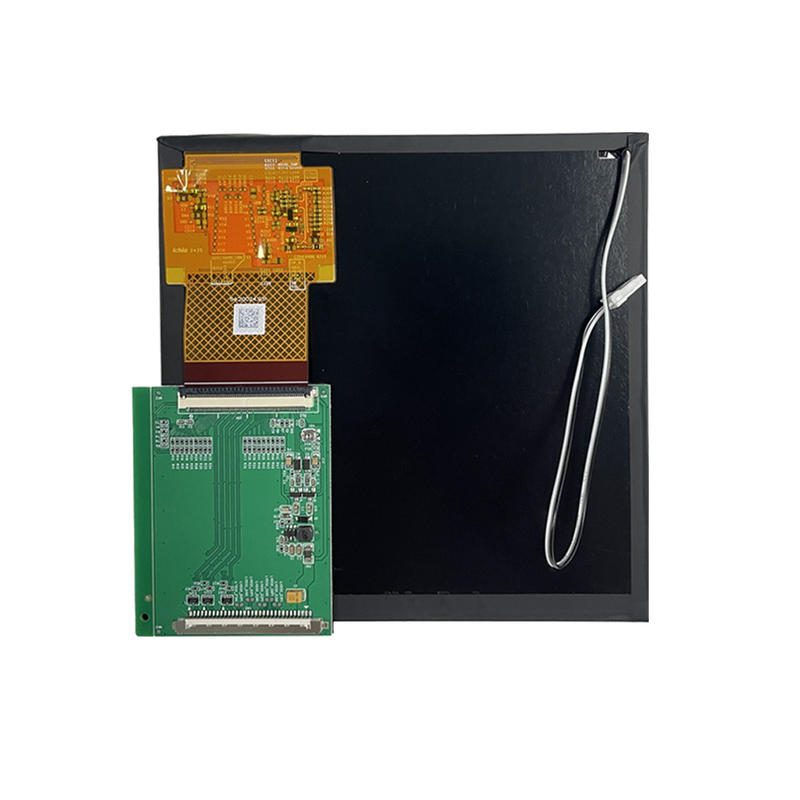
LVDS integration needs a controlled host-side review. The buyer should confirm the exact LVDS channel configuration, bit mapping, pixel clock, timing, voltage, connector, cable length and EMI requirements against the current drawing. Simulator and industrial panels often use long internal cable routes, metal chassis, power supplies, motor drives or other noise sources. A working bench test with a short cable is not enough to approve the production build. The engineering sample should be evaluated in the intended enclosure with the actual controller, cable route, grounding method and backlight power arrangement.
Mechanically, the panel should be assessed around the full module structure, not only the square active image. The product page confirms the active area, but final tooling still requires the latest outline drawing, connector position, thickness, mounting clearance, FPC or harness direction and protective-window stack. If the unit is installed behind a round or square printed mask, the mask opening must leave enough tolerance so the image edge is not clipped after assembly. If the front panel is serviced in the field, the design should also leave a safe path for cable removal and replacement without twisting the display.
The -20 to 70 °C operating range suits many indoor industrial and simulator systems, but it is the panel operating range rather than approval for the complete equipment. The assembled product must still account for heat from the backlight, controller board, power converter, sealed enclosure and surrounding electronics. For a simulator bay that runs many hours per day, evaluate warm-up stability, brightness drift, image retention risk, cable strain and fan or airflow behavior under the real duty cycle.
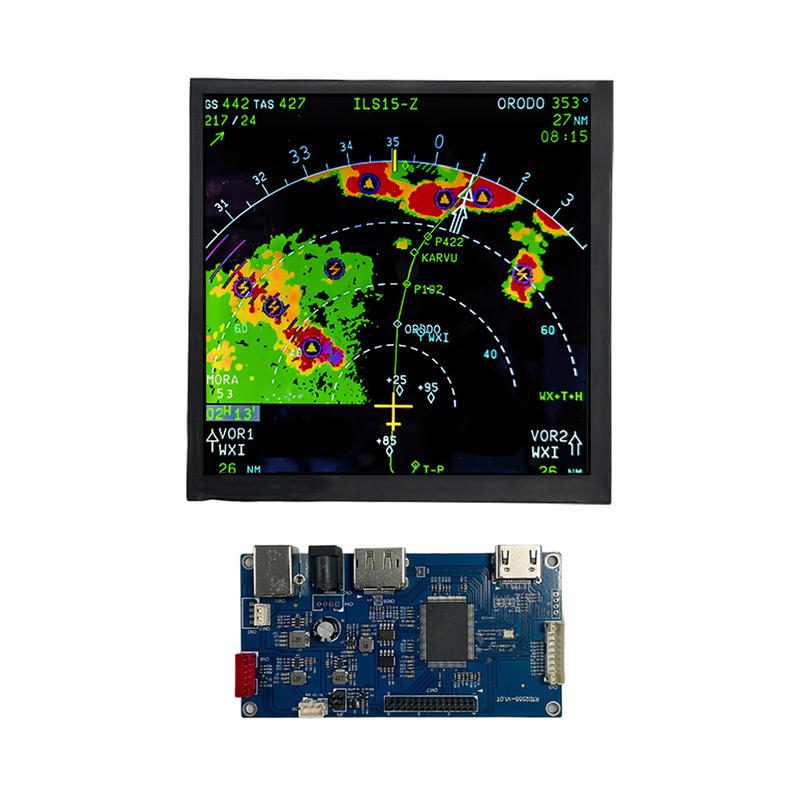
Is this a general-purpose HDMI monitor? No. The public data identifies an LVDS LCD panel. An HDMI system requires a compatible controller board that converts the host signal to the panel timing and LVDS format.
Can it be selected only because the UI is square? No. The square 720×720 format is useful, but compatibility also depends on active area, mounting, LVDS timing, cable route, brightness target and thermal design.
Is 500 cd/m² enough for a simulator cockpit? It can be suitable for many indoor simulator and control-room conditions, but final readability depends on room lighting, overlay, dimming, UI colors and viewing distance.
What should be checked before panel tooling? Confirm the latest drawing, active-area position, outline, connector, mounting clearance, front mask, cable route and production-intent controller.
Can LCDind support a complete display assembly? LCDind can review panel, controller, cover-lens and integration requirements after receiving the host signal, drawings, quantity and operating conditions.
Use this 6.2 inch 720×720 LVDS panel when the square image format and controlled simulator or instrument integration are the main requirements. Do not approve it from diagonal size alone. Send the LVDS timing, mechanical drawing, lighting condition and target assembly structure so LCDind can confirm whether the standard panel is suitable or whether a controller, cover glass, cable or brightness adjustment should be quoted.
For a simulator or instrument program, prototype validation should include more than a static image test. Check grayscale readability, small symbol edges, rapid state changes, dimming behavior, startup timing, cable stability, EMI behavior and thermal rise after several hours of operation. If the display replaces another square panel, compare active area, mounting depth, timing, color behavior and cable exit instead of assuming that a similar diagonal will fit. For procurement, freeze the approved controller board, firmware settings, cable, drawing revision, packing requirement and incoming inspection criteria before moving from sample to repeat orders.
If the end product needs a front lens or laminated cover, specify it as part of the assembly request. Lens thickness, adhesive, anti-glare treatment and printed mask can affect brightness, contrast and mechanical clearance. LCDind can review the bare panel path and the assembly path separately so the quotation does not mix prototype assumptions with production needs.
Q: What is the MOQ?
A: The MOQ for our products is 1 piece. We are able to provide support throughout the testing process.
Q: What about the delivery time?
A: We have products in stock and can ship them within 3 working days.
Q: Does your product have any warranty?
A: Yes, we offer a warranty that ensures the LCD will function properly upon receipt. However, please note that we do not provide guarantees for any damage caused during use.
Q: What’s your payment method?
A: We accept several payment methods, including T/T (bank transfer), and PayPal.
Q: What’s your shipping method?
A: Thank you for your inquiry. We offer various shipping methods to suit different needs.
For small quantity orders, we use UPS Air-Express, DHL, FedEx, TNT, or EMS Express service. These options are safe and fast.
For large quantity orders, we typically work with the buyer’s cargo agent in China. Alternatively, we can arrange for air or sea transportation.
Please let us know your preferred shipping method and we will do our best to accommodate your request.
Q: Do you offer custom solution?
A: Yes, we offer custom solutions if our standard products do not meet the buyer’s requirements. Please let us know your specific needs, and we will work with you to create a tailored solution that meets your business needs.
Q: How to Contact us?
A: Send your Inquiry Details in the Below, Click “Send” Now!
🔒 Your data is secure. We usually reply within 24 hours.